Rethinking kids and screen time: Why balance matters more than limits
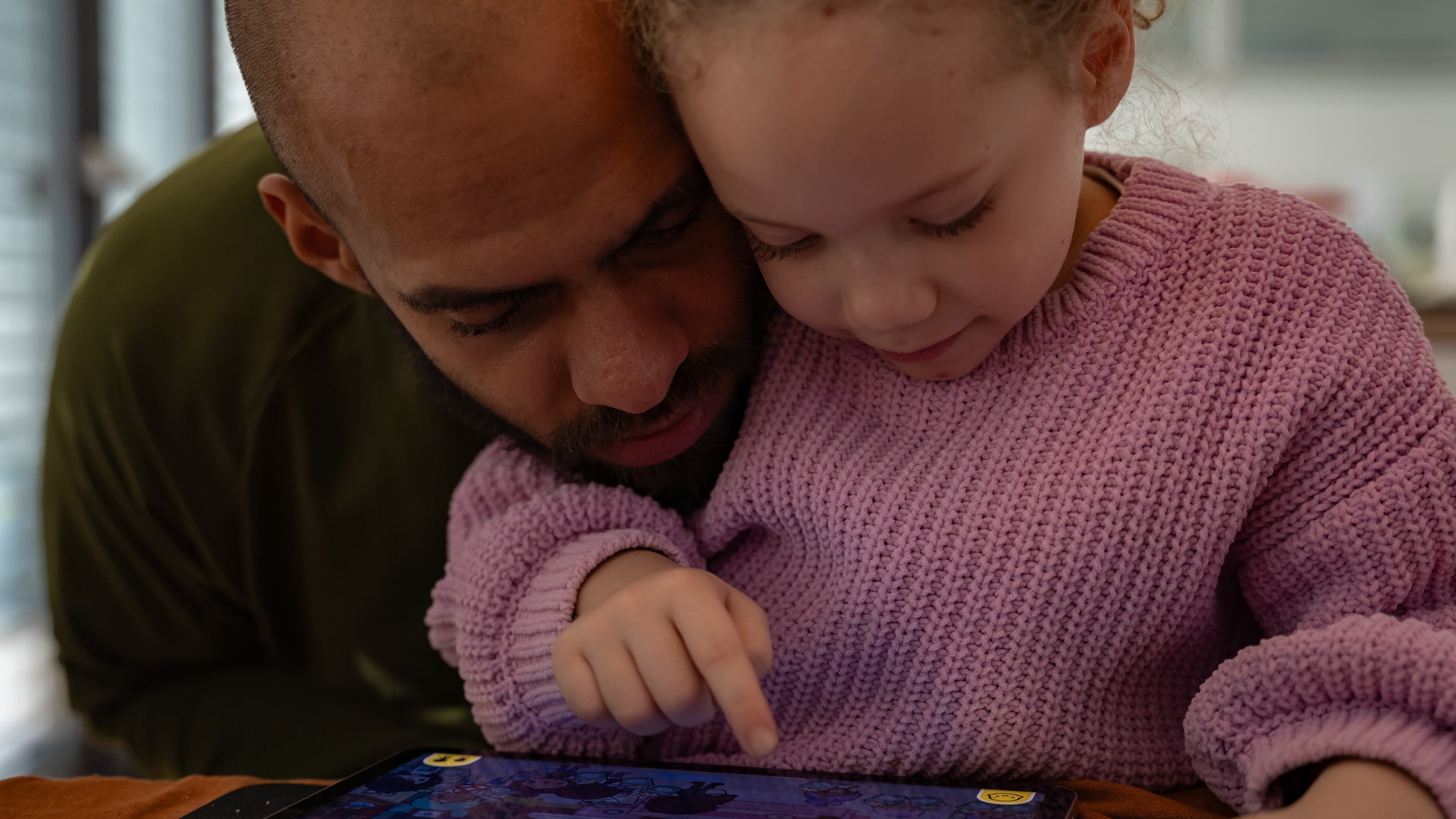
The tablet comes out during a long wait at a restaurant. A video call with Grandma miles away creates a moment of connection. Movie night turns a rainy afternoon into quality time together.
For many families, screens aren’t just entertainment. They’ve become a part of everyday parenting.
A new storyline in Pixar’s Toy Story 5 explores a familiar parenting challenge. The film introduces 8-year-old Bonnie’s new smart tablet, Lilypad. As she spends more time on the device and less time playing with her toys, the movie raises a question many families are grappling with: How much screen time is too much?

According to the 2026 Kids Interactive Entertainment Report from children’s learning platform Lingokids, nearly 85% of Georgia parents say screen time is part of their family’s everyday routine.
As screens become a regular part of childhood, many families are figuring out how they fit into a healthy routine.
Florida pediatrician and child development expert Dr. Mona Amin said the amount of time children spend on screens isn’t the first thing she asks parents about.
“I start with, ‘What did the rest of today look like?’” she said. “Did they sleep well? Did they get outside? Did they play with another child? Did they spend time talking with their family? Can they turn the screen off without everything falling apart? If all of those other developmental needs are being met, I’m not worried if they watched a movie or two with their sibling over the weekend.”
That perspective may be reassuring for parents who feel conflicted about screen time. Nationally, 84% of parents say they feel guilty about their children’s screen time, according to the Lingokids report. It’s a feeling Amin hears from parents every day.
A movie or a quick game on a tablet can give parents time to get something done or simply catch a break. But even when screens help families make it through a busy day, Amin said many parents still feel guilty about relying on them.
“Parents are trying to do the best they can,” Amin said. “I think we’ve somehow created this idea that there’s one perfect way to do screen time, and I just don’t think that’s real life.”
Parents often ask her which shows are “good” and which ones they should avoid. While Amin generally gravitates toward slower-paced programs with fewer rapid scene changes and stories that encourage imagination, she doesn’t give families a list of approved shows.
“I always tell parents to watch their child,” she said. “You know your child better than anybody else.”
Some children can watch an energetic cartoon and then happily move on to building with blocks or playing outside. Others have a much harder time transitioning, which is why Amin encourages parents to pay attention to how their own child responds rather than focusing on someone else’s recommendations.
Amin also encourages parents to think about how children use screens, not just how long they use them. A video call with cousins or an interactive educational game isn’t the same experience as hours of passive scrolling or mindless viewing.
Watching together can create opportunities for conversation, questions and connection long after the screen is turned off. A favorite movie or TV show can also inspire imaginative play, with children acting out scenes using stuffed animals or creating their own stories.
“If you’re noticing every single time the screen turns off there’s a huge meltdown, that’s information,” she said. “If they’re able to transition and move into something else, that’s information too.”
Finding that balance, Amin said, looks different for every family.
“There isn’t a single formula that works for every family,” Amin said, “and parents shouldn’t expect one.”
But she knows many parents will probably continue to wrestle with guilt over screen time.
“If there’s room for sleep, laughter, conversation, friendships, imagination and play, families are probably doing better than they think,” Amin said.
“Give yourself some grace. We’re all parenting in a world that’s different than the one we grew up in.”