Why soccer is so demanding on the heart
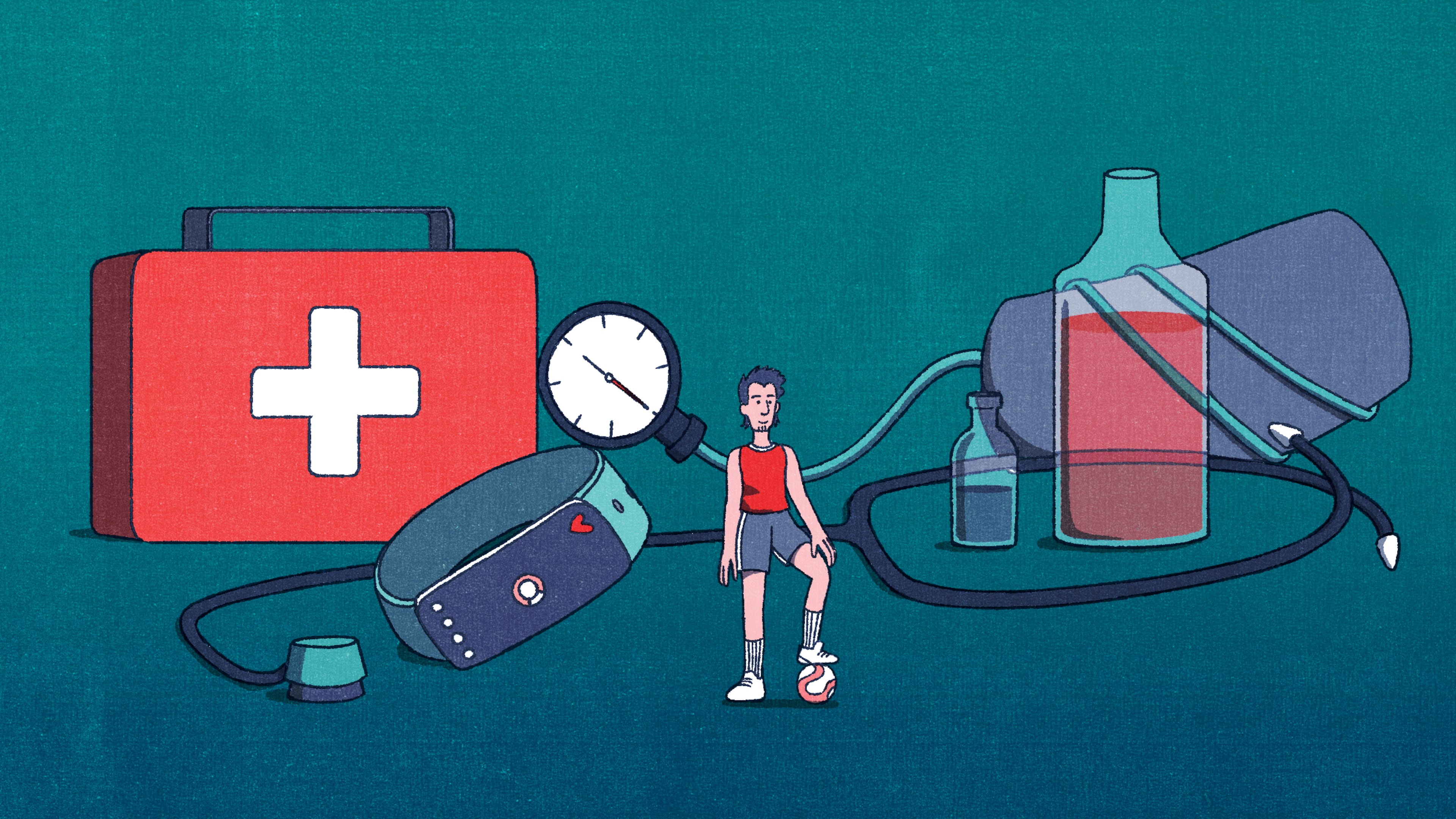
Soccer is one of the most physically demanding sports in the world, requiring continuous movement, repeated sprinting, and minimal recovery time over a 90-minute match.
Dr. Jonathan Kim, a sports cardiologist at Emory Healthcare and team cardiologist for Atlanta United, explains what that level of exertion means for the cardiovascular system and why Atlanta’s summer heat can make it even more taxing. He also shares practical hydration and recovery guidance, and signs that fatigue may be something more serious.

Q: According to FIFA’s physical analysis of the 2022 World Cup, teams covered an average of more than 67 miles per match, including more than five miles at high intensity and more than one mile at sprint intensity. What does that level of repeated exertion say about the cardiovascular demands placed on elite soccer players?
A: The significant cardiovascular demands from any sport have many effects and lead to changes within the heart and cardiovascular system.
The changes are adaptive changes of the structure and function of the heart. We call this the ‘athlete’s heart’. Importantly, these are healthy changes as the heart doesn’t have to work as hard and the entire cardiovascular system becomes much more efficient along with the overall improved conditioning of the athlete.
The elite soccer player is just one example where this occurs, but any highly trained athlete, such as a basketball player, runner, football player, cyclist, etc. will undergo similar adaptive cardiovascular transformations.
Q: Even the most elite players can experience rapid heartbeat and become out of breath quickly in a sport like soccer. What are the signs that game fatigue may be something more serious?
A: Fatigue is very non-specific and a very normal outcome after a hard training session or competitive event. When fatigue can signal something more concerning is when it is out of proportion to the level of intensity of the activity the athlete engaged in.
For example, feeling completely wiped out after an easy workout. This could be a sign of an impending health issue like a viral illness.
Also, if the fatigue is in association with cardiovascular symptoms during exercise, such as chest tightness, lightheadedness, excessive shortness of breath, etc., this could be a sign the fatigue has some association with an underlying cardiac health issue.
If there are any concerns, the athlete should bring this to the attention of their doctor to determine if the fatigue is something of concern.
Q: Atlanta heat and humidity can certainly add stress to players on the field. How can athletes best combat the climate here during this level of competition?
A: Acclimate! Athletes should slowly build conditioning when faced with changes in climate such as heat and humidity. Even with this practice, there should be an effort, if possible, to avoid training or competition during the hottest times of day.
Heat must be respected as heat exhaustion can lead to heat stroke which can be fatal. Of course, when training in heat and humidity, staying hydrated is critical as well as attempts to stay as cool as possible when training during hot temperatures.
Q: Should I get my heart checked before my first pickup soccer game if I’m not an active player? What would that involve?
A: For the recreationally active individual, ‘getting checked out’, to me, simply means ensuring one always follows with regular physical exams — at least annually — with their doctor/primary care physician.
Assessing basic risk factors and proceeding with the basics of the annual physical exam are all that is needed most of the time. This is the standard of general medical care that all individuals should follow/practice.
There generally is no need to proceed with more intensive cardiac screening tests that people hear about for athletes at the professional or high-level collegiate sports level.

Q: Should soccer be off-limits for people with heart conditions? If so, which in particular should reconsider playing and why?
A: First of all, exercise is medicine! There is not one condition in which continuing with regular physical activity and exercise is not recommended. Everyone should engage in routine exercise for health and longevity.
For individuals who are interested in engaging in more intense and competitive recreational soccer and who have a heart condition, this is a situation in which seeing a cardiologist, primarily a sports cardiologist, with expertise in managing and counseling athletes with heart conditions, is recommended.
For sure, the old philosophy that all athletes with heart conditions should not play competitive sports is outdated and not correct. Many athletes with heart conditions can play even the most intensive types of sports. But this should be guided and individualized by the right expert in terms of counseling and determining both the risks and benefits of sports based on the cardiac diagnosis and type of sport engaged in by the athlete.
Q: For those who play soccer recreationally, what is your biggest piece of advice to stay ‘heart healthy’ during a season?
A: First, listen to your body. When sick with a virus or feeling unwell, it is important to rest and give yourself a day off from exercise.
Second, take care of your nutritional needs. Eat heart healthy and ensure you are very careful with anything you decide to eat, drink, or ingest.
Finally, if you have any concerning symptom or worry about any symptom that occurs, particularly during exercise, ensure you discuss this with your regular doctor.
Dr. Jonathan Kim is a professor of medicine in the Division of Cardiology at Emory University School of Medicine and the founding director of the Emory Sports Cardiology Center. He serves as team cardiologist for the Atlanta United, Atlanta Falcons, Atlanta Hawks, Atlanta Braves and Atlanta Dream teams, and both Emory and Georgia Tech Athletics.