The summer that changed us: Georgians remember the 1996 Olympics
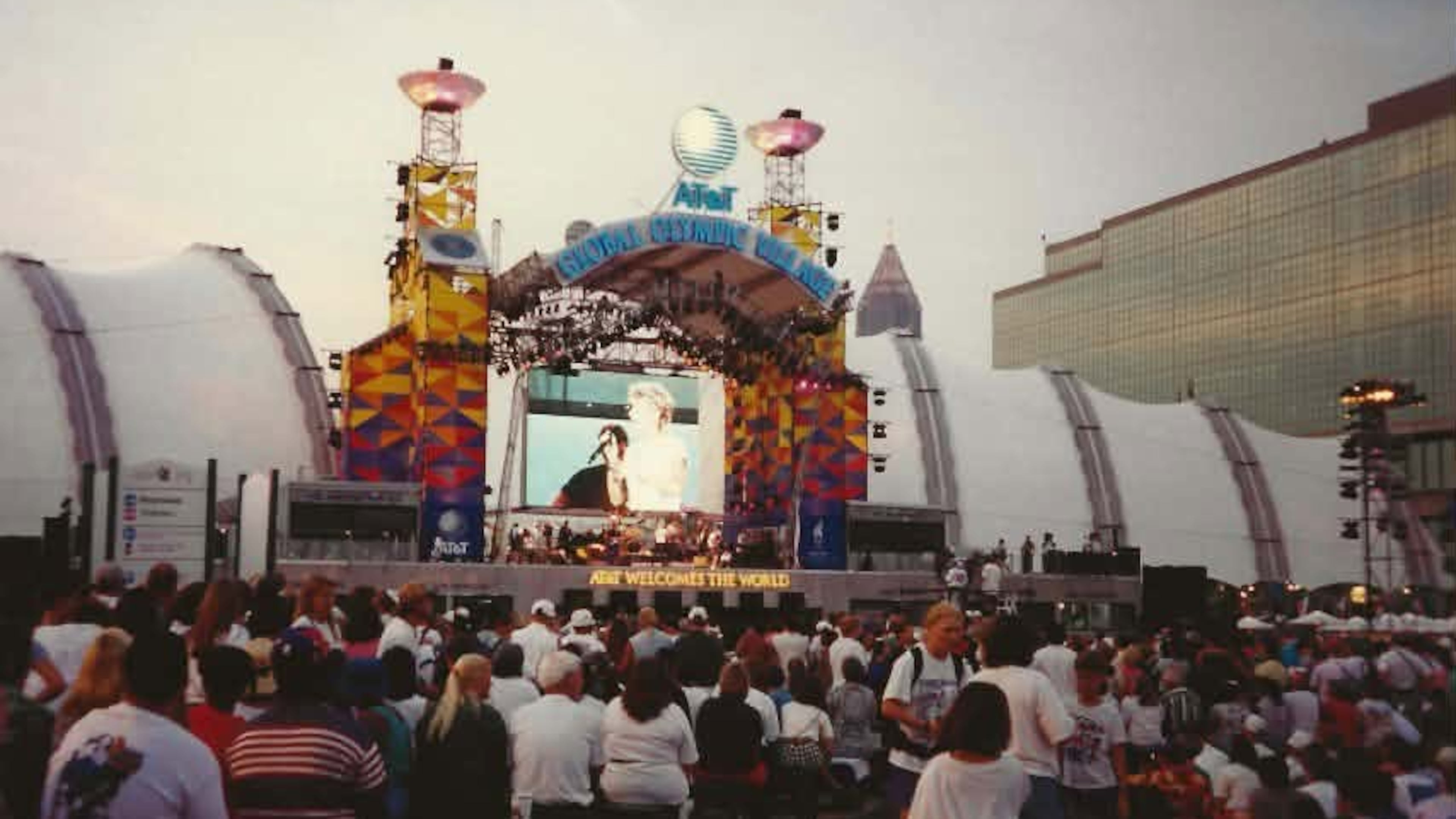
July 19 marks the 30th anniversary of the opening ceremony of the 1996 Centennial Olympic Games, when Atlanta welcomed athletes and visitors from around the world for one of the city’s defining moments.
City officials along with the Atlanta Committee for the Olympic Games (ACOG) spent years preparing for the biggest event in Atlanta’s history. Construction reshaped metro Atlanta as new Olympic venues took shape. Residents braced for gridlocked streets, overflowing crowds and a bustling summer unlike any the city had ever seen.
Attention focused on medal counts, record-breaking performances and Atlanta’s moment on the world stage. But for many Georgians who volunteered, worked, performed or attended the Games, the memories that have endured are far more personal. They’re the chance encounters, quiet moments and unexpected turns that changed lives long after the Olympic flame went out.
Traffic terrors, then nothing
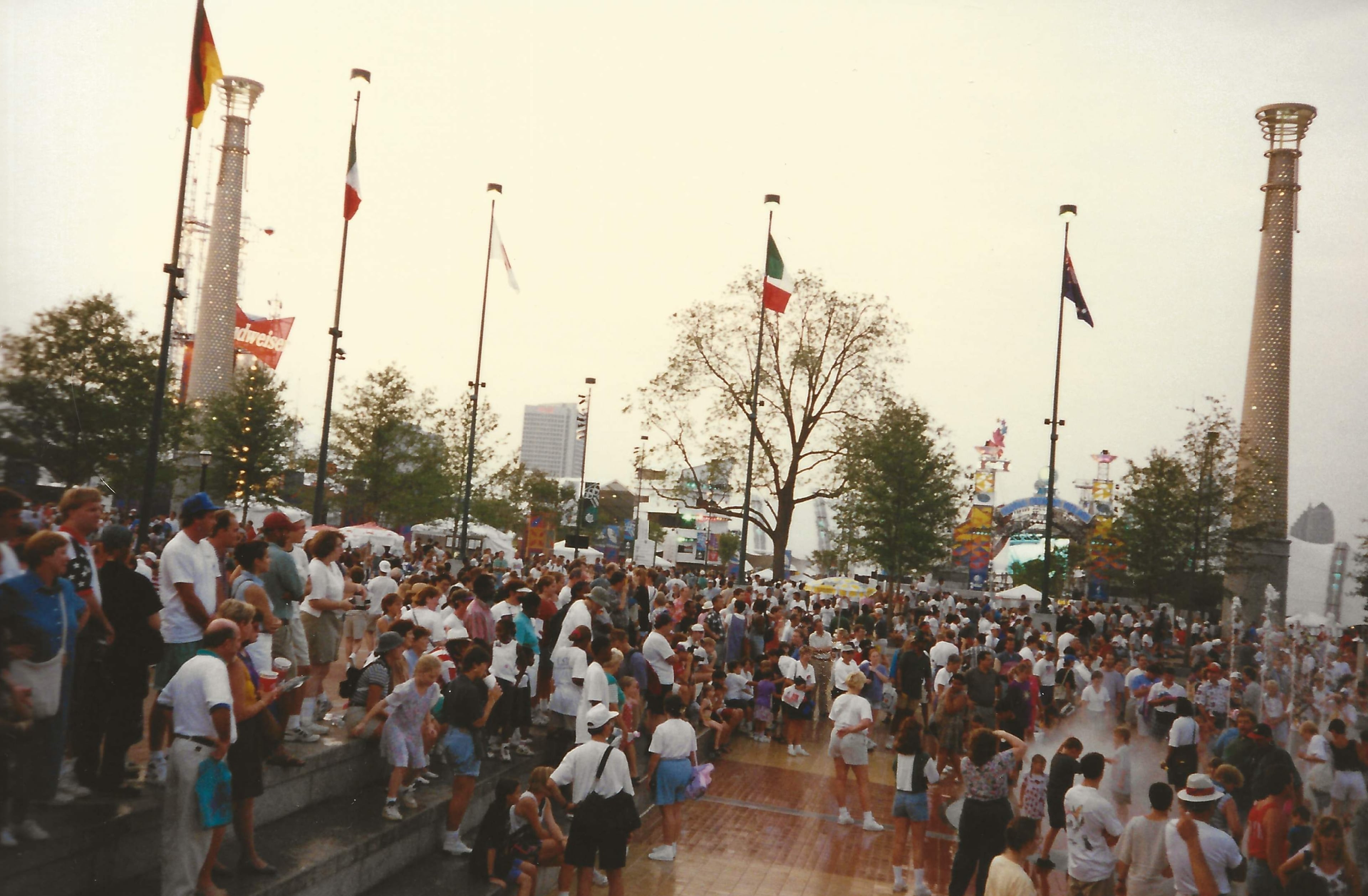
In the months leading up to the Games, Atlantans braced for heavy traffic. Employers staggered work schedules, commuters mapped alternate routes and many residents avoided the city altogether.
Instead, many remember the opposite.
“I worked across from Lenox Square,” recalled Kirstin McKinney. “Everyone was terrified about the traffic.” Her employer temporarily shifted office hours to avoid the expected congestion. Within days, it became clear the roads were surprisingly empty.
The surprises didn’t end there.
Like many young adults at the time, McKinney couldn’t afford tickets to the Olympic events. So when she and a friend found a street vendor selling seats for just $5 each, they assumed the tickets were probably counterfeit but decided the gamble was worth it.
Instead, the tickets were real.
After attending the women’s soccer bronze medal match at Sanford Stadium in Athens, Georgia, they discovered the tickets also admitted them to the gold medal game, where they watched the United States defeat China 2-1 to win the first Olympic gold medal ever awarded in women’s soccer.
The moments everyone remembers
For many, the Centennial Olympic Games arrived at a pivotal time in life. They were beginning careers, finishing college or simply finding their place in the world. Three decades later, they remember not only the excitement of the Olympics, but also the unexpected ways those two weeks influenced the course of their lives.
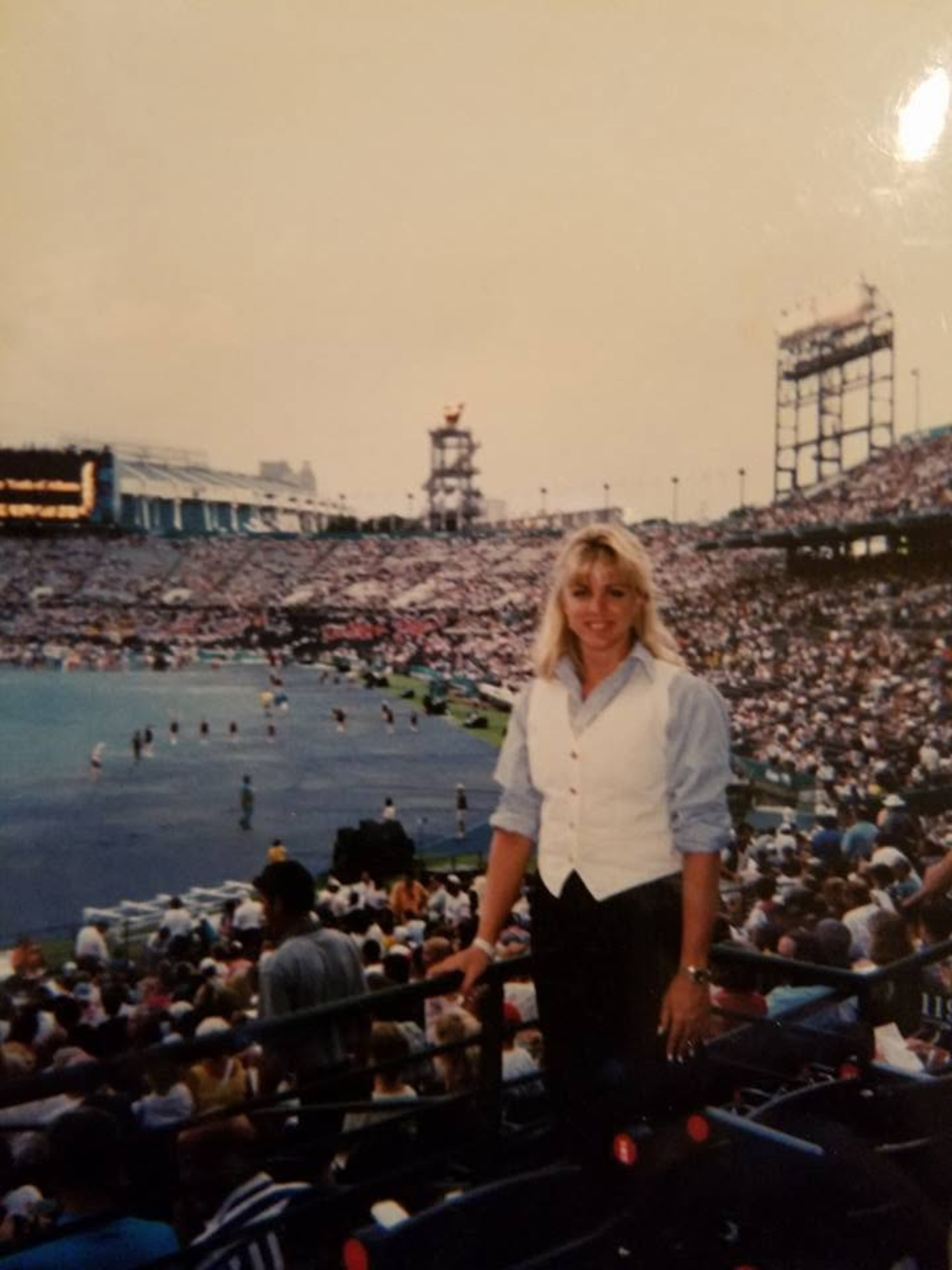
Athena Bitzis, now 54, of Stone Mountain, performed in the opening ceremony, portraying one of the muses in a segment honoring the ancient origins of the Olympic movement. The role carried special meaning because of her Greek heritage. For the lifelong dancer, working with choreographer Kenny Ortega was a dream come true. Yet, one memory still eclipses them all.
Watching Muhammad Ali slowly climb the ramp to light the Olympic cauldron remains, she said, “extraordinary” and “surreal.” Today, the memory still brings tears to her eyes.
“The din in Olympic Stadium stopped instantly,” she recalled. “I do not think anyone even breathed.”
Jessica Linden of Brookhaven volunteered for two years before the Olympics, helping prepare technology systems and later staffing an information booth near the wrestling venue. One of her most vivid memories came not while volunteering, but the morning after the Centennial Olympic Park bombing.
Her volunteer assignment had ended, and she looked forward to reading her morning newspaper at home. Instead, her newspaper never arrived. Delivery had been delayed as the city grappled with the tragedy, a small but unforgettable reminder that Atlanta’s celebration had changed overnight.
The legacy that lasted
In 2026, many of the people who experienced the 1996 Olympics measure those two weeks not by the events they attended, but by what happened next.
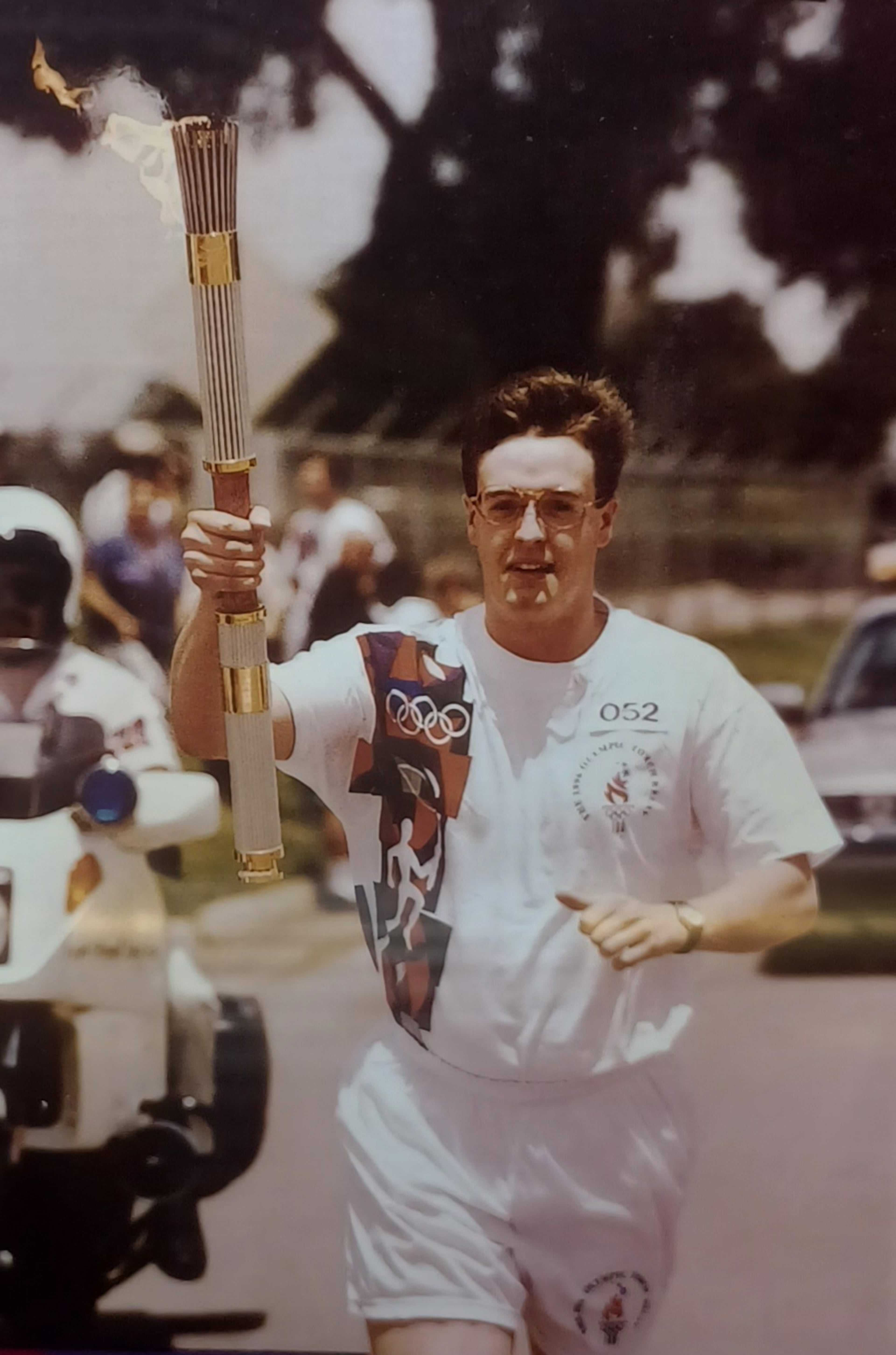
Nicholas Wolaver was an Olympic Village housing manager. He helped welcome athletes from around the world, even assisting them with the Olympic email system — one of 1996’s newest technologies. The Games launched what became a lifelong passion.
After his name was drawn to serve as an Olympic torchbearer, he went on to work, volunteer or attend every Summer Olympics since, building a life around the movement that first captured his imagination in Atlanta.
The Games also proved formative for Mike Lynch, then a Reebok marketing intern who worked on Olympic branding and with sponsored athletes from around the world. He still considers the experience one of the highlights of his life, including a unique keepsake sent to him by Reebok: an awards ceremony suit from the Russian Olympic team, which reminds him of the summer that helped launch his career.
Felicia Schlafer, now 58, had been visiting Atlanta regularly from Birmingham for years before the Games. Working in the radio industry at the time, she received tickets to the USA Dream Team basketball game through her station and took along her nephew, now in his early 40s. But it wasn’t just the game that stayed with her.
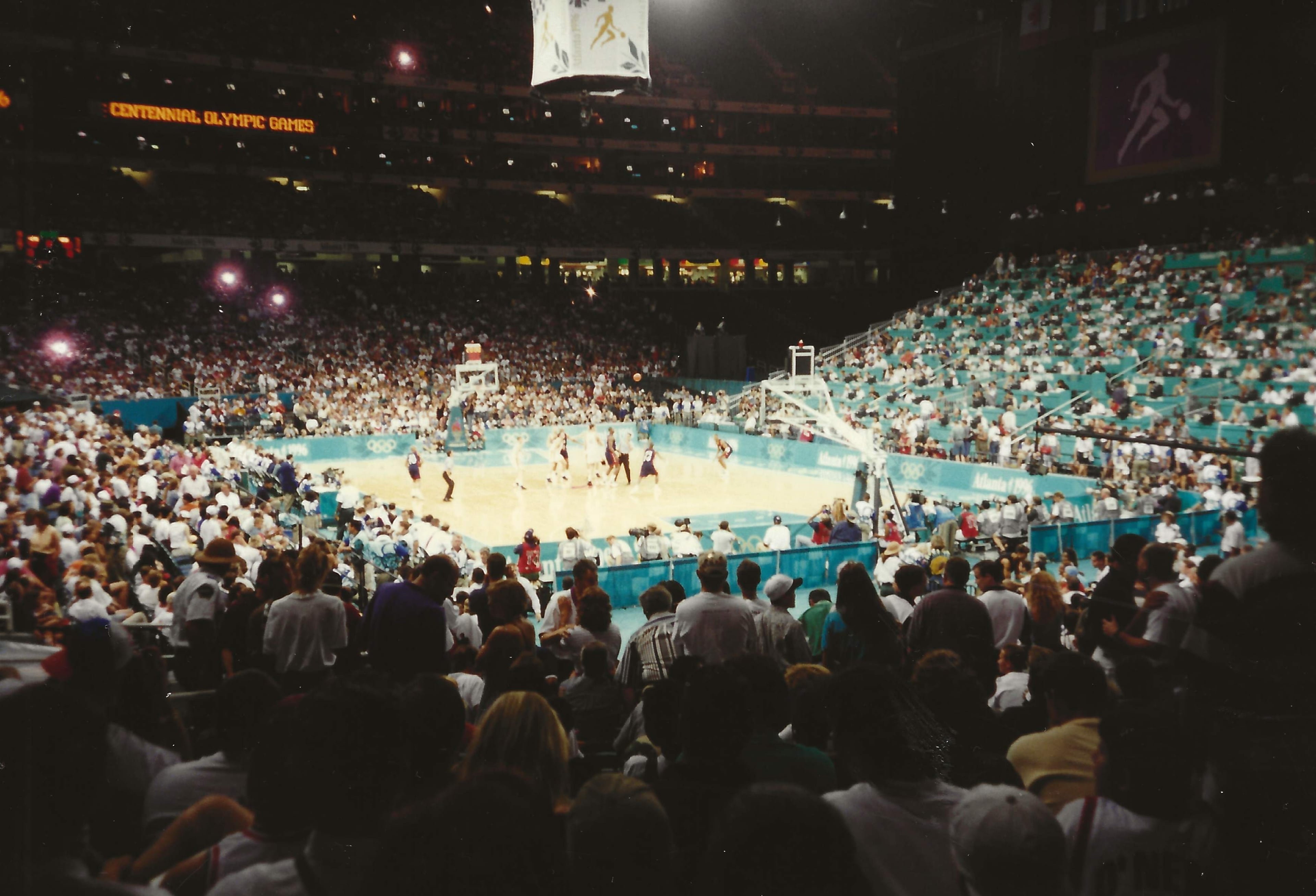
“The whole city was just electric,” she recalled. “I’ve never experienced anything quite like it before or since.” Walking through Atlanta that week, she realized something unexpected: “I don’t just love visiting here, I want to live here.”
Nine months after the Olympics, she accepted a new job, packed everything she owned and moved to Atlanta, where she soon purchased a home in Sandy Springs. She built a career, met her husband and raised two children in metro Atlanta. She now lives in Cumming.
“The Olympics didn’t just give me great memories,” she said. “They gave me my future.”
Heather Leo’s future also arrived unexpectedly during the final days of the Games. A college student interning with Georgia Agriculture ’96, she was staffing a pavilion in Centennial Olympic Park when an Australian visitor named Steve wandered over with a simple request.
“Tell me about your onions,” he said.
They talked for nearly two hours.
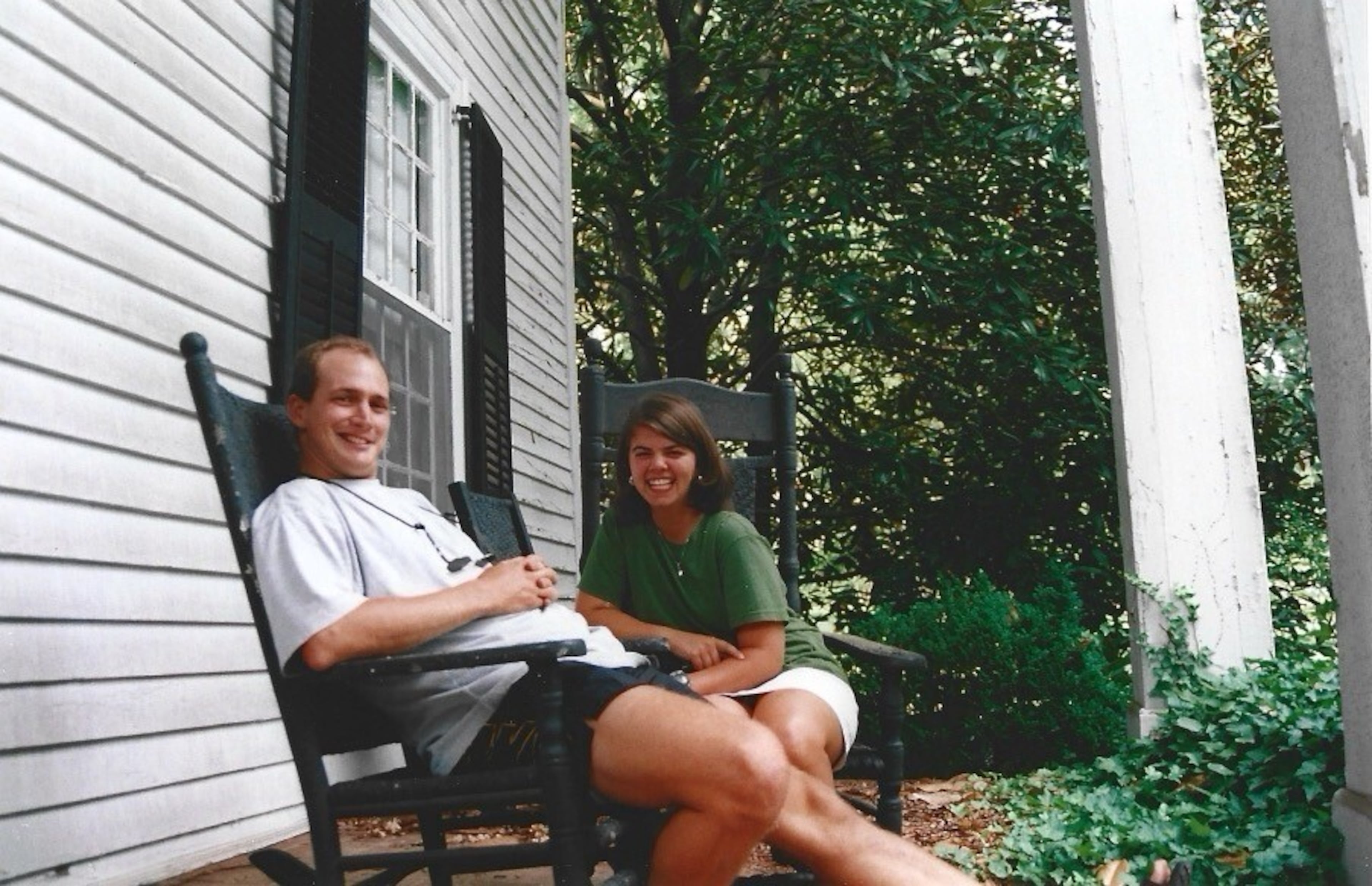
After working through the night dismantling the exhibit following the Closing Ceremony, Leo later realized she had agreed to meet Steve the following day. When she arrived at a MARTA station, he was nowhere to be found. Ready to give up, she headed toward her car just as he came running toward her, delayed by late transit.
That near-miss second meeting led to visits across continents, countless handwritten letters, expensive international phone calls and, eventually, marriage.
Today, nearly three decades later, the couple has two sons, one of whom now covers sports for The Atlanta Journal-Constitution, and they are preparing to welcome their first grandchild.
The Olympic flame was extinguished on Aug. 4, 1996, but for many Atlantans, the Games left behind much more than ticket stubs, trading pins and souvenirs.
They launched careers, inspired lifelong passions, convinced newcomers to call Atlanta home and even brought future spouses together. Thirty years later, the stories people tell most often aren’t about the medal counts or world records. They’re about the unexpected moments that quietly changed the course of their lives.