The pool isn’t just for kids. Here’s why adults are swimming for better health.
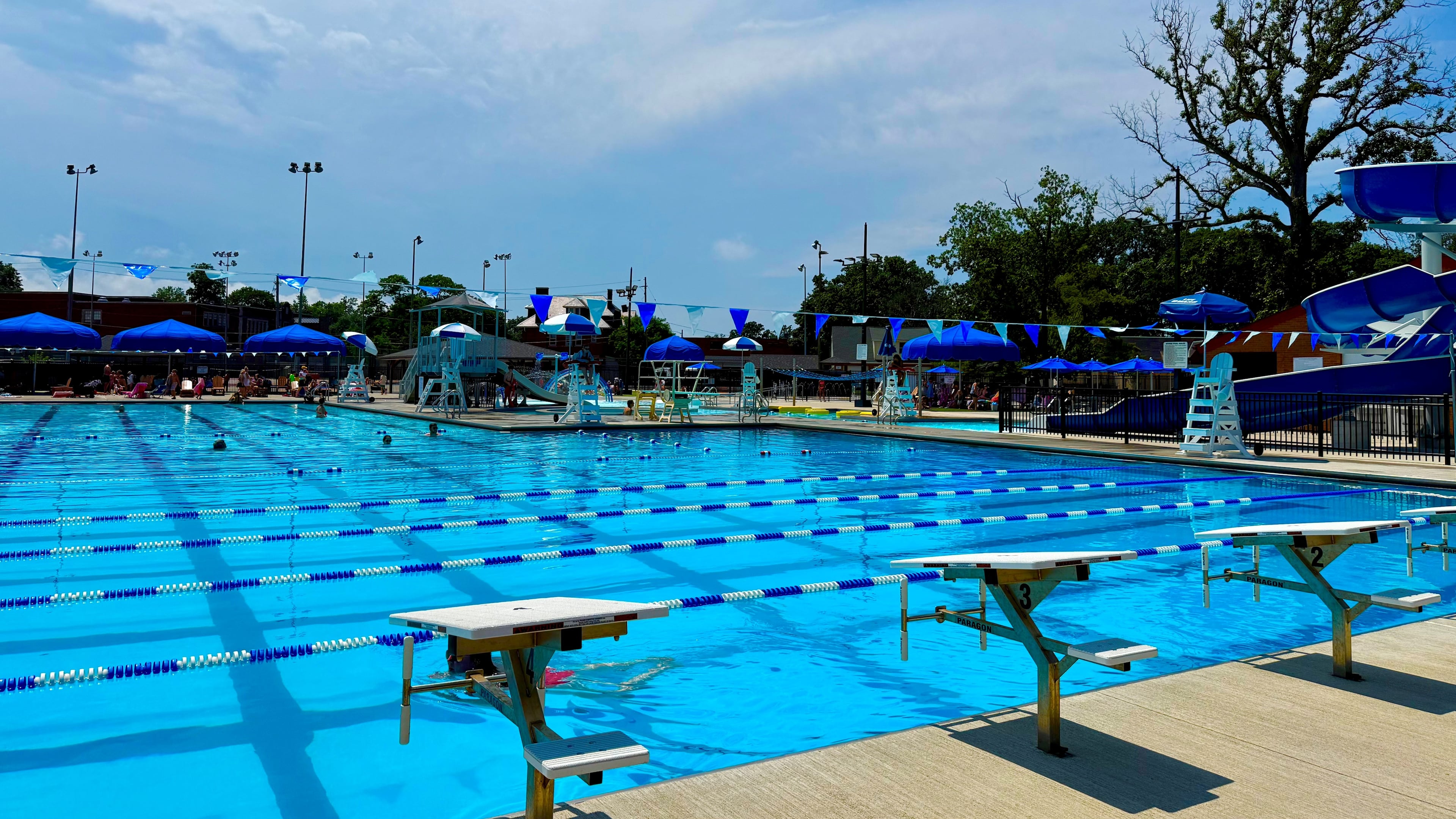
There’s a reason people often feel calmer after spending time in the water. Whether you’re swimming laps, walking in the pool or joining a water aerobics class, water-based workouts offer more than a cool way to stay active.
These workouts can reduce stress, improve sleep, strengthen your heart and muscles and provide a low-impact workout for nearly every stage of life.
Here’s a closer look at how time in the water can benefit your health.
Boost your mental well-being
Unlike many forms of exercise, swimming combines rhythmic movement, controlled breathing and the calming effects of water. Together, these elements can help ease stress while providing a full-body workout.
According to U.S. Centers for Disease Control and Prevention, regular physical activity, including water-based exercise, can reduce symptoms of anxiety and depression while lowering stress hormones. Swimming also stimulates the release of endorphins and serotonin, the body’s natural “feel-good” chemicals, which can help improve your mood.
A better night’s sleep
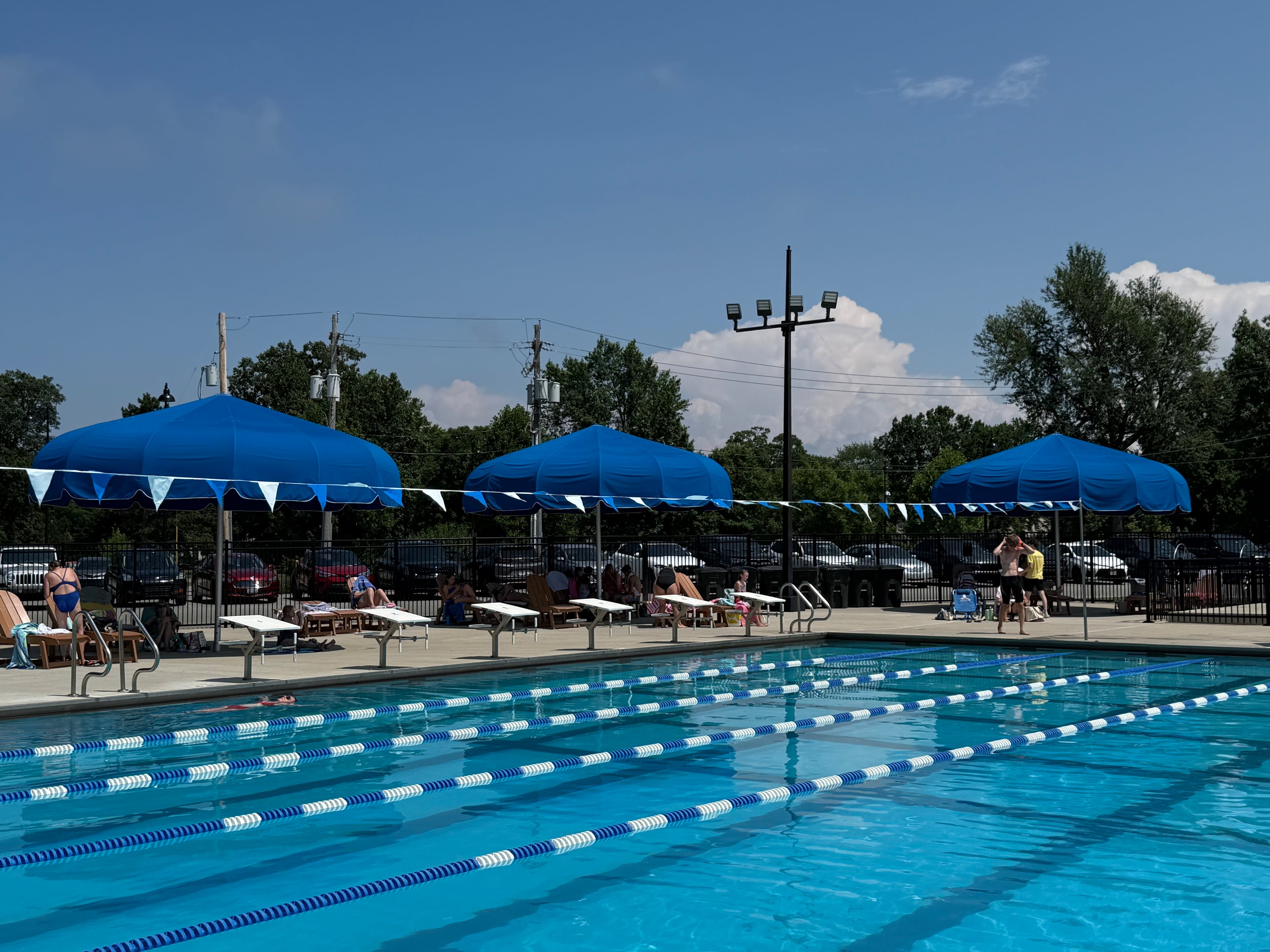
Another benefit of adding swimming to your wellness routine is better sleep, one of the most important foundations of overall health.
Research shows that regular aerobic exercise, including swimming, can help people fall asleep faster and improve sleep quality. However, because exercise triggers the release of endorphins that increase alertness, some people may find that an intense workout too close to bedtime makes it harder to fall asleep.
Dr. Charlene Gamaldo, a neurologist at Johns Hopkins Center for Sleep, states, “We have solid evidence that exercise does, in fact, help you fall asleep more quickly and improves sleep quality.”
A workout for everybody
Swimming provides a challenging workout without the pounding that comes with many land-based exercises. The buoyancy of water supports your body, reducing stress on your knees, hips, ankles and spine while still allowing you to improve your cardiovascular fitness and build strength.
If your goal is endurance, swim laps or walk through the water at a steady pace to keep your heart rate elevated. For a more intense workout, add short bursts of faster swimming, jogging or water exercises to build strength.
You don’t have to be an experienced swimmer to reap the benefits. Walking laps in the shallow end, treading water or joining a water aerobics class can all provide an effective workout. Water creates natural resistance in every direction, so even simple movements engage your muscles while the water’s buoyancy reduces stress on your joints.
You can also tailor your workout to target specific muscle groups. Walking lunges, high-knee marches and squats in shallow water strengthen the quadriceps, hamstrings, glutes and calves. To focus on your upper body, use a pull buoy between your legs while swimming laps. The buoy keeps your lower body afloat so your shoulders, back and arms do most of the work.
How swimming compares to other workouts
Swimming offers many of the same cardiovascular benefits as walking, cycling and running, but with less impact on your body. Because water supports much of your weight, it places less stress on your joints, bones and ligaments, making it a good option for people with arthritis or chronic pain, people recovering from injuries or anyone looking for a gentler workout.
Swimming also engages nearly every major muscle group. The natural resistance of water helps build strength while improving cardiovascular fitness. Depending on your body size, swimming stroke and intensity, a 30-minute swim can burn roughly 200 to 400 calories, making it a calorie-burning workout on par with many other forms of moderate to vigorous exercise.
A lifelong way to stay active
One of swimming’s biggest advantages is that it can adapt to your needs at every stage of life. Whether you’re recovering from an injury, staying active during pregnancy or looking for an exercise that’s easier on aging joints, water workouts can be adjusted to match your fitness level.
The CDC recommends swimming and other water-based activities as a safe way for older adults to stay active. It can play an important role in a well-rounded fitness routine, especially for people with arthritis or limited mobility.
The best exercise is the one you’ll keep doing. Swimming’s combination of accessibility, versatility and health benefits makes it an activity many people can enjoy well into older adulthood, regardless of their fitness level or experience.