The kids graduated. Now it’s the parents’ turn to embrace what’s next.
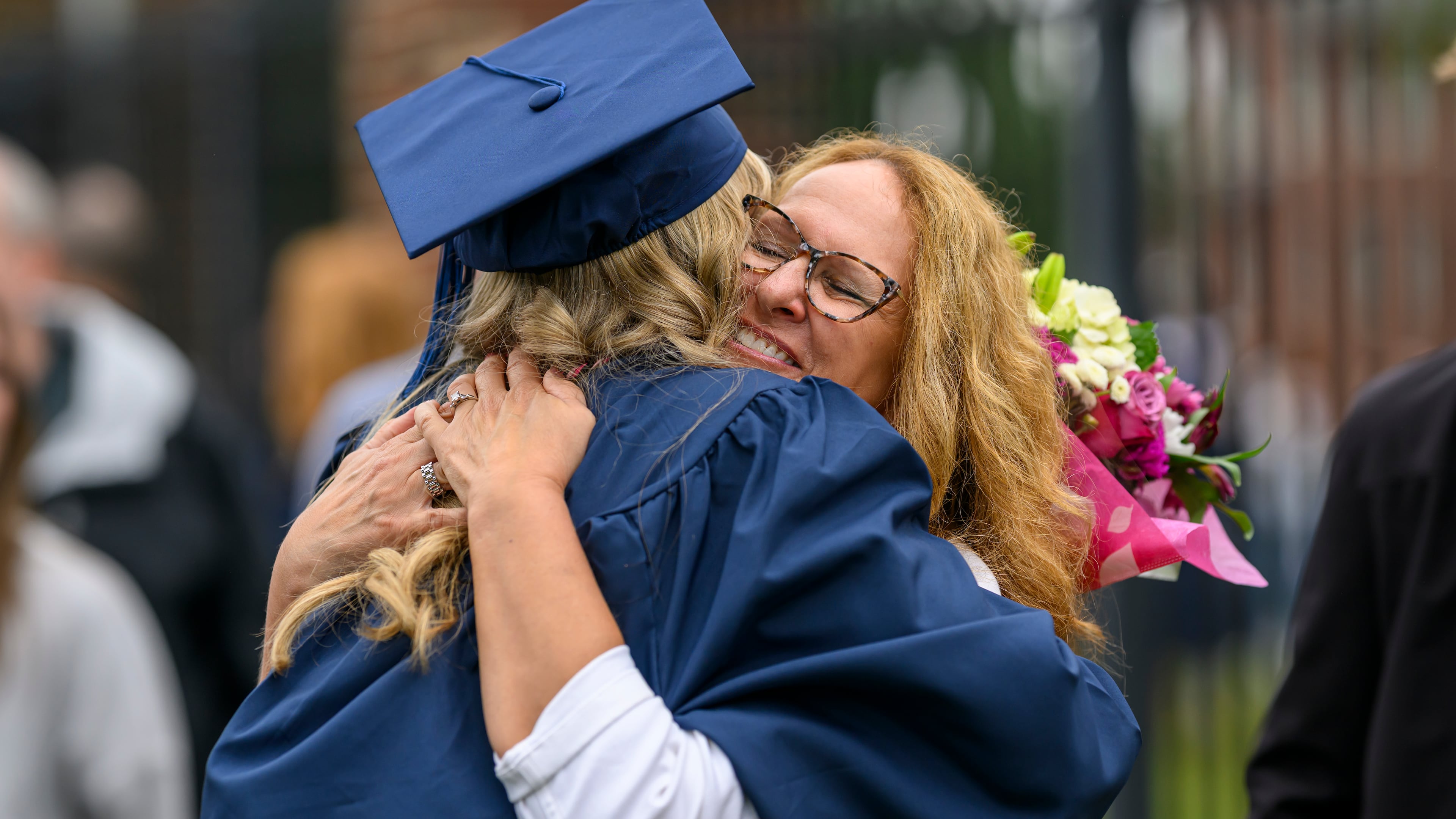
“I felt like it was a moment of us both walking across that stage,” said Kelli Potter.
Her daughter, Chloe Bush, graduated from North Atlanta High School in May, and she says it still feels surreal.
“I was so emotional and so proud my baby girl did it,” Potter told The Atlanta Journal-Constitution, recalling what ran through her mind as she watched her firstborn receive her diploma.
More than 100,000 students graduated from Georgia public high schools this past spring, according to projections from National Center for Education Statistics. Behind nearly every one of them is a parent or guardian navigating a milestone nobody hands out diplomas for: their child becoming an adult.
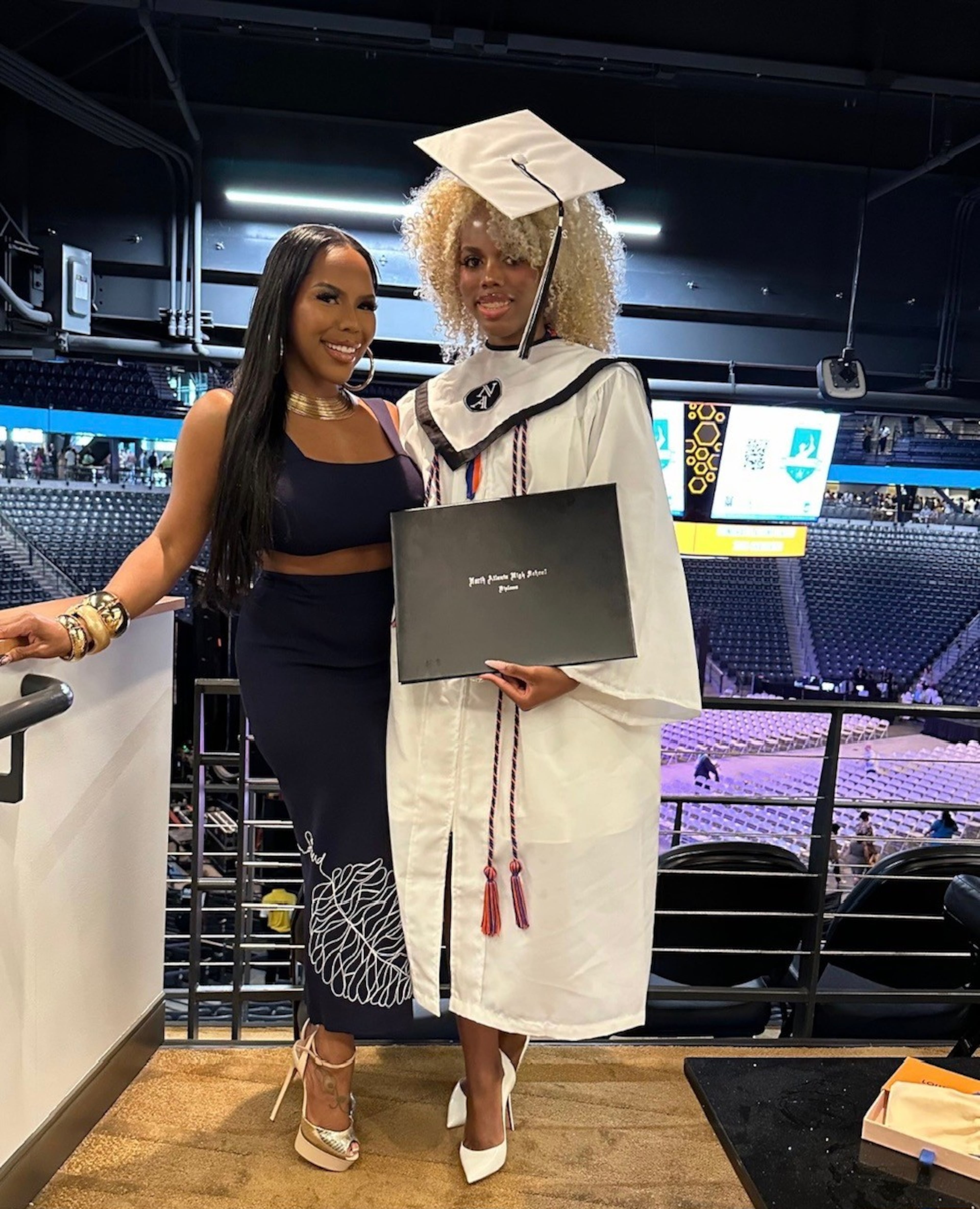
“As I watched Chloe walk across that stage, I found myself thinking about how quickly the years have gone by,” Potter said. The business owner, chef and Bravo’s “Real Housewives of Atlanta” cast member said it was one of the happiest days of her life but in some ways, the scariest.
“Overwhelming pride and joy seeing her accomplish such an important goal. At the same time, there was a little bit of disbelief that we had reached this moment so quickly,” Potter said.
Making room for mixed emotions
Mental health experts say the swirl of emotions that come with a child graduating can be complicated, with parents often feeling pride and grief, excitement and dread, all at the same time. They reassure patients that these mixed feelings are not only common, but a normal part of the transition.
“It’s important to understand this is a both-and situation,” said Aven Barbosa, a counselor with Key Counseling Group in Atlanta. “You can be happy for your child to fly the coop, grow, and learn new things, but you can also feel grief for what was.”
A U.S. Surgeon General’s advisory found 48% of parents say their stress feels completely overwhelming on most days, compared to 26% of other adults. However, the emotional toll when the day-to-day demands of parenting suddenly end isn’t often talked about.
Barbosa said the year leading up to graduation often stirs something deeper than logistics.
“While it seems to be about the child leaving home, the transition can trigger some deeper attachment wounds,” she explained. Questions about purpose, identity, closeness and feeling needed usually begin to surface.
Many parents feel ashamed for struggling at all because they want their children to succeed. But when a child leaves the household, “all of this emotional energy exists with nowhere to go, which can be a bit of a reality check,” Barbosa told the AJC.
Christie Simons, a marriage and family therapist and co-founder of Atlanta Angels, a nonprofit supporting foster families, said even parents thrilled for their graduates should expect some turbulence.
“All change is uncomfortable,” Simons said. “Even the very best changes come with some negative emotions.”
Potter knows her daughter Chloe’s next chapter is beginning. This fall, the 19-year-old will attend nearby Spelman College, where she plans to study economics and law. Even though Chloe will remain in the city, Potter said she has had to prepare for what it means to no longer have her daughter living under the same roof.
“It’s been emotional in ways I didn’t fully expect,” she said. “As parents, we’re constantly focused on helping our children grow and prepare for the future, but when those moments actually arrive, you realize you’re transitioning too.”
What is empty nest syndrome?
What many people refer to as “empty nest syndrome” is a transition that millions of parents experience. While it’s not a clinical diagnosis, Simons said, the emotions behind it are real.
For some parents, this next chapter may bring feelings of sadness, loss or uncertainty. Others may experience anxiety about their child’s safety or struggle to find a new sense of purpose after years of prioritizing parenting.
Experts say communication is a major aspect of combating the symptoms and maintaining connection between parent and adult child. Pew Research Center found 73% of parents text their adult children at least a few times a week. However, while texting is a great form of communication, Simons said face-to-face time and phone or video calls matter more once a child leaves home.
“Constant contact does not equal connection,” Simons said. “Texting does not activate the same parts of the brain that face-to-face or even voice calls do.”

Marietta-area father Reginald Leonard, a federal investigator for the Department of Labor, agrees that communication is paramount when children leave the home. He has now sent three daughters off to college.
“I knew that my girls were very grounded, very rounded, very respectful to others and also respectful to themselves,” he said. “Because of the foundation that they received at home, that’s what made them successful in school.”
However, he admits the first goodbye nearly undid him.
“It was an extremely scary, emotional moment,” Leonard shared. What carried him through, he said, was trusting what he and his wife had already built. His advice for parents sending a child off this fall is to prepare them to stumble.
“Let them know that if they fall, they can easily get back up,” he said. “It’s OK to fail at some point. Dust yourself off and start back over.”
Simons agrees. She warns against what therapists now call “snowplow parents,” who clear every obstacle from a child’s path. Children raised that way, she said, enter adulthood without the resilience that comes from failing, making mistakes and figuring out things on their own.
Embracing the next chapter
For parents currently navigating the transition of a child leaving home for college, both experts offered the same advice, which is to not be so hard on yourself.
“I encourage my clients to approach this stage with curiosity and not self-criticism,” Barbosa said. “They’re not losing their role as a mother. It’s expanding, because there’s so much more to being a mother to young adults.”
Simons encourages parents to look forward rather than dwell on what has changed. She says focusing on hobbies, relationships with their partners and friends, or involvement in their communities can help create a renewed sense of purpose beyond parenting.
“Having something to look forward to, as opposed to just focusing on what was lost, can have a profound impact,” she said. “Know that whatever you feel is OK.”
As Chloe prepares for college, Potter is learning that letting go doesn’t mean losing the connection they’ve built. Instead, she sees it as an opportunity to watch their relationship evolve.
“I’m looking forward to watching her make her own decisions and develop into the woman she’s meant to be,” Potter said.