Is soccer really one of the healthiest sports? A Georgia doctor weighs in.
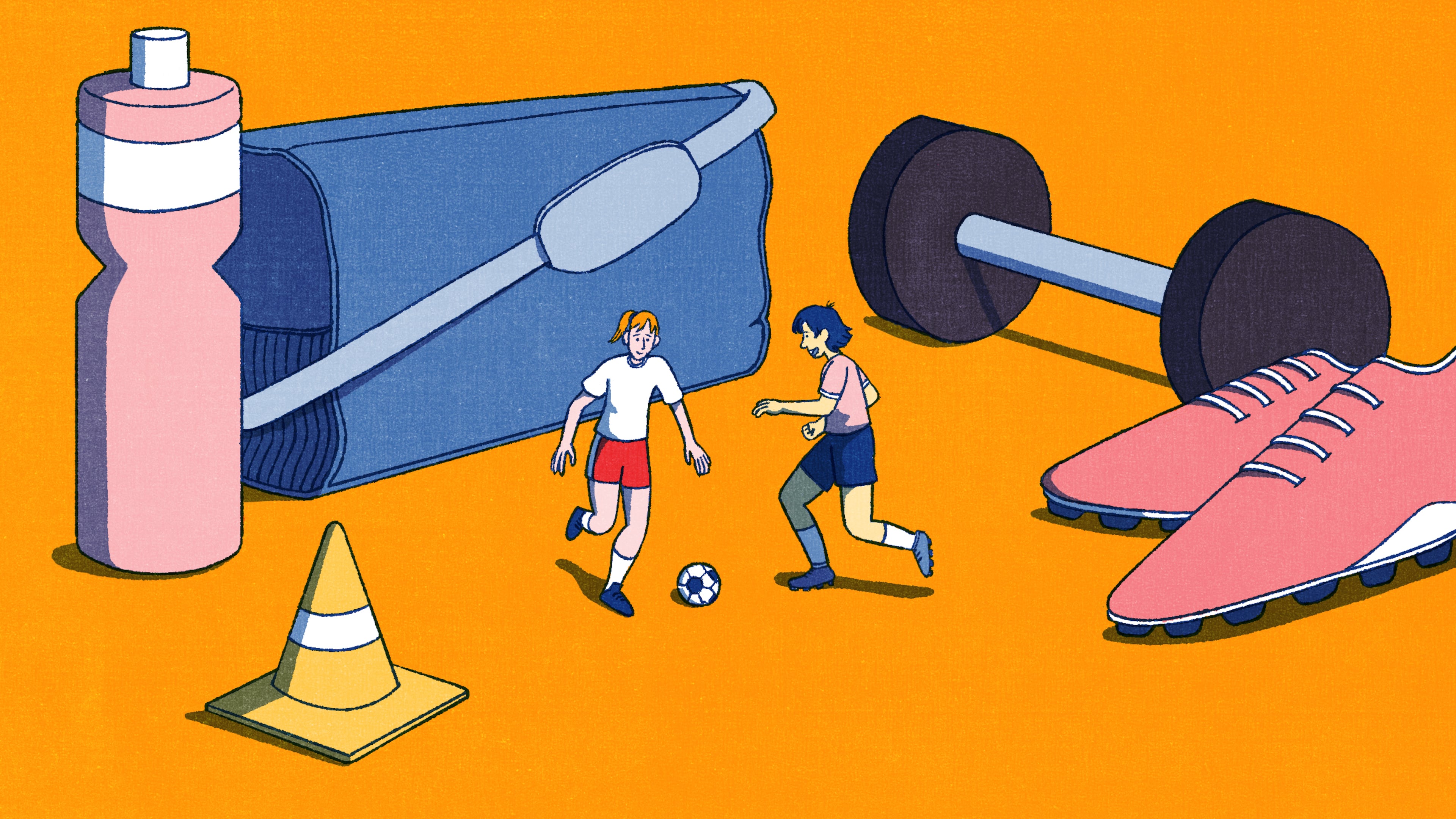
The excitement surrounding the 2026 FIFA World Cup has inspired many fans, from former players to beginners, to slide into a pair of shin guards and start playing the beautiful game. Doing so could have health benefits greater than participating in other recreational sports or fitness activities.
Dr. Felipe Lobelo, an associate professor of global health at Emory University’s Rollins School of Public Health, is the founder of Soccer for Health, an evidence-based program that delivers health interventions to children, adults and patients through soccer.
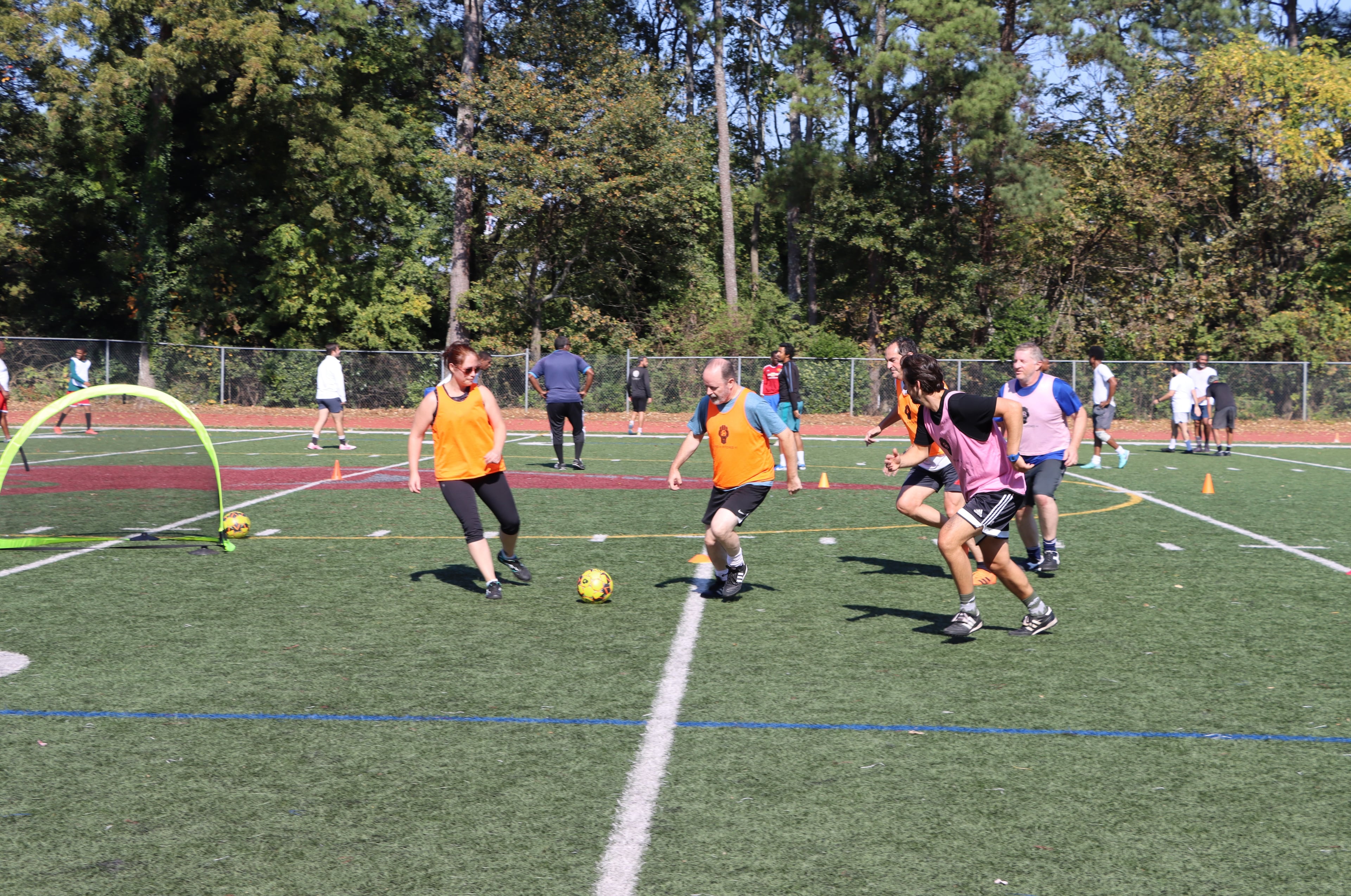
The team’s latest study, Heart Health United, supported by the American Heart Association, recruited Atlanta-area adults between ages 40 to 65 to take part in a recreational soccer program twice a week to monitor for improvements to their cardiovascular health.
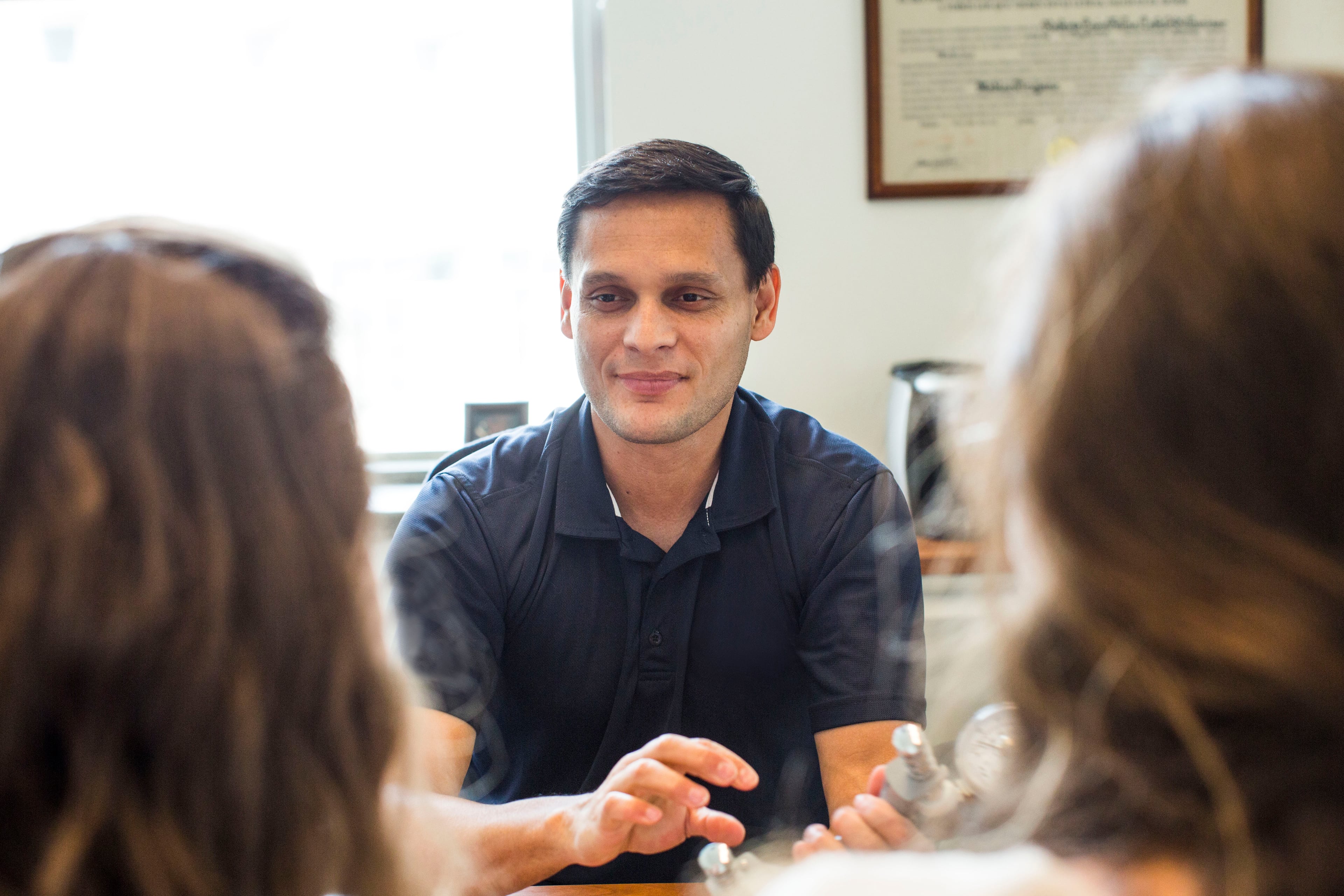
Lobello explains why soccer is such an efficient form of exercise and what the World Cup could mean for adults looking to get active.
Q: Why did you begin incorporating soccer into your public health research?
A: The health benefits of soccer have been very well studied, but we wanted to move beyond controlled academic studies and see whether the health benefits of soccer could be delivered at scale in everyday environments.
We started taking evidence from earlier clinical trials and applying it to different populations, including groups focused on diabetes prevention, cancer recovery support, and cardiovascular health improvement.
The goal was to test whether a recreational sport like soccer could be used not just in a lab or university setting, but in community leagues and grassroots programs where people already gather. This shift allowed us to evaluate both feasibility and impact in real life.
Q: What makes soccer a more efficient form of exercise than other activities?
A: Soccer is highly efficient because it combines endurance, strength, agility, coordination and cognitive demands in one continuous activity.
During play, participants are constantly switching between jogging, sprinting and directional changes, which creates cardiovascular conditioning similar to structured interval training. The sport also includes jumping and physical loading that benefits bone density and muscular strength.
Unlike isolated gym exercises, soccer naturally integrates these elements in a dynamic and enjoyable environment. This efficiency means participants get a wide array of diverse health benefits, which is particularly important for adults who may have limited time for structured exercise programs.
Q: What did your recent study cohort show in terms of the cardiovascular benefits of recreational soccer?
A: We saw steady improvements in a short period of time for most of those participants who came to play soccer.
After 12 weeks, we detected modest improvements in various areas, including blood pressure and cholesterol reductions, weight loss and BMI reductions, improved diets, higher participation in other physical activities outside of soccer sessions and improved strength and agility.
Q: Why might recreational soccer be particularly beneficial for middle-aged adults?
A: This group sits at a critical point in cardiovascular health development. Many individuals between the ages 40-65 begin to show risk factors such as hypertension, prediabetes, and elevated cholesterol. They are also often less physically active than in earlier life stages, frequently due to work and family responsibilities.
This group also has an important window of opportunity where lifestyle changes can still significantly reverse or reduce disease risk.

Q: Do the benefits of playing recreational soccer extend beyond physical health?
A: Yes, we consistently observed mental health benefits alongside physical health improvements. Participants report reductions in anxiety and depression symptoms, along with improvements in sleep quality and overall quality of life.
We also measured increases in perceived social support. These outcomes are important because they suggest that recreational soccer is not only a physical health intervention, but it also appears to play a key role in improving mental well-being and combatting the isolation and loneliness we increasingly see among all segments of the population.
Q: Could the FIFA World Cup 2026 lead to more adults experiencing the health benefits of soccer?
A: The World Cup represents a major opportunity to increase public interest in soccer participation, especially in cities like Atlanta. We hope it serves as a catalyst for long-term engagement in recreational soccer, not just in youth, but across all ages.
Increased visibility can translate into more community programs, more facilities and more participants. We also hope it encourages people who have not played since youth to re-engage with the sport.
The timing is ideal for linking global excitement with local public health initiatives and we have started to collaborate with U.S. Soccer and other local and national soccer stakeholders to help inform and implement the World Cup 2026 health legacy in Atlanta and nationwide.