Discover birding in Georgia, one walk at a time
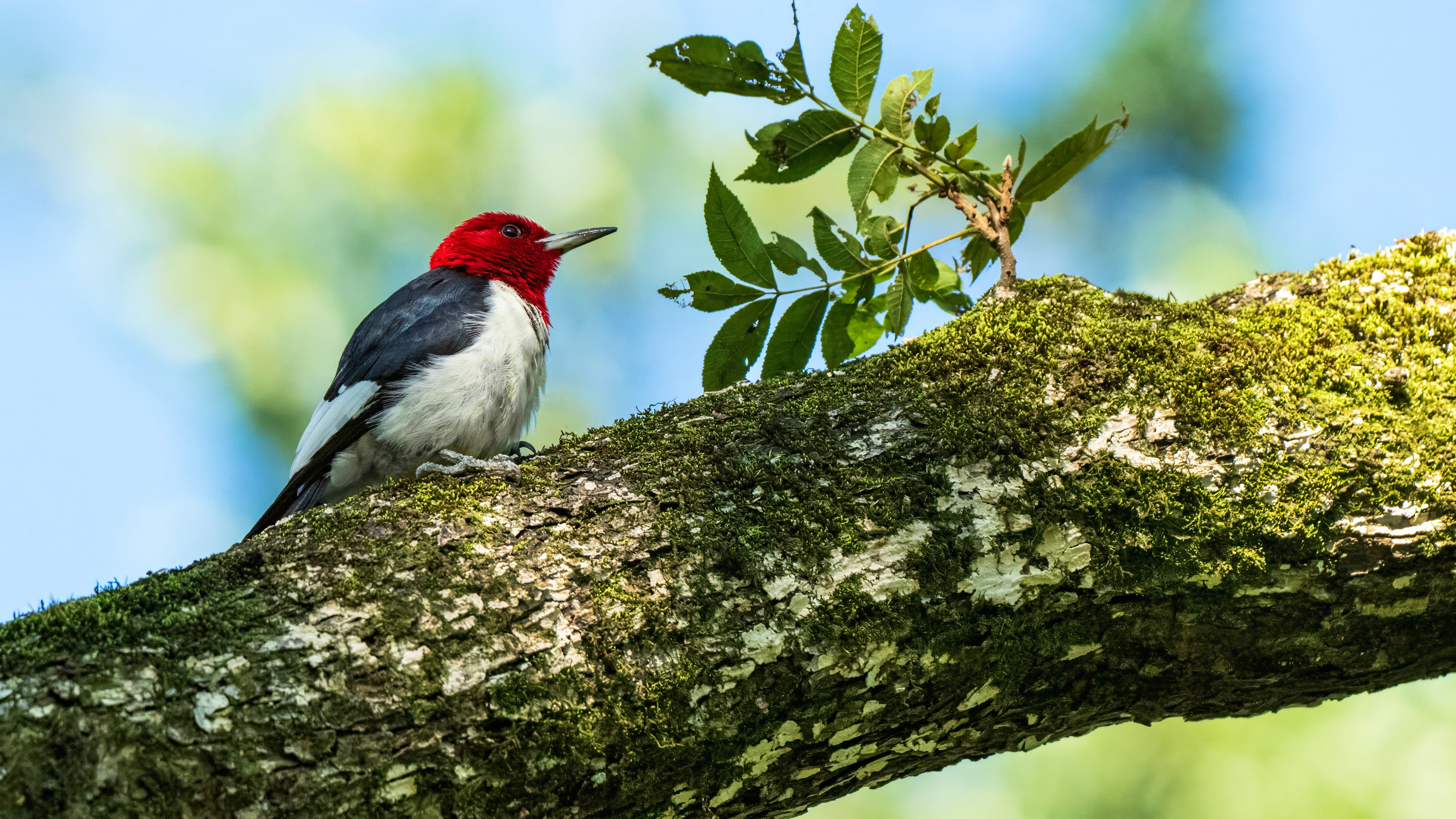
Birding is growing in popularity across Georgia, where backyards, parks and green spaces offer opportunities to spot everything from soaring raptors to colorful song birds.
“There are so many things to love about birding,” Brooke Michael, communications coordinator at Birds Georgia, told The Atlanta Journal-Constitution. “Once you start to notice birds, you’ll see them everywhere.”
While birdwatching typically refers to casually observing birds, birding is a more intentional and accessible hobby focused on identifying species and learning about their behavior. Both are beginner-friendly and simply require a little curiosity to get started.

Equipping yourself
“At its core, birding requires zero equipment. You can bird by sight, by ear or both,” Michael said. However, she added that a good pair of binoculars can help.
When it comes to identifying the birds you hear but don’t see, the Merlin Bird ID app can single out each bird’s unique sound to tell you who’s close by. For those who want to build their bird knowledge quickly, the app can be very helpful.
“Merlin really helps speed up the learning process and makes it’s easier for you to put names to the birds you see and hear every day,” said Kathi Borgmann, Ph.D., communications manager at the Cornell Lab of Ornithology. “It’s also super helpful to people who are visually or hearing impaired because Merlin can be your ears, listening in to who is singing and returning a name.”
Building a birder community
While you can spend hours birding on your own, it doesn’t have to be a solo activity. Several organizations offer guided tours and group walks across the state — including Birds Georgia, which hosts free field trips throughout the year.
“We typically have a mix of experienced birders and newcomers, and our bird walks are led by volunteers who have graduated from our Master Birder program,” Michael said.
Birds Georgia also helps participants choose outings that match their comfort level. Each field trip description online notes whether a walk is ideal for slow-paced beginners or includes a steeper, more uneven terrain.
Once you’ve found a trail that fits your abilities, timing your outing can make all the difference.
“In North America, spring and fall are some of the best times, because birds are migrating from their breeding grounds to their winter homes, giving you the opportunity to spot more birds,” Borgmann said.
Where to go
From mountains to coastline, Georgia offers a variety of unique habitats for birds. For key information on top birding locations across the state, the Georgia Birding Trail website can help you prepare.
Created in honor of Birds Georgia’s 100-year birthday, the Georgia Birding Trail is a network of locations picked based on accessibility, amenities and wildlife viewing potential, including habitats such as Murphey Candler Park and Reed Creek Park.
“We’re continuing to add more sites to the trail, with the goal of having a site in every Georgia county,” Michael said.
What birds you might see
Depending on where you are, different birds become more common. Red crossbills, warblers, northern bobwhites and American kestrels might be spotted once you leave more populated areas. While along the coast, you might see birds like egrets and herons.
“Some of the most common backyard birds around Atlanta include the American robin,” Michael said. “You’re also likely to see or hear Carolina wrens, blue jays, northern cardinals, brown thrashers, chickadees, chipping sparrows, eastern bluebirds, brown-headed nuthatches, downy woodpeckers and eastern phoebes.”
Woodpeckers, owls and raptors are also out and about close to home, but might be harder to spot. You may, however, be able to hear them moving through the trees.
The bonus of birding
For many birders, a growing appreciation for birds naturally leads to a desire to protect them. Michael shared that even small actions can help.
“Most conservation efforts involve simple actions anyone can take: planting native plants, treating reflective glass and windows, turning off nonessential lights overnight and keeping cats indoors,” Michael said.
This connection begins simply by noticing the birds around you.
“I think it’s so fun to learn all the names of the birds that share your space. I feel like I have a relationship with ‘my’ birds,” Borgmann said. “It’s also fun to watch birds in the same spot every day or every week, and see how things change over time. You’d be surprised by what you notice.”