Apocalypse, aging and a fresh take on growing older from playwright Ali Viterbi
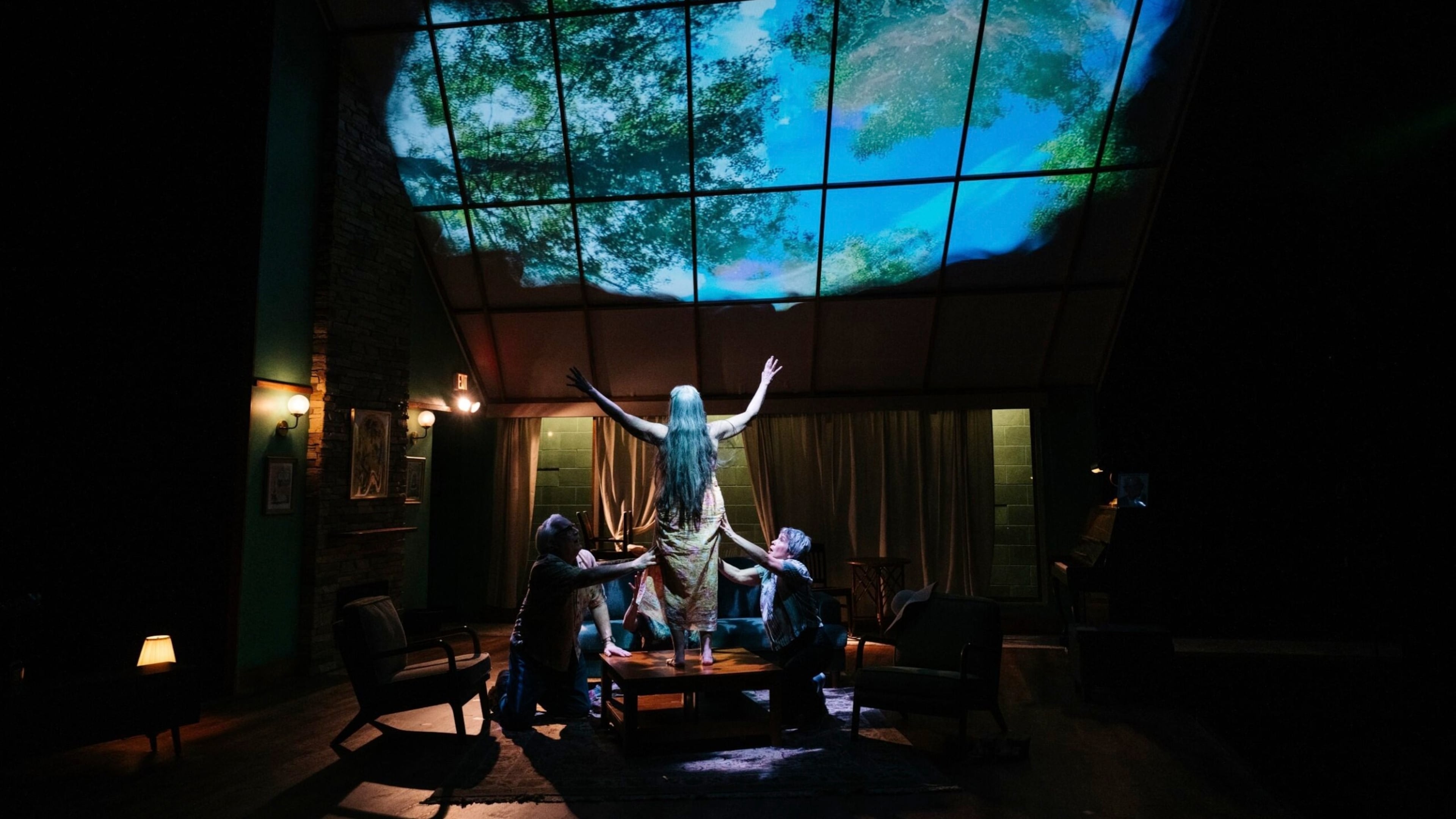
Atlanta-based playwright Ali Viterbi’s childhood in San Diego afforded her often daily contact with her grandparents.
“I really grew up with my grandparents as my best friends, and I thought that that was normal,” said Viterbi. “And I grew up believing that caring for our elderly and telling their stories was kind of my life’s mission.”

Her play “The World to Come” was inspired by her love and respect for the elderly and a sense of how they are often overlooked or underestimated. On July 30, the play will be performed as a staged reading at the Breman Museum & Cultural Center, directed by Mira Hirsch, who founded the Jewish Theatre of the South.
“The World to Come” has a genre-bending tagline, “a coming-of-age story set in a nursing home.” The work centers on four residents Fanny, Barbara, Ruth, and Hal of the SeaBreeze Hebrew Home for the Aging and how their existence, telling stories, playing games, falling in love, is suddenly set against the world outside of the nursing home falling apart.
Viterbi started writing the play in San Diego, and then COVID hit. Suddenly, she was in a bubble with two of her grandparents and so had an immediate reference for the cadence, the thoughts and word choice of her elderly characters. Horrific news stories about hospitals making choices about who received treatment began to shape her story.
“It really felt like, in some ways, the world was ending,” said Viterbi. Her friends were equally freaked out.
But her grandfather Andrew Viterbi had a very different perspective, somewhere between fatalistic and hopeful. He told her, “What is left of my lifetime is more limited than most, but I am optimistic for my progeny. We don’t know what the future will bring, but I can’t imagine a scene as dark as what we were subjected to over 80 years ago in Europe.”
“So I was excited to tell an apocalypse play about senior citizens,” said Viterbi of the story’s genesis.
“I realized that it was actually a play about how the most transformational years of your life can happen at the end of your life. Just because society writes you off after a certain age, it doesn’t mean that you can’t have these impactful, meaningful, joyous, even sexy moments later in life. So that really is what the play became for me,” said Viterbi.
Though we tend to think of coming of age as a phenomenon of our younger years, Viterbi, 33, said that that kind of transformation can happen at other times of life too. “I’m finding, you know, in my 30s, that becoming a mom made me come of age all over again,” she said of raising her now 16-month-old daughter.
“The World to Come” opens with a boisterous tone, full of tart, joshing dialogue between the three women and one man who congregate every evening in a group they call the Supper Club to play board games and talk. It’s a familiar rhythm that suddenly veers into the surreal when apocalyptic details begin to intrude on their staid existence.
“The thing I love most about this play is how unexpected it is at every turn,” said Hirsch. “I mean, you begin by thinking you’re watching maybe a light comedy about four seniors in an aging home in Southern California, and slowly it becomes something that you just never imagined.”
“The World to Come” is also an opportunity for actors to play older characters with some depth and complexity. The Breman reading features Atlanta actors Pamela Gold, Rivka Levin, Clayton Landey, Mary Lynn Owen and Russell Scott.
“Characters get to be in the fullness of their humanity and not just relegated to like someone’s wise grandparent,” said Viterbi of a play that actors have told her is especially wonderful to perform because of that unconventionality.
“It showcases older people in a light that we don’t usually see,” said Hirsch.
Viterbi said she knew she wanted to be a playwright from the age of four when she performed in the musical “Annie Get Your Gun.” Stories and theater were important in her home.
“My grandmother was a Holocaust survivor and a masterful storyteller, and I just really learned a lot about how to tell stories and the power of them.”
Though the idea of heaven and hell is not part of secular Jewish beliefs, several ancient Jewish texts talk about an afterlife, or the Olam Haba (“world to come”). Viterbi dug deep into that lesser-known idea in crafting “The World to Come.”
“Part of the inspiration also for writing this play was wanting to understand more deeply this part of Jewish liturgy,” she said. Viterbi’s plays, like a new one, “Linguicide,” about the Jewish language of the Sephardic Jews, often foreground the Jewish experience. “I think it’s really important to share complicated, relevant, new Jewish stories that are not just kind of recycling the nostalgia of the Jewish past.”
“The World to Come” is only Viterbi’s second performance in Atlanta after moving to the city three years ago when her husband became a professor of psychology at Emory. Her “Suicide Rom Com” was presented in another staged reading at Emory’s Brave New Works in January of this year. Viterbi will be teaching playwriting at Emory beginning in 2027.
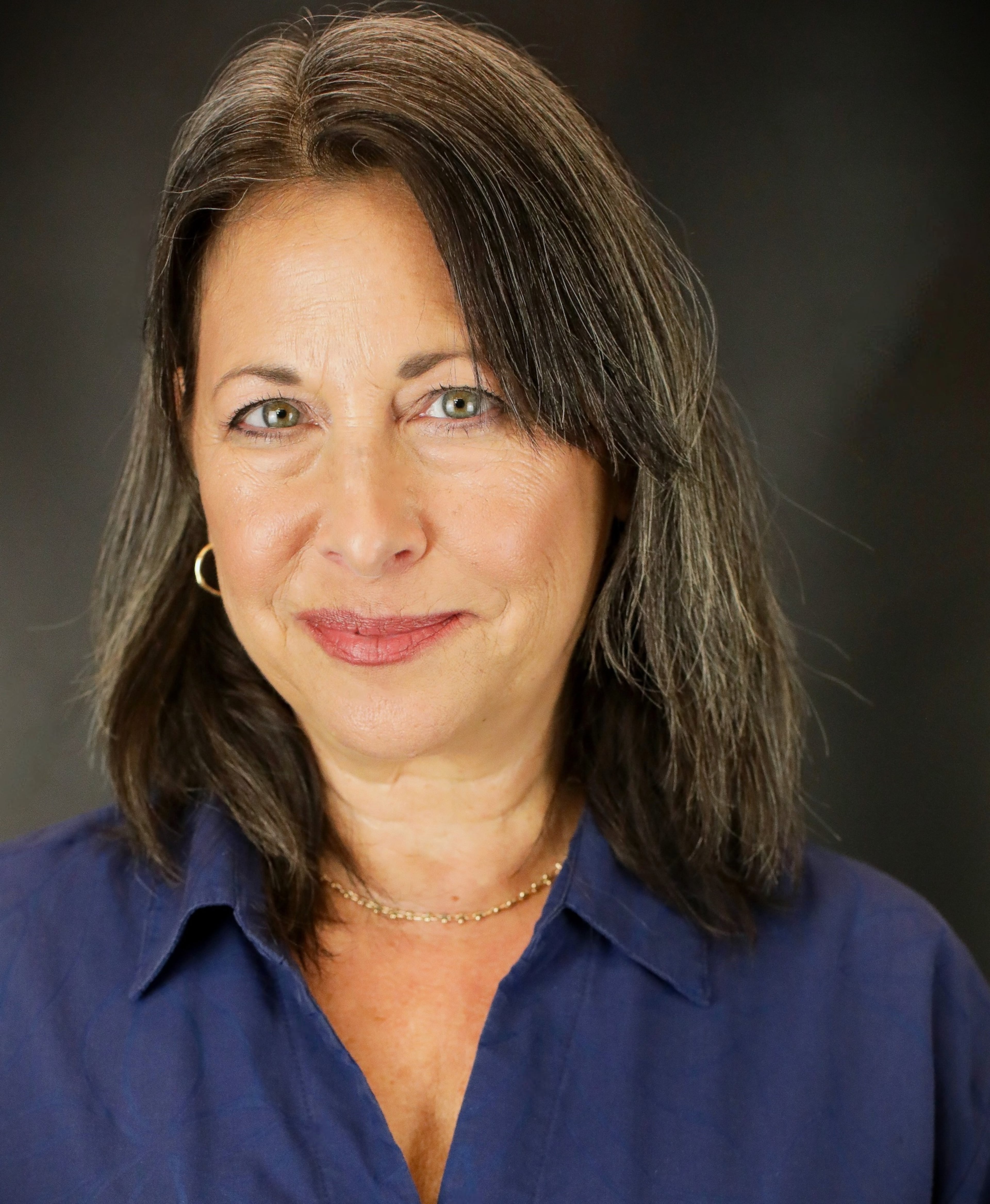
Hirsch is thrilled to highlight Viterbi’s work at the Breman.
“Hopefully, this is not only going to entertain audiences, but introduce our own theater community to the work of a really talented playwright who’s right here in our midst,” said Hirsch.
Though a staged reading lacks the costumes, sets, music and other filigree of a theatrical production, there are advantages, said Viterbi.
“In a reading, that work of the imagination is done by the audience, and so I think there is something particularly magical and special that invites the audience into the process.”
IF YOU GO
“The World to Come.” July 30, 7-9 p.m. (Light refreshments and beverages at 6 p.m.) Free with registration. The Breman, 1440 Spring St NW, Atlanta. 678-222-3700 thebreman.org