4 sunscreen mistakes dermatologists want you to stop making


You remembered the sunscreen before stepping outside, yet somehow you still ended up with sore shoulders or peeling skin. In many cases, the sunscreen isn’t the problem. The way it’s applied, how much is used and when it’s reapplied can make all the difference.
The timing is especially relevant as Americans will soon have another sunscreen option. In June, the U.S. Food and Drug Administration approved bemotrizinol — the first new active sunscreen ingredient added to the agency’s over-the-counter sunscreen monograph in more than 20 years. The ingredient, which has been used in Europe and other countries for years, provides broad-spectrum protection against both UVA and UVB rays.
But even the most advanced sunscreen can’t do its job if it isn’t used correctly. Dr. Jessica Mercer, co-managing partner of Georgia Dermatology Partners and director of dermatopathology, said she frequently sees patients with concerns about skin cancer or reactions to sun exposure, many of whom unknowingly make common sunscreen mistakes.
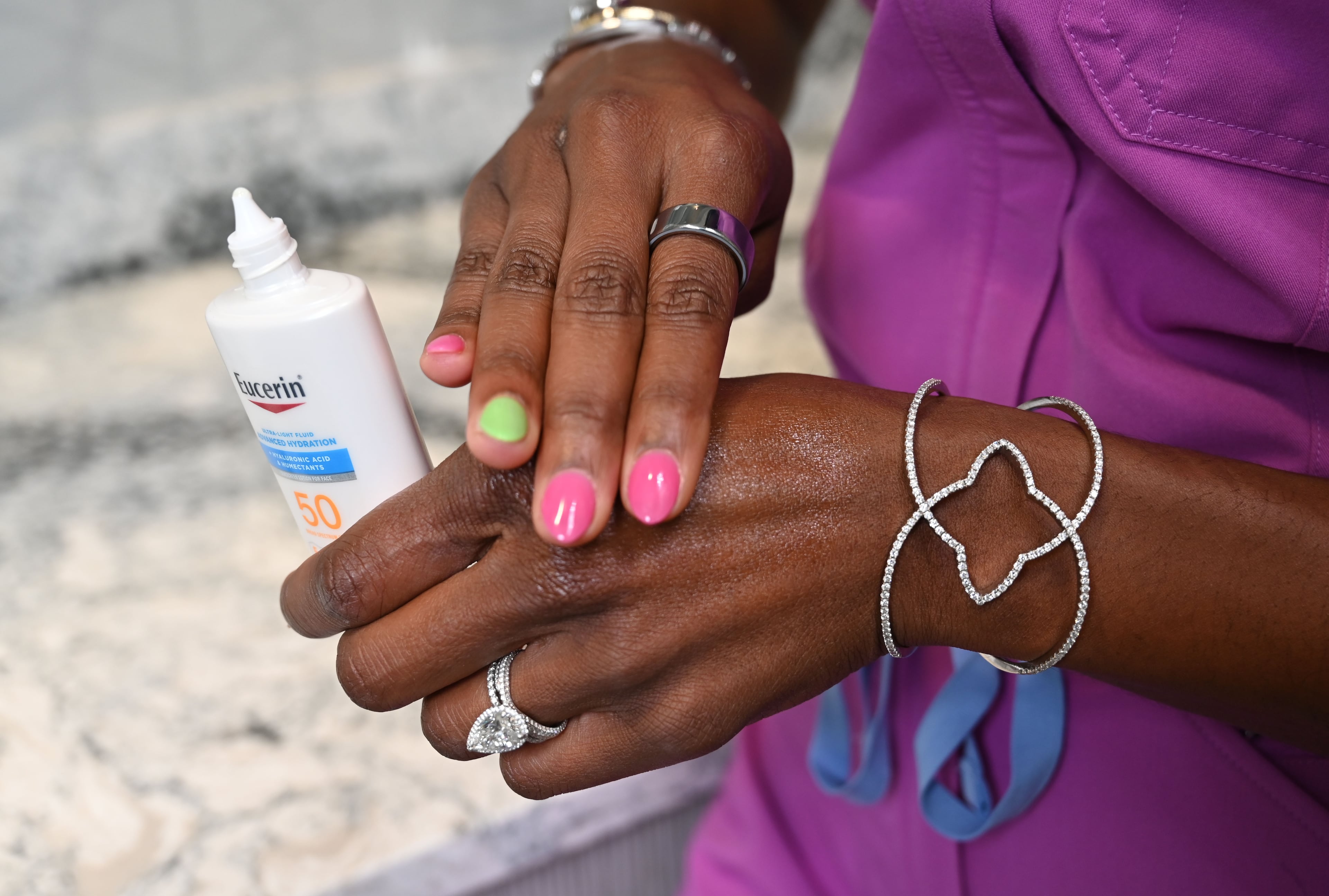
“It’s quite common that patients will tell us that they do wear sunscreen, and they’ll still have a tan or a burn,” Mercer said. “Some of these patients, they’re telling us what they want us to hear.”
For many of those patients, the issue isn’t whether they are using sunscreen. It’s how they’re using it. Mercer shared some of the most common sunscreen mistakes she sees and how to avoid them.
1. Waiting until you’re already outside to apply sunscreen
If you wait until you’re in the sun to apply sunscreen, your skin is exposed to harmful UV rays before the product has a chance to do its job.
“Typically, the recommendation is to apply the sunscreen 15 to 30 minutes before you go outside, because the sunscreen needs time to absorb into the skin,” Mercer said.
The American Academy of Dermatology recommends applying sunscreen about 15 minutes before heading outdoors and choosing one that is broad-spectrum, water-resistant and has an SPF of at least 30.
2. Treating sunscreen like a one-and-done application
Applying sunscreen once isn’t enough for a full day spent outdoors. Swimming, sweating and even everyday wear can reduce its effectiveness over time.
Experts recommend reapplying sunscreen at least every two hours while outdoors, and immediately after swimming or sweating.
Mercer knows that this can be cumbersome, so she recommends always keeping sun protection within reach so you do not forget.
“Throw a sunscreen spray in your bag, and every two to three hours, or after heavy perspiration, or after swimming, then reapply that sunscreen,” Mercer said.
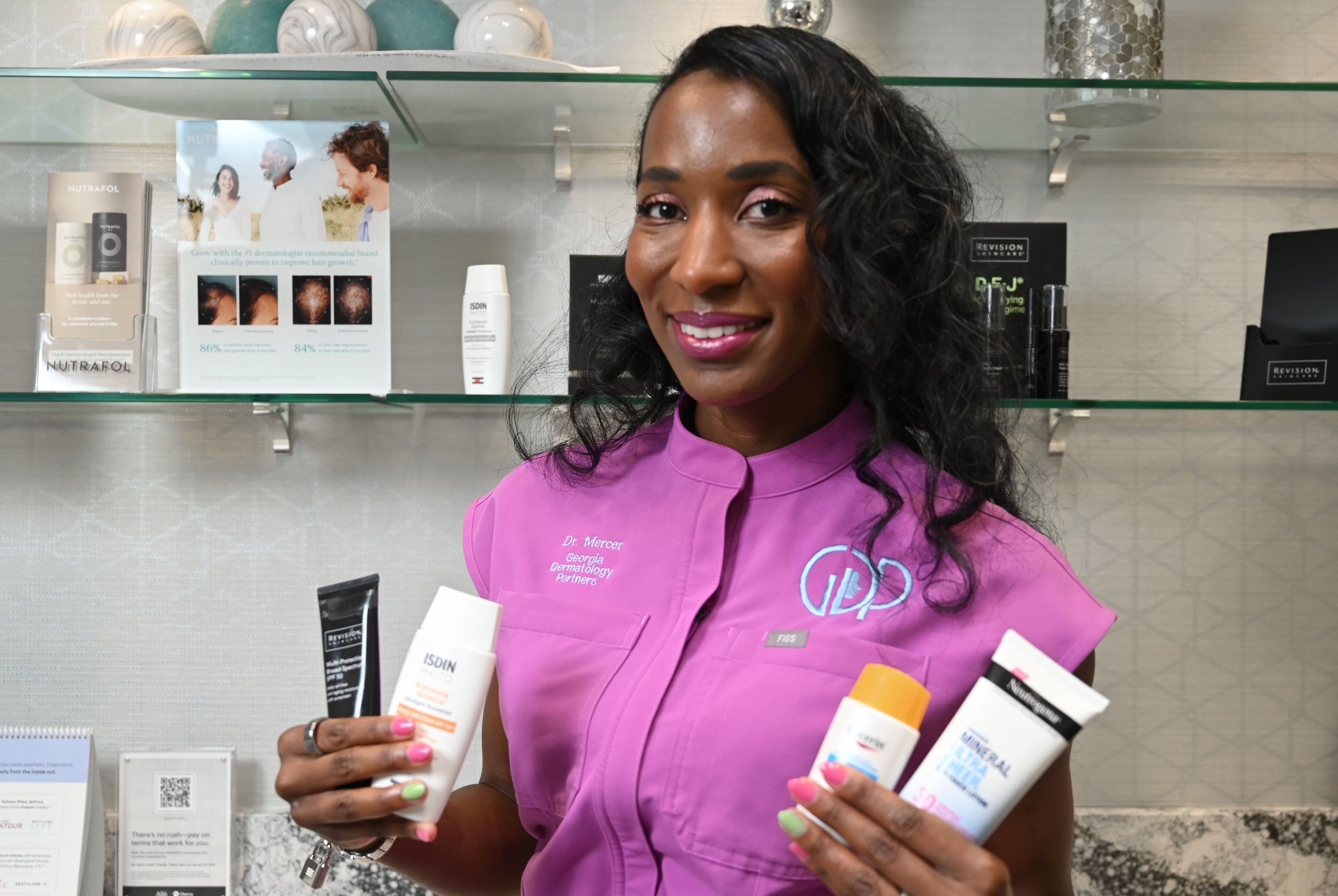
3. Reaching for spray sunscreen every time
Spray sunscreens are convenient, but Mercer said many people don’t realize how much product misses their skin during application.
“They have the best of intentions, but the sunscreen isn’t landing where it’s actually intended to be applied,” she explained. “I always try to tell my patients you’re going to get a better application with a cream or lotion-based sunscreen.”
Most adults need about 1 ounce of sunscreen — roughly enough to fill a shot glass — to cover exposed skin. Creams and lotions can make it easier to see where you’ve applied sunscreen and whether you’ve used enough.
4. Skipping sunscreen altogether
Maybe you don’t like the greasy feel, worry about a white cast or have sensitive skin. Mercer said sunscreen isn’t the only way to protect yourself from the sun.
“I know some people don’t like the way sunscreen feels, or they may have a suspected allergy to a sunscreen, but there are other methods of sun protection,” she shared.
Those methods include seeking shade when possible, especially during peak sun hours between 10 a.m. and 2 p.m., wearing sun-protective clothing, choosing a wide-brimmed hat and using UV-blocking sunglasses. Clothing with an ultraviolet protection factor, or UPF, rating can provide additional protection.
The best sunscreen is the one you’ll use consistently, but using it correctly is just as important as choosing the right SPF. By applying sunscreen before heading outdoors, reapplying throughout the day and pairing it with other forms of sun protection, Mercer said people can reduce their risk of sunburn, premature skin aging and skin cancer.