The changing face of fatherhood is smiling across Father’s Day
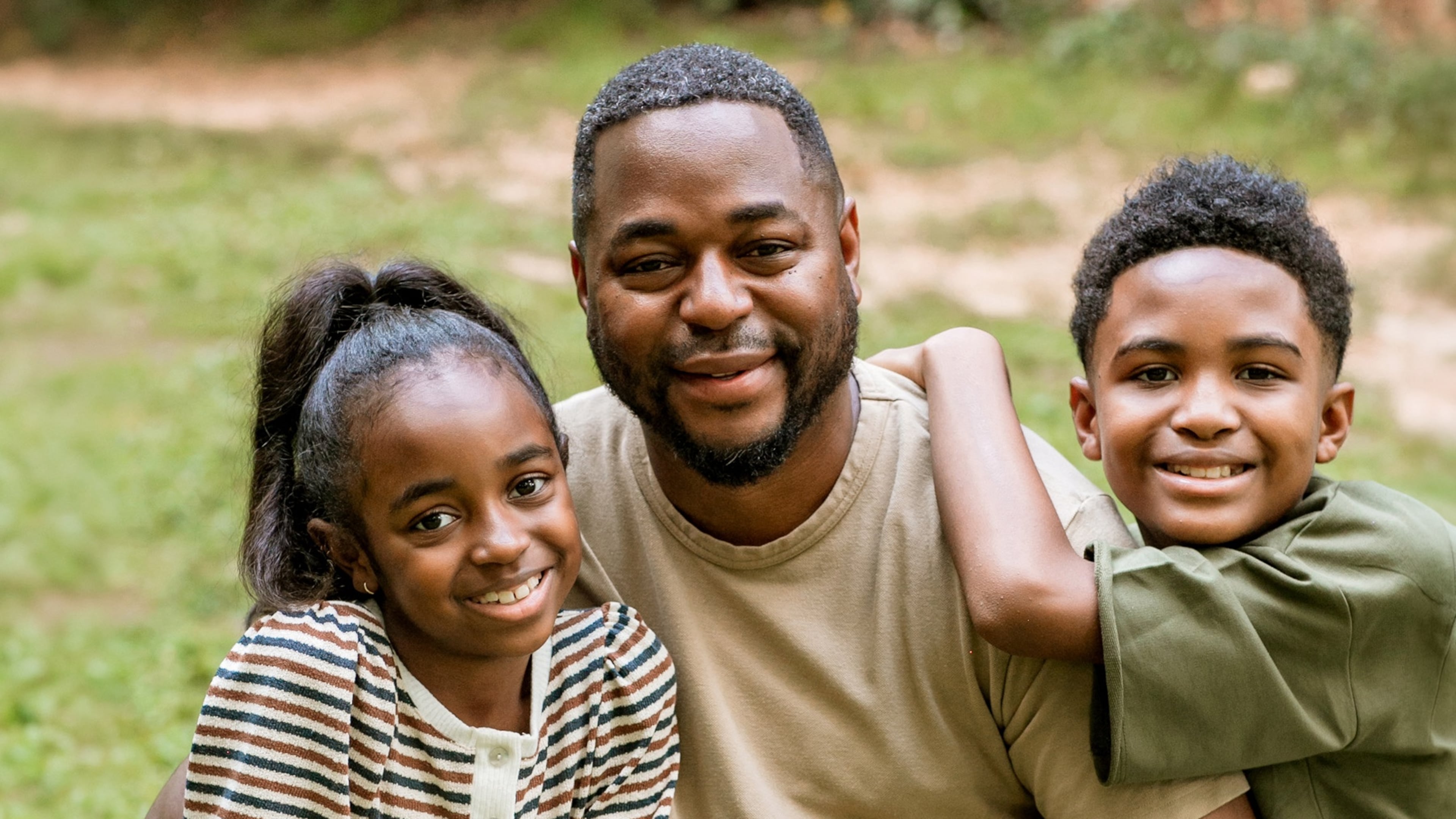
There is a quiet revolution going on in America, and definitely in Atlanta, in how contemporary men are fathering.
While social media would have you believe men and women are currently engaged in gender warfare — men demanding trad wives and women throwing up their hands at emotionally absent men — there are plenty of Atlanta fathers who are stepping up when it comes to parenting and who view their wives as equal partners in child-rearing instead of unpaid babysitters, housekeepers and cooks.
“There’s a palpable shift in how I think dads are kind of taking up what fatherhood means to them, as opposed to the old way,” said Avondale Estates resident Franco Maria Castillo, 38, father to Leo, 1, and Luca, 3.

Atlanta artist Truett Dietz, 38, shares custody of his 8-year-old daughter, Ellery, with his ex-wife. When Ellery is with him every other week, Dietz takes an active role, caring for her, feeding her, encouraging her interests. They often ride an electric scooter to nearby parks and playgrounds.
As a result, said Dietz, “It’s like I have to sort of do both at the same time: you know, what would be considered, I guess, the traditionally masculine or feminine roles. I have to inhabit both simultaneously, so it’s a balancing act.” Though he said his own dad was “very hard working and a very good role model” when he was growing up in Duluth, his parents had a more traditional division of labor.
His father was in the military and tended to set down hard and fast rules, but Dietz takes a very different approach, tending to talk through behavior with Ellery rather than using timeouts or disciplining.
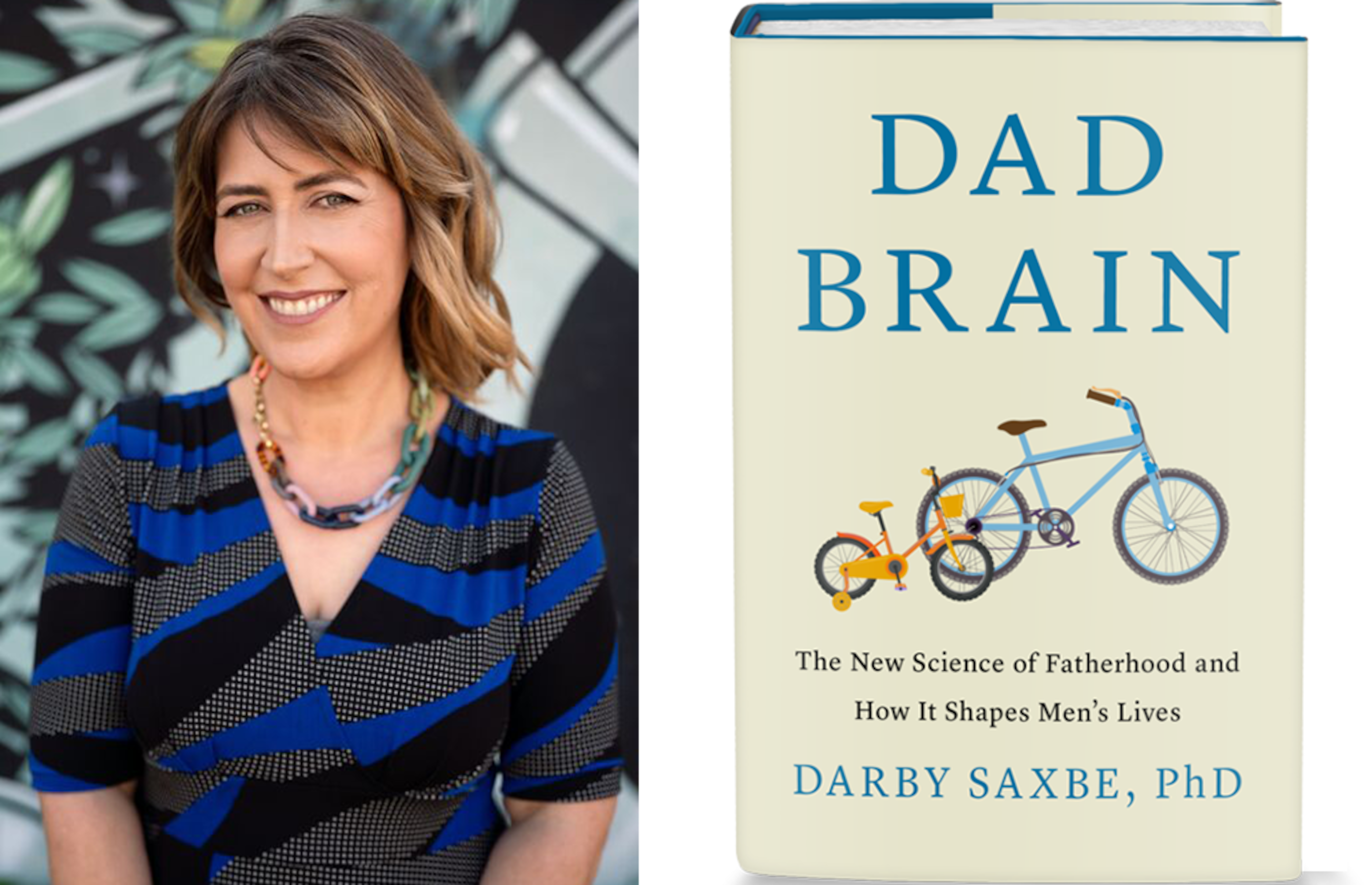
“There’s nothing in our biology that says that men can’t be sensitive caretakers,” said University of Southern California professor and director of clinical training in the department of psychology Darby Saxbe. “I think a lot of it is about learning and building skills, and a lot of that comes down to getting practice and putting value on it.”
In her new book “Dad Brain: The New Science of Fatherhood and How It Shapes Men’s Lives,” Saxbe clocks a remarkable change in how men approach fatherhood since as recently as the 1980s. It’s a change that has certainly been playing out among Atlanta fathers.
Saxbe’s research has shown that fatherhood changes men’s brains and leads to many positive changes for both fathers and for society when men are more involved in their children’s lives.
Castillo thinks that men can be as good at nurturing and caretaking as women. “It’s just learned behavior,” Castillo said. “We were taught not to pay attention to some of those things, so it’s actually kind of hard for us now, because we’re having to, like, relearn as adults how to be caring.”
Saxbe said she views “Dad Brain” as an attempt to “welcome men into parenthood” and celebrate dads who are hands-on with kids.
In the book, she points out that when fathers “step into their participation fully in parenting, there are a lot of benefits. There are benefits for kids, there are benefits for moms, and there are even benefits for men.”
Some of the changes occurring in American families are because of larger cultural shifts. For instance, the number of men now working remotely rather than commuting to a traditional 9-to-5 job has increased, meaning more time to spend with children and to participate in their care. In addition, many parents are now both working, far from a previous scenario of a breadwinner father and a stay-at-home mother.

“I feel like my dad missed out on a lot of little things that I don’t have to miss out on, because I work from home,” said Jon Gulick, 41, a single father of a 3-year-old (though he is engaged and his partner has taken an active role in co-parenting).
Many of these Atlanta fathers are simply more intentional in how they approach fatherhood, more excited about the prospect of connecting with their children and unapologetic about how they relish nurturing and caring for them.
College Park resident Mose James IV, 43, had a wonderful father. But he said, “My father and I always had a business-style relationship.” Instead of kisses and hugs and telling each other “I love you” (“I don’t think men did that really.”), they shook hands.
“I kiss and hug on my kids every single day,” James said.
He said he sometimes laughs with his guy friends about how different their version of fatherhood must look to their dads.
He takes an active role in the lives of his 11-year-old son and 8-year-old daughter, driving both to school and activities and even serving at his son’s school as the president of Ron Clark Academy’s version of the PTA. He acknowledges that role makes him an outlier. “You step into the schoolhouse, and it’s run by women. I mean, you see women mainly in the classroom, and you definitely see women in leadership roles that involve volunteering.”
James said he sees his friends stepping up emotionally and in practical ways for their children and their wives. For instance, he does “the lion’s share” of the cooking.
“My mom worked a full day of work, and she came home, and then she worked a full day at the house. So, what I, I find a lot more that there are more men who stepped up in ways that is not common to the generation before us,” said James.
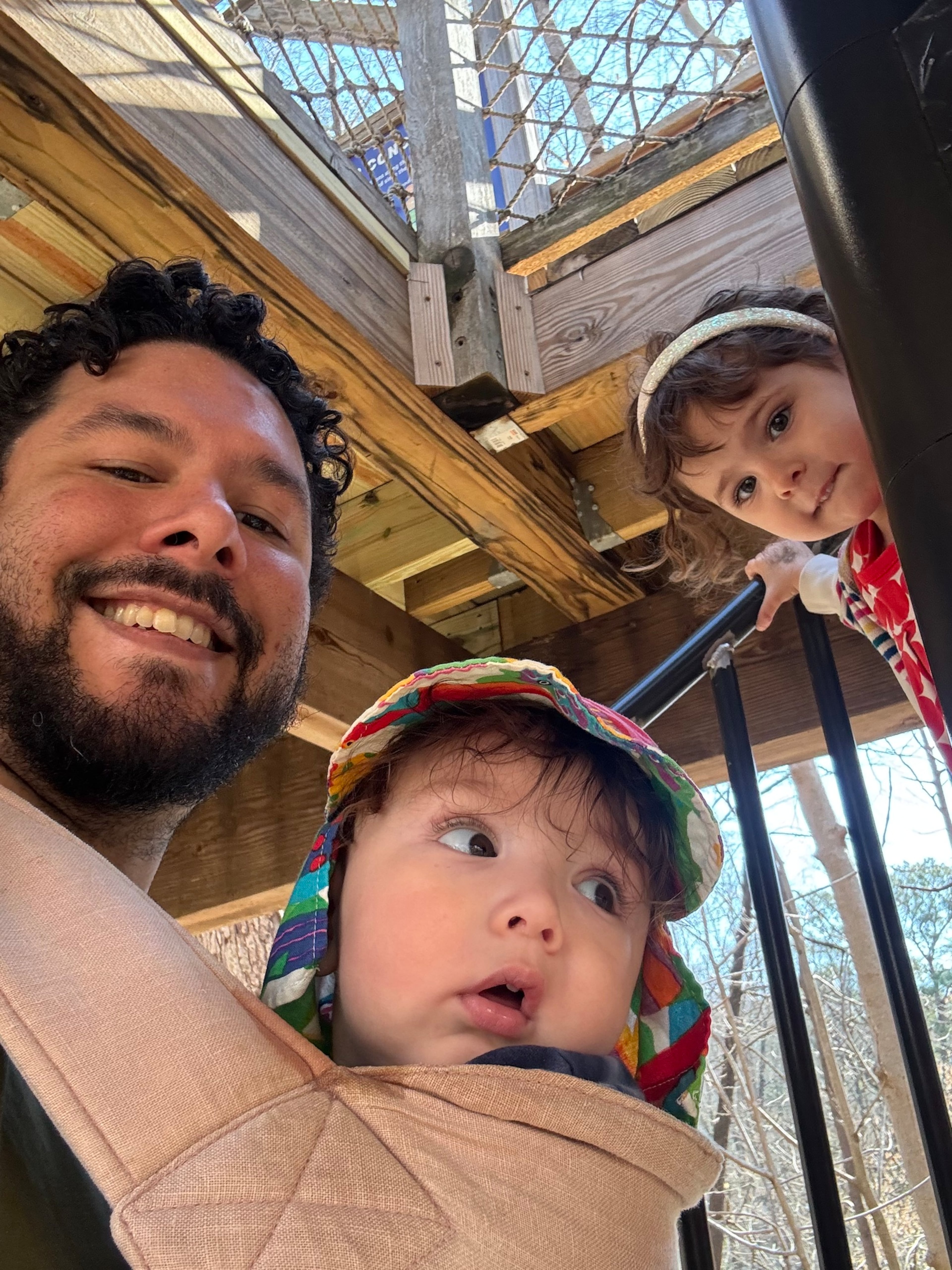
Castillo is very aware of the support needed from other men if a new generation of intentional fathers is going to succeed. Two years ago, he put flyers up in Avondale Estates businesses asking for men to join a group of dads who chat and hang out while their kids play. That group now meets every Wednesday.
Intentionality is a huge part of this new generation’s approach to fatherhood. Gulick wanted to have a child so much he even changed professions, moving from a fun but peripatetic job working as a circus acrobat to a job in tech at Twitter to better support the child he was planning to have — this while he was still single.

“I just love my parents so much, have such a good relationship with them. I think I wanted something similar,” Gulick said. “My mom always told me that you’ll never know how much you can love someone until you have kids, and, I mean, I agree with that.”
Cultural stereotypes are disappearing, too, said several of the men, including the one who believes men have to be talked into fatherhood and are reluctant parents. That is changing, Gulick said: “A lot of people want to be nurturing and want to have kids and want to have a family and want to love someone.”
Saxbe encourages other men to break out of stereotypical, limited visions of what fatherhood can be.
“You have all the ingredients to be a great parent, and you need to just get in there and put in the time and get the practice. … Men can do hard things, and you have the opportunity to become the world’s number one expert in your own child,” the author said.