Father’s Day: Knowledge is power when it comes to men’s health
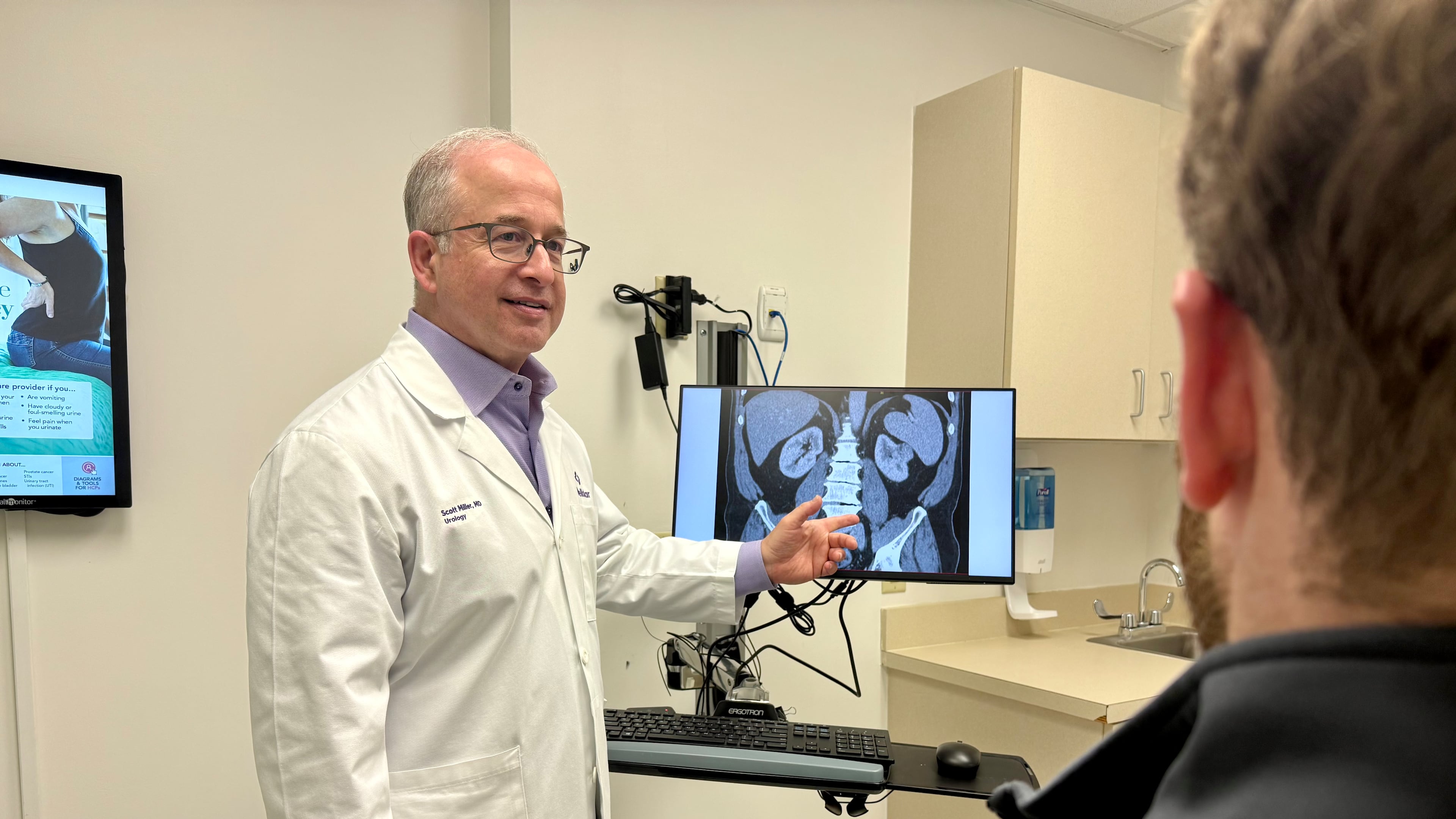
This Father’s Day, doctors say one of the most meaningful gifts families can give the dads in their lives is a gentle nudge to schedule potentially life-saving health screenings and routine checkups.
The goal is simple: detect problems early, before symptoms appear and when they are often most treatable.
Dr. Andrew Thornton, a board-certified family medicine physician specializing in urgent care with Wellstar Health System, said studies show several factors keep men from seeking routine care, including discomfort with sensitive health issues and concerns about intimate exams.
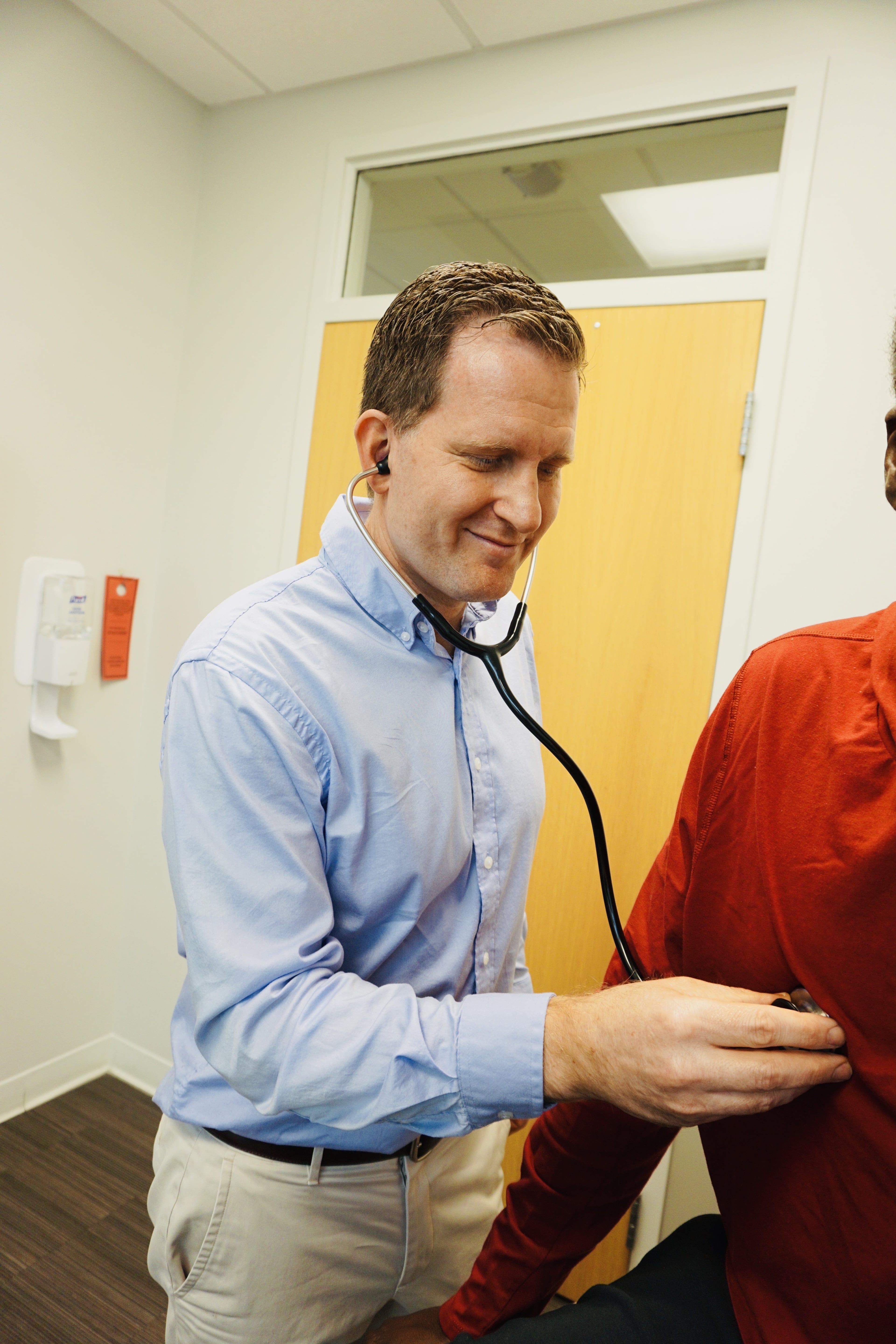
“Men may also be less likely than women to seek healthcare for the same reason they are often less likely to ask for directions,” Thornton said. “Social norms and expectations can cause many men to feel that needing help — whether it is for a physical or mental/emotional concern — is a sign of weakness or possibly even a threat to their masculinity.”
Physicians, including Dr. Scott Miller, a longtime urologist with Wellstar Medical Group, say routine health screenings are critical.
“Knowledge is power,” Miller said. “Men are scared to get information, but that’s all it is — information. It’s all about how you use that information.”
The body, he said, is “very resilient, and that’s a great thing. But it’s a double-edged sword because what makes the body resilient also can mask some underlying conditions.”
Key screenings for men
For men, the best-known screening is the prostate-specific antigen, or PSA, test, a simple blood draw used to help detect prostate cancer. An unpopular second step in the screening, the digital rectal exam, has been dropped.
Miller said the goal of eliminating the digital exam is to encourage more men to get tested.
“(We’re) going to catch a lot more prostate cancers at an earlier stage, and that’s going to make it much easier to treat,” he said.
The U.S. Preventive Services Task Force and the American Urological Association advise men ages 55 to 69 to discuss the benefits and risks with their physicians before deciding whether to be screened. Family history, race and other risk factors may warrant earlier screening.
“Screening guidelines focus on data from studies that prove that the benefits of screening outweigh the harms,” Thornton said. “Because prostate cancers are very common overall, are often slow-growing, and can sometimes take many years to become life-threatening, studies have been inconsistent in proving that screening all patients is worth the risk of ‘over-testing.’”
The other screening recommended specifically for men is a one-time ultrasound to check for an abdominal aortic aneurysm. It is generally recommended for men ages 65 to 75 who have a history of smoking.
Common recommendations by age
Beyond those male-specific screenings, preventive care focuses heavily on cardiovascular disease, diabetes and cancers that affect both men and women.
Thornton and Miller said early detection of heart disease and cancer remain the biggest priorities. Heart disease is the leading cause of death for both men and women in the United States. Cancer ranks second, Thornton said.
Miller recommends men begin annual physicals by at least age 30. Those visits often include screenings for kidney and liver function as well.
In your 20s and 30s (and continuing through adulthood):
- Blood pressure and BMI checks: Done during annual physicals.
- Cholesterol screening: Starting around age 20, then every 4-6 years, according to CDC testing guidelines.
- Diabetes screening: Every three years, beginning at age 35. The American Diabetes Association previously recommended the screening for all adults 45 and older, regardless of risk factors, but lowered the age in 2022.
Starting at age 45 (and continuing as recommended):
- Colorectal cancer screening: Begin screening with a stool-based test or colonoscopy. The starting age for colorectal cancer screening was lowered from 50 to 45 after mounting evidence showed rising rates of the disease among younger adults.
Age 50 to 80 (and continuing annually if eligible):
- Lung cancer screening: Annual low-dose CT scan for adults with a significant smoking history.