What are peptides? Georgia doctors explain the benefits, risks and hype.
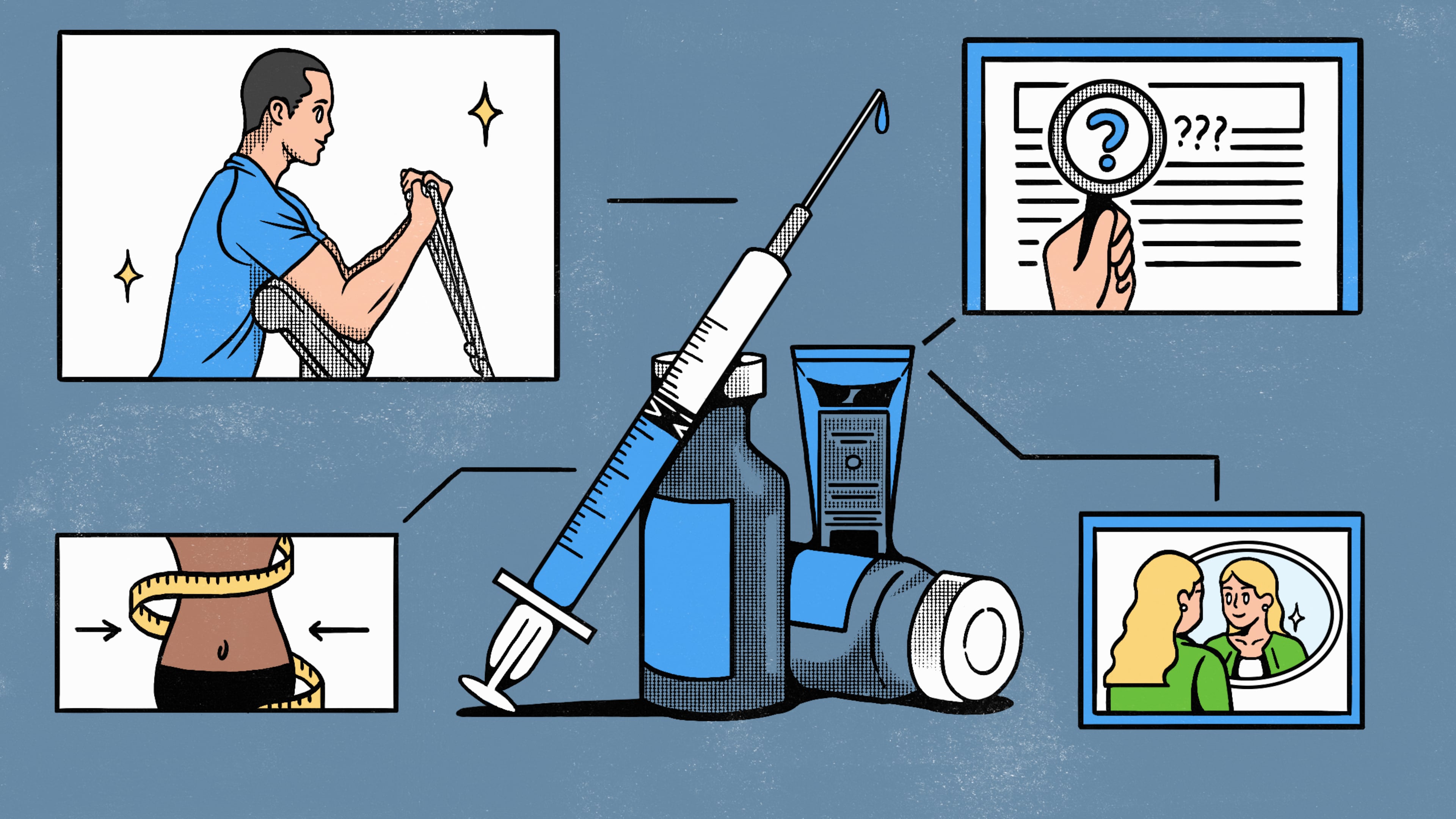
From anti-aging creams to medical weight loss, peptides have quickly moved into the spotlight. Often marketed as “miracle drugs,” they come with a growing list of claims, but there are things to know before diving in.
Like proteins, peptides play key roles in hormone regulation, the immune system, metabolism, tissue repair, muscle growth and more.
“Peptides are short chains of amino acids, which are the building blocks of protein,” explains Dr. Sharon Bergquist, internist with Emory Healthcare and an associate professor in the Division of General Internal Medicine at Emory University School of Medicine. “Think of them like mini hormones.”

Peptides are naturally produced in the body — insulin, for example, is a pancreatic hormone that helps regulate blood sugar. Today, however, many people are equally familiar with prescription GLP-1 peptides — including medications like Ozempic, Wegovy and Zepbound. According to Dr. Cristina Del Toro Badessa, a board-certified emergency medicine doctor who also practices functional medicine at Artisan Plastic Surgery, these peptides are administered at doses much higher than what the body produces on its own, and that level of calibration contributes to their effectiveness.
Peptides can be administered in several ways: topically, as in skin care; orally, as supplements; or by injection, as with GLP-1s. Each method comes with its own set of considerations and potential risks.
Why are peptides so popular right now?
While it may seem like peptides’ popularity is sudden, Bergquist notes that research on them dates back more than a century. There are over 100 FDA-approved peptides, including treatments for conditions like irritable bowel syndrome and osteoporosis. She attributes the recent boom to a growing interest in longevity and wellness.
Del Toro Badessa adds that peptides now sit at a unique crossroads of medical necessity and aesthetic demand.
“This is the latest medication, and first of its kind, to create such high demand for a wide variety of reasons,” she says, pointing to GLP-1s as a driving force behind the trend.
Why don’t more doctors prescribe peptides?
If peptides are as promising as they appear, it raises the question of why they aren’t more widely used in traditional Western medical settings.
One challenge, Del Toro Badessa explains, is the lack of large, randomized and controlled human trials. Without that level of evidence, it’s difficult to determine which outcomes can be directly attributed to peptides, rather than other factors. Their effects can also vary across different body systems, which further complicates efforts to study them and secure funding for large-scale research.

For example, Del Toro Badessa says a peptide called BPC-157 has shown promise in animal models and preclinical trials. Research suggests it may help protect the gastrointestinal lining, reduce ulcer formation, and improve esophageal and gastric injuries while also promoting blood vessel growth. “This can also improve joint inflammation and pain, collagen synthesis, skin quality and wound healing,” she says, noting that large-scale human clinical trials are still lacking.
She also adds that limited familiarity among traditionally trained physicians may keep them from getting on board with prescribing peptides.
“I wasn’t educated about peptides in medical school outside of their strictest definition and the administration of insulin to Type 1 diabetics, not in the way we use the word ‘peptide’ now.”
What are some of the nonmedical uses?
Beyond weight loss, peptides are being explored for a wide range of uses — including wound healing, collagen production, gut health, bowel healing protocols, and even memory and cognitive support.
In skin care, peptides can promote collagen and elasticity while reducing the appearance of fine lines and wrinkles. Bergquist is generally supportive of patients trying topical skin care peptides, but considers sunscreens, retinoids and moisturizers more effective, calling peptides “an add-on.”
Muscle building is another area driving interest. Some use peptides like CJC-1295, which stimulate the release of growth hormones and may be prescribed off-label by physicians. However, Bergquist notes that these peptides are not FDA-approved and are prohibited in competitive sports. She also urges caution.
“There’s almost no data on what happens in humans when we take heightened amounts of growth hormones.”
Safety considerations
If you’re considering peptides, experts emphasize the importance of working with a qualified medical professional, specifically one with a current, active license who can evaluate and interpret your full medical history.
They also advise purchasing peptides through a reliable source, such as a physician’s office, rather than a third-party online vendor. More isn’t always better, Del Toro Badessa adds, and treatments are highly individualized — what works for one person may not work for another.
“Not all peptides are created equal, and not all practitioners or people giving you advice have the background and knowledge to administer them. The dosing will vary from person to person,” she says.
While GLP-1 medications may seem tempting, both experts agree that when it comes to weight loss, there are lower-hanging fruit options.
“If you are eating adequate protein and fueling your muscles by doing gradual progressive load exercises with weights, adding creatine and eating the right macronutrients with the right hormone balance, you can put on lean muscle mass,” says Del Toro Badessa. “There are things we can do at a much lower level first that are clearly proven by widespread research trials, and that can get you similar results.”