RECIPES: Count on beans to satisfy cravings, budgets
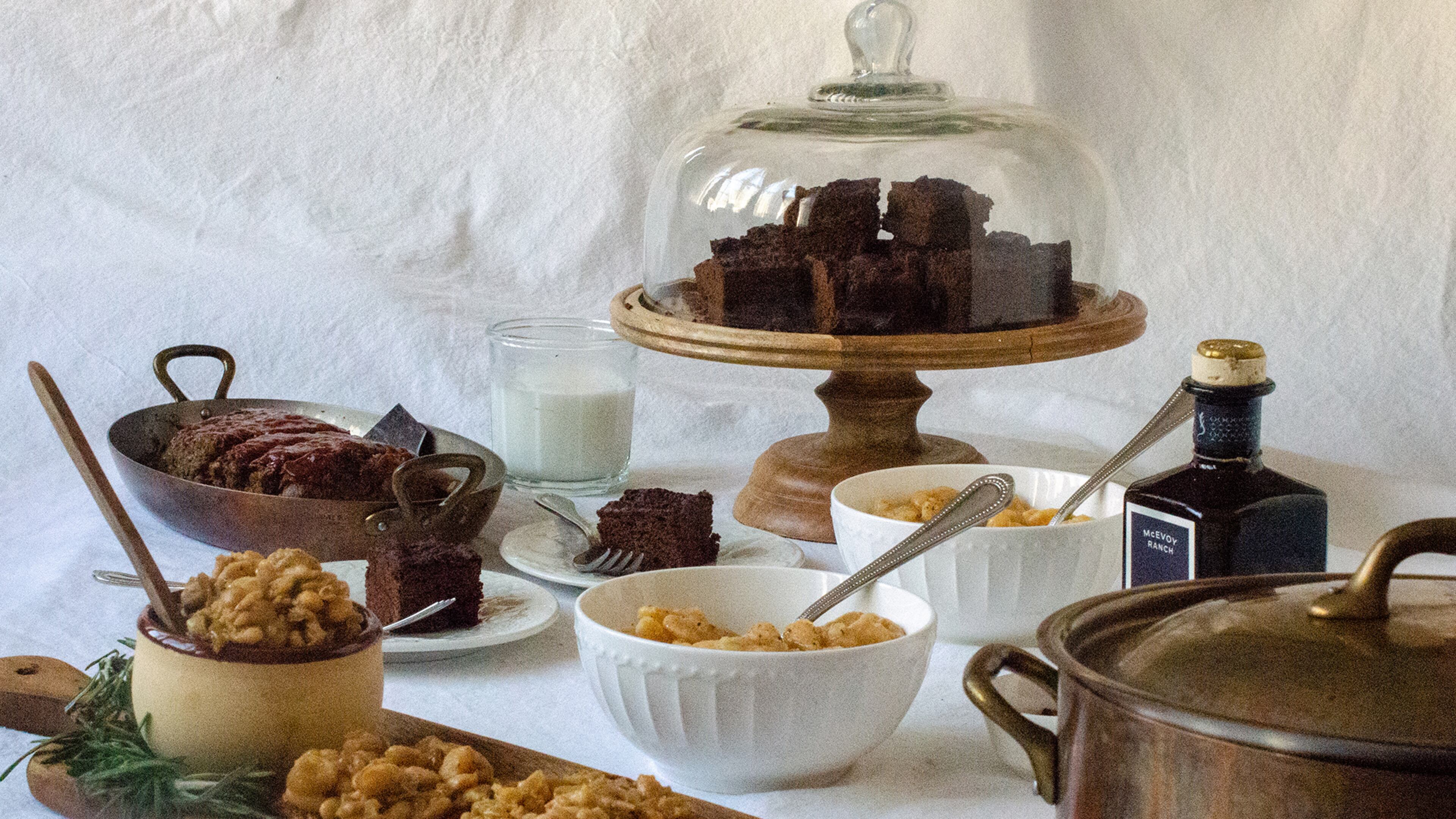
Beans are fundamental in many cuisines. Healthy and economical, they are a go-to in kitchens around the world.
France is famous for cassoulet. Latin foodways offer Frijoles Charros (Cowboy Beans), Moros y Cristianos (Black Beans and Rice), and more. There are a multitude of Italian white bean dishes including Fagioli al Fiasco, or beans cooked in a bottle nestled in the embers of a fire, and Ribollita, a hearty bean vegetable stew. Senegalese cooking brings us Ndambe, a spicy, hearty stew featuring black-eyed peas, tomatoes and potatoes.
Beans feed the world — and you can count on beans to be a great resource in your kitchen for budget-minded cooking.
I’ll often cook a pound of dried beans at the beginning of the week and reheat them over the next few days as a warm side dish, toss cold into a salad, or cook further for soup. They’re also a great protein for a healthy breakfast with an egg atop a tortilla.
Knowing how to cook dried beans gives you enormous maneuverability in the kitchen. And having canned beans in your pantry can be a lifesaver at suppertime. Beans are infinitely adaptable, inexpensive and nutritious.
Why are beans so good for you? Beans are seeds that contain the embryo of a future plant, so you get the nutrients the plant would use during its early stages of growth. Beans have been shown to have an important role in preventing illnesses such as cancer, diabetes and heart disease. They are a low-fat source of protein, with high fiber content and a low glycemic index. Beans contain both soluble and insoluble fibers. The former helps to decrease blood cholesterol levels and control blood sugar levels; the latter helps with digestion and gut regularity.
Speaking of gut regularity, you may recall the children’s tune: “Beans, beans, the musical fruit. The more you eat, the more you toot … .” The best way to prevent gassiness is to cook beans until completely cooked and tender.
Another common bean concern is to salt or not to salt. There are advocates on both sides. Some say salt can make the skins tough, especially with older beans, yet America’s Test Kitchen advocates to actually brine beans! I go with the advice of Steve Sando, owner of Rancho Gordo Beans, who suggests salting the beans once the skins start to soften. The primary benefits of cooking with dried beans are that you can control not only the tenderness, but also the sodium content.
Dried beans and canned beans are comparable nutritionally, apart from sodium. Typically, standard canned beans are higher in salt. Both have their pros and cons. Canned beans cost about three times as much as dried ones and vary a lot in texture and flavor from brand to brand. However, for convenience, you can’t beat having a selection of canned beans in your pantry. Dried beans require longer cooking, and some recipes require soaking overnight or a quick soak when you bring beans to a boil and let them soak for one hour.
Cooking beans in a pressure cooker means there is no pre-soaking. It’s simple. One pound of beans plus 6 cups of liquid in an 8-quart Instant Pot takes 15 to 20 minutes to come to full pressure before cooking begins. Then, 30 minutes to cook and 20 minutes to naturally release the pressure.
The recipes here call for a mixture of canned and dried: White Bean Toast, Lima Bean Soup, Lentil Loaf, and Black Bean Brownies. For interchangeability, remember 1 pound of dry edible beans yields about 6 cups of cooked beans and 1 can of beans is about 1 1/2 cups of drained cooked dried beans.
Knowing how to cook beans gives you enormous maneuverability in the kitchen. This handy culinary skill helps with meal prep and gives you the ability to magically produce multiple meals out of a humble bag or can.
Virginia Willis is an Atlanta-based Food Network Kitchen chef, James Beard Award-winning food writer and cookbook author. Follow her at virginiawillis.com.
RECIPES
White Bean Toast, Lima Bean Soup, Lentil Loaf, and Black Bean Brownies are recipes you can count on for nutrition, flavor and affordability.
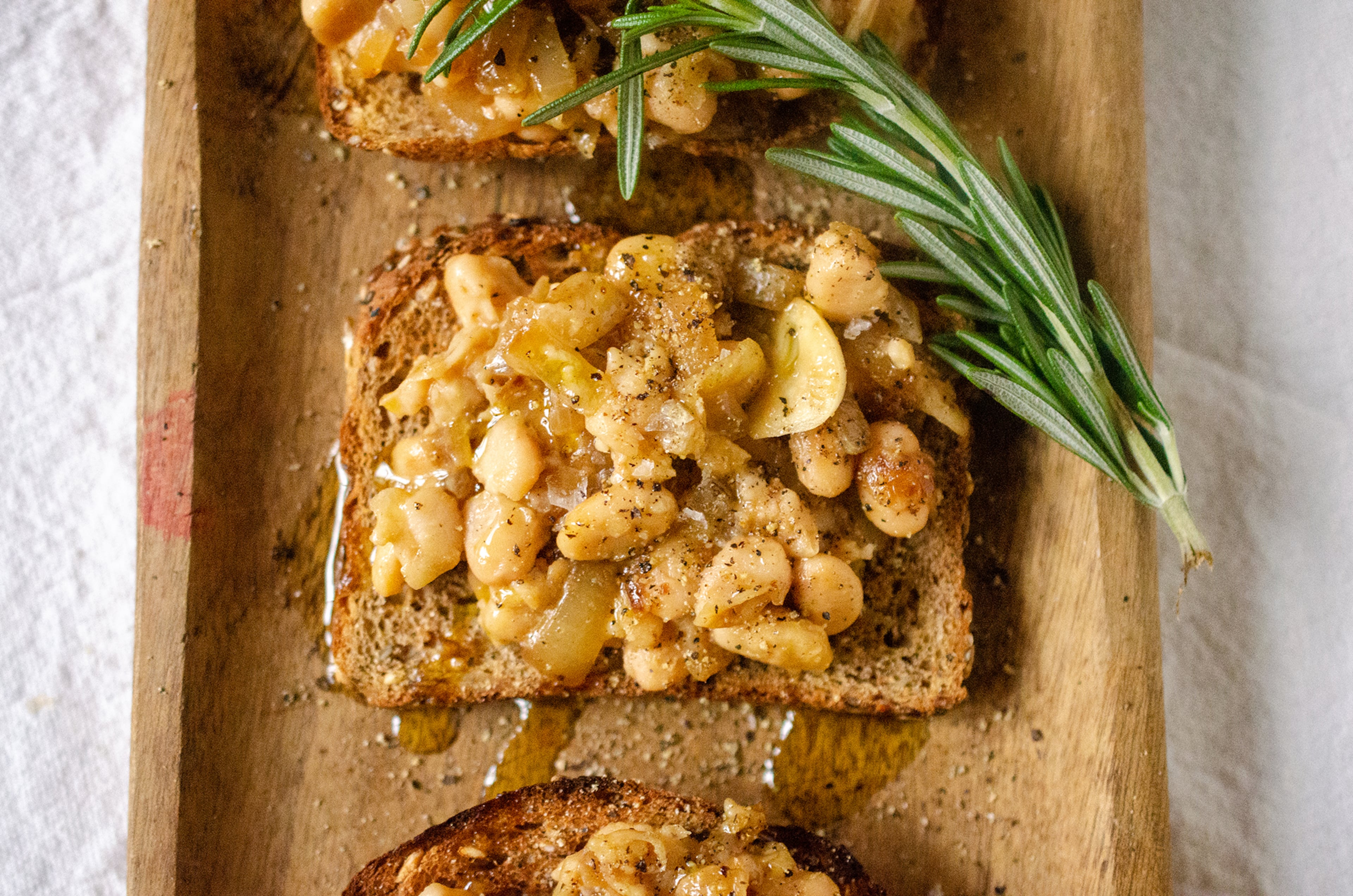
White Bean Toast
With avocado prices skyrocketing, it’s time to try “Beans on Toast,” a traditional British breakfast for nearly a century. Instead of a savory tomato sauce as with the English version, these canned beans are heated with onions, garlic, rosemary and olive oil. Cannellini, Great Northern and navy beans will all work as high-protein, low-fat toast toppers.
- 1 tablespoon extra-virgin olive oil, plus more for serving (optional)
- 1 onion, chopped
- 1 sprig rosemary, plus more for serving
- 1 clove garlic, chopped
- 1 (15.5-ounce) can white beans, drained and rinsed
- Coarse salt and freshly ground black pepper
- Toasted bread slices, for serving
- Heat the oil in a skillet over medium heat. Add onion and rosemary. Cook until the onion is golden brown, about 5 minutes. Add garlic and cook until fragrant, 45 to 60 seconds. Add the beans and stir until combined. Taste and adjust for seasoning with salt and pepper. Using the back of a wooden spoon, smash some of the beans and leave the rest whole. Cook, stirring occasionally, until the beans are heated through, 3 to 5 minutes.
- To serve: Spoon a generous amount of the bean mixture on top of a slice of toasted bread. Drizzle with additional olive oil, if desired. Sprinkle with salt and chopped rosemary. Bean mixture will keep covered in the refrigerator for up to 4 days.
Nutritional information
Per serving: Per serving, without toast: 167 calories (percent of calories from fat, 20), 8 grams protein, 26 grams carbohydrates, 6 grams fiber, 4 grams total fat (1 gram saturated), no cholesterol, 375 milligrams sodium.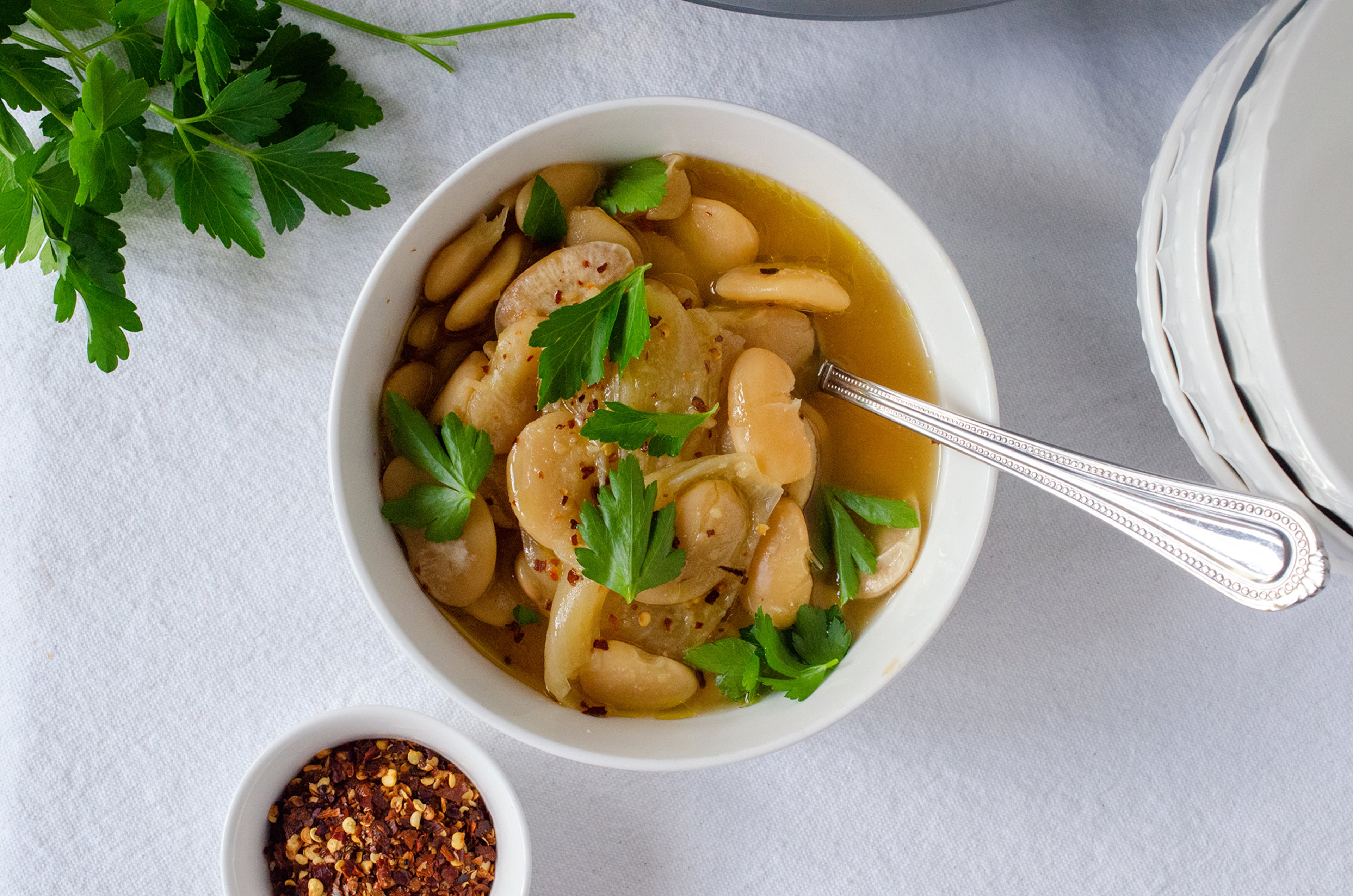
Lima Bean Soup
This comforting soup is old-fashioned country cooking. Miso gives this soup a pop of savory umami, a multicultural twist that replaces a smoky Southern ham hock. Served plain or topped with sauerkraut, it would be at home in grandma’s kitchen. The flavor profile of the intensely vegetal beans is easily changed by tweaking the garnish; drizzled with olive oil and topped with fresh herbs, it has a completely different taste and feel.
- 1 pound large white lima beans, rinsed and picked over
- 6 cups chicken or vegetable stock
- 2 onions, quartered
- 4 garlic cloves, trimmed and halved
- 1 tablespoon miso
- Coarse salt and freshly ground black pepper
- Extra-virgin olive oil, red pepper flakes and/or whole parsley leaves, for garnish (optional)
- Pressure cooker method: Combine beans, stock, onions, garlic and miso in a pressure cooker. (Do not season with salt until the end of cooking.) Cook on bean setting, 30 minutes. Let steam escape. Taste and adjust for seasoning with salt and pepper. Serve plain or with desired garnishes.
- Slow cooker method: Combine beans, stock, onions, garlic and miso in a slow cooker. Season with salt and pepper once the beans are just tender. Cook on low for 6 hours or high for 3 hours. Taste and adjust for seasoning with salt and pepper. Serve plain or with desired garnishes.
- Stovetop method: Combine beans, stock, onions, garlic and miso in a heavy-duty pot. Bring to a boil over medium heat. Reduce heat to simmer. Season with salt and pepper once the beans are just tender. Cook on low, stirring occasionally, 1 1/2 to 2 hours. Taste and adjust for seasoning with salt and pepper. Serve plain or with desired garnishes.
Nutritional information
Per serving: Per serving, based on 4: 200 calories (percent of calories from fat, 1), 16 grams protein, 33 grams carbohydrates, 9 grams fiber, trace total fat (trace saturated fat), no cholesterol, 788 milligrams sodium.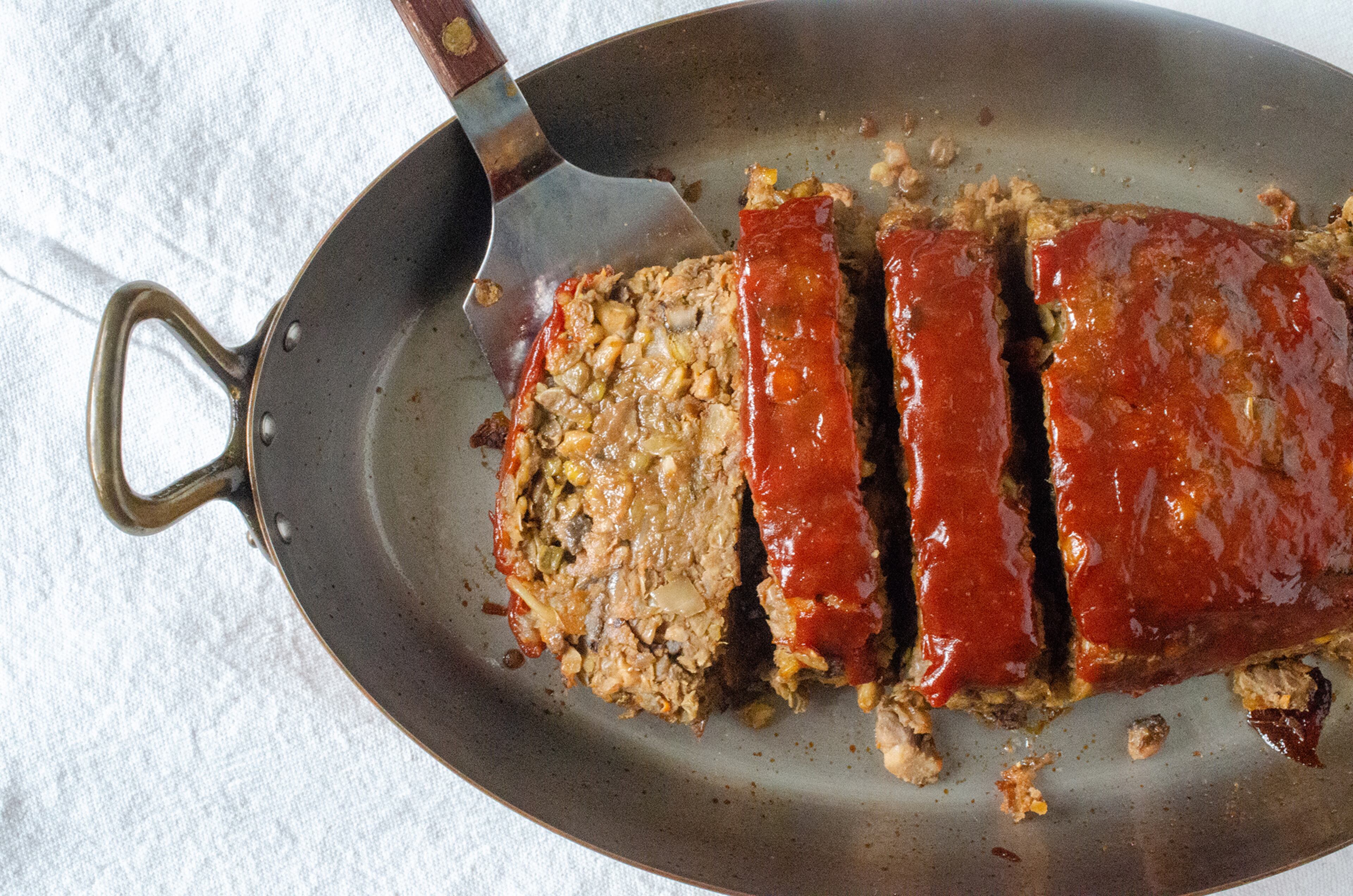
Lentil Loaf
No one will miss the meat with this hearty lentil loaf, which is based on an iconic recipe in the 1974 “Moosewood Cookbook” by Mollie Katzen. Be sure to use whole — not split — lentils in this recipe.
- 1 cup brown lentils
- 2 cups water
- 1 teaspoon apple cider vinegar
- 1 teaspoon dry mustard
- 1 onion, diced
- 8 ounces mushrooms, finely chopped
- 1/2 cup walnuts, finely chopped
- 2 carrots, peeled and grated
- Coarse salt and freshly ground black pepper
- 3 cloves garlic, finely chopped
- 1 large egg
- 1/2 cup ketchup
- 1 tablespoon Worcestershire sauce
- Heat the oven to 350 degrees. Spray a medium baking dish with nonstick cooking spray. Set aside.
- Place lentils and water in a small saucepan and bring to a boil. Lower the heat and simmer, partially covered, for about 30 minutes, or until the lentils are soft and the liquid is absorbed. Transfer to a medium-sized bowl, add vinegar and dry mustard. Using a potato masher, smash until the lentils are partially mashed.
- Spray a skillet with nonstick cooking spray. Add onion, mushrooms, walnuts and carrots. Season with salt and pepper. Cook, stirring occasionally until the vegetables are tender, about 5 minutes. Add garlic and cook until fragrant, 45 to 60 seconds. Taste and adjust for seasoning with salt and pepper.
- Add vegetable mixture to lentil mixture; stir to combine. Add egg and stir until completely incorporated. Transfer to prepared baking dish and shape into an 8-by-4-inch loaf.
- Combine the ketchup and Worcestershire sauce. Spoon it atop the loaf to coat. Transfer to the oven and bake until set, about 35 minutes. Remove to a rack to let cool slightly. Slice with a serrated knife to serve.
Nutritional information
Per serving: Per serving: 180 calories (percent of calories from fat, 28), 9 grams protein, 25 grams carbohydrates, 4 grams fiber, 6 grams total fat (1 gram saturated), 23 milligrams cholesterol, 187 milligrams sodium.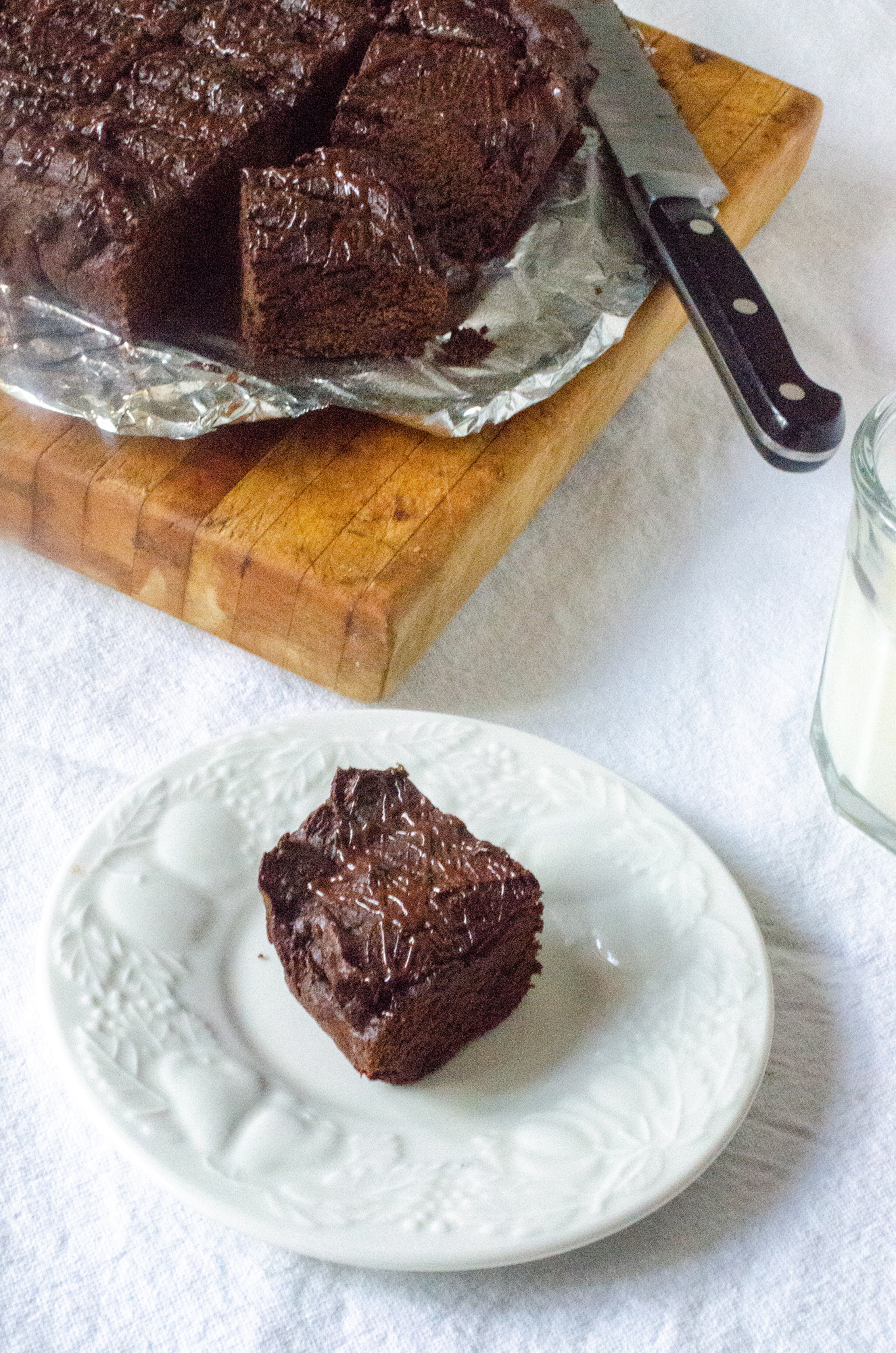
Black Bean Brownies
Pureed black beans effectively replace oil or melted butter in this brownie recipe, making the texture slightly more cakey and less dense and fudgy. However, there’s no lack of intense chocolate flavor! Enjoy this rich treat with a glass of cold milk.
- 1 (15.5-ounce can) black beans, rinsed and drained
- 2 large eggs, at room temperature
- 1 cup light brown sugar, firmly packed
- 1 teaspoon instant espresso powder
- 1 teaspoon pure vanilla extract
- 3/4 cup white wheat, whole-wheat pastry, or all-purpose flour
- 1/2 cup cocoa powder
- 1 teaspoon baking powder
- 1/2 teaspoon fine sea salt
- 1 1/4 cups dark chocolate chips (70%), divided
- Zest of 1 orange
- Heat the oven to 325 degrees. Make a foil sling for an 8-inch square baking dish: Lay sheets of foil in the pan perpendicular to each other, with extra foil hanging over the edges. Push foil into corners and up sides of pan, smoothing foil flush to pan. Spray with nonstick cooking spray.
- Place the beans in the bowl of a food processor fitted with the blade attachment. Puree until smooth and creamy, about 3 minutes. Add eggs, brown sugar, instant espresso powder, and vanilla. Puree until smooth, scraping the sides of the bowl as needed.
- Add flour, cocoa powder, baking powder and salt. Pulse to incorporate slightly. Meanwhile, place 1 cup of the chocolate chips in a microwave-safe bowl. Heat until melted, about 30 seconds depending on the strength of your microwave. Add the melted chocolate and orange zest to the batter. Pulse to combine. Transfer to the prepared pan.
- Bake the brownies until the top is just firm to the touch, about 35 minutes, rotating halfway through baking. Let cool in the pan on a wire rack until just warm to the touch. Using foil overhang, lift brownies from pan.
- Heat the remaining 1/4 cup chocolate chips in the microwave. Drizzle over the brownies. Let cool completely on the wire rack.
- Coat a serrated knife with nonstick cooking spray and cut into 16 squares. Store in an airtight container in the refrigerator for up to 3 days.
Nutritional information
Per serving: Per brownie: 197 calories (percent of calories from fat, 33), 4 grams protein, 30 grams carbohydrates, 4 grams fiber, 7 grams total fat (4 grams saturated), 22 milligrams cholesterol, 145 milligrams sodium.Sign up for the AJC Food and Dining Newsletter
Read more stories like this by liking Atlanta Restaurant Scene on Facebook, following @ATLDiningNews on Twitter and @ajcdining on Instagram.