5 questions about MLB’s impending lockout
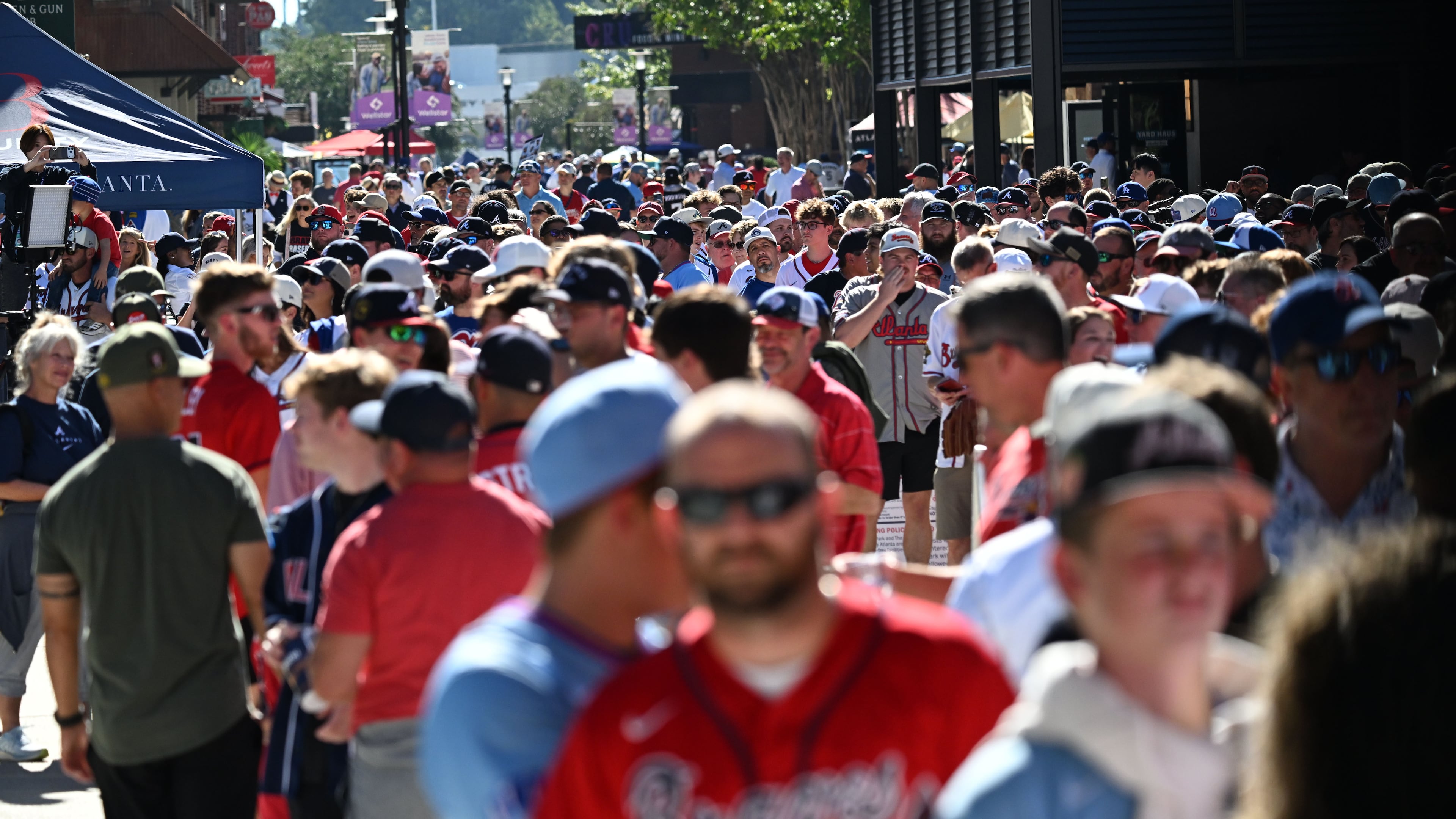

The collective bargaining agreement between MLB and the MLB Players Association expires Dec. 1 at 11:59 p.m. — and after that, if there’s no agreement, the league is expected to be in a lockout.
What does that mean for this final week of November and for the league moving forward? Here are five questions and answers about the impending MLB work stoppage:
1. What is the MLB lockout?
In simplest terms, if the MLB and MLBPA cannot come to terms on a CBA by the end of Dec. 1, professional baseball players will be “locked out” by their respective clubs. Until a new deal is agreed upon, any player currently on a team’s 40-man roster is not permitted to have contact with their club, use the club’s facilities, or receive medical care or training instruction from its club.
2. What is the main issue at hand?
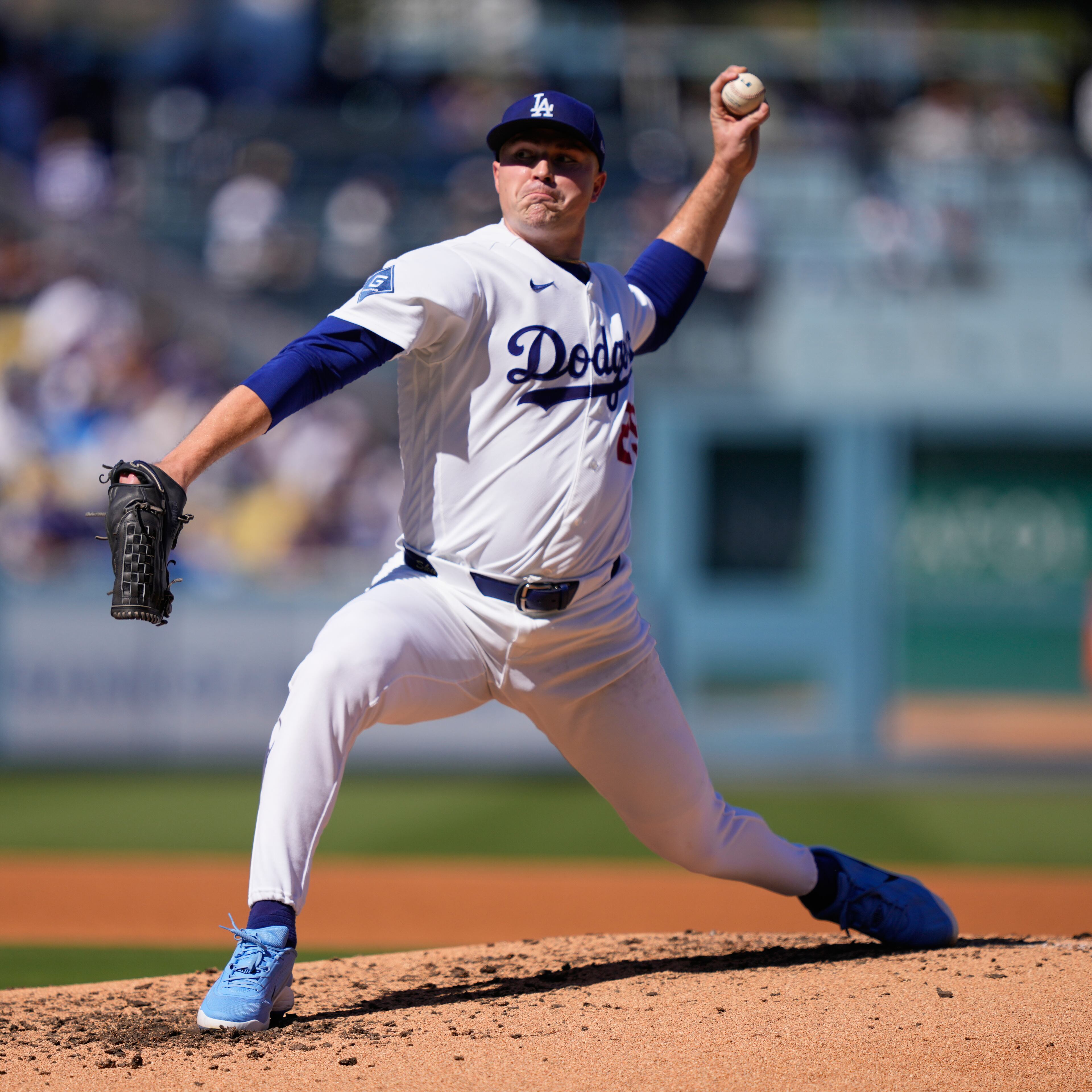
MLB and its owners prefer a salary cap, i.e., a set limit that each MLB team can spend on its player payroll. Under the current agreement, and historically, MLB teams have been free to spend at will — the Dodgers’ projected payroll in 2027 is more than $450 million, while the Nationals’ is just $54 million, according to FanGraphs.
A salary cap (and possibly a salary floor, which would mandate teams spend a minimum amount) would arguably create more parity across the league.
The MLBPA is against such an agreement, wanting players to continue to make as much money as possible. The 2026 World Series, in which the Brewers (2026 payroll of $142 million) defeated the Rays ($90 million), works in the MLBPA’s favor.
3. How are teams currently approaching the impending lockout?
Since the final out of the World Series in late October, it has been business as usual for most teams this offseason. An impending lockout hasn’t seemed to deter anyone from making trades or signing free agents.
The Mets on Sunday agreed to terms with pitcher Tarik Skubal in a record deal. The Royals traded third baseman Maikel Garcia to the Mariners. The Braves gave free-agent reliever Evan Phillips a three-year deal.
“The only thing we know, is what we have in front of us, what the rules are,” Braves president of baseball operations Alex Anthopoulos said during the GM meetings in Las Vegas this month. “We’re proceeding in this offseason like we have any other time. There’s no changes at all. That, to me, is the right way to go about it. It’s status quo. We’re trying to make trades. We’re trying to sign players. We’re trying to get better.”
4. How long will the lockout last?
There is no answer for this question.
But for reference, a similar lockout five years ago lasted 99 days and delayed the start of the season by a week, after a shortened spring training.
This particular lockout will likely have a similar timeline, although there is a strong possibility it may last longer.
5. What dates are important to know?
After Dec. 1, attention turns toward the second week of February — that’s when spring training is scheduled to begin. The MLB and MLBPA can meet and come to an agreement any time before then, but if they don’t, MLB’s exhibition season won’t start on time.
MLB’s regular season is scheduled to begin March 24. If there hasn’t been a resolution, say, two weeks before then, the league will have to adjust/shorten its 162-game regular season.