Cyclospora lettuce recall: How to wash produce safely
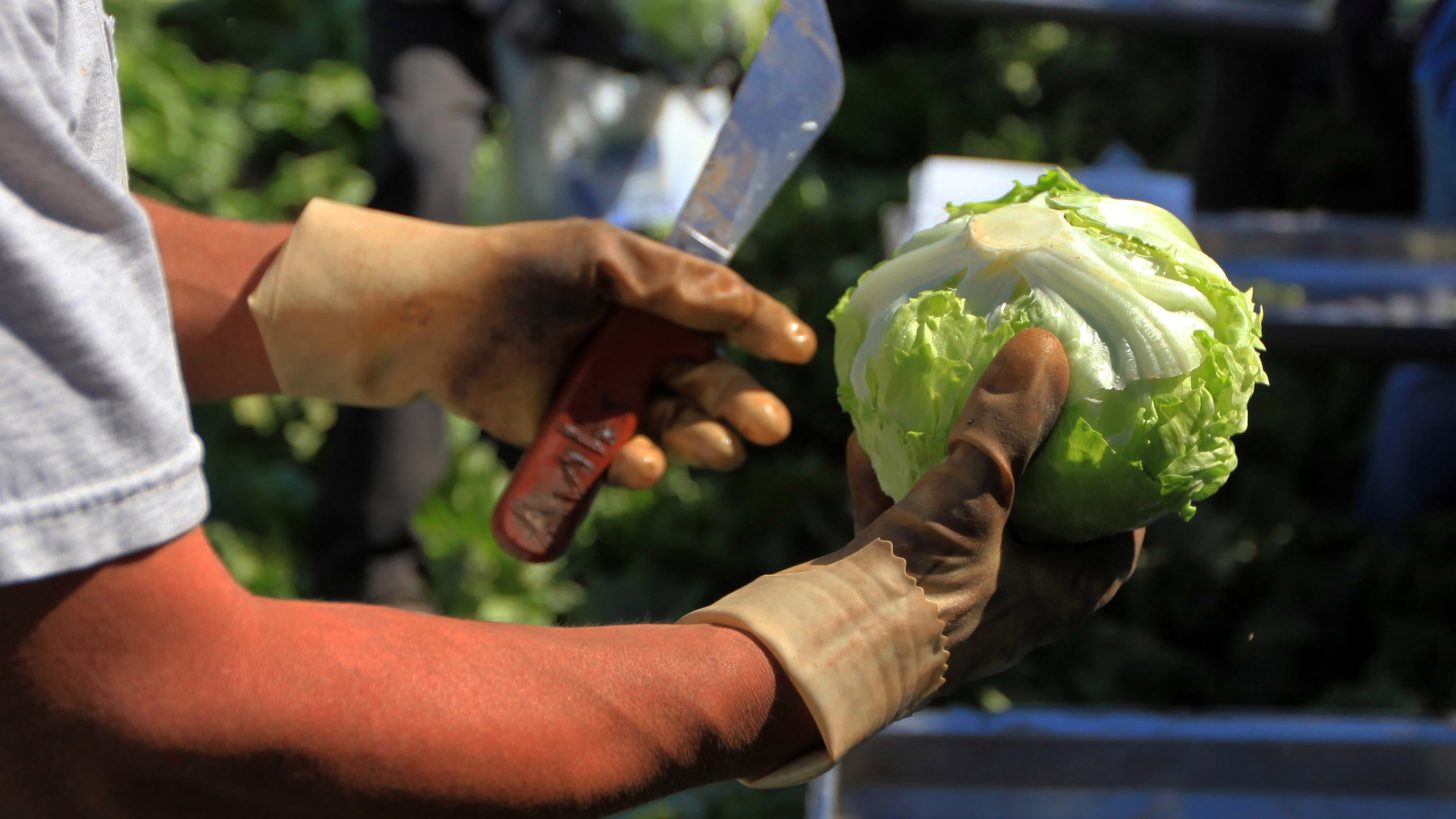
A recent lettuce recall linked to a multistate cyclospora outbreak is a reminder that fresh produce, while an important part of a healthy diet, can sometimes carry harmful germs. Knowing how to properly wash fruits and vegetables can help reduce the risk of foodborne illnesses.
The recall affects 27 states, including Georgia, and involves shredded iceberg lettuce from Taylor Farms de Mexico that was served at Taco Bell locations in Indiana, Kentucky, Michigan, Ohio and West Virginia, according to the Centers for Disease Control and Prevention.
The CDC announced on July 18 that 1,644 people who ate at those locations have reported illnesses, contributing to more than 1,600 confirmed cases nationwide. Taylor Farms recalled the lettuce July 17.
The investigation received an update over the weekend: The FDA said a lettuce sample that initially tested positive for cyclospora on July 18 was reviewed again and found to be a false positive.
As of July 19, there are no confirmed positive product tests but the recall remains in effect. So what should consumers do when preparing lettuce and other fresh produce? Food safety experts say a few simple habits can make a difference.
Start with how you buy it
The Georgia Department of Public Health recommends washing your hands with soap and water before and after handling fresh produce and thoroughly rinsing all fruits and vegetables under running water before eating, cutting or cooking them, even if the package is labeled “prewashed.”
Because the recalled product in this outbreak was pre-shredded, some food safety experts recommend buying whole heads of lettuce when possible and discarding the outer two to three leaves before preparation. Those outer leaves have the most contact with soil, handling and other surfaces.
What are the symptoms of cyclospora?
Cyclospora infection can cause gastrointestinal symptoms that may appear about one week after exposure, though the timing can vary. Symptoms may come and go and can last for weeks or longer without treatment.
Common symptoms include:
- Watery diarrhea
- Loss of appetite
- Weight loss
- Cramping
- Bloating or increased intestinal gas
- Nausea and fatigue
Source: Centers for Disease Control and Prevention
Wash it the right way
Scrub firm produce, like melons and cucumbers, with a clean produce brush, and cut away any bruised or damaged areas before eating, according to GDPH guidance.
For leafy greens like lettuce, the agency recommends rinsing the inner leaves thoroughly under clean, running water after discarding the outer layers. Avoid using soap, bleach or commercial produce washes.
A 2021 study published through the National Institutes of Health tested different washing methods for removing cyclospora from berries and found that rinsing with water and applying friction can help reduce contamination on smooth-surfaced produce. While the study did not specifically test lettuce, the findings support the importance of thorough rinsing and handling practices.
Cook it when you can
For lettuce and other greens that are typically cooked, applying heat can provide an additional layer of protection. The CDC says cyclospora is killed by adequate cooking temperatures reaching at least 158 degrees Fahrenheit.
While most people prefer lettuce and leafy greens raw, cooking them in soups, sautés or wilted salads is another option for those looking to lower their risk.
As health officials continue investigating the outbreak, consumers don’t need to avoid fresh produce altogether. Instead, experts recommend focusing on the everyday habits that can make a difference: buying wisely, washing carefully and handling fruits and vegetables safely from the grocery store to the kitchen.