Atlanta heat wave: Why experts are urging extra caution for kids right now

As Atlanta faces another stretch of dangerously high temperatures, parents are being reminded that children are at a greater risk for heat-related illnesses than adults.
Because children’s bodies heat up faster and cool down more slowly than adults’, even an afternoon sports practice or a trip to the playground can quickly become a heat emergency.
Children’s Healthcare of Atlanta is urging parents to know the warning signs before symptoms escalate and to have a plan to help kids stay safe throughout the summer.
How to spot the warning signs
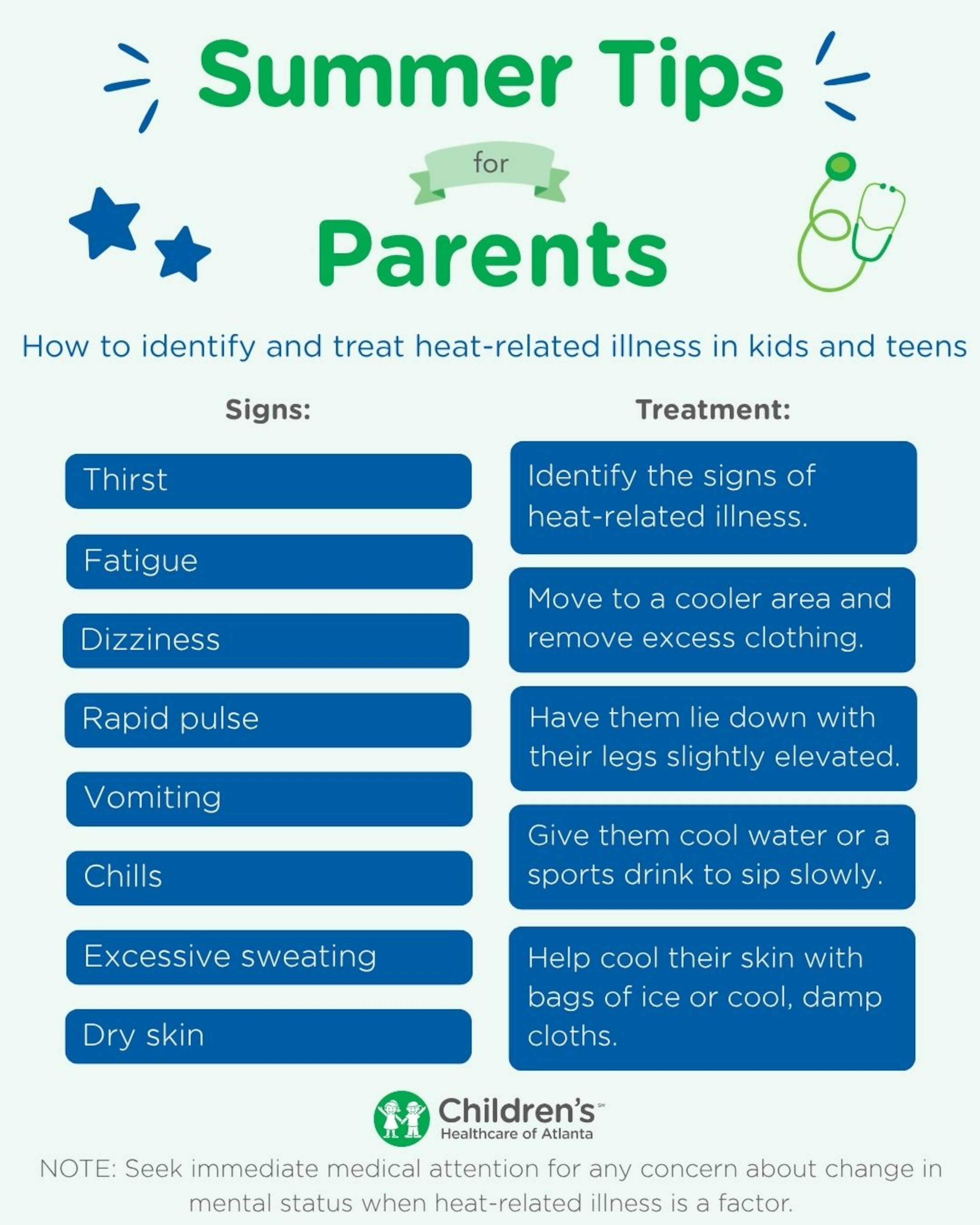
Heat-related illness in kids can show up in stages, and it doesn’t always look dramatic at first. According to Children’s, parents should watch for:
- Excessive thirst
- Fatigue
- Dizziness
- Rapid pulse
- Vomiting
- Chills
- Excessive sweating, or alternately, dry skin
According to experts, any change in a child’s mental status, such as confusion, disorientation or suddenly seeming “off,” is the red flag that means the illness may be progressing toward heatstroke and warrants immediate medical attention.
What to do when a child is overheated
Health experts recommend taking the following steps if a child appears to be overheated:
- First, move the child to a cooler area and remove excess clothing, then have them lie down with their legs slightly elevated.
- Next, give them cool water or a sports drink to sip slowly (not gulp) and help bring their body temperature down with bags of ice or cool, damp cloths.
- Finally, if symptoms don’t improve, or if there’s any concern about a change in mental status, call 911 right away. Heatstroke can cause permanent damage or death if it isn’t treated quickly.
Prevention matters most
The best defense is avoiding the danger zone altogether. Pediatric health experts recommend:
- Scheduling outdoor practices, play and chores for early morning or evening, avoiding the peak heat window between 10 a.m. and 5 p.m.
- Dressing kids in light, breathable clothing and applying sunscreen
- Building in regular water and shade breaks before kids say they’re thirsty
- Never leaving a child alone in a parked car, even for a few minutes; car interiors can climb more than 20 degrees above the outside temperature in under 10 minutes
Experts say coaches, camp counselors and anyone supervising kids outdoors should treat hydration breaks as nonnegotiable, not optional.
Children’s Healthcare of Atlanta has more heat safety resources, including guidance for young athletes, available through its Strong4Life program at Strong4Life.com.