The special session is over. But lawmakers could be back soon.
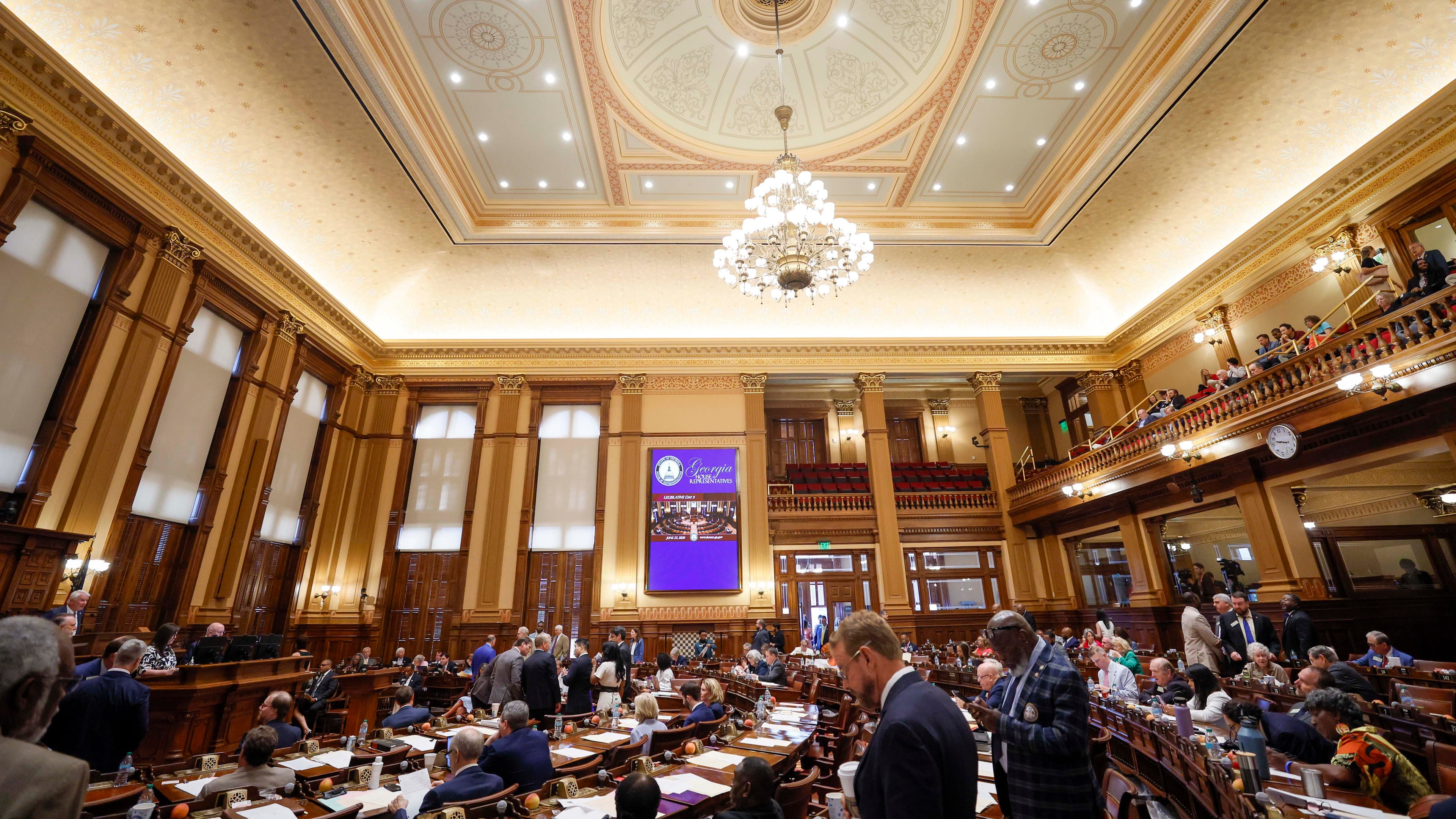
Today’s newsletter highlights
- Patty Durand sues over access to the Georgia Capitol.
- Josh McLaurin tries out being lieutenant governor.
- Democrats release video marking four years since Roe v. Wade was overturned.
Goodbye for now
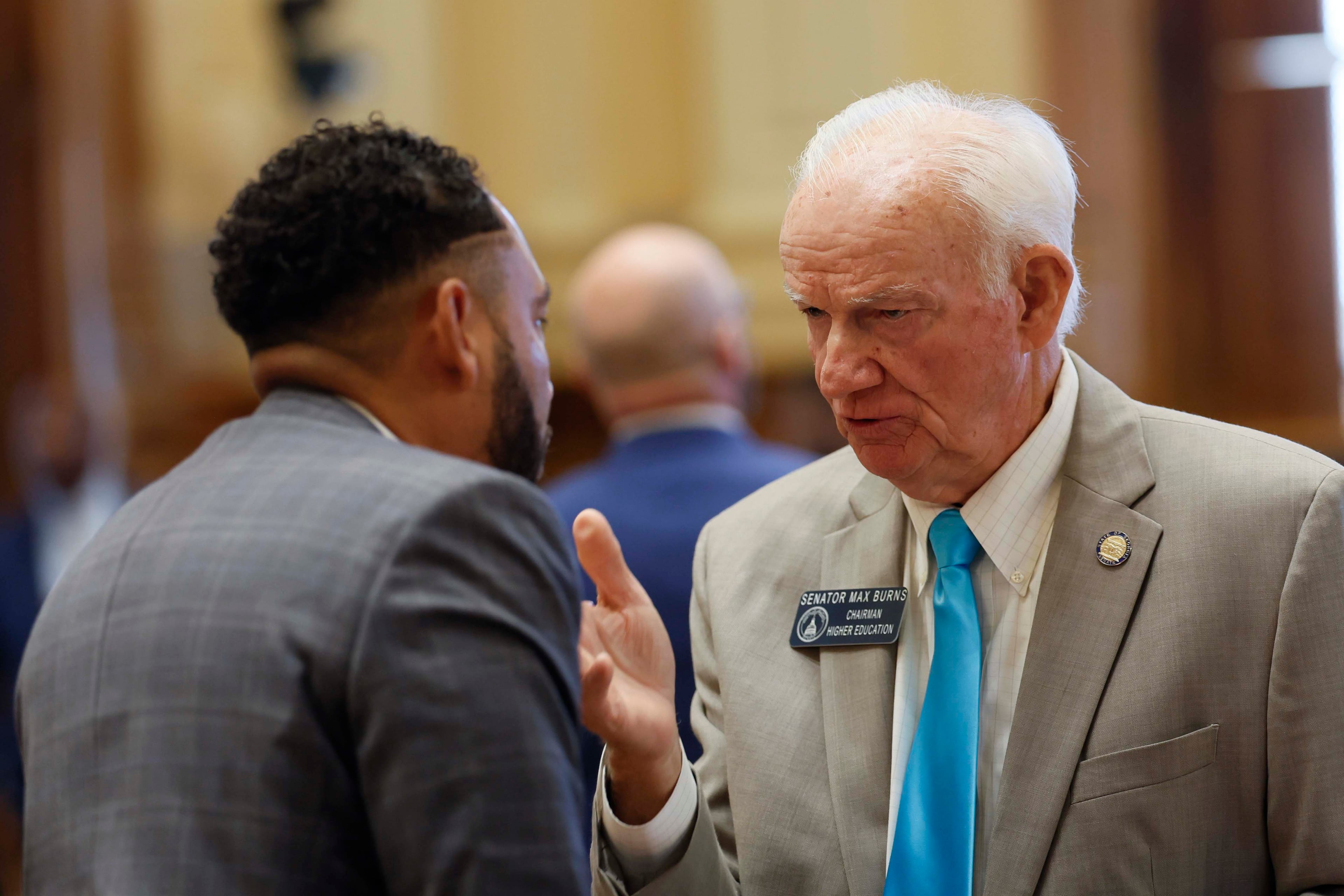
Georgia’s special legislative session ended with little to show for the effort of having lawmakers return to Atlanta for five days of midsummer work.
Lawmakers rejected Gov. Brian Kemp’s call to redraw Georgia’s political boundaries. They also delayed a fight over voting machines and ballot-counting by pushing the state deadline to end the use of QR codes into the next full legislative session in January. And they failed to reach a consensus on measures Republicans said would lower property taxes for Georgia homeowners but Democrats warned would raise sales taxes instead.
As legislators left the Capitol for their summer breaks, they also knew the farewell might be temporary. Kemp could call them back later this year for another special session to redraw the maps, especially if Democrat Keisha Lance Bottoms wins the governor’s race in November.
Before he adjourned the Senate chamber Sine Die, Lt. Gov. Burt Jones left his Senate colleagues with that reminder, and a word of warning for the Republicans in the room.
“They say we might be back in November, so this might not be goodbye,” he said. “But if we come back to redraw lines in November, it ain’t the Democrats that need to be worried.”
Things to know
Good morning! Here are three things to know for today:
- A phone call from Rick Jackson offers a glimpse into Kemp’s thinking of why he decided to endorse Jones for governor, Greg Bluestein reports.
- Kevin Cooke, a former Republican state lawmaker, has been tapped to lead the Small Business Administration’s Georgia office, Mirtha Donastorg reports.
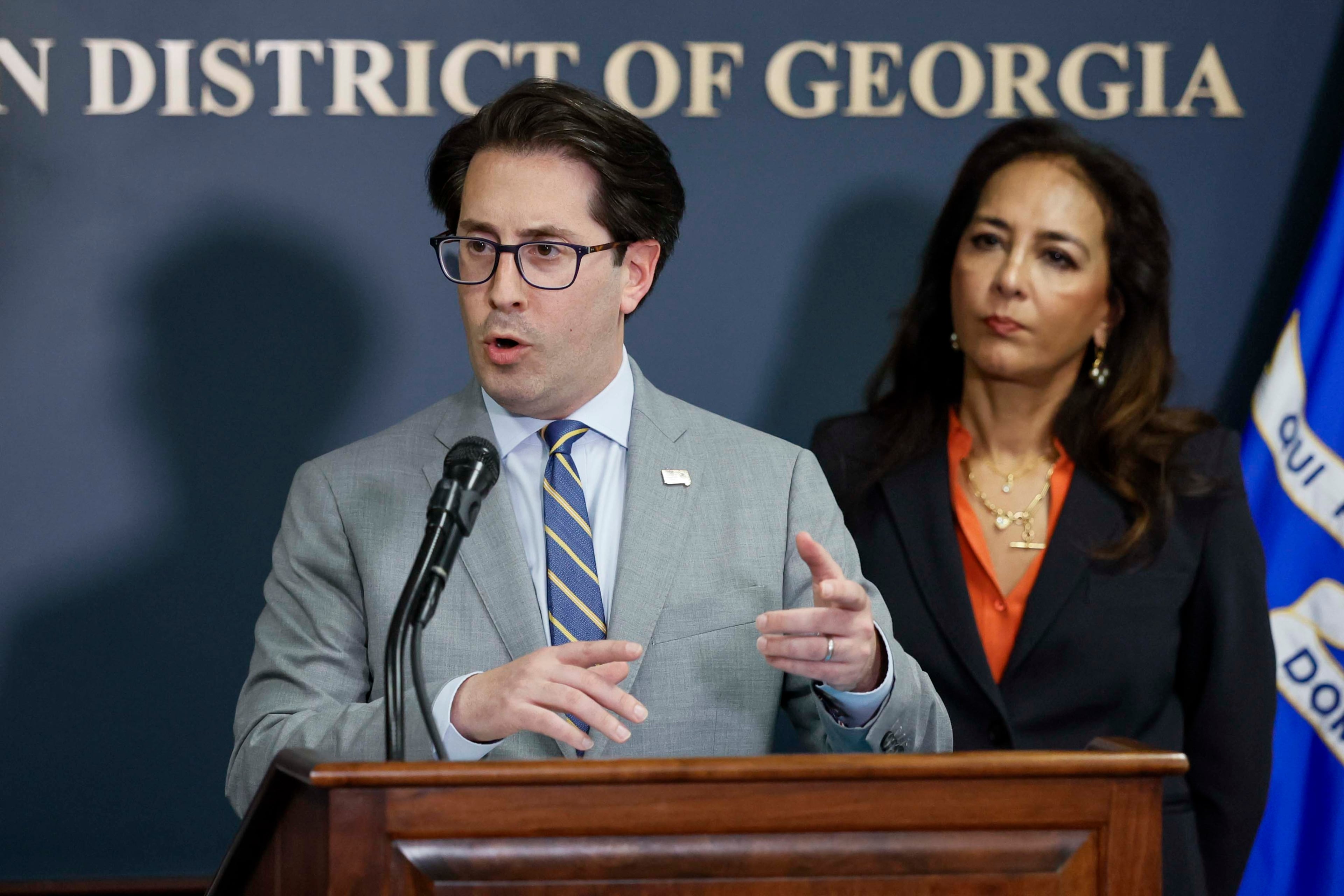
- U.S. Attorney Theodore Hertzberg told the AJC’s Rosie Manins he’s using every tool at his disposal, including some his predecessors ignored, to fulfill an aggressive crime-fighting philosophy.
Access denied

Patty Durand was not prosecuted for accusations of taking a booklet of Georgia Power’s trade secrets during a break in a Public Service Commission hearing last year. But eight months later, she’s still dealing with the repercussions of her arrest.
A condition of her bail was that she had to stay away from the commission’s offices, which are on Washington Street near the Capitol in downtown Atlanta. But when she tried to enter the Capitol in January, she was flagged by security. They wouldn’t let her stay unless she had a police escort.
In a lawsuit filed this week, Durand said at first she thought it was just a mistake. But then she said the head of the Capitol Police texted her, saying she would be arrested if she tried to enter the Capitol without an escort.
Durand sued, alleging the police are depriving her of her constitutional rights of free speech and to petition the government.
A spokesperson for the Georgia Department of Public Safety declined to comment.
Durand is no stranger to the courts. In 2022, she sued then-Public Service Commissioner Tim Echols after he blocked her and others on social media. Durand’s attorney says Echols eventually agreed to unblock her.
Test drive
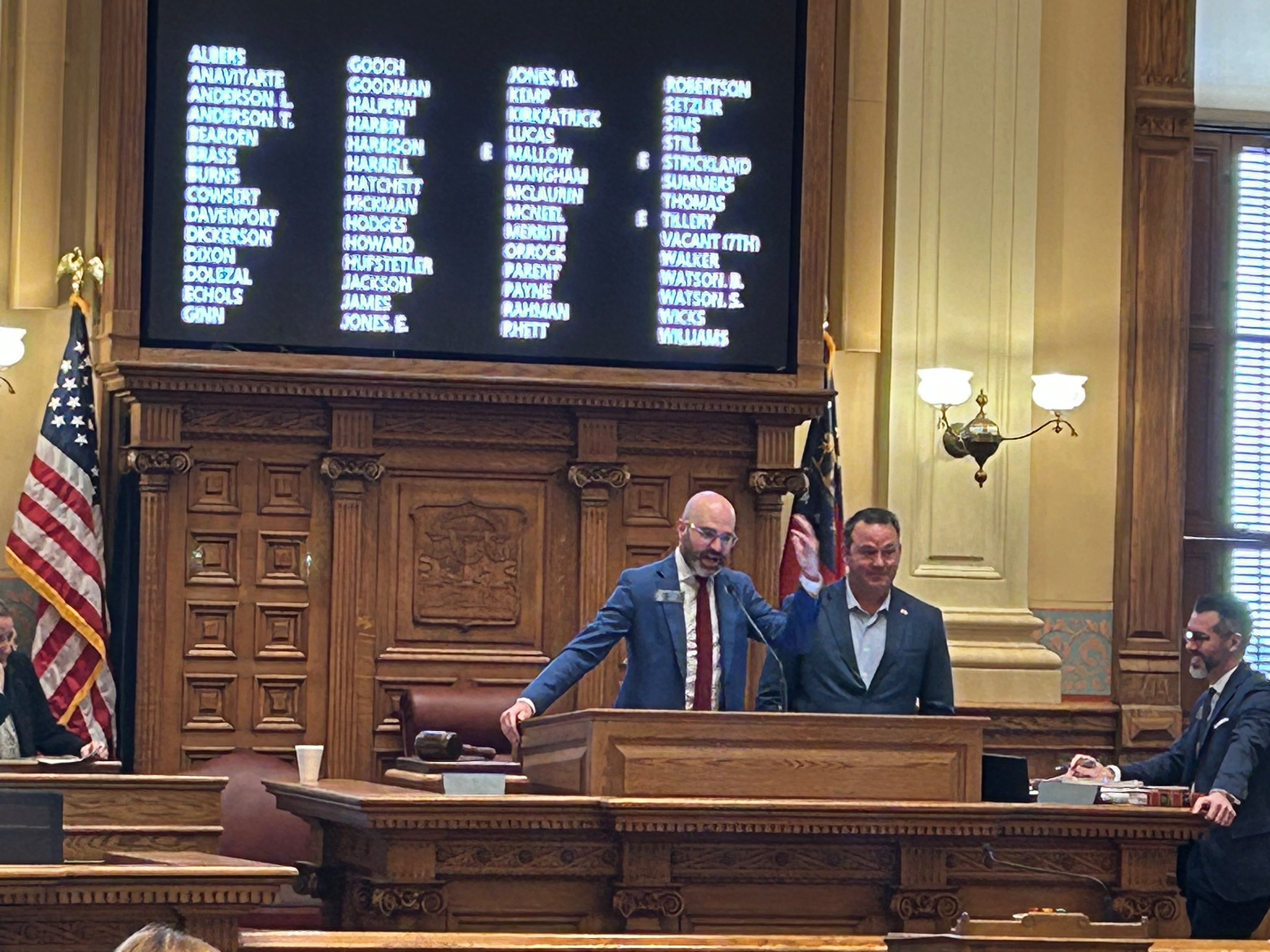
We won’t know until November who will be Georgia’s next lieutenant governor. But on Tuesday, Jones gave both contenders a chance to take the office out for a test drive.
During one of the many lulls in Tuesday’s special session, Jones invited Democratic state Sen. Josh McLaurin, the Democratic nominee for lieutenant governor, to briefly preside over the chamber.
“You want to see if you really want this thing or not, huh?” Jones asked him.
McLaurin spread his hands over the desk and appeared to have a little trouble turning the microphone on. He asked if any other senator wanted to speak, but no one did.
“Thanks very much everybody,” McLaurin said to a smattering of laughter and applause.
Jones also offered the Republican nominee — state Sen. Greg Dolezal — the same opportunity, but he declined.
Abortion documentary

Democrats are looking to put Georgia’s abortion law back in the spotlight ahead of the midterms.
The Democratic National Committee released a minidocumentary this morning to mark the fourth anniversary of the U.S. Supreme Court overturning Roe v. Wade. The video features Georgians impacted by the state’s abortion law banning the procedure when fetal cardiac activity is detected, which is often around six weeks of pregnancy.
It includes personal stories like that of Shanette Williams, whose daughter, Amber Nicole Thurman, died in 2022 after delayed care following complications of an at-home abortion. And it includes testimony from Dr. Zuri Hemphill-Bryant, an Atlanta OB-GYN who discusses navigating the law.
“My job has absolutely gotten harder,” shesaid. “There’s a lot more uncertainty when I have patients tell me that they don’t want to keep a pregnancy.”
The video also points to Georgia’s maternal mortality rate that state leaders have struggled to combat for years.
“A lot of my Black patients come to me with a lot of fear around navigating the healthcare system, scared that they’re not going to come out of their pregnancies alive,” Hemphill-Bryant said. “There’s a lot of trauma.”
Listen up

Today on the “Politically Georgia” podcast we break down why a rodeo in Perry became an early test of GOP unity. Plus, we discuss how Rick Jackson is navigating Trump, the state party and a fall campaign where his biography and money will be part of the story.
You can listen and subscribe to “Politically Georgia” for free on Apple Podcasts, Spotify, YouTube or wherever you get your podcasts.
Have a question or comment for the show? Email us at politicallygeorgia@ajc.com or give us a call at 770-810-5297 and you could be featured on a future episode.
Road to housing

Tuesday’s vote in the U.S. House to approve an affordable housing bill was overwhelmingly bipartisan, with just 32 Republicans opposing the legislation and everyone else in favor.
Georgia U.S. Reps. Andrew Clyde and Clay Fuller were among those in the GOP voting “no.” Clyde, of Athens, had joined a group of hard-line Republicans who vowed to oppose any bill passed in the Senate in protest of that chamber’s failure to move forward with the SAVE America Act, a bill that would enact strict rules for registering to vote and casting a ballot.
Fuller, who lives in Lookout Mountain, was not among the lawmakers who initially signed on to that pledge. He has not publicly commented on his vote and did not respond to our inquiries last night.
The revised bill that passed both chambers preserved language backed by U.S. Sen. Raphael Warnock prohibiting large companies from owning more than 350 single-family homes. If they exceed the cap, they face steep fines. But, at the House’s insistence, language was removed that would have required companies to sell off homes built as rental properties after seven years.
“This is a major win for ordinary Americans and a great first step toward addressing the housing crisis that plagues our country,” Warnock said in a statement after the House vote.
Today in Washington
- President Donald Trump will sign the 21st Century ROAD to Housing Act into law and then have lunch at the Capitol with Senate Republicans. Later, he will meet with NATO Secretary-General Mark Rutte and speak at a celebration kicking off the Great American State Fair.
- The House will vote on bills related to small business regulations and gun purchases.
- The Senate will vote on more Trump nominations.
- Postmaster General David Steiner will testify on U.S. Postal Service operations during a Senate Homeland Security Committee hearing.
Shoutouts
Today’s birthday:
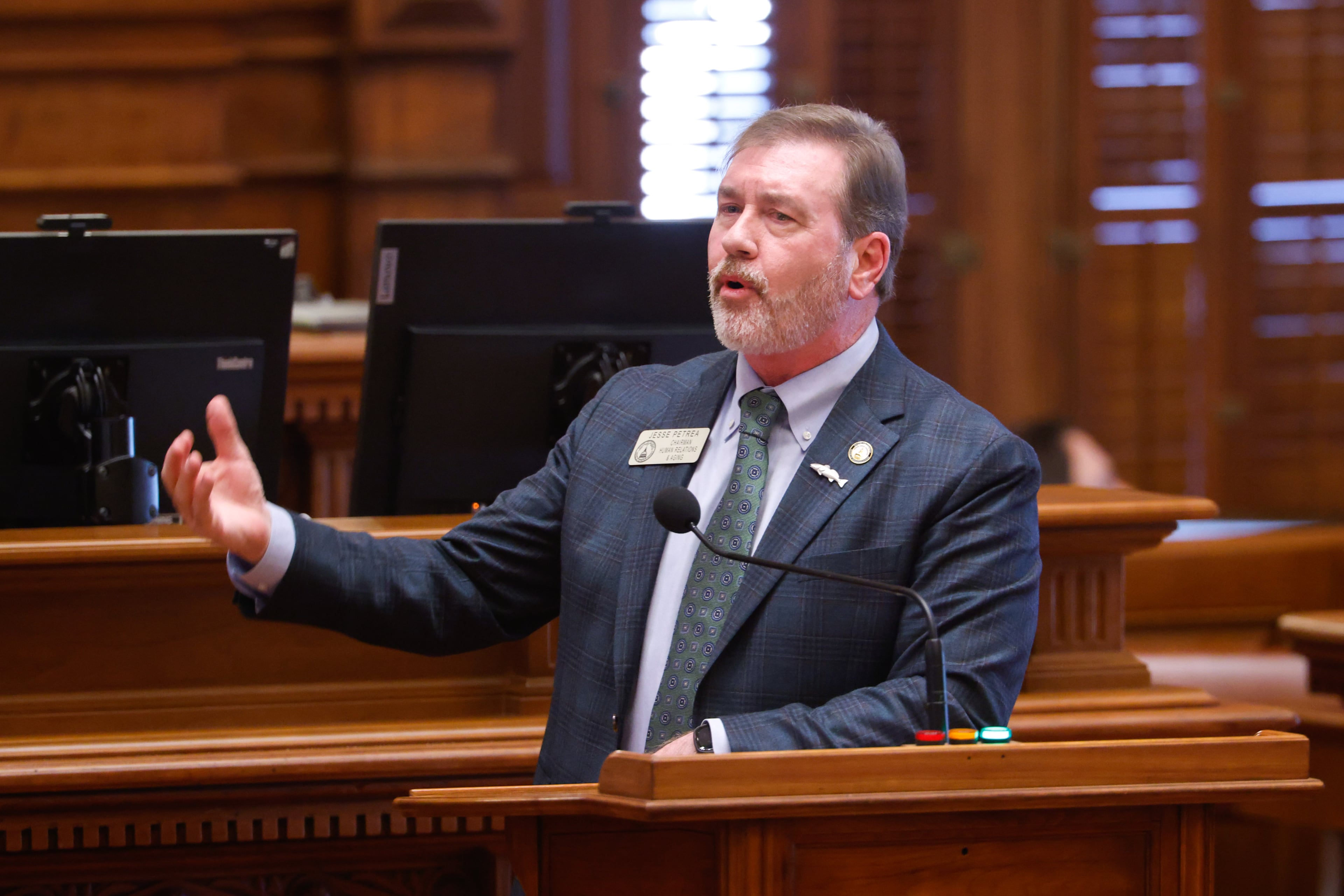
- State Rep. Jesse Petrea, R-Savannah.
Transition:
- Ben Jarrard, chief of staff to state Senate Majority Leader Jason Anavitarte, is joining the Dentons public policy team as senior policy director. He’ll work alongside Walker Boothe, Stephen Lawson, Megan Mercer, Sam Olens, Falak Sabbak and Eric Tanenblatt.
Want a birthday shoutout in the Politically Georgia newsletter? There’s a form for that. It’s not just birthdays. We’re also interested in new jobs, engagements, birth announcements, etc.
Before you go

The DeKalb County Commission on Tuesday voted unanimously against the latest draft of legislation that would have created regulations for data centers.
That’ll do it for us today. As always, you can send your best scoops, gossip and insider information to greg.bluestein@ajc.com, tia.mitchell@ajc.com, patricia.murphy@ajc.com and adam.beam@ajc.com.