Georgia Republican leaders nix redistricting plans amid pushback
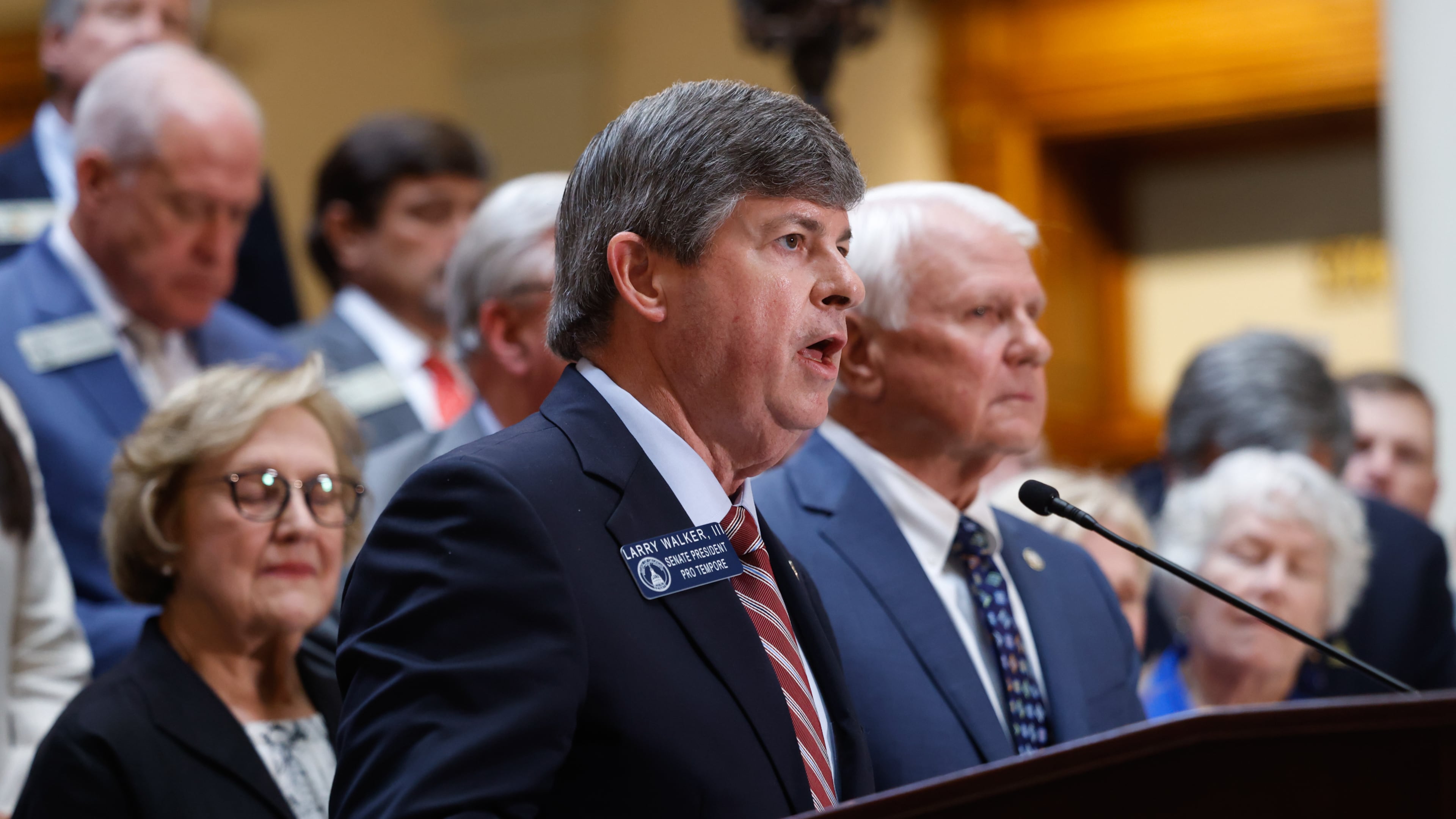
Georgia Republican leaders won’t redraw the state’s political maps during a special legislative session that starts Wednesday, retreating from a proposal that had threatened to ignite one of the state’s most explosive political fights ahead of the November election.
The decision comes after weeks of mounting pressure from Democrats, voting rights groups and even some uneasy Republicans who warned that reopening redistricting could energize Democratic voters and overshadow a pivotal stretch of the campaign season.
In a letter to Gov. Brian Kemp, House Speaker Jon Burns pointed to pending litigation over Georgia’s 2021 maps as a reason to pause the redistricting push, arguing that lawmakers should not rush into another overhaul while the courts are still weighing the boundaries already in place.
“Changes to Georgia’s maps should take place only when members of the General Assembly and citizens have been given ample opportunity to gather the facts, provide input, and engage in meaningful discussion,” Burns wrote. “For this reason, we will not be taking up congressional or legislative redistricting for the 2028 election cycle during this special session.”
Every member of the Georgia House Republican leadership team signed the letter. Senate President Pro Tem Larry Walker III, the chamber’s top Republican, said his caucus stands “united” with the House.
The move immediately sparked a rift with Kemp and other Republicans who said the process should still move forward.
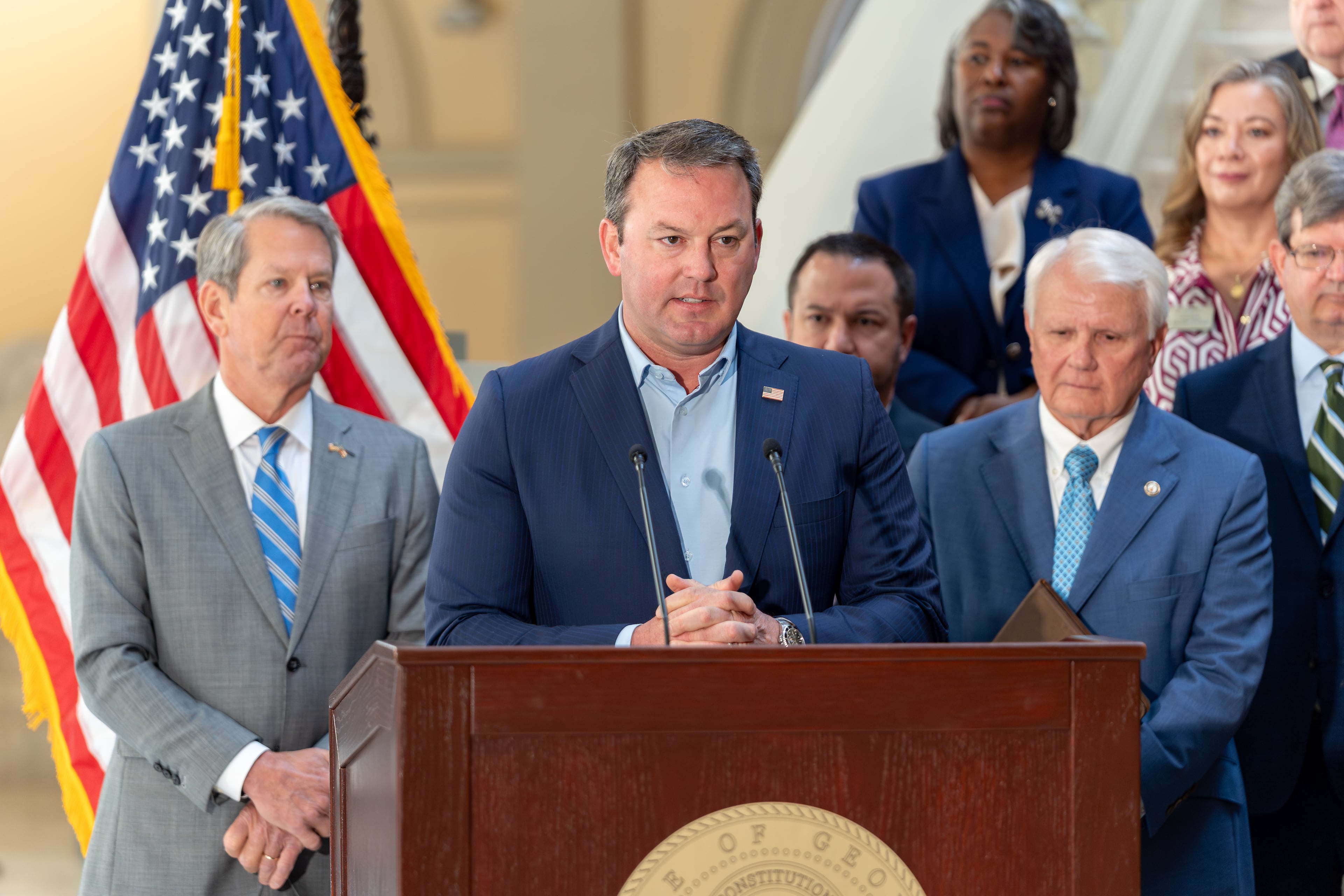
“I do not believe there is reason to delay the apportionment process, especially with the legislature already convening,” Kemp said. “Legislative districting, however, is the responsibility of the General Assembly, and it is within their discretion to defer the issue until a later date.”
And Lt. Gov. Burt Jones, the president of the Senate who lost the Republican nomination for governor Tuesday, added that “we owe it to the voters that elected us to deliver on this critical issue.”
“I stand behind the governor’s plan to redraw the maps during this special session,” Jones said. “Failure to deliver is not an outcome I am willing to accept. We need to do our jobs and get this done.”
Lawmakers still convened a special session Wednesday to address a deadline on how Georgia counts votes. But the plan to redraw political boundaries this summer for the 2028 cycle is now on hold.
The reversal marks a significant shift as Republican leaders only weeks ago signaled they were prepared to redraw congressional and state legislative boundaries after a U.S. Supreme Court ruling that weakened key provisions of the Voting Rights Act.
Kemp had argued the maps would eventually need to be redrawn either way and said a post-runoff special session offered an opportunity to tackle the issue before the 2028 election cycle.
No drafts of the proposed boundaries had emerged, though Senate leaders say they have drafted versions. But many GOP officials expected the maps to target at least two Democratic-held U.S. House seats and several more state legislative districts now represented by Democrats.
But as preparations intensified, so did the political risks.
Democratic lawmakers from Georgia and other Southern states held a rally Monday timed to coincide with Atlanta’s debut World Cup match.
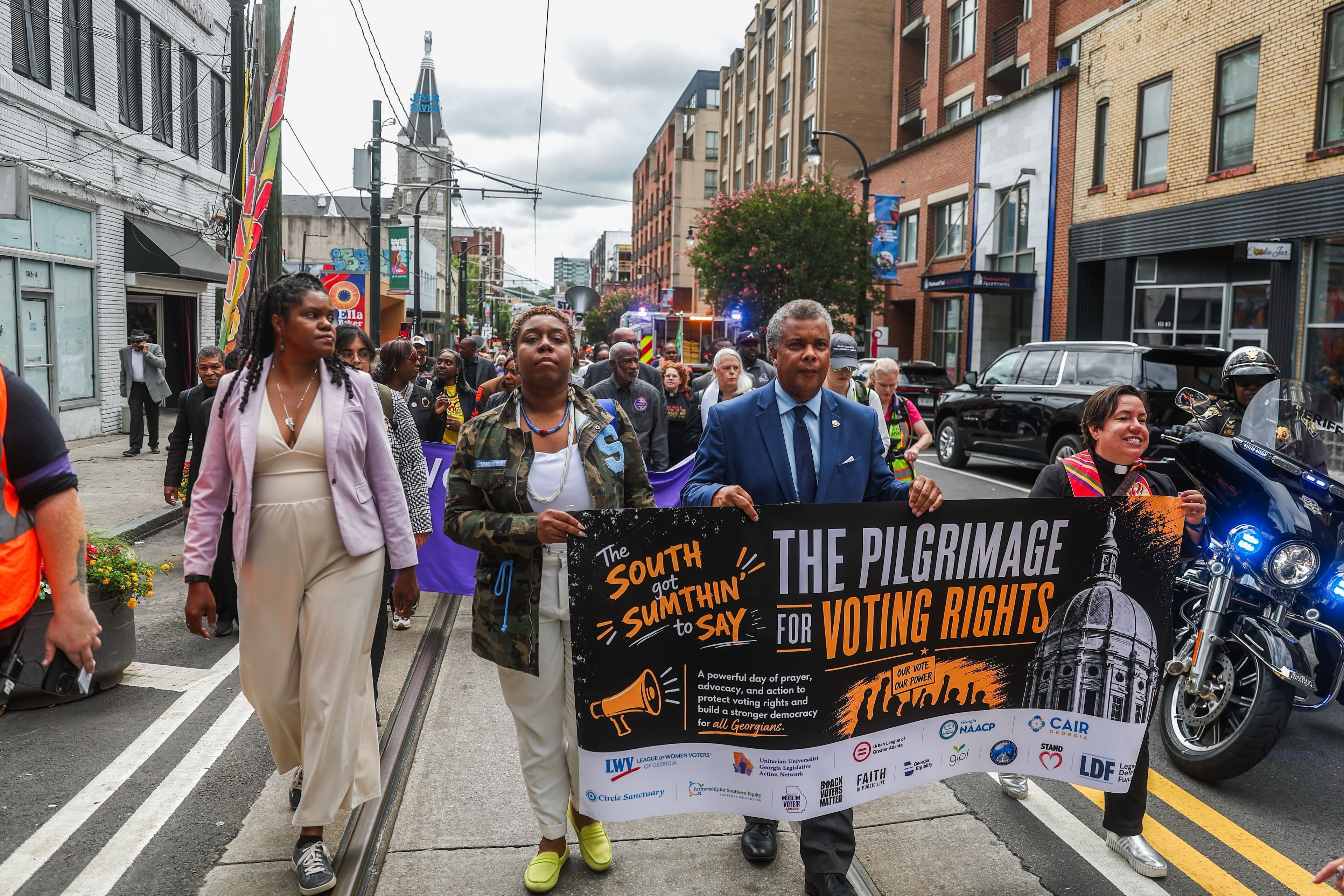
On Wednesday, faith leaders and voting rights groups marched to the Georgia Capitol as civil rights and organized labor groups held a news conference. Black political leaders framed the issue as an attempt to roll back decades of political progress.
The prospect of a prolonged fight alarmed some Republicans. Several GOP lawmakers privately questioned if redistricting was worth the political cost, particularly when there was no court order requiring Georgia to immediately redraw its maps.
Others worried the fight would hand their rivals a potent mobilizing issue at a time when Republicans hoped to focus attention on the affordability and public safety arguments against a Democratic ticket led by U.S. Sen. Jon Ossoff and former Atlanta Mayor Keisha Lance Bottoms, the Democratic nominee for governor.
The concerns intensified after Tuesday’s runoff elections settled the Republican ticket for governor and U.S. Senate.
With the primaries over, many Republicans saw little advantage in launching a tempestuous redistricting battle that could provide Democrats with a rallying cry heading into the fall campaign.
Jones’ defeat in the Republican runoff for governor removed a crucial player from the equation.
Had he won the GOP nomination, the Trump-backed candidate would have faced pressure to use his role as president of the Senate to deliver on new maps. Instead, his loss likely deprives the effort of one of its most important potential champions.
The decision leaves unresolved a broader debate over whether Republicans should eventually redraw the maps to take advantage of the Supreme Court ruling and solidify GOP gains for the rest of the decade.
Kemp could still call another special session later this year — especially if Bottoms were to win the governor’s race. Republicans could pass new maps and have Kemp sign them into law before he leaves office.
Democratic Party of Georgia chair Charlie Bailey said his party isn’t resting easy.
“It’s unequivocally a win for the people of Georgia that they aren’t moving forward. But they need to be very careful about playing political games,” he said. “The same risk is still out there. All they’re doing so far is saying they aren’t doing it yet. What they should say is they’re not doing it at all because it’s wrong.”