Stadium brings $6.5 million for schools, but Cobb still on the hook
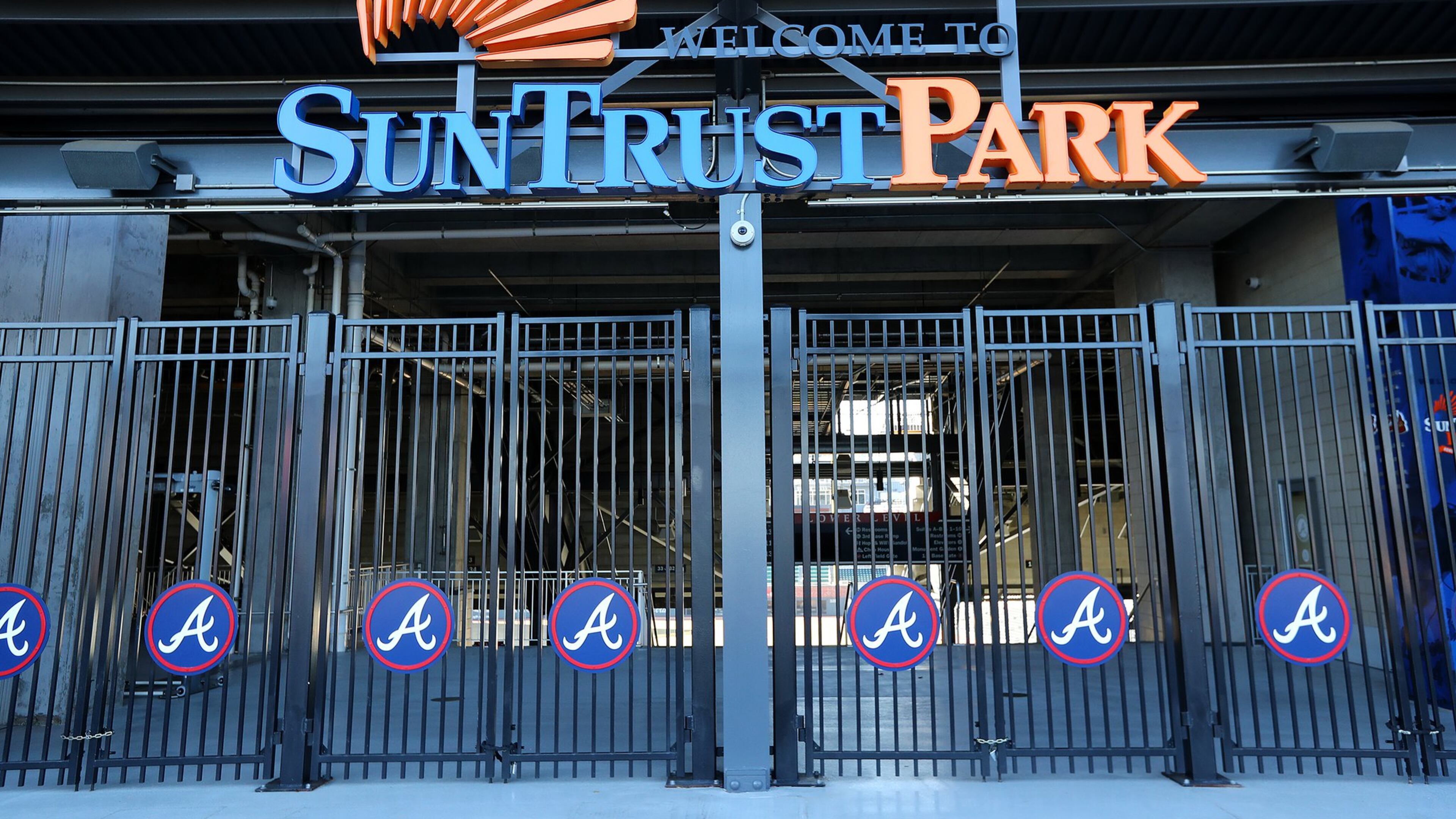
The new Braves stadium brought in $6.5 million for Cobb schools from sales and property taxes last year, a bright spot for the county that nevertheless does not change the ballpark's cost burden to taxpayers.
In addition to the money for schools, stadium sales taxes also raised $2.5 million for the county’s SPLOST program which goes to fund specific voter-approved projects, mostly transportation-oriented.
Cobb's cost for the stadium in 2018 was $25 million, $22 million of which went to debt service payments. The county's contribution included $5.8 million in subsidies from the general fund and more than $10 million in other taxes and fees from commercial properties, car rentals and hotel rooms.
The Braves paid $8.4 million.
The sales tax figures were presented during a work session on county finances Monday afternoon. Sales tax revenue does not flow to the county’s general fund.
“There’s been so much emphasis based on the general fund,” said Commissioner Bob Ott, who represents the district where the stadium is located. He added that the sales tax amounted to “some serious dollars, especially for the schools.”
The Cobb School District’s 2019 budget is $1.2 billion.
Chairman Mike Boyce, who won election in 2016 thanks largely to voter anger over the handling of the stadium deal, welcomed the numbers presented Monday.
“I’m sure everyone is delighted to hear that this project is on a positive slope,” Boyce said.
At the same meeting, commissioners also heard from an external auditor who reported the county had increased its fund balance by about $40 million. Overall, revenue and expenses were both up, with changes to payroll and, and increases to both the tax digest and the millage rate.
“We took a really good step in the right direction last year,” said county Finance Director Bill Volckmann.