Georgia deputies quietly helped ICE. Now an officer faces a criminal probe.

Since President Donald Trump’s White House return last year, Immigration and Customs Enforcement has enrolled roughly 90 law enforcement agencies across Georgia into a program that grants police the authority to act as immigration agents — as long as they complete mandatory training.
ICE regularly updates the list of police departments and sheriff’s offices that participate in this program, dubbed 287(g), on its website.
But a string of traffic stops that led to around 17 immigration arrests this year in Habersham and Camden counties took place outside the structure and visibility of the program. And in one case, the GBI has launched a use-of-force probe of an officer after The Atlanta Journal-Constitution raised questions about his conduct, seen in video footage of the stop.
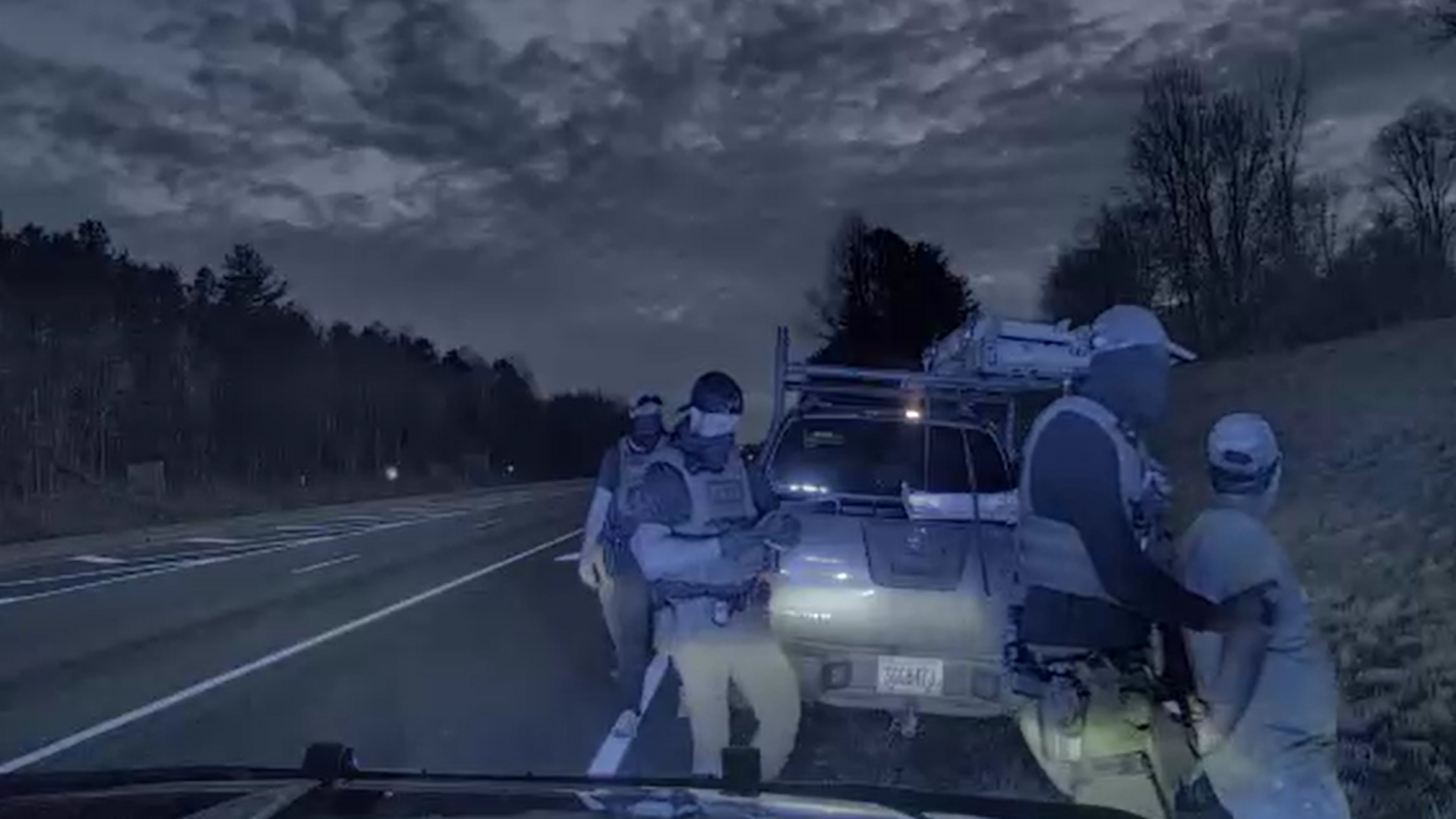
The videos, released through the state’s Open Records Act, capture a pattern: officers pulling over work vans or pickup trucks with no indication of a traffic infraction documented either in police reports or from dashcam video. The officers then request IDs of all occupants before sharing that information with immigration agents.
The AJC has been tracking these more informal collaborations for transparency into how local departments are participating in Trump’s policy of mass detention and deportation, and the news organization previously uncovered three instances of roadside partnerships between ICE and local law enforcement agencies since the start of Trump’s second term.
The partnerships in Habersham and Camden yielded several immigration arrests. One also led to hazardous foot pursuits across a busy state road.
The local deputies’ involvement in immigration enforcement rested on several traffic stops in February and March. Officers’ actions during those stops raise fresh questions about how far local police can go in helping federal authorities find and detain individuals on Georgia roads for deportation.
After the AJC made inquiries about two March stops in Camden County, a spokesperson with the sheriff’s office confirmed Oct. 19 that both incidents had been forwarded to the GBI for review, and that a criminal investigation had been opened.

The GBI confirmed an “active and ongoing” use-of-force investigation from one of the stops, which involved the passenger in a truck being shocked with a Taser and physically removed from the vehicle. A deputy then took the man to a federal immigration agent waiting at a nearby gas station.
Just how widespread this kind of collaboration is in Georgia remains unknown.
In one instance documented by the AJC in June, two Jefferson police officers pulling over vehicles for ICE in Jackson County exchanged messages stating work vans, often associated with immigrant laborers, were the “target.”

Undisclosed partnerships between local police and ICE can blur the lines between officers responsible for protecting community safety and federal immigration enforcement, which often targets people with no criminal histories who live and work in those communities.
Video of the stops initiated by the Camden and Habersham county sheriff’s offices show collaboration taking different shapes — from ICE riding along with local police, to the local officers summoning masked immigration agents to the scenes of stops.
Thaddeus Johnson, a Georgia State University criminology professor and a former Memphis police captain, said the “ambiguity” of operations that mix local policing and federal immigration enforcement can “ramp up fear,” increase mistrust in police and make encounters more volatile.
According to dashboard camera footage, two of the stops initiated by the Habersham County Sheriff’s Office on the evening of Feb. 20 featured individuals escaping a supposedly secured vehicle and attempting to run away from ICE on foot across a busy state road, setting off searches that also involved officers with the Alto and Baldwin municipal police departments.
“One of them almost got killed by a f---ing car,” a Habersham deputy is captured saying on video.
In Camden County, a sheriff deputy’s bodycam video shows him transporting individuals picked up during traffic stops to Border Patrol agents waiting at gas stations or on the side of the highway.
Even as polls show support for Trump’s handling of immigration has dipped, approval of ICE tactics remains largely split along partisan lines. As a result, citizens are likely to hold varying views on local crime-fighting resources contributing to deportations.
But the need for transparency around the role of police in immigration enforcement transcends political divides, Johnson said.
“I want to know how my taxpayer dollars are being spent for law enforcement and public safety.” he said. “I don’t think about, you know, ‘Oh, it’s good,’ or ‘It’s bad.’ These are the things that are going on … and you need to have conversations about it.”
‘Is he required to do all that?’
More drivers and their passengers become vulnerable to ICE arrest when federal agents collaborate with local police.
By itself, ICE may only pull over vehicles when there is reasonable suspicion of a violation of federal or immigration law. But local police can stop vehicles for any alleged traffic violation, no matter how minor.
Once a traffic stop is underway, federal immigration agents have an opening to question and arrest motorists and their passengers for being in the country without authorization.
“If we can get the police to stop cars for us, what we’ll do is you’ll pull them over, we’ll show up, take the IDs from you, y’all drive off,” a federal agent is heard on dashcam video explaining to a Habersham County deputy during one of the traffic stops. “That’s the way it should be.”
In order to set off that chain of events and initiate a stop, local officers need a legitimate traffic infraction or, in the absence of that, reasonable suspicion of criminal activity, according to Lawrenceville-based immigration attorney Arash Ebrahimi.
Being in the U.S. without legal status is a civil violation that, by itself, does not qualify, he noted.
A police officer “can’t just pull someone over because he thinks they don’t have lawful status. There has to be an underlying infraction to justify” the stop, Ebrahimi said.
Out of four Feb. 20 Habersham County stops and two March 27 Camden County stops reviewed by the AJC, all of which led to immigration arrests, local authorities produced just one incident report detailing an alleged traffic infraction: a vehicle crossing the white line on the shoulder of the road.
There is no documentation of traffic citations for the other stops, and police-provided footage does not capture evident infractions.
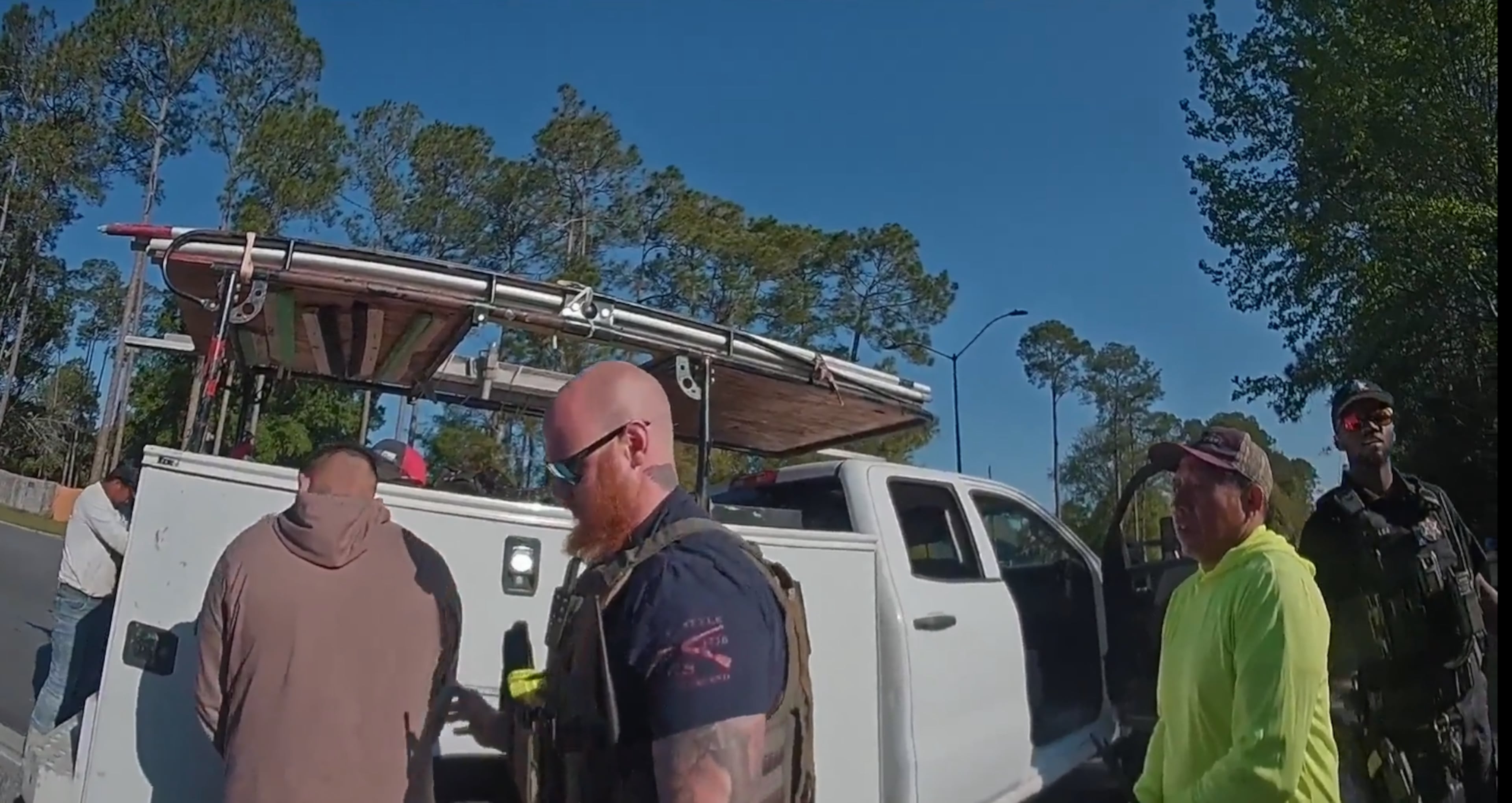
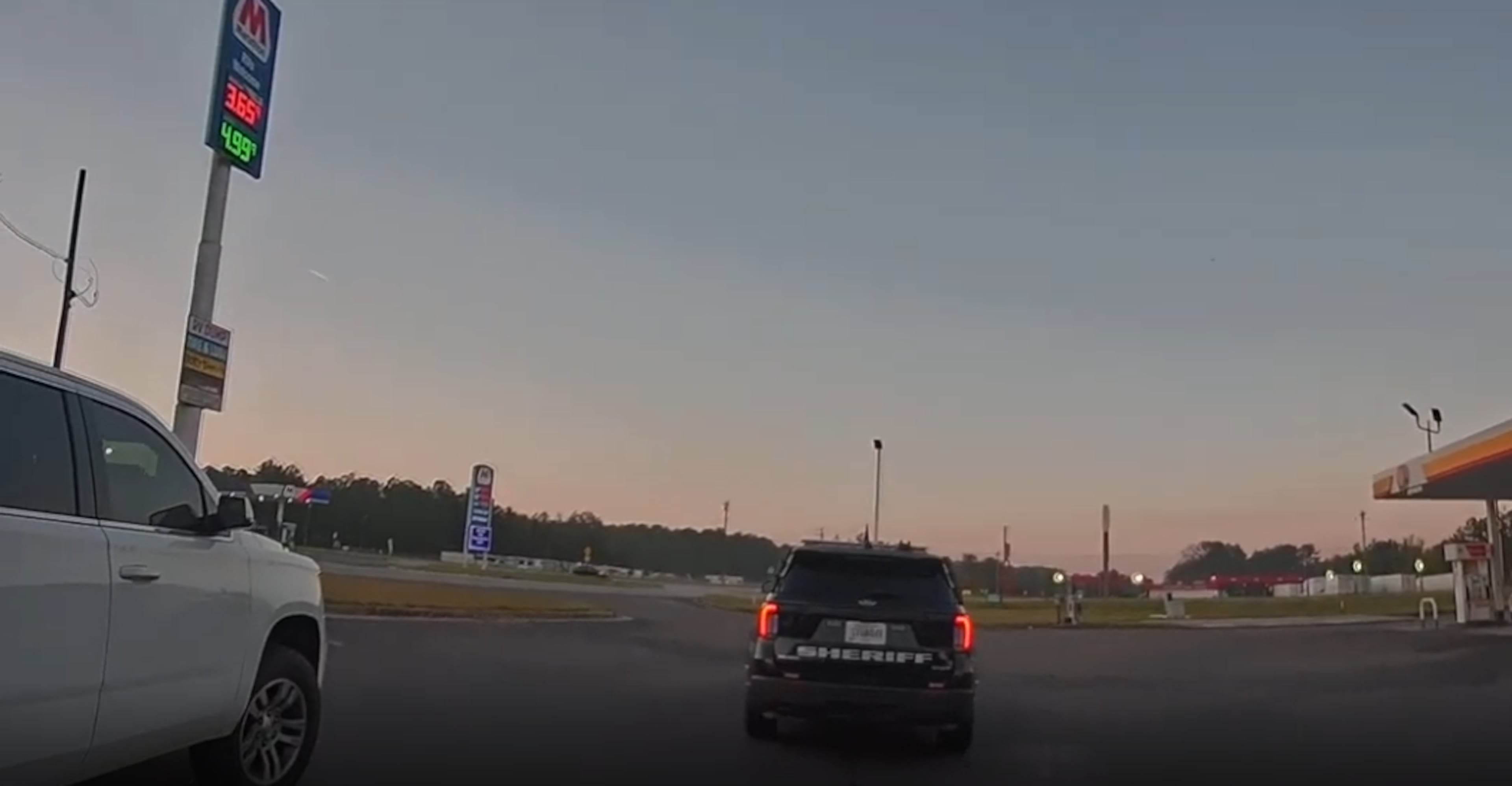
One of the Camden County stops under scrutiny by the GBI involved a sheriff’s deputy pulling over a red pickup truck carrying two men headed to work in the early morning, according to video and audio recordings of the stop. The driver engaged the deputy in fluent English and handed over his driver’s license. The deputy then requested ID from the man sitting in the passenger seat.
When he was told the passenger did not have identification on him, the deputy handed over pen and paper and asked the man to write down his name and date of birth. The driver translated the request for the passenger.
“Is he required to do all that?” the driver asked the deputy.
“Yes. Do it or I’m going to throw you in handcuffs,” the deputy replied.
According to Andrew Lampros, an Atlanta attorney whose practice areas include civil rights, Georgia courts have held that background checks on passengers not suspected of criminal activity can help police assess whether a detained driver poses a risk of violent behavior during a traffic stop. But while they may ask passengers for identification, officers “may not convey any message that a response is required,” a 2003 Georgia Court of Appeals ruling found.
After getting the passenger’s information, the deputy consulted his cellphone then grabbed a pair of handcuffs and arrested the passenger, identified in a county incident report as Huber Ramirez Morales.
“I’m taking him to Border Patrol and ICE … he’s here illegally,” the deputy said.
It is unclear how the officer made that determination, and an explanation was not provided by the Camden County Sheriff’s Office. A spokesperson said the agency could not answer questions about the stop because of the pending GBI investigation.
Under Georgia’s Illegal Immigration Reform and Enforcement Act of 2011, there must be probable cause of a criminal violation for police to check an individual’s immigration status, including by contacting federal officers, without consideration of race or national origin.
The law “does not allow law enforcement to demand identification based upon a hunch or suspicion,” Lampros said.
The arrest turned violent. The deputy used a Taser to place Ramirez Morales in handcuffs and remove him from the truck. The deputy who initiated the stop said on camera that he had resisted arrest. But in the footage, Ramirez Morales appeared confused over the officer’s English-language instructions.
“He’s lucky he didn’t get f---ed up,” the officer told the driver.
The deputy drove Ramirez Morales to a nearby gas station, where he met a federal agent who arrived in an unmarked vehicle. Sheriff’s Office records show the agent was with Border Patrol. He briefly asked Ramirez Morales about his immigration history, in Spanish. Then, the deputy drove Ramirez Morales to county jail.
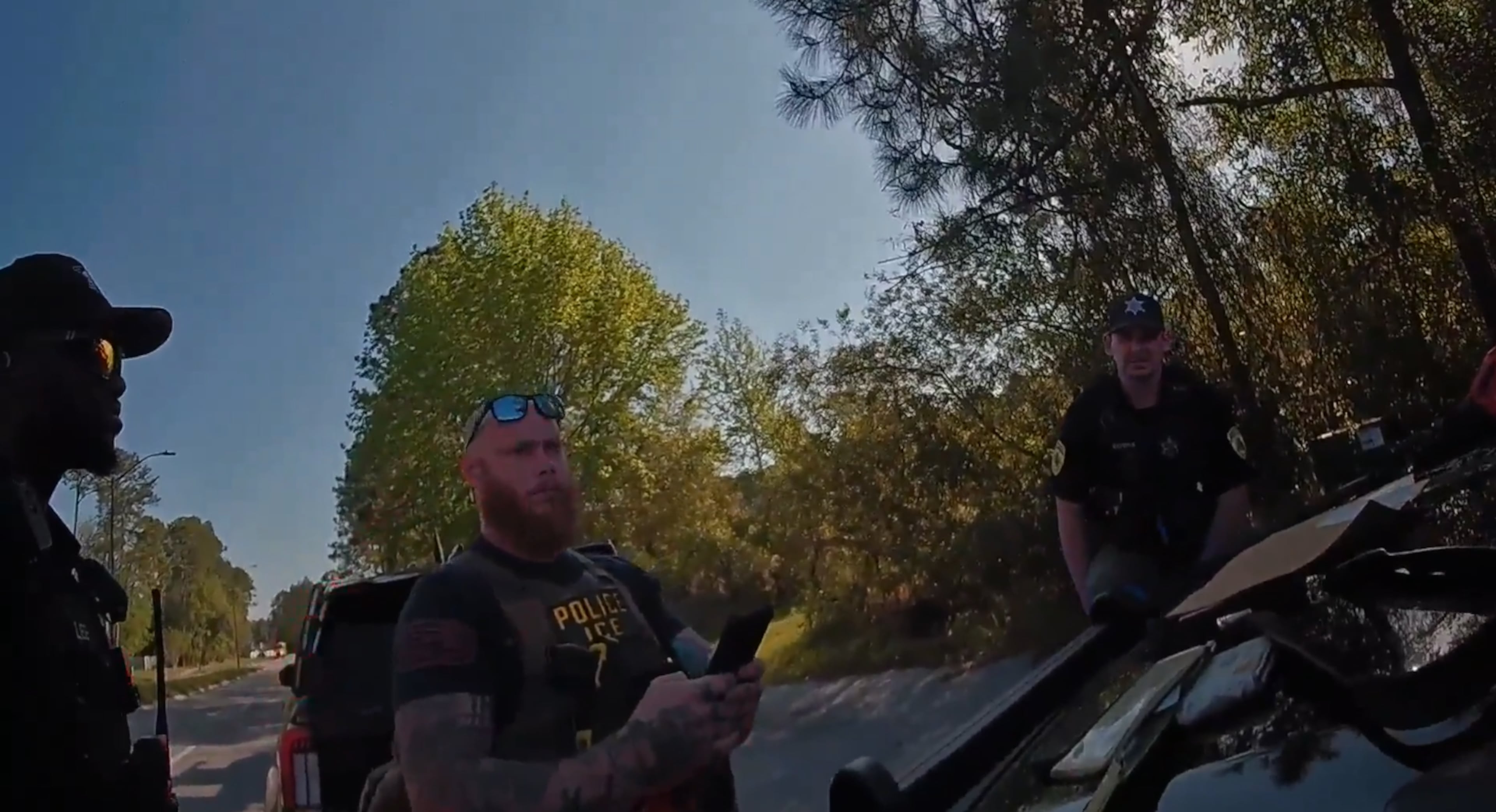
Later that morning, deputies riding in three patrol vehicles pulled over a work truck, with all four occupants being quickly asked for ID and arrested. In that stop, an agent wearing an ICE vest was embedded with the local officers throughout.
“I just show up and hop in y’all’s cars. I’m just along for the ride,” the ICE agent told his counterparts, according to body camera footage.
By the end of the day, 10 people had been booked into Camden County Jail with the sole charge of “hold by another agency,” book-in records show. The arresting agencies identified include the Camden County Sheriff’s Office, ICE and Customs and Border Protection, Border Patrol’s parent agency.
Two days later, all 10 men were transferred to immigration detention, records show.
The Camden Sheriff’s Office has “an established working relationship” with Border Patrol, confirmed Kristen Kennedy, a sheriff’s office spokesperson. “Like our partnerships with other local, state, and federal agencies, this relationship allows us to share information, coordinate efforts, and access additional resources to support public safety in Camden County.”
In a statement, a Customs and Border Protection spokesperson said that collaboration with local law-enforcement helps Border Patrol “increase operational flexibility and more effectively identify, apprehend, and process individuals who are subject to enforcement action under federal immigration law.”
Roughly a month after the March traffic stops that resulted in immigration arrests, the Camden Sheriff’s Office formally entered into an ICE partnership through the 287(g) program, federal records show.
Participation in that program “has recently been suspended, and its future status remains undetermined,” Kennedy noted in her statement to the AJC.
ICE did not respond to a request for comment about its presence in Camden County.
Local officers join ICE in hazardous pursuits
On the day of the Habersham County stops, agents with ICE and Border Patrol were staged in Cornelia, according to a Department of Homeland Security document summarizing the apprehension of one of the individuals arrested, Jose Rivas Diaz. That document was produced as part of Rivas Diaz’s immigration court proceedings.
According to Habersham County Sheriff’s Office spokesperson Rob Moore, the local deputy involved “requested immigration assistance” after initiating the stops.
Rivas Diaz was the first individual pulled over. Roughly five minutes after handing the Habersham deputy his ID, masked immigration officials arrived on the scene and handcuffed him, video shows. “It was a tense moment,” Rivas Diaz told the AJC in Spanish.
Rivas Diaz said he was loaded by immigration agents into an empty white van, which became progressively more crowded that night as the traffic stops and arrests continued.
Habersham County authorities provided footage of three subsequent stops, all involving work vans or trucks with multiple occupants. All played out similarly: The local deputy pulled over the vehicles, asked all passengers for ID and waited for masked federal agents to quickly arrive on the scene.
In a statement, a DHS spokesperson said that one stop led to five unauthorized immigrants from Mexico, El Salvador and Guatemala being taken into federal custody. The spokesperson did not address questions about the additional stops captured on camera.
Recorded exchanges between the local deputy and the federal agents suggested a coordinated operation.
“Y’all need a break before I keep looking?” the Habersham deputy asked the ICE agents after the second stop.
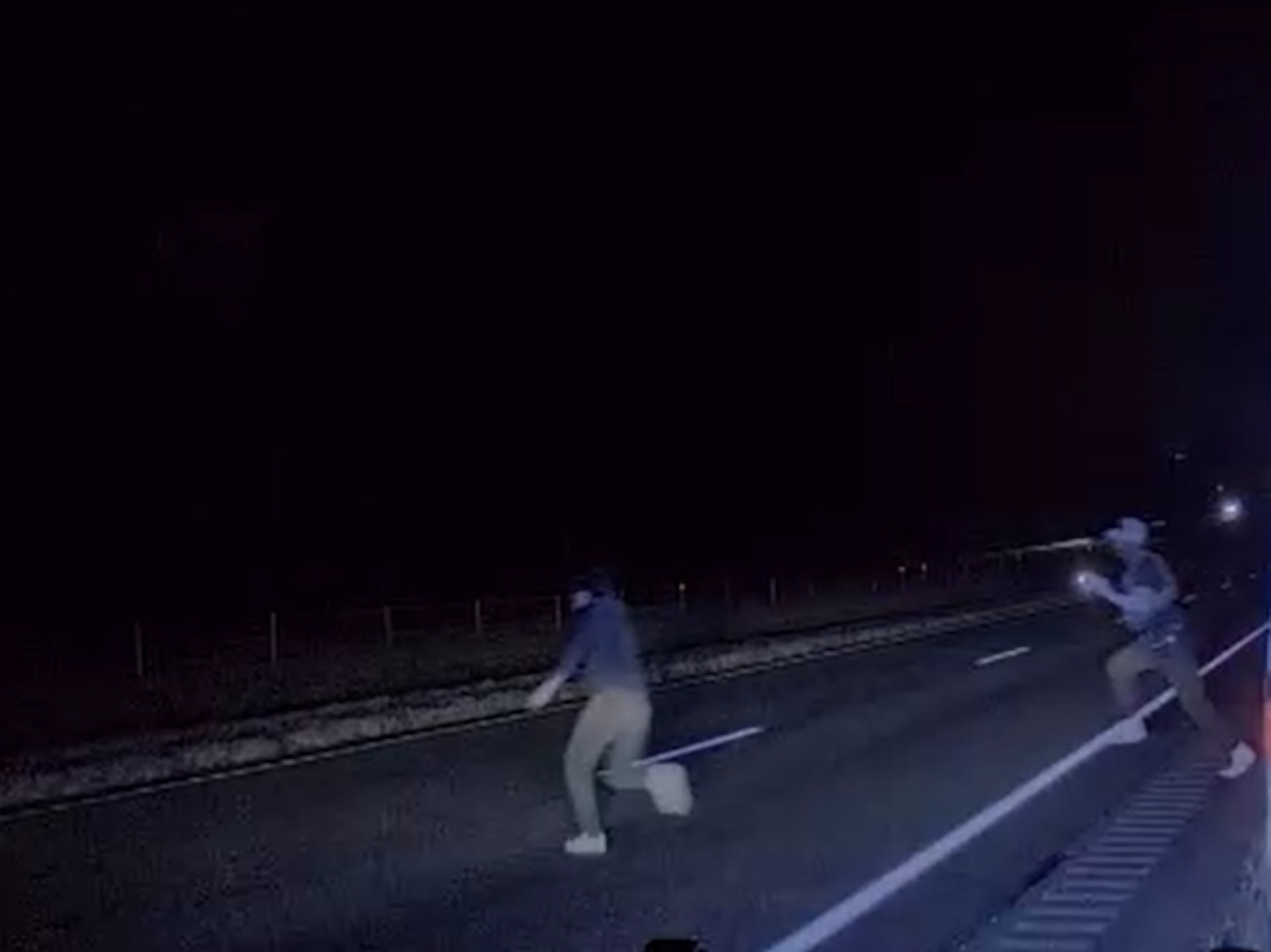
The night’s last stop took a chaotic turn, as two of the people inside a stopped work van escaped from the vehicle and dashed onto a highway.
“We wouldn’t have had to worry about taking him in,” a local officer said after being told one of the fugitives was nearly hit by a car.
Rivas Diaz spent weeks in ICE’s Stewart Detention Center before being released on bond. In September, he filed a lawsuit against Habersham County in Georgia federal court, challenging the legality of the sheriff’s office work with ICE.