Immigrant voters helped make Georgia history. Now they expect results.

On Nov. 3, voters elected a Democratic governor, the first Black woman to lead a state in American history; returned Jon Ossoff to the U.S. Senate; and sent a more diverse, more representative delegation to the state Capitol, including the largest Asian American and Pacific Islander delegation in the continental U.S., four Muslim legislators and the first Hispanic and Latina senators in Georgia history.
For the Latino and immigrant communities who have been living through years of targeted enforcement, institutional exclusion and policy neglect, this is a signal that Georgia is ready to govern for all of its people.
And yet a signal is not a promise.
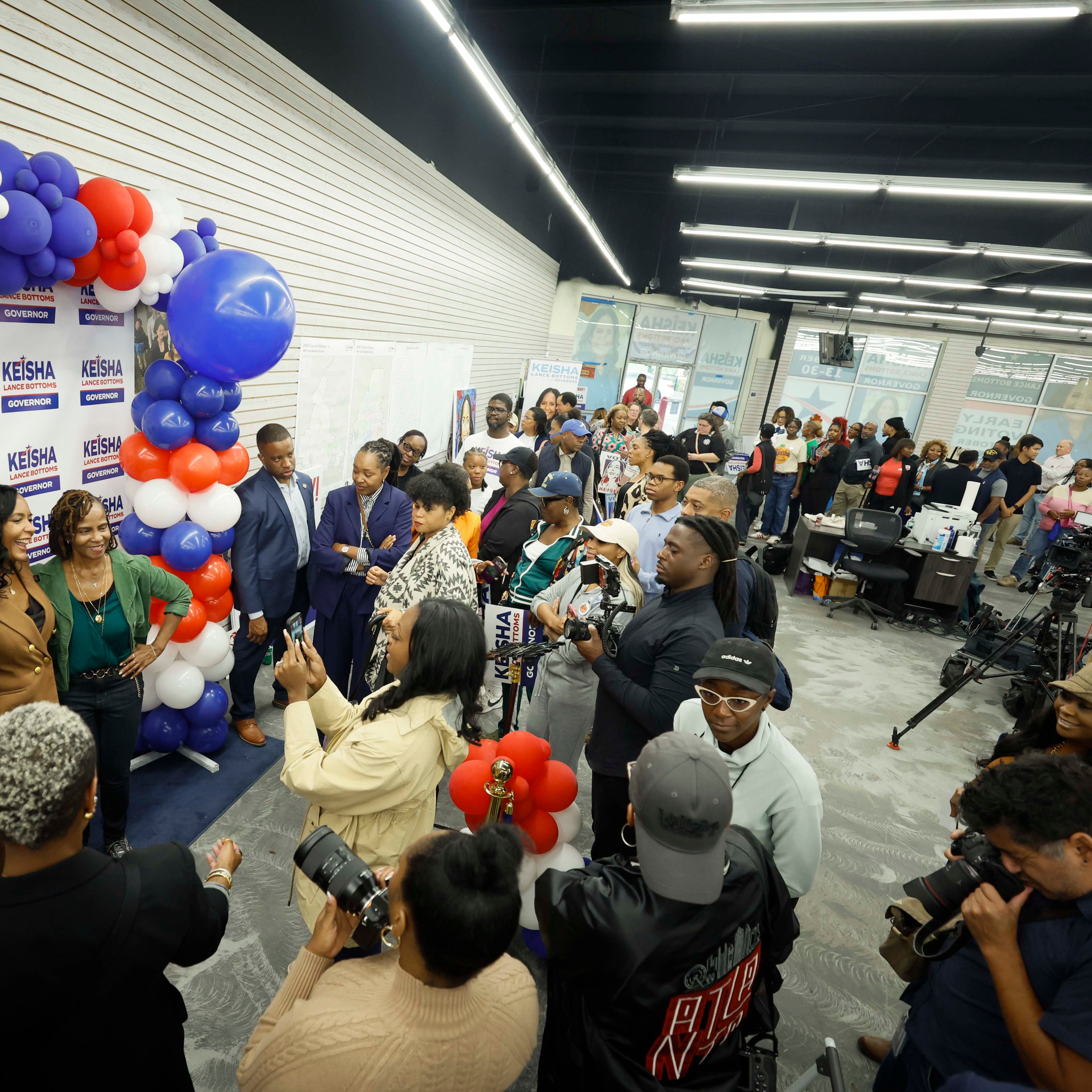
I have been knocking on doors in Georgia since 2012, and never before had I experienced the anger, frustration and determination that Latino voters shared with me in the weeks before this election.
The conversations were real and raw: a man afraid of losing Social Security; a woman barely able to afford food for her own children was also quietly supporting a neighbor; a mother with a newborn and a toddler whose husband had been detained and deported on his way home from a construction job.
Elections this year were deeply personal. Life in Georgia had become almost unbearable for so many of us.
Start by changing these two policies

Gov.-elect Keisha Lance Bottoms inherits a state at a turning point. While none of the candidates ran a platform centered on immigrant communities, no doubt as part of their political calculus, elected officials must recognize what actually gave them this victory: a coalition deeply reflective of a New South and most definitely a new Georgia.
It was Black, white, Latino, AAPI, African, Muslim, LGBTQ, disabled, young, elderly, urban, suburban and rural voters who made it happen, and immigrant voters are woven into every one of those communities.
They were our neighbors who stood in line at 6:30 a.m. before their maintenance shifts, those who came after dark when they could no longer work the fields and the children whose parents suffered the impact of policies yet never had a political voice deserve more than symbolic inclusion.
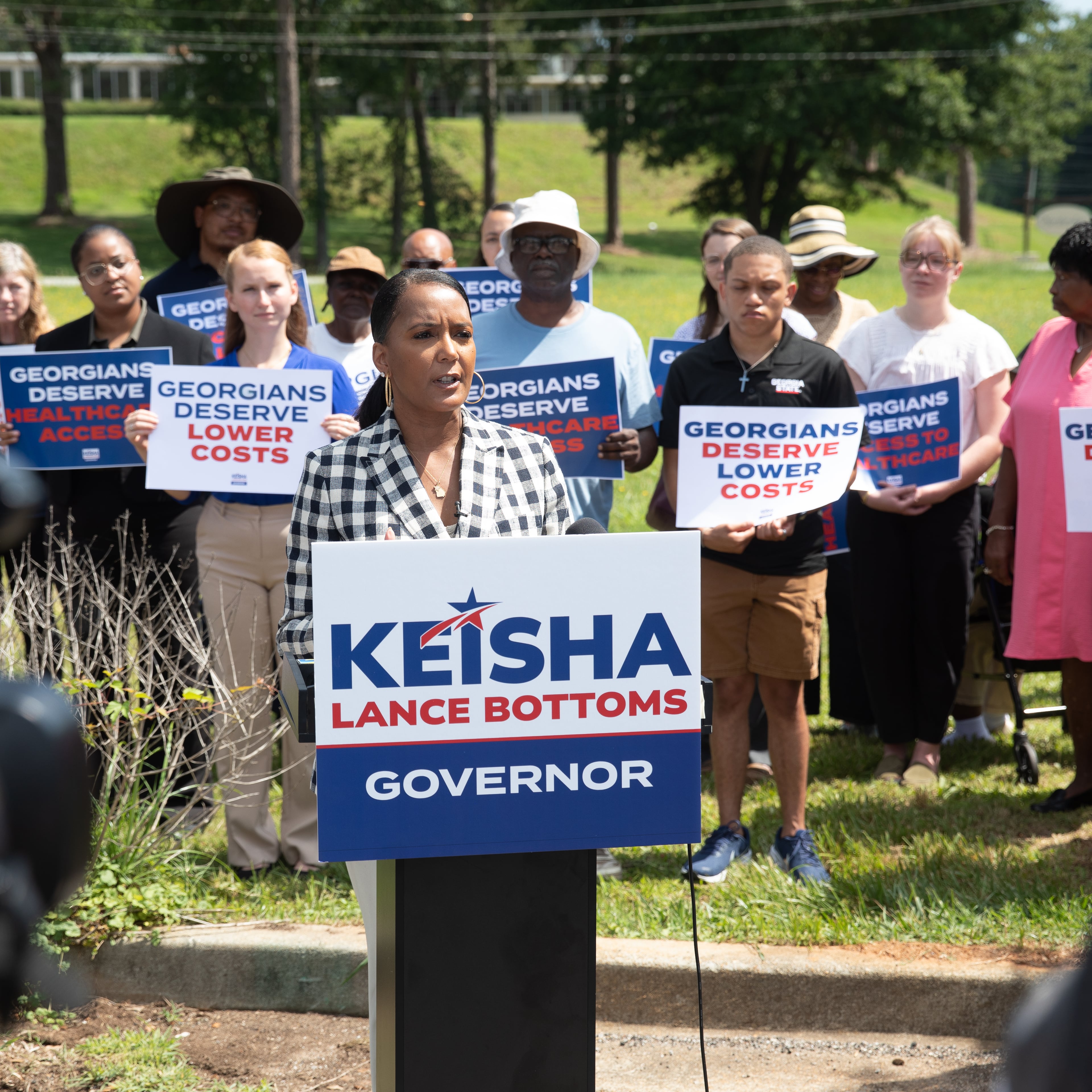
Voters who went to the polls with immigration top of mind have expectations from the incoming administration:
- First, the immediate end of the 287(g) agreement between the Georgia Department of Public Safety and U.S. Immigration and Customs Enforcement, paired with a full legislative repeal of the Georgia Criminal Alien Track and Report Act of 2024, a law that, simply put, creates fear, taxpayer-funded racial profiling and institutional distrust across all communities.
- Second, the removal of the severe and systemic barriers that immigrant students face in higher education, professional training and occupational licensing. This means eliminating the ban on some students to attend Georgia’s top public universities; expanding in-state tuition to any student who graduates from a Georgia high school or earns a GED diploma here and allowing people with valid work permits to obtain professional licenses in fields like nursing and medicine, where Georgia faces critical workforce shortages.
These changes send an immediate message: that Georgia’s law enforcement exists to protect all residents, that quality public education is for everyone and that immigrant communities are a welcome and essential part of this state’s economic future.
This is not only smart policy. It is fiscally responsible, and it builds on the trust that communities have placed in new decision-makers.

Do not ignore young voters’ demographics
As a proud naturalized citizen and mother of two U.S.-born children who are actively engaged in politics, the possibility I see in this moment is this: that those elected to lead Georgia will fully recognize the outsized importance of voters under 30.
Latino voters are 6% of the total electorate, but according to estimates from Emory University professor Bernard Fraga, they represented 13% of all voters under 30 who turned out Nov. 3.

If loyalty is built early and voting is habit-forming, that number will only grow, and so will our influence and power, more durably than any other rising demographic in this state.
Will a young and diverse electorate, including immigrants, be invited to the table? I hope that question is answered with the urgency it deserves.
Gigi Pedraza is the executive director of the Latino Community Fund Georgia. LCF Georgia advances positive change for Georgia through investments, programs, and policies focused on the Latino community.
Send letters to the editor of 250 words or fewer with your name, city or town and contact information to letters@ajc.com.
The opinions expressed are those of the writer and do not necessarily reflect the views of The Atlanta Journal-Constitution.