How birth alert bracelets are improving maternal care in Georgia

As she prepares to welcome her second child this month, 40-year-old Metria Cauthen is comforted by a purple silicon wristband featuring a stork. The bracelet is designed to quickly alert medical professionals that she faces a higher risk of potential complications.
“It’s very reassuring to know that if something happens on the side of the road … or even after having the baby, there will be a solution that’s attached to my wrist for those who may not know what’s going on or what my condition is.”
The Atlanta mom, who experienced complications with her first child three years ago, recently received the bracelet from her doctor at Wellstar Cobb Medical Center as part of the health system’s new “I Gave Birth” support program.
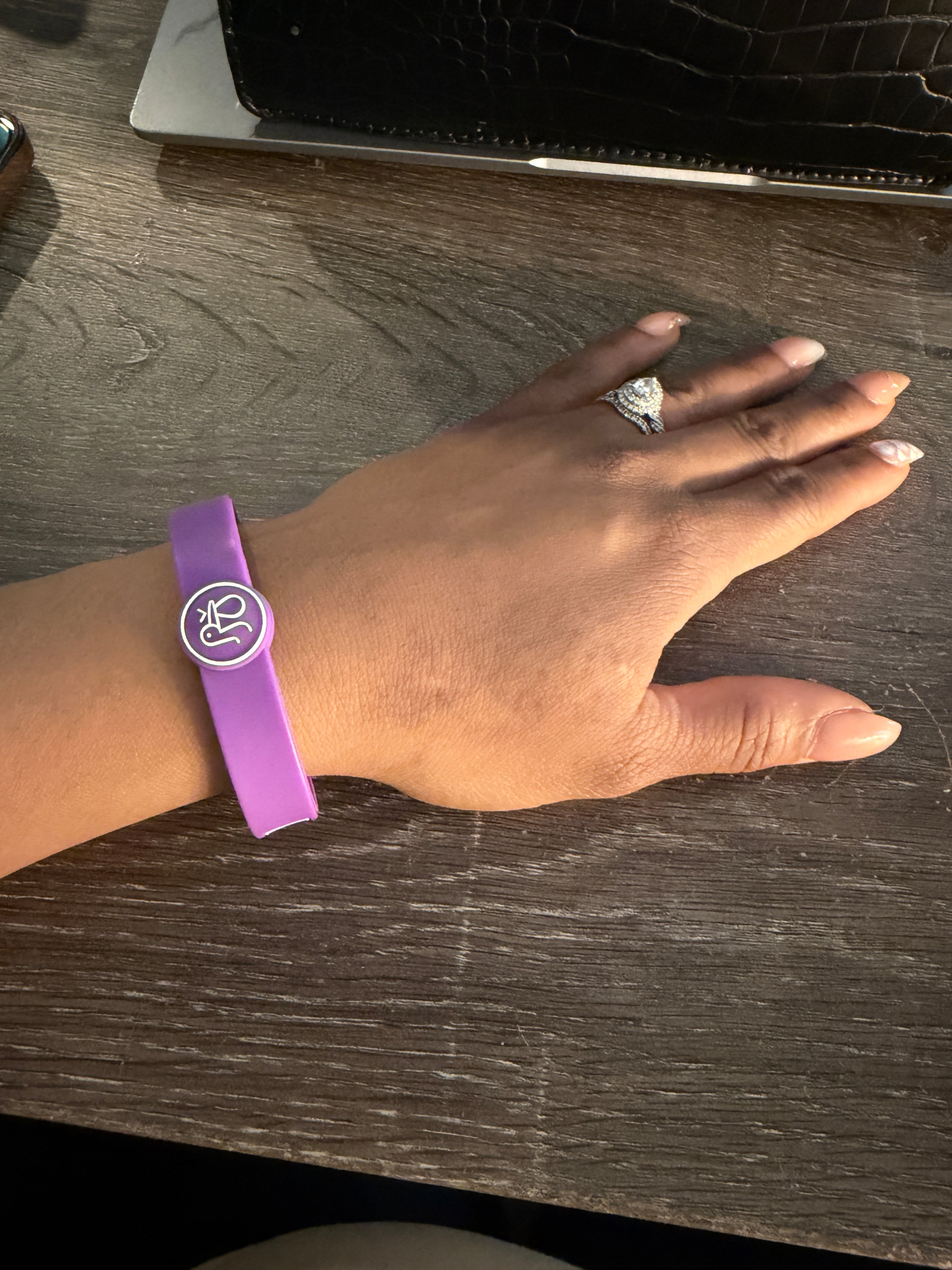
Wellstar Health System launched the program last year and has since expanded it to all of its birthing hospitals. The initiative provides free bracelets and educational materials about birth-related warning signs to expectant mothers in the second half of their pregnancies, encouraging them to wear the bands through the first four months after delivery.
During this period, there’s a heightened risk for complications such as infection, hemorrhage, heart issues, sepsis and preeclampsia. Cauthen had preeclampsia, which comes from high blood pressure and high levels of protein in the urine that indicate kidney damage or other signs of organ damage. She delivered her now 3-year-old daughter at 37 weeks without further issues.
Piedmont Augusta began a similar program in April, offering orange and red silicon post-birth alert bracelets for mothers immediately after delivery.
The bracelets used by Wellstar and Piedmont Augusta have a QR (Quick Response) code that can be scanned with a smartphone or other digital device, giving medical staff access to a patient’s medical records.
From the bands, medical professionals can easily identify women who may be at risk for complications surrounding their child’s birth. Without that visible alert, medical staff may not realize a patient is pregnant or recently gave birth, an important detail when evaluating symptoms such as high blood pressure, bleeding, heart issues or mental health disorders, according to the health systems using the bracelets.
The health systems say the bracelets are a direct response to the state’s high rate of birth-related complications and death. Georgia averages about 30 maternal deaths per 100,000 births for complications of pregnancy or childbirth, according to the 2025 March of Dimes’ Georgia report card.
More than half of pregnancy-related deaths in the country occurred from a week to a year after delivery but just over 20% occurred during pregnancy, the Centers for Disease Control and Prevention reports. The vast majority, or nearly 86%, of pregnancy-related deaths were deemed preventable, the CDC finds in its last analysis.
“We want to be part of the solution,” said Dr. Jessica Williams, a Wellstar Cobb OB-GYN who helped launch the bracelet initiative at the health system. “It’s a simple band that anybody can identify and see that if a woman with this band is in trouble, then we need to expedite and advocate for their healthcare. If that’s all it takes is a simple bracelet, then we’ve won.”
Handing out the bracelets also offers Williams an opportunity to talk with her patients about maternal mortality and risks of complications.
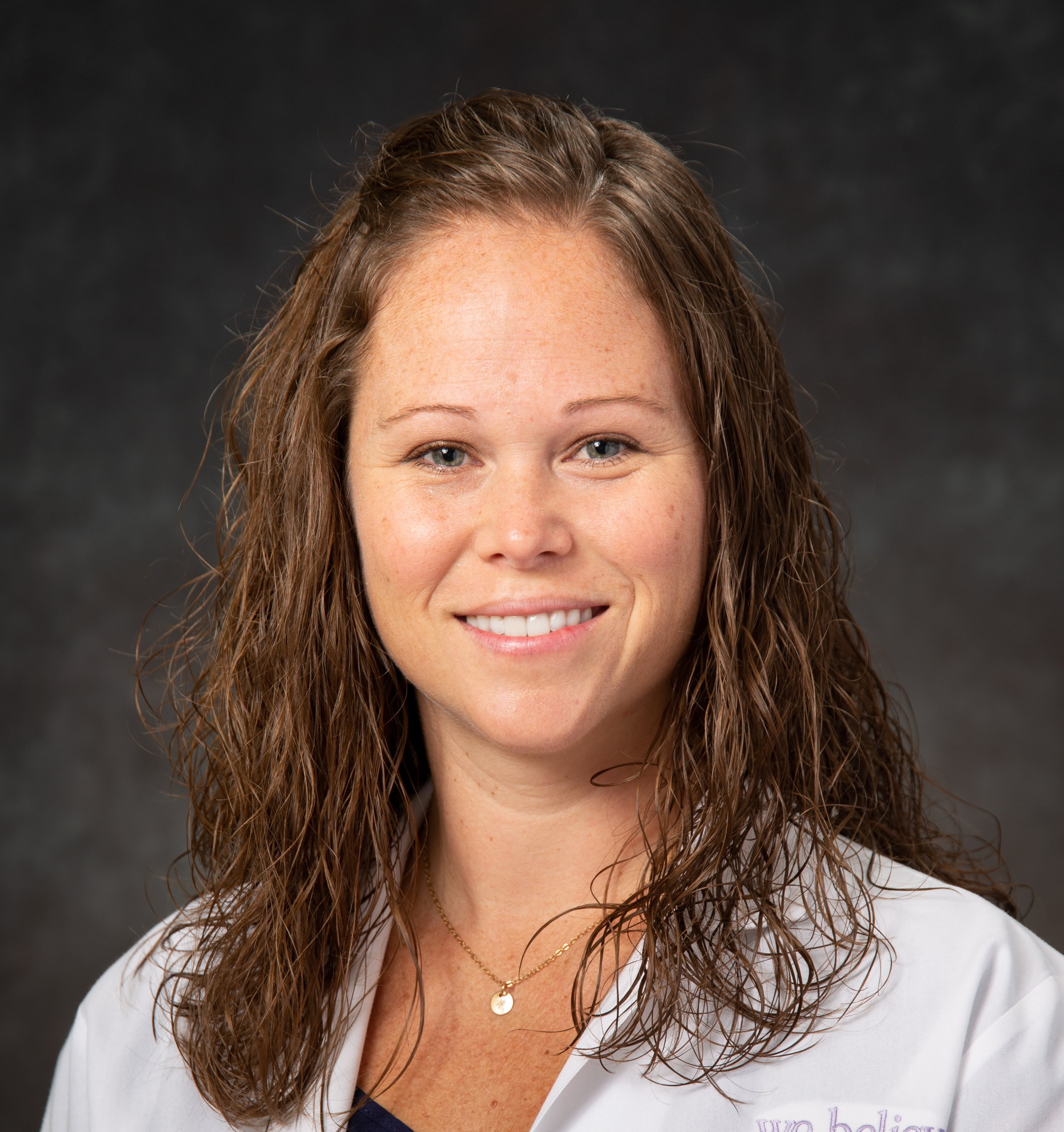
“I think it’s a hard discussion to have with patients who are pregnant,” she said. “But I find that it’s better received when it is plainly stated and identified that it’s a problem, and that I’m aware of the problem, but also that I’m trying to do everything to keep them safe.”
Williams encourages patients to wear the bracelet at all times, explaining that it serves as an immediate visual alert to emergency and hospital staff.
“Think of it like your fast pass ticket up to labor and delivery where we can expedite your care, expedite management, and make sure that’s the first hands, the first eyeballs you see … an obstetrician, which we know results in improved perinatal outcomes.”
The bracelets also reinforce the printed educational materials patients receive when they leave the hospital, highlighting warning signs and complications that can arise from childbirth, said Tonya Conner, a nurse and clinical manager of Piedmont Augusta’s Family Care Center. That critical health information is always within reach.
“They are not always going to be at home when it happens. They may be out and about shopping, but that bracelet is a reminder for them that all they have to do is scan the QR code and it opens and (lists warning signs) and encourages them to seek treatment.”
Warning signs of birth-related complications
- High blood pressure or headache, heart palpitations or seizures
- Sudden swelling in hands or feet, known as edema
- Abnormal breathing or vision
- Pain in the stomach or chest, particularly on the right side
- Thoughts of harming yourself or others
Source: Wellstar Health System’s “I Gave Birth” Support Program
Conner cited an example of a mother who recently delivered. “When she went home she started to feel bad. Her blood pressure was elevated and she was having a headache.” She took medicine, but it didn’t help so she checked the post-birth warning sign sheet, scanned the QR code and went to the emergency room.
“When she got there, because the emergency department staff have been educated about the prospects of her bracelet, they automatically knew that she was a postpartum mom and that helped to do some triage on her and get her upstairs to (labor and delivery),” Conner said.
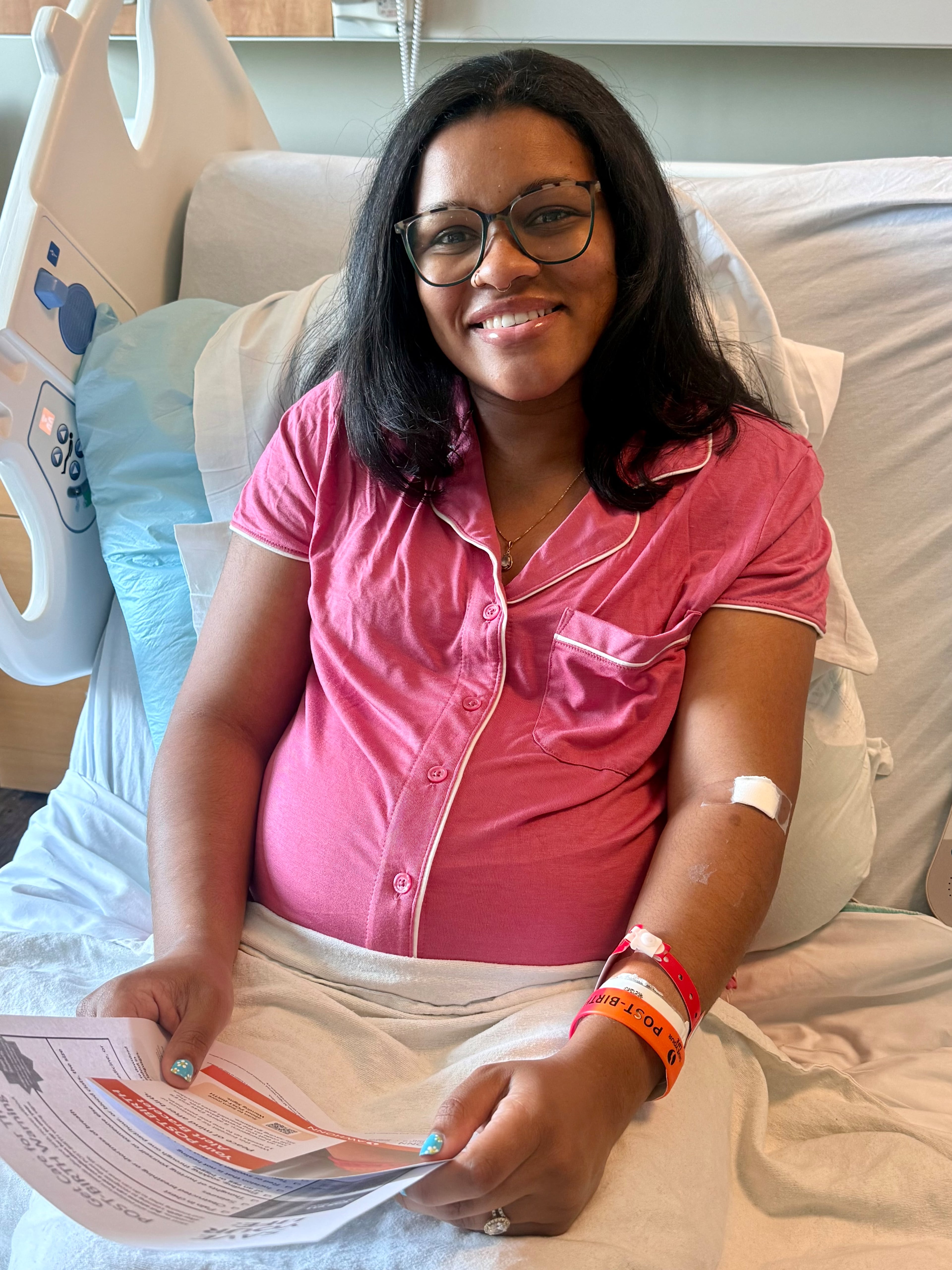
North Augusta mom Zyda Mellon, 31, received her bracelet recently after she gave birth to her second child. Although she didn’t have any complications with the births of either of daughters, she still welcomes an option to protect herself.
“Every pregnancy is different. Every baby is different. How your body recovers from that can be different, and so any sort of extra protective measures I can take or that are offered to me I’m going to utilize,” Mellon said.
Like Cauthen, who will deliver soon at Wellstar Cobb, Mellon realizes she carries a higher risk because of her race. The maternal mortality rate for Black women is more than three times that of white women, according to the CDC’s latest figures.
“Knowing there’s an option to raise more awareness for myself but also anyone around me who is going to take care of me, it was absolutely something that I was going to say yes to.”
Roni Robbins has been a journalist for nearly four decades. This is her second stint as a freelance reporter for the AJC. She also freelances for Medscape, where she was an editor. Her writing has appeared in WebMD, HuffPost, Forbes, the New York Daily News, BioPharma Dive, MNN, Adweek, Healthline and others. She’s also the author of the award-winning novel, “Hands of Gold: One Man’s Quest to Find the Silver Lining in Misfortune.”