Georgia primary could be the starting gun for Democratic and Republican runoffs
ATLANTA (AP) — Georgia is preparing for a blockbuster primary on Tuesday as Republicans look for a challenger to Democratic U.S. Sen. Jon Ossoff and choose between several candidates in a high-spending slugfest for the party's nomination for governor.
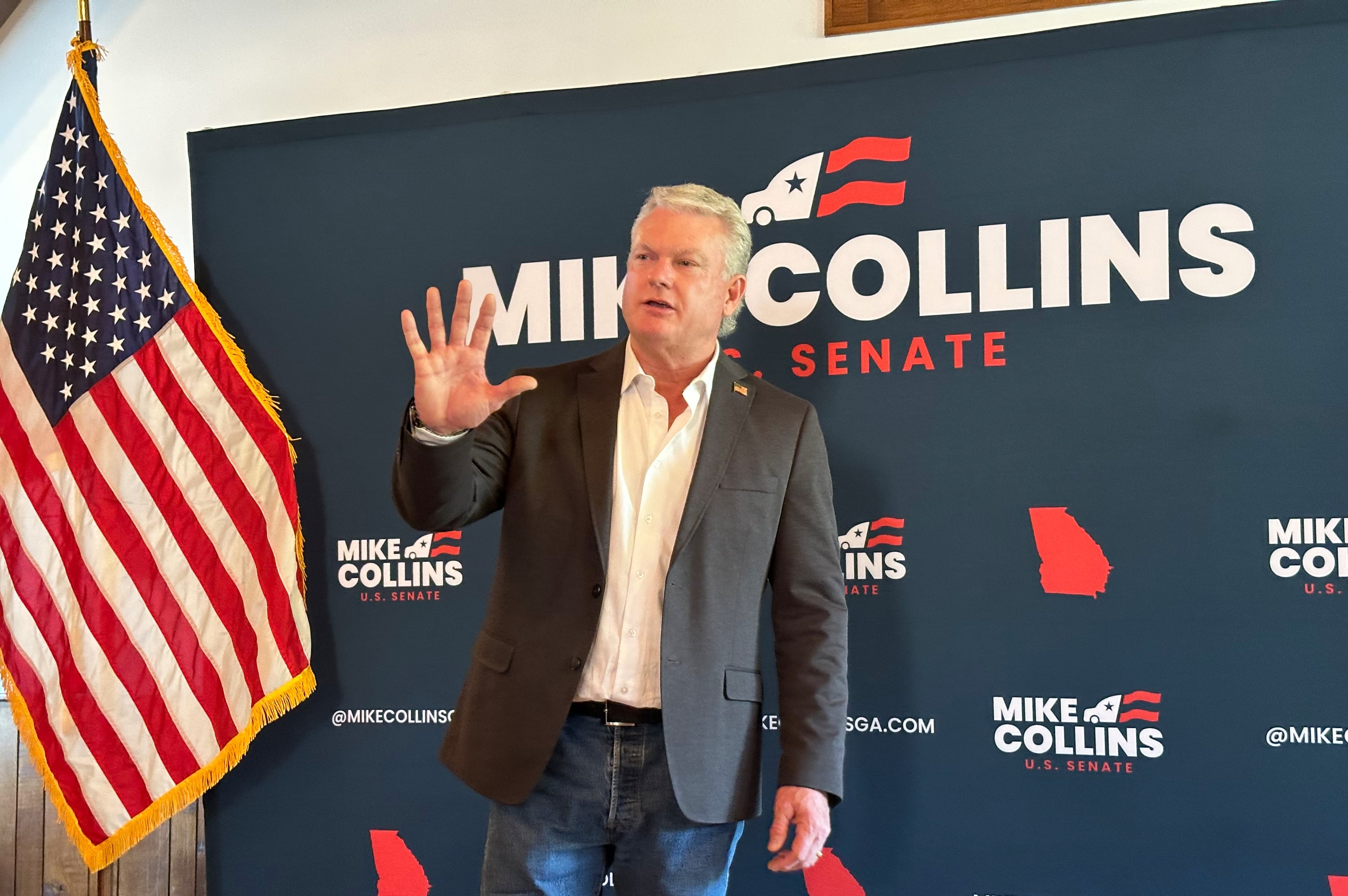
In the Senate race, Reps. Mike Collins and Buddy Carter are playing up their conservative records on Capitol Hill, while former college football coach Derek Dooley pitches himself as a political outsider.
The governor's race has been transformed by healthcare billionaire Rick Jackson, who has spent more than twice as much as any other primary candidate in Georgia history. He's facing off against fellow Republicans Lt. Gov. Burt Jones, who was endorsed by President Donald Trump; Brad Raffensperger, the secretary of state; and Chris Carr, the state attorney general.
Democratic voters are also considering who should lead the party's effort to win the governor's office for the first time since 1998. The candidates include Keisha Lance Bottoms, the former Atlanta mayor; Geoff Duncan, a Republican-turned-Democrat who served as lieutenant governor; Jason Esteves, a former state senator; and Mike Thurmond, a former state labor commissioner.
It's possible that none of these races could be settled on Tuesday if no candidates win a majority of the vote. Top two finishers would advance to a June 16 runoff.
US Senate race will help determine Capitol Hill control
Ossoff faces no opposition among Democrats as he seeks reelection by positioning himself as a staunch critic of Trump. He's the only senator from his party running for reelection in a state that Trump won in 2024, making his campaign among the most closely watched in the country as Democrats try to retake control of the chamber.
The senator has raised almost $60 million this cycle, dwarfing potential Republican rivals. He’s taken aim at the president and his sons for personal business dealings. Ossoff calls political corruption a bipartisan problem and has pushed legislation to ban members of Congress from making individual stock trades.
Meanwhile, the Republican primary has been a test of fealty to the president. Collins, who represents a district east of Atlanta, and Carter, who represents a district anchored by Savannah, are playing up their conservative records on Capitol Hill. Dooley, the son of the late University of Georgia coach Vince Dooley, says he would back Trump’s agenda without being steeped in Washington politics.
Carter has attacked Collins over a House ethics complaint accusing him of abusing taxpayer funds by paying the girlfriend of a top aide for work she allegedly didn't perform. The Office of Congressional Conduct, after an initial inquiry, has referred the matter to the House Ethics Committee.
Collins denies wrongdoing.
“If taxpayers can’t trust you to properly steward their money, how can they trust you to be a U.S. senator?” Carter asked Collins in a primary debate.
“Buddy,” Collins shot back, “I can tell through your voice that you know how the polling is going out there.”
Collins, who has deep ties with grassroots conservatives who propelled Trump, also emphasizes his work on immigration. He sponsored a 2025 law that requires immigrants be detained when charged with certain crimes. Republicans believe the issue damages Ossoff because he initially voted against the measure before supporting it after Trump’s 2024 victory.
Huge sums in Republican governor's race
More than $113 million has been spent on advertising in the Republican primary for governor, with more than $61 million of that spend on Jackson’s campaign. By contrast, Democrats running for governor have only spent about $3 million.
Jones argues that his conservative record as a state senator and lieutenant governor, combined with Trump's support, should make him the clear choice for Republican voters. Jackson is betting that his outside pitch will win over antiestablishment conservatives.
Jackson and Jones are opposed by other Republicans including Raffensperger and Carr, who are hoping that voters disgusted by the attacks between Jackson and Jones will be looking for other options.
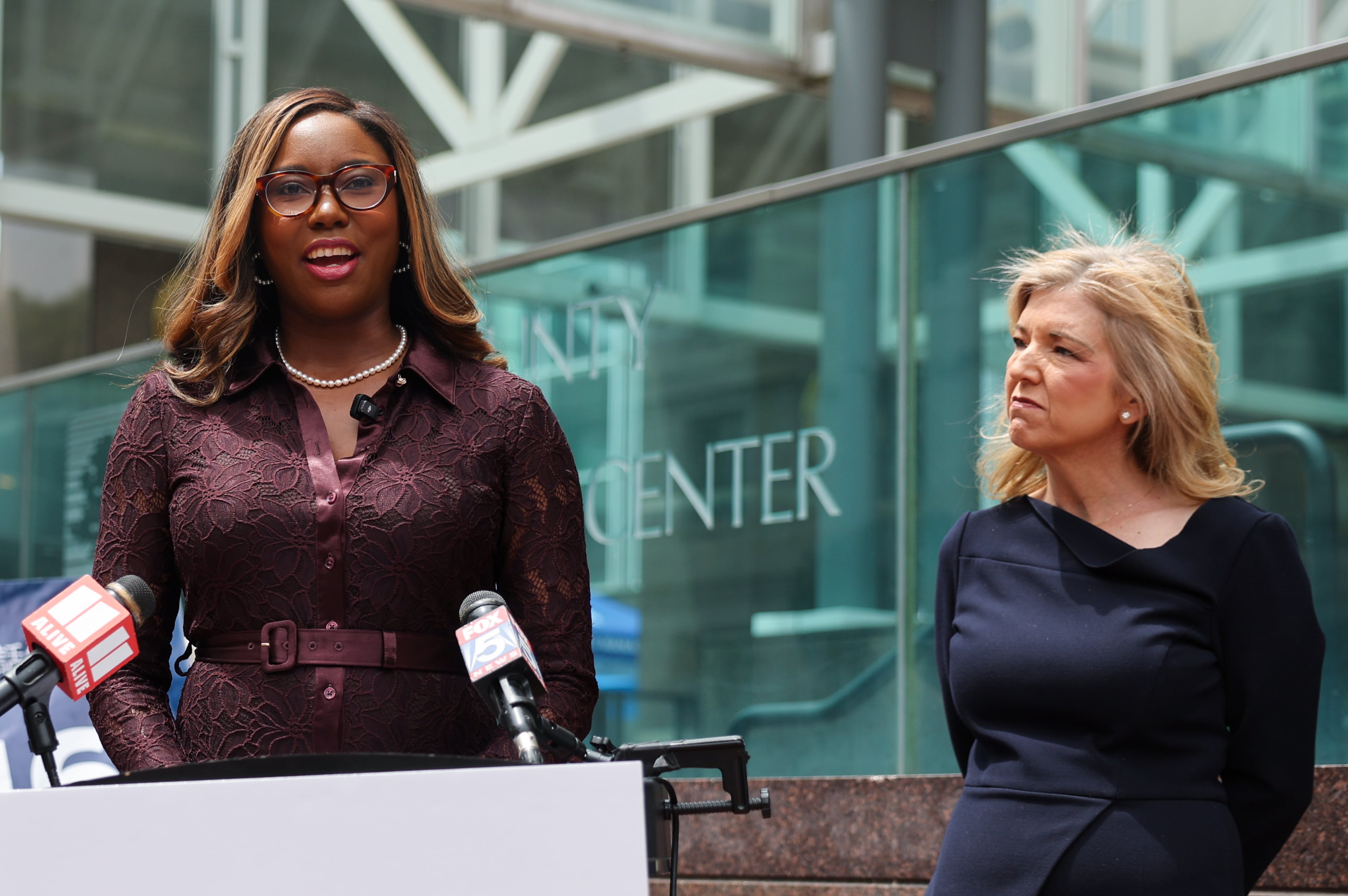
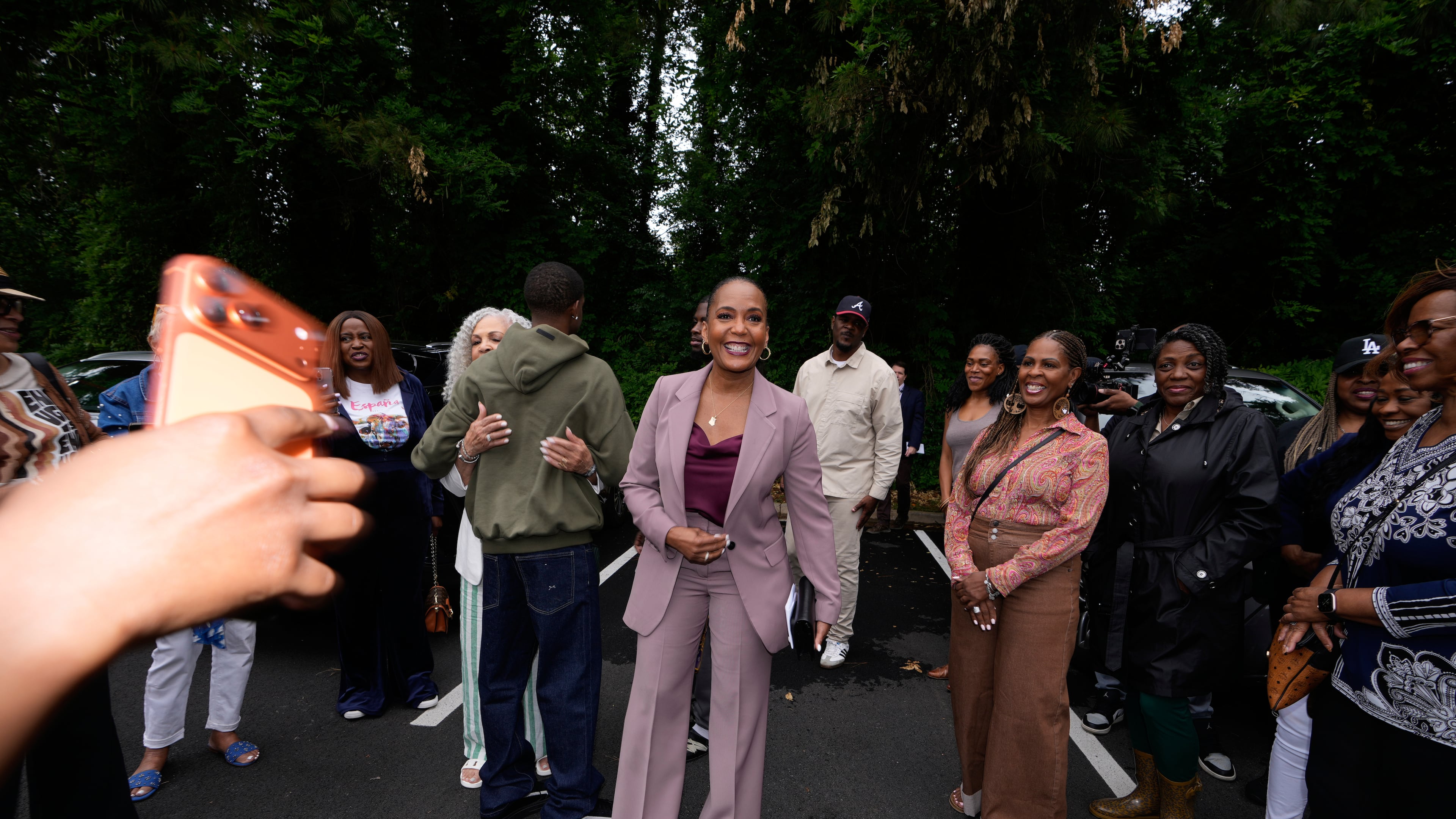
On the Democratic side, Bottoms is hoping to win her party's nomination and avoid a runoff. She's been endorsed by former President Joe Biden after serving in his administration and is downplaying attacks on her one-term record as mayor of Atlanta. She's the only Black woman in the Democratic field, which can be a powerful advantage in a state where Black women are the bedrock of the party.
Three other top Democrats have hopes of reaching a runoff. As a former Republican, Duncan argues that he can best attract swing voters to help Democrats win. Thurmond is campaigning on his deep experience in state government and Esteves argues he can build the “multiracial, multigenerational coalition” to win Georgia's young and diverse electorate.
US House primaries
Four of Georgia's 14 U.S. House districts are open, with Carter and Collins running for Senate, Republican U.S. Rep. Barry Loudermilk stepping down and Democrat David Scott's seat opening following his death in April.
Scott's death scrambled the race in the majority-Black 13th District in Atlanta's southern and eastern suburbs that had mainly been about attacking him as too old and too absent. The Democratic field includes state Rep. Jasmine Clark, who has raised the most money, and Gwinnett County school board Chair Everton Blair.
In the 11th District northwest of Atlanta, Loudermilk announced his retirement and endorsed staffer Rob Adkerson, who's challenged by neurologist John Cowan and Public Service Commissioner Tricia Pridemore.
In the 10th District east of Atlanta, state Rep. Houston Gaines is the top Republican seeking to succeed Collins. Jim Kingston, the son of longtime U.S. Rep. Jack Kingston, is the top Republican to take Carter's seat in coastal Georgia's 1st District.
In northeast Georgia's 9th District, three-term Republican incumbent Andrew Clyde is trying to fend off primary challenges from former Gainesville Mayor Sam Couvillon and Hall County Commissioner Gregg Poole.
Democrats hope for judgeships
Tuesday is the general election for Georgia's judgeships. The posts are technically nonpartisan, but eight of the nine justices on the state Supreme Court were appointed by Republicans governors. Democrats are supporting former state Sen. Jen Jordan in her challenge to Justice Sarah Hawkins Warren and Miracle Rankin in her challenge to Justice Charlie Bethel.
They hope a strong Democratic turnout could produce the first defeat of an incumbent justice since 1922. A third justice, Ben Land, is unopposed for a six-year term.
The state Judicial Qualifications Commission, which investigates allegations of wrongdoing by judges, said in statements dated Sunday that Jordan and Rankin violated rules of judicial conduct by publicly endorsing each other and making statements supporting the restoration of abortion rights.
The commission said it reached its conclusions, which are not a final determination, after receiving and reviewing a complaint about each candidate.
State Democratic Party Chair Charlie Bailey called the commission's statements “a cynical attempt by a mere bureaucratic arm of the Georgia Republican establishment to hide the truth about this race from Georgia voters.”
___
Amy is a former Associated Press reporter.