‘Outdated, unnecessary.’ Bill would change metro transit planning agencies.
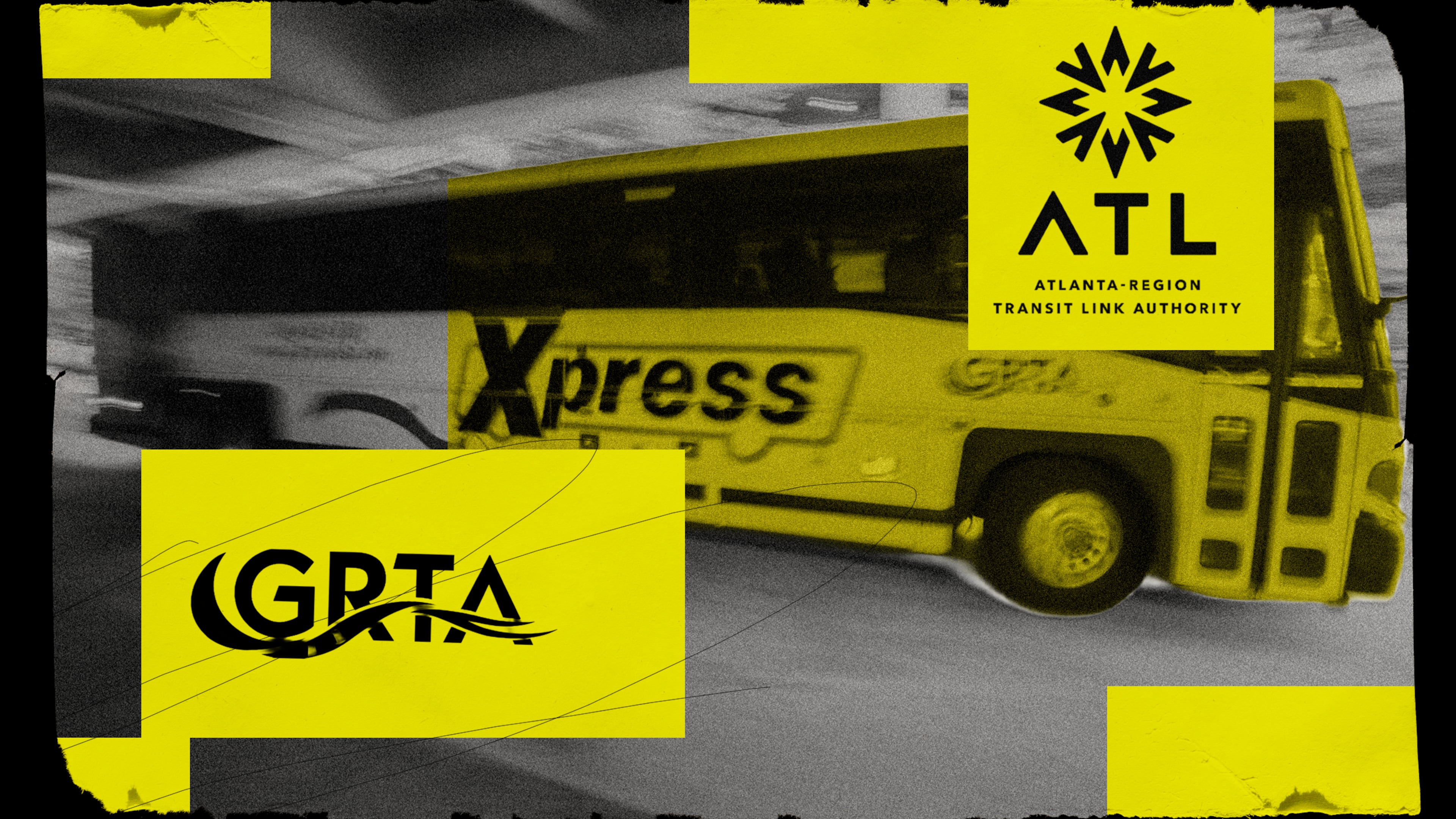
The alphabet soup of agencies that oversee transit planning for the Atlanta metro would change under a late-session move in the Senate to abolish the Georgia Regional Transportation Authority and the Atlanta-Region Transit Link Authority.
With four legislative days until the end of the session, a bill to create the Georgia Transportation Efficiency Authority cleared a Senate committee Wednesday morning, slipped in through a rewrite of legislation originally aimed at addressing vehicle taxes.
A similar effort was unsuccessfully pushed in the House two years ago. Senate Majority Leader Jason Anavitarte, R-Dallas, brought the new proposal forward and said the goal was to eliminate redundancies that have resulted from legislators tasking two different agencies with various transit planning responsibilities.
The move is also designed to neuter the state’s influence over transit. The legislation eliminates some powers the agencies have had but not used, including GRTA’s ability to use eminent domain to acquire private property for transit.
Anavitarte said he wants to return control to localities and that the reasons behind the creation of these state agencies no longer apply. GRTA was formed in 1999 in response to an air pollution crisis that cost the metro millions in federal highway funds, and the ATL, as it’s known, was formed in 2018 to connect regional transit systems.
“It evolved into something else and something else and something else as we got new governors over time,” Anavitarte said during the bill’s hearing. “We believe that mindset from the ’90s … is completely outdated and unnecessary.”
The legislation would eliminate GRTA, which is administratively operated in conjunction with the State Road and Tollway Authority. That agency would remain and continue to oversee road and tolling projects, including Peach Pass.
The ATL would become “TEA,” but with less authority. It would no longer be responsible for developing and implementing a regional transit plan, with those responsibilities falling back to localities and the Atlanta Regional Commission. Currently, the ARC creates short- and long-range transit plans that then go to GRTA for final approval.
The ATL would continue operating Xpress buses, the regional commuter lines that travel to downtown Atlanta from suburbs in Clayton, Cobb, Coweta, Douglas, Forsyth, Gwinnett, Henry, Rockdale and Paulding counties.
It would also serve as a conduit through which to receive federal funding, passing those dollars to selected local agencies.
TEA would be overseen by a nine-member board, with the governor appointing four people and the Senate president and House speaker appointing two each. The transportation commissioner would also sit on the board, a requirement Sen. Steve Gooch, a Republican from Dahlonega who’s running for lieutenant governor, insisted as a condition of voting for the legislation. Five of those members would be required to live within the 13-county Atlanta metro.
Senators on the transportation committee passed the legislation unanimously, but not before some expressed trepidation at the bill coming forward so late in the session and wondering if it had been adequately vetted.
One of those senators, Frank Ginn, R-Danielsville, expressed concern about eliminating the boards that oversee these agencies. Currently, 31 people sit on boards whose positions would be eliminated.
“The simplest government is a dictator,” Ginn said. “You’re cutting down an awful lot of folks to get down to this number.”
“I would argue this bill gets rid of the dictator,” Anavitarte said. “Right now, the ATL and GRTA is the dictator. This is putting more power in the hands of citizens.”
Representatives for agencies involved in providing transit services and planning across the region had little to say about the legislation on Wednesday. A spokesperson for SRTA and GRTA said they do not comment on pending legislation. A spokesperson for the ARC also had no comment.
MARTA’s governmental affairs representative told legislators they had not been shown the legislation yet but asked for greater transparency with regard to federal formula funding that passes through the ATL currently and would pass through TEA under the legislation.
Environmental advocates with the Sierra Club said they were not surprised the 2024 effort was revived and criticized the secretive nature of the legislation, coming as it did at the tail end of the session.
Jason Lathbury, the Georgia chapter’s transportation chair, said the ATL has not lived up to the promises made when the agency was created. It took a larger role in transit planning than GRTA did before that, Lathbury said, but not enough.
“It just sounds like a worse version of what we already have,” he said.
The legislation’s prospects in the House are unclear. Rep. Rick Jasperse, the chair of the House transportation committee, said he wasn’t aware the proposal was coming and hadn’t had a chance to look at the bill closely.
Staff writer Caleb Groves contributed to this report.
About the Author

Sara Gregory covers transportation for The Atlanta Journal-Constitution. Previously, she covered local government in DeKalb County. A Charlotte native, she joined the AJC in 2023 after working at newspapers in South Carolina and Virginia.


