Classic City’s ‘town-gown’ ties tested by University of Georgia decisions
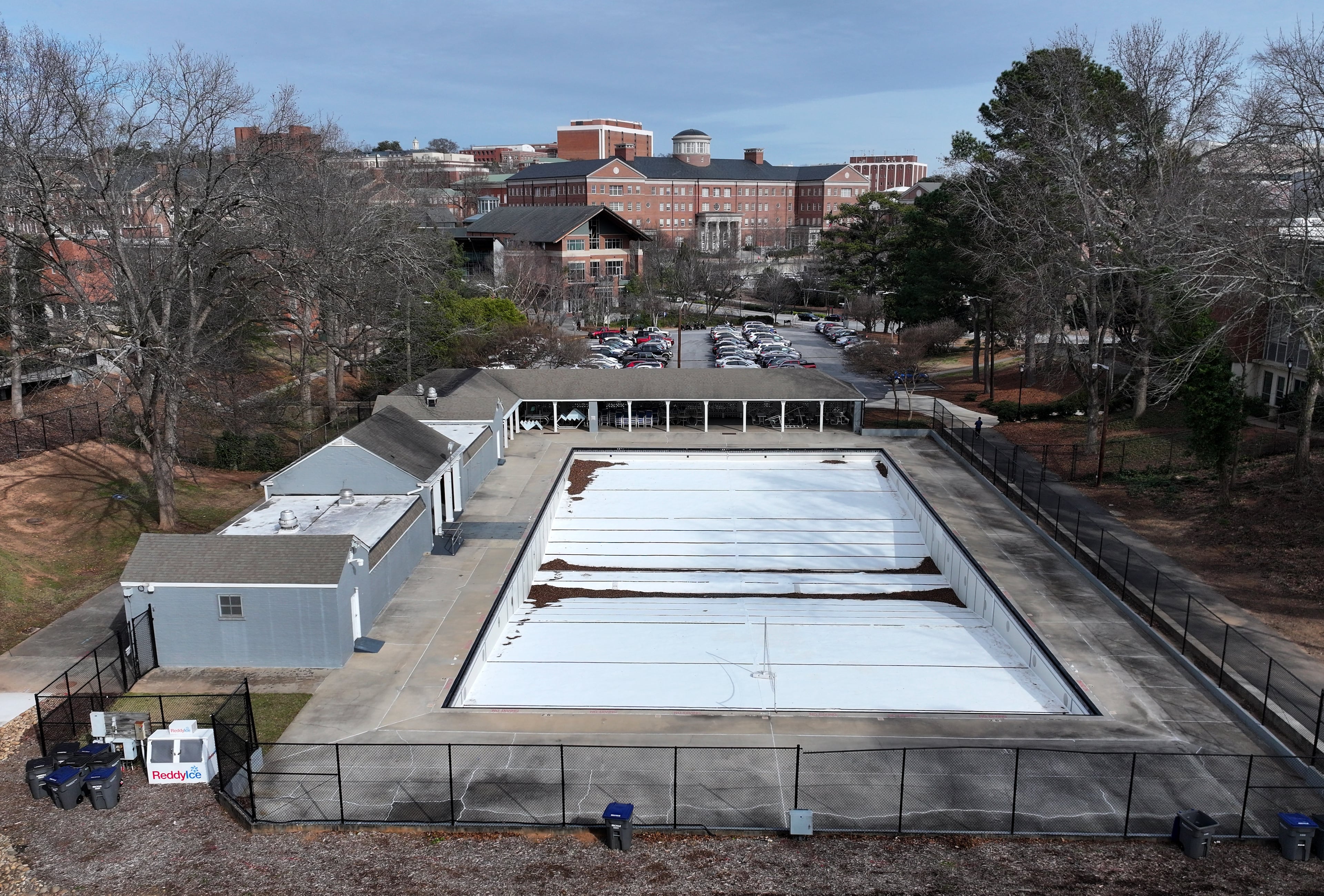
ATHENS — At a University of Georgia public hearing on the planned demolition of historic Legion Pool in December, Amy Ross stepped to the microphone and recited lyrics from Joni Mitchell’s “Big Yellow Taxi.”
“They paved paradise and put up a parking lot,” Ross said. Then the geography professor began to sing.
Many of the more than 100 attendees joined in: “Don’t it always seem to go, that you don’t know what you’ve got ’til it’s gone.”
The crowd erupted in applause as university officials sat motionless onstage. Ross was one of 32 speakers opposing the demolition — students, professors, longtime residents, even high schoolers. Only one, a UGA staffer, spoke in favor.
Yet the opposition fell short. The University System of Georgia Board of Regents approved the demolition, clearing the way for expanded parking, green space and an outdoor amphitheater near Sanford Stadium.
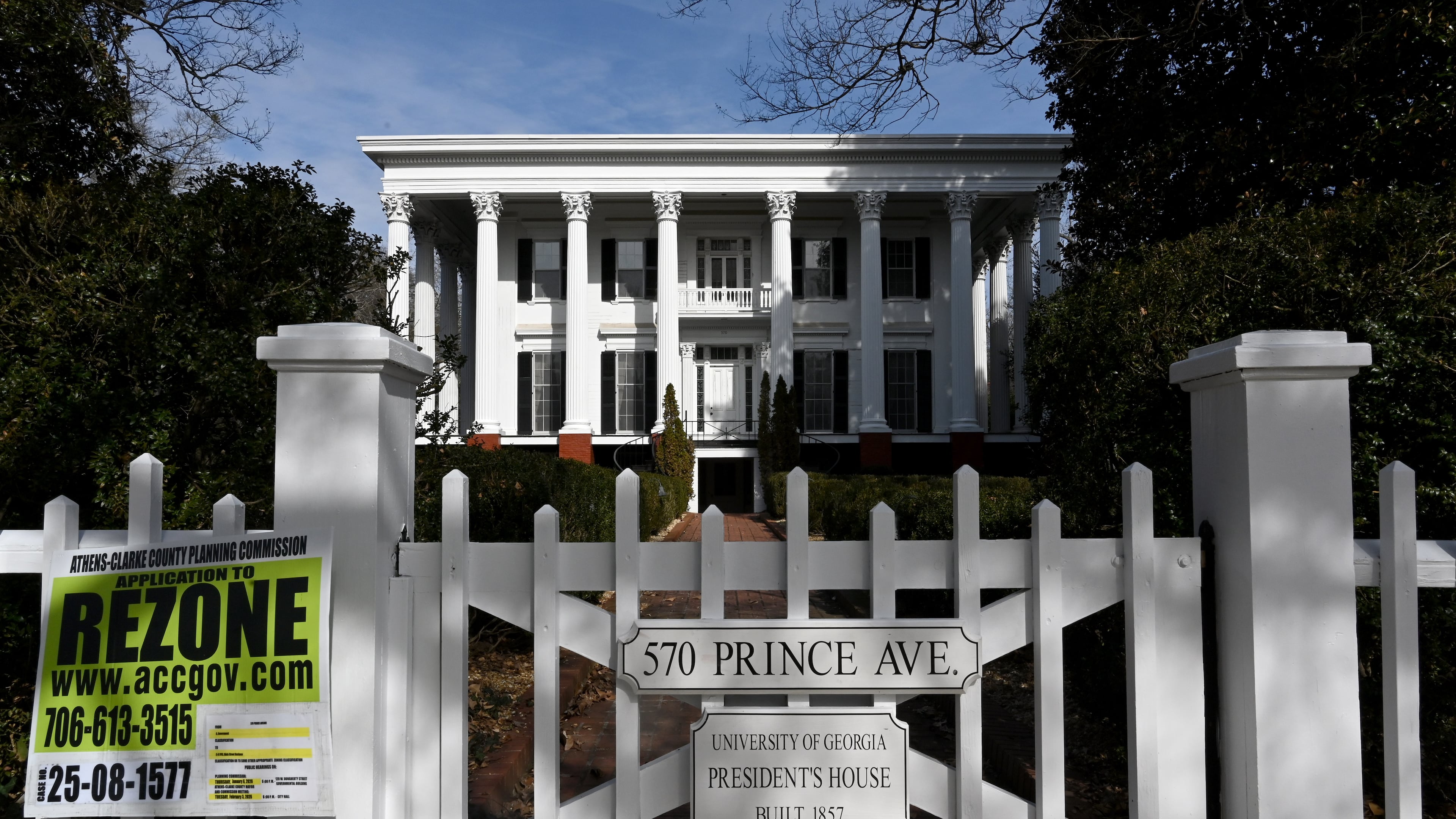
A similar scene of criticism played out a month later at an Athens-Clarke County Planning Commission meeting, where Chairperson Kristen Morales didn’t mince words about UGA’s proposed sale of the historic President’s House for a hotel development.
“UGA created a mess and just dropped it in our laps,” Morales said. “So boo on UGA for making this community problem.”
The two contested projects have bubbled up as the latest symptoms of long-running “town-gown” tensions in the Classic City.
UGA brings enormous benefits to Athens-Clarke County, including jobs, spending, returning alumni and cultural vibrancy. Mayor Kelly Girtz and other public officials highlight the good, such as strong ties between police chiefs for public safety and partnerships for infrastructure.
The university and Athens-Clarke County leaders meet monthly to address shared priorities. Community-focused initiatives include Experience UGA, which brings every pre-K–12 student in the county school district to campus annually for educational field trips.
“The University of Georgia is deeply committed to Athens-Clarke County, and we are actively engaged with local government and civic leaders in partnering to advance our community,” a university spokesperson said.
But UGA’s sheer size and institutional power can breed resentment, much like any college town dominated by its university. The relationship is symbiotic yet episodic in its blowups. Past disputes include campus expansions that displaced neighborhoods or altered the city’s historic fabric.
“UGA can feel like a walled-off institution” to Athens residents at times, “sort of akin to the Vatican in Rome,” Girtz acknowledged.

It’s not surprising UGA prioritizes serving its growing student population, but critics say recent decisions lack transparency and enough community input.
A third flashpoint has been UGA’s relocation of its Spec Towns Track. The new facility, set to open officially this month on South Milledge Avenue, features modern upgrades and public access for high school and championship events. The university, in a press release last month, said the new track “strengthens ties” with Athens.
But Sara Baker, a longtime resident active in the “Friends of Legion Pool” group, calls such statements tone-deaf. “It’s like the emperor’s new clothes,” Baker said. “What they’re saying is the opposite of what is happening.”
The previous on-campus track, long woven into dorms, Greek life and nearby neighborhoods, is now farther out, requiring a drive for most residents who previously could walk to the facility that was open to the public.
The former track is being replaced by expanded football practice fields, which Coach Kirby Smart had requested. UGA says it delayed the project to allow completion of the new complex, preserving community access during the transition.
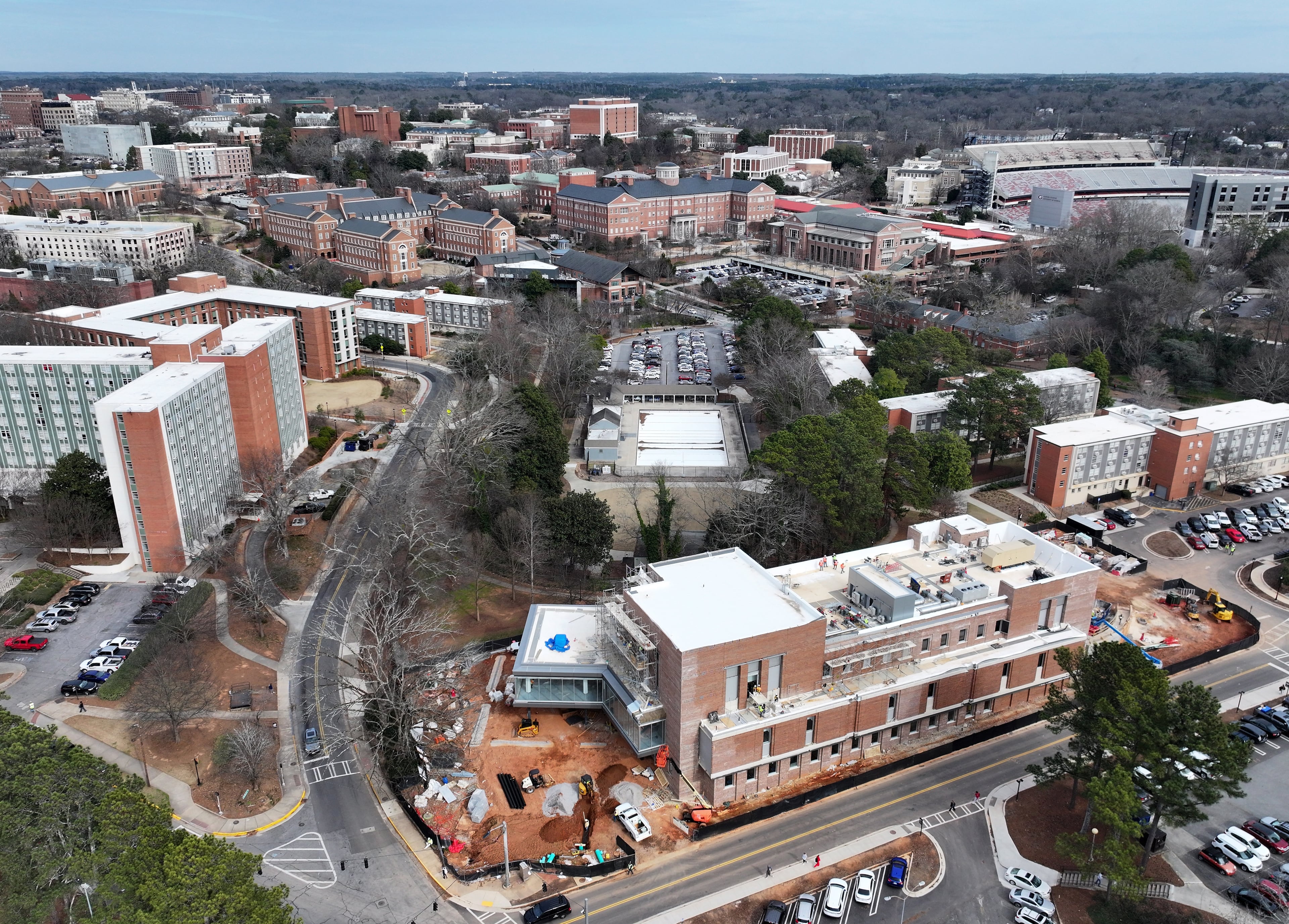
Legion Pool, meanwhile, on UGA’s campus, had been available for Athens residents to use for decades. UGA cited years of financial losses, low student use, massive water leaks and millions needed for repair costs. With student fees no longer subsidizing it, savings will be redirected to programs like a student food pantry.
Despite public pushback at hearings and a 2,000-plus-signature petition, the university is moving forward with plans to demolish the outdoor pool in the coming months. Athens has no veto power over on-campus decisions.
The planned sale of the President’s House, which is off campus, shows where the community can push back.
The university system listed the 169-year-old Greek Revival mansion for $5.1 million in 2024. UGA says the decision stemmed from local authorities changing Prince Avenue traffic patterns over university objections, making it impossible for shuttle buses to park out front and limiting large events at the property.
Developer Capstone Property Group late last year proposed a 72-room hotel preserving the house, gardens and structures. That represented a scaling back of even bigger plans after opposition from residents.
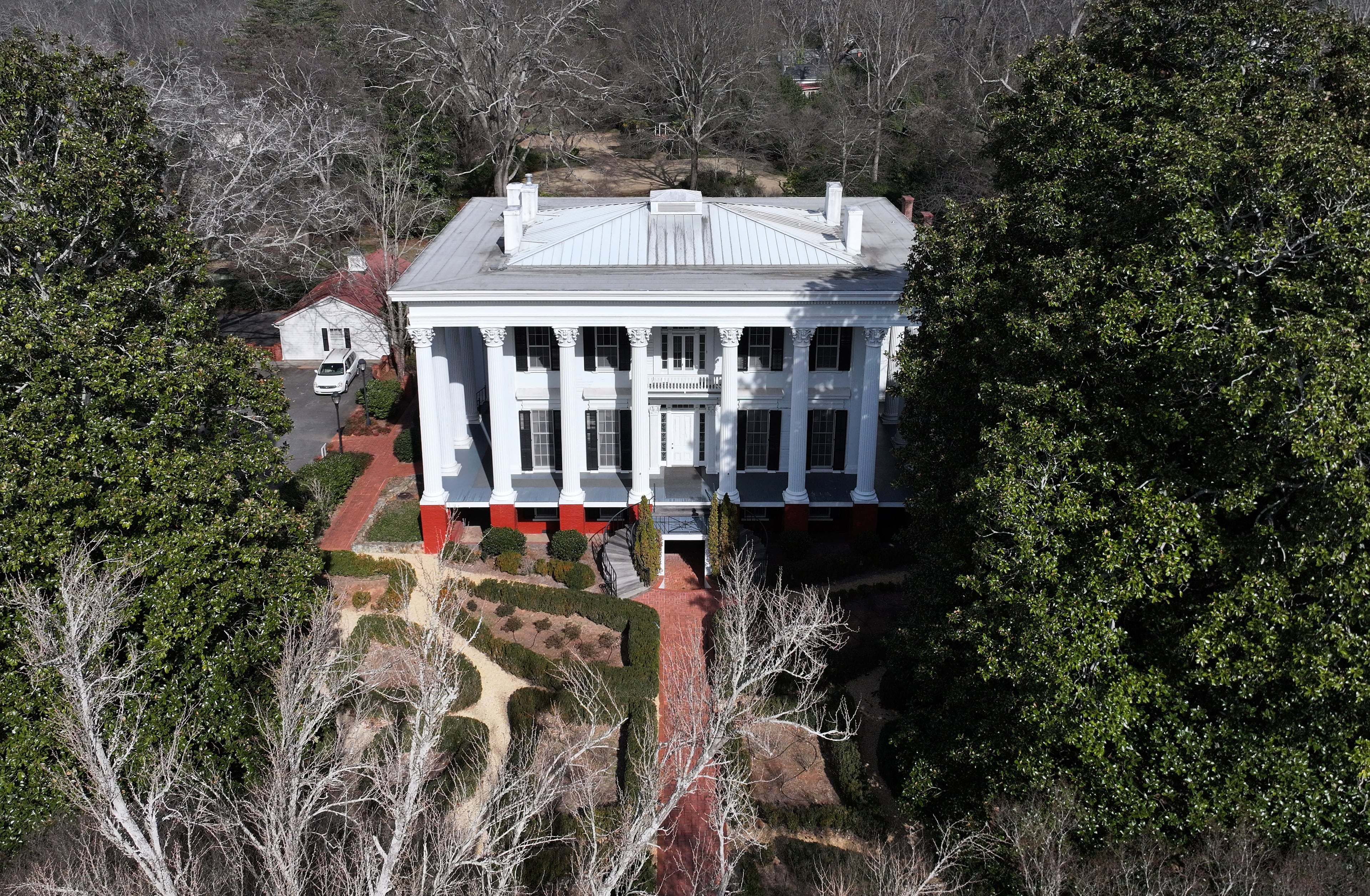
But Athens residents continued to raise alarms over the size, traffic, noise and drainage in the neighborhood.
The planning commission of Athens-Clarke County recommended in early January to deny the needed rezoning, prompting developers to table the project for further revisions rather than face an uncertain County Commission vote.
“After several months of community feedback, we’ve made the decision to pause and take more time to thoughtfully integrate what we’ve heard,” Capstone Property Group said in a statement. “We believe this is an important project for Athens, and we want to get it right.”
Supporters argue a hotel could preserve the property while adding tax revenue and economic activity along the corridor. Opponents, including R.E.M.’s Michael Stipe and Mike Mills, who both own properties nearby, see it as UGA offloading a burden.
Athens resident Peter Smith, who also lives nearby, summed up the frustration at a recent planning commission meeting: “This isn’t the first project where UGA has turned a deaf ear to the city of Athens and Clarke County.”
About the Author

Fletcher Page is Athens bureau chief covering northeast Georgia for The Atlanta Journal-Constitution.


