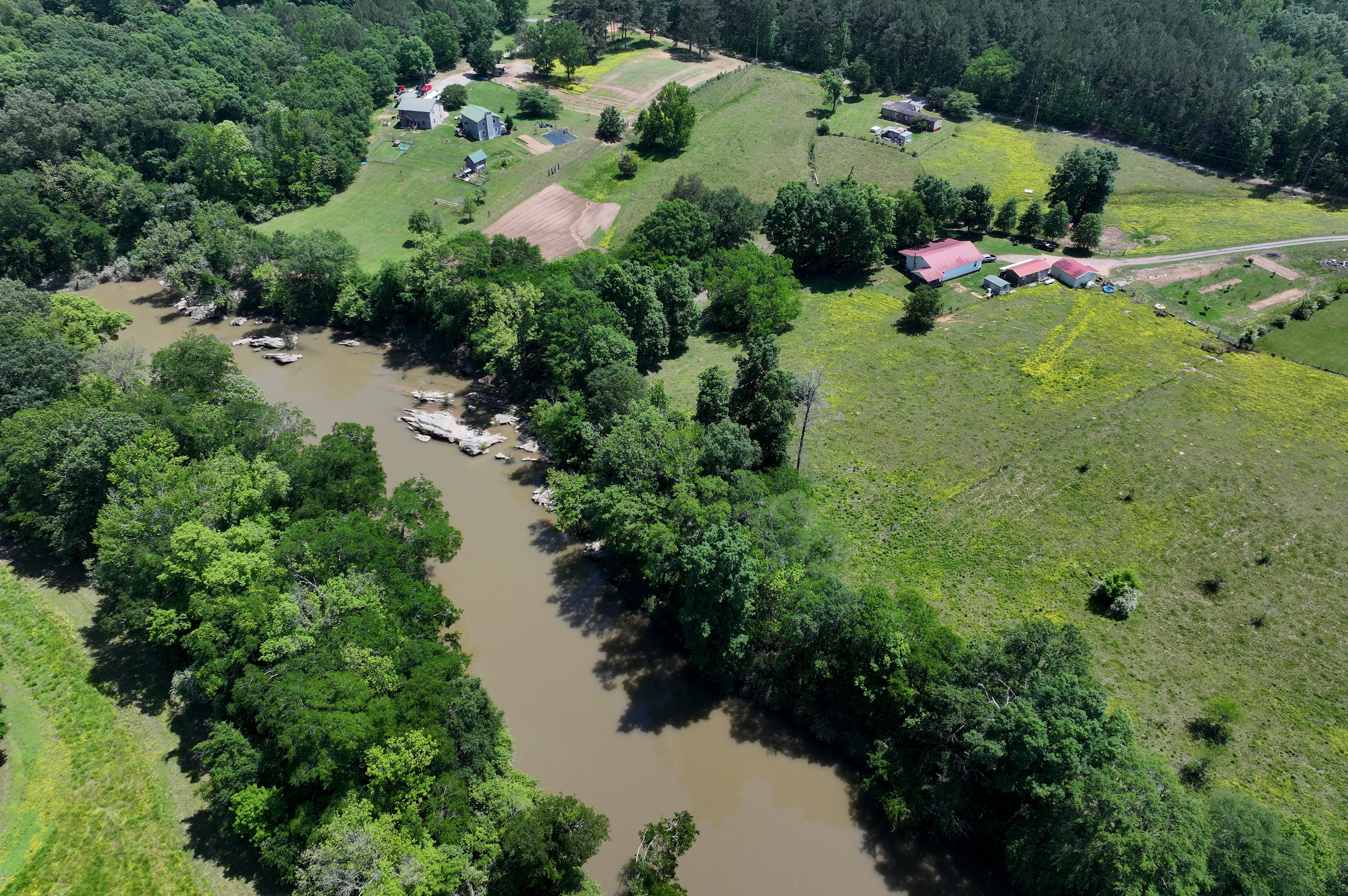
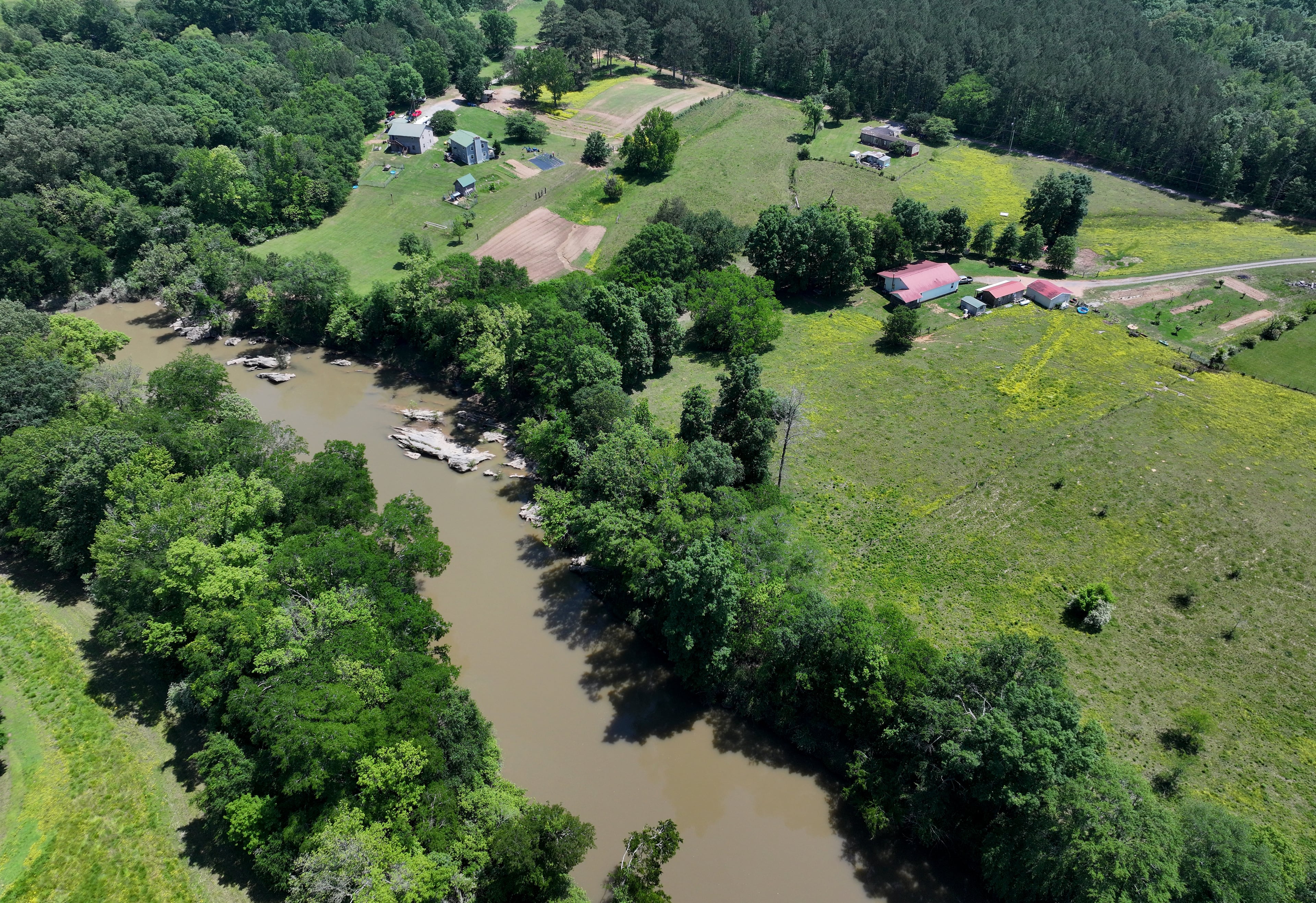
Morning, y’all! You know what we need to bring back? Taking a turn about the garden. I’m a big fan of “Bridgerton” and Jane Austen-type novels, and their characters are forever perambulating. It sounds very romantic. Are you going on a walk? No, you’re taking a turn about the grounds (your neighborhood). Go on, have yourself a lil’ meander — wait, it’s freezing outside. Perhaps a turn about the room will do.
Let’s get to it.
THE AJC INVESTIGATES THE CARPET INDUSTRY’S FOREVER CHEMICALS PROBLEM
You’ve heard of PFAS, often called “forever chemicals,” which bind to human blood and linger in our bodies for years. They’ve been linked to cancers and other health issues.
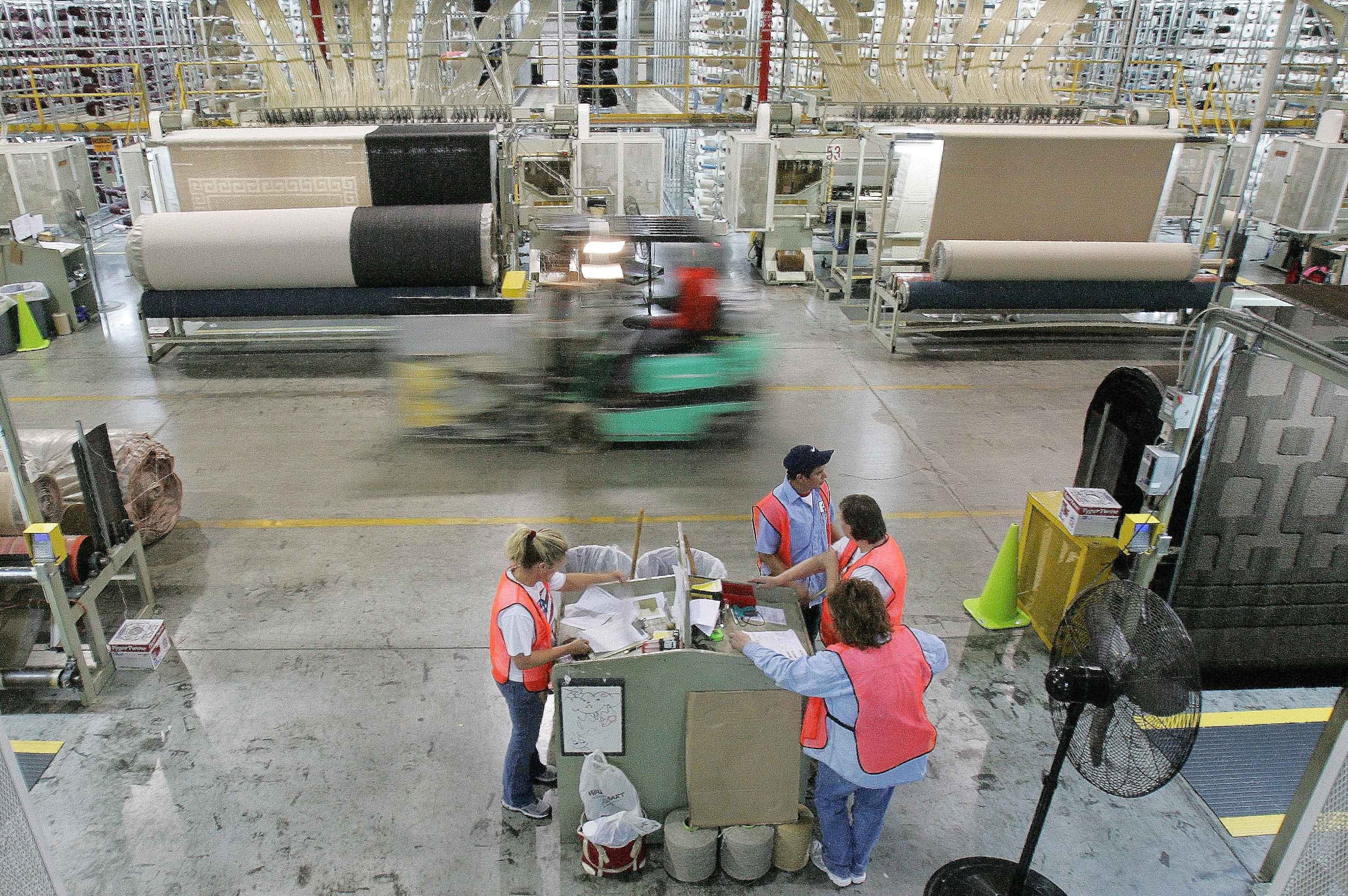
One of the nation’s PFAS hot spots is right here around Dalton, Georgia, the “Carpet Capital of the World.” For decades, toxic chemicals used in carpet manufacturing have made their way into the local water supply, setting off rounds of accountability hot potato among manufacturers, chemical makers, regulators and local utilities.
The AJC, in partnership with The Associated Press and FRONTLINE (PBS), released an investigation on Monday that reveals this legacy and its impact on the people and environment across the South.
The players:
- Chemical manufacturers: Big brands like 3M and DuPont for decades produced stain-resistant chemical treatments used on carpets. These products contained PFAS, which are now an ongoing environmental problem that communities are still trying to understand and deal with.
- Georgia carpet manufacturers: Companies, including Shaw Industries, the world’s largest carpet manufacturer, say big chemical companies didn’t tell them how dangerous the stain-resistant compounds were. These chemicals from the carpet factories leach into the ground and waterways of North Georgia.
- Public utilities: The investigation reveals Dalton Utilities, which is responsible for providing safe drinking water in the area, coordinated with carpet executives in private meetings to effectively shield their companies from oversight. That’s a big theme here: Government officials and regulators did little to prevent the PFAS from spreading.
- Regulators: Over the years, state and federal regulators have been slow to act on PFAS. The Environmental Protection Agency just established drinking water protections for PFAS in 2024. The Trump administration has announced plans to roll back some and delay enforcement of others. However, the EPA admits PFAS are still widely used.
- Communities affected by tainted water: Residents who live near such sites and have high PFAS in their blood have little recourse. Local leaders say the problem is far too big to tackle on their own. All in all, they feel helpless and frustrated that no one is taking responsibility.
🔎 READ MORE: Now that you’re briefed, take a deep dive into the investigation
What happens next?
If you feel angry after reading this, you’re not alone. I asked AJC data reporter Justin Price if there is any positive movement in trying to regulate PFAS or ensure accountability for big players.
“Federal regulators are requiring utilities in Georgia and across the country to outfit their water treatment systems with PFAS filtration by 2031,” Price said. For now, areas in North Georgia downstream of Dalton are still exposed to contamination.
Price says the state is behind in dealing with PFAS.
“Georgia is behind other states in addressing this crisis, some of which have invested millions of dollars into robust testing programs and have established PFAS limits on food and industrial waste,” he said.
MORE REPORTING ON THE PFAS ISSUE
➡️ From The Post and Courier: How a South Carolina riverkeeper’s detective work uncovered deeper details about the carpet industry’s PFAS legacy
➡️ From FRONTLINE: What to know about PFAS
➡️ From the AP: Takeaways from the investigation into the carpet industry’s toxic legacy
The AJC reporting team worked with FRONTLINE on the investigation. Watch the documentary “Contaminated: The Carpet Industry’s Toxic Legacy” at pbs.org/frontline, and in the PBS App, starting tonight at 7 p.m. EST or on PBS stations (check local listings) and on FRONTLINE’s YouTube channel tonight at 10 p.m. EST. It will also be available on the PBS Documentaries Prime Video Channel.
Not signed up yet? What’re you waiting for? Get A.M. ATL in your inbox each weekday morning. And keep scrolling for more news.
MUST-KNOW POLITICS AND BUSINESS
🫏 Former Republican Geoff Duncan is running for governor as a Democrat, pitching himself as Democrats’ best chance to break their 24-year losing streak for Georgia’s highest office.
🌱 Ekko, a London-based financial technology startup, has chosen Atlanta as its U.S. headquarters. The company embeds in e-commerce payments and point-of-sale systems to show consumers the environmental impact of their purchase and offers them the option to support a local project to compensate for that impact.
🐘 Republicans fear a crowded GOP field in Marjorie Taylor Greene’s old district will give Democrats an opening. Voters in Georgia’s 14th Congressional District better get used to the chaos, the AJC’s Greg Bluestein writes.
📄 Director of National Intelligence Tulsi Gabbard told lawmakers in a letter Monday that she attended an FBI search of the elections hub in Fulton County, Georgia, last week because President Donald Trump asked for her to be there.
ATLANTA’S MOST-SOUGHT-AFTER FILM SPOTS
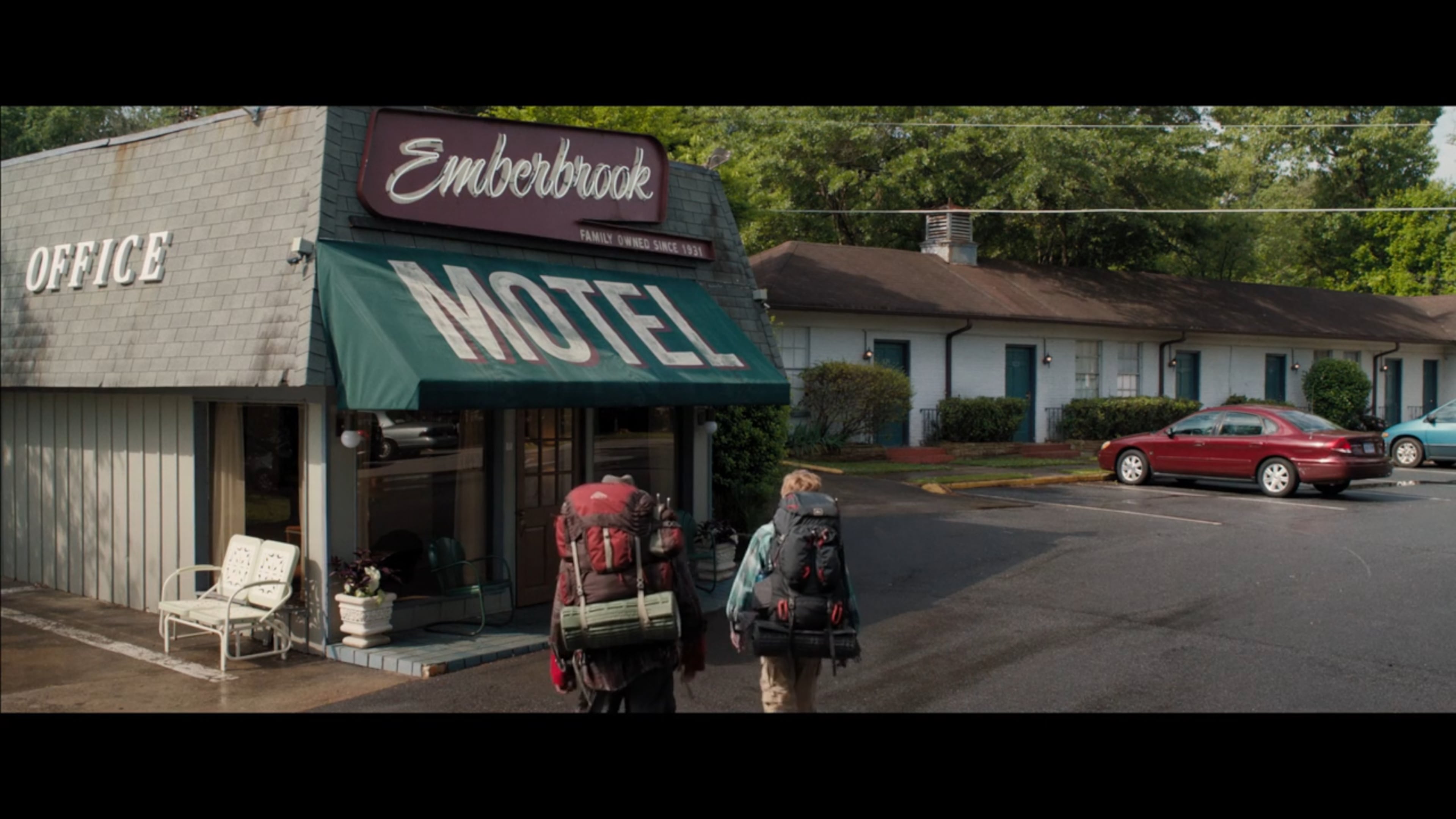
Admit it, you get a little thrill when you recognize an Atlanta landmark in the background of a TV show or movie. The AJC’s Rodney Ho runs down 10 of the most popular filming spots in Atlanta and why location scouts love to use them. A sampling:
- Georgia International Horse Park: A scout praised the site of the 1996 Olympic equestrian events as “beautiful and versatile.”
- Agnes Scott College campus: With its lovely brick and stone facades, a scout said the grounds are “incredibly rich in architectural character.”
- Cheshire Motor Inn: Though it was recently torn down, a scout mourned the 1950s motel as a “chameleon” for various styles and said filming there was “like stepping into a time machine.”
🎥 READ MORE: More insider tidbits to boost your Atlanta-based film enjoyment
NEWS BITES
Couples at the Westminster show bond over dogs, and each other
And they call it ... puppy looove. (No apologies to Paul Anka, this is his fault.)
Bad Bunny won big at the Grammys at a time when Latino communities needed a boost
Fun fact: The Spanish word for bunny is conejito.
2-month-olds may see the world in a more complex way than scientists thought
Well yeah, everything’s complex when you’re two months old.
The average MLB player salary reached a record $4.7 million in 2025
Trivia: Who was the first baseball player to make $1 million a year? Answer at bottom.
ON THIS DATE
Feb. 3, 1948
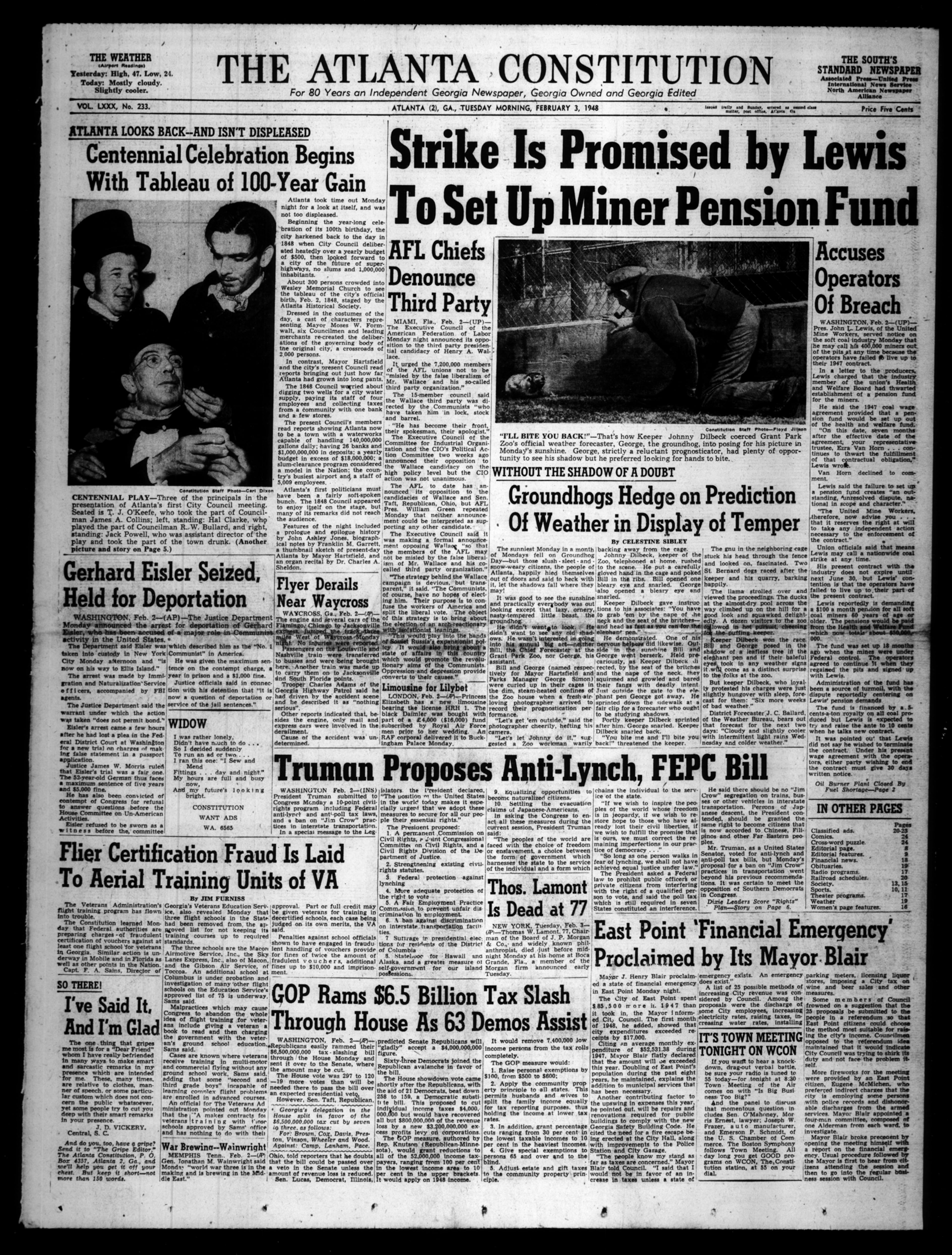
Truman proposes anti-lynch, FEPC bill. President Truman submitted to Congress Monday a 10-point civil rights program including Federal anti-lynch and anti-poll tax laws, and a ban on “Jim Crow” practices in interstate transportation. In a special message to the Legislators the President declared, “The position of the United States in the world today makes it especially urgent that we adopt these measures to secure for all our people their essential rights.”
ONE MORE THING
Trivia answer: Nolan Ryan became baseball’s first million-dollar player when the Houston Astros signed him to a four-year, $4.5 million deal in 1979.
On a related note, have you ever been to the TESO Life store in Duluth? It’s a great Japanese department store, and you’re greeted by a large display of bottled tea promoted by baseball’s favorite and most well-compensated boy, Shohei Ohtani. He made $28 million last year from baseball alone.
Thanks for reading to the very bottom of A.M. ATL. Questions, comments, ideas? Contact us at AMATL@ajc.com.
Until next time.
About the Author
AJ Willingham is an National Emmy, NABJ and Webby award-winning journalist who loves talking culture, religion, sports, social justice, infrastructure and the arts. She lives in beautiful Smyrna-Mableton and went to Syracuse University.