Gullah Geechee face new development, tax challenges on Sapelo Island

DARIEN — A win at the ballot box this month might not be enough to shape the future for the Gullah Geechee people of Sapelo Island.
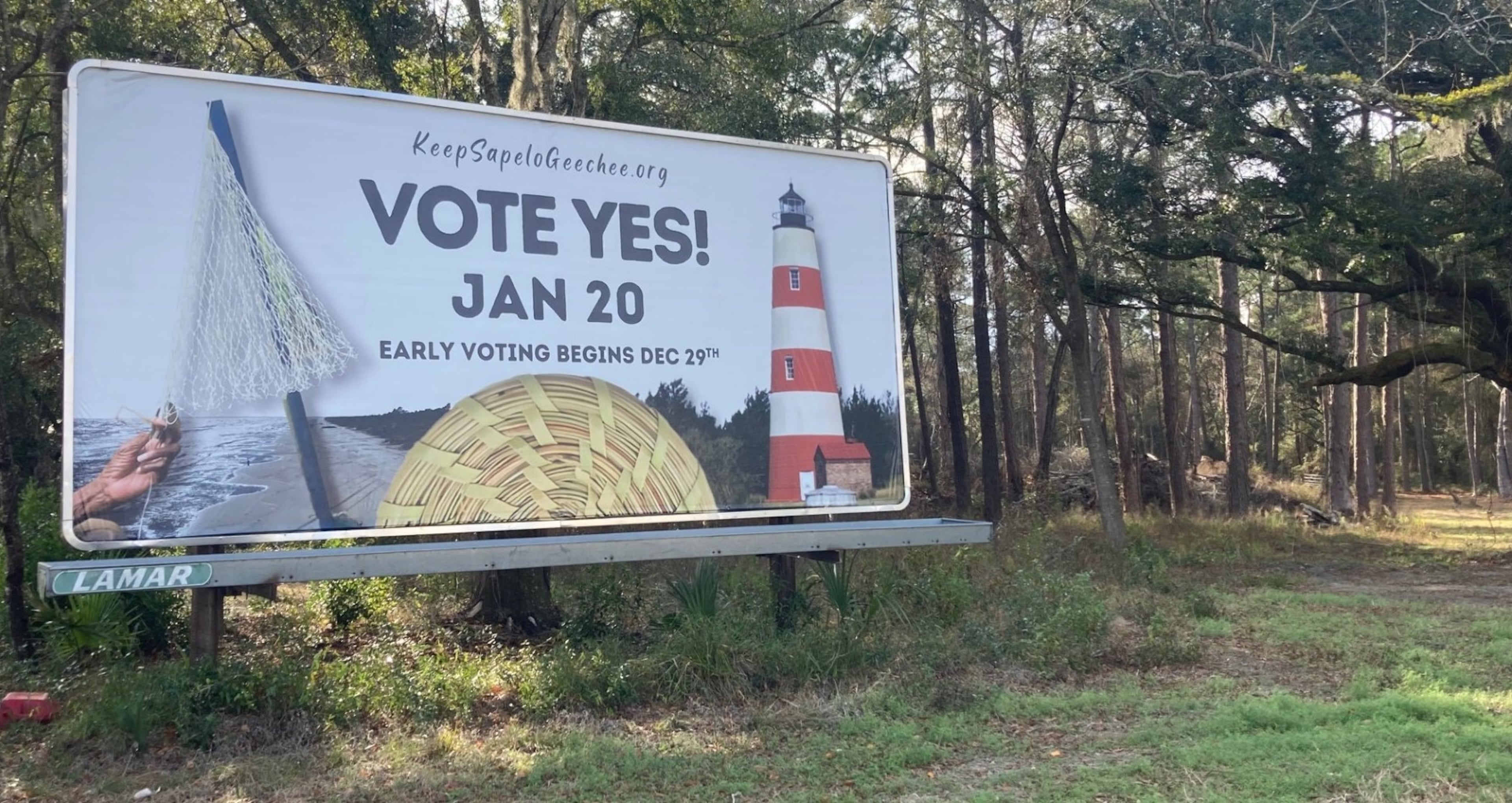
They face new threats to their way of life even as early voting is underway in a referendum meant to curb development of large vacation homes within their 434-acre Hogg Hummock community.
The first is a zoning ordinance proposal that would allow such construction regardless of the referendum’s outcome. The second is the specter of a massive property tax hike that could force many Gullah Geechee to sell off their ancestral lands a parcel at a time.
“There’s a lot of sneaky stuff being thrown at the people of Sapelo right now,” said J.R. Grovner, a Gullah Geechee community leader.
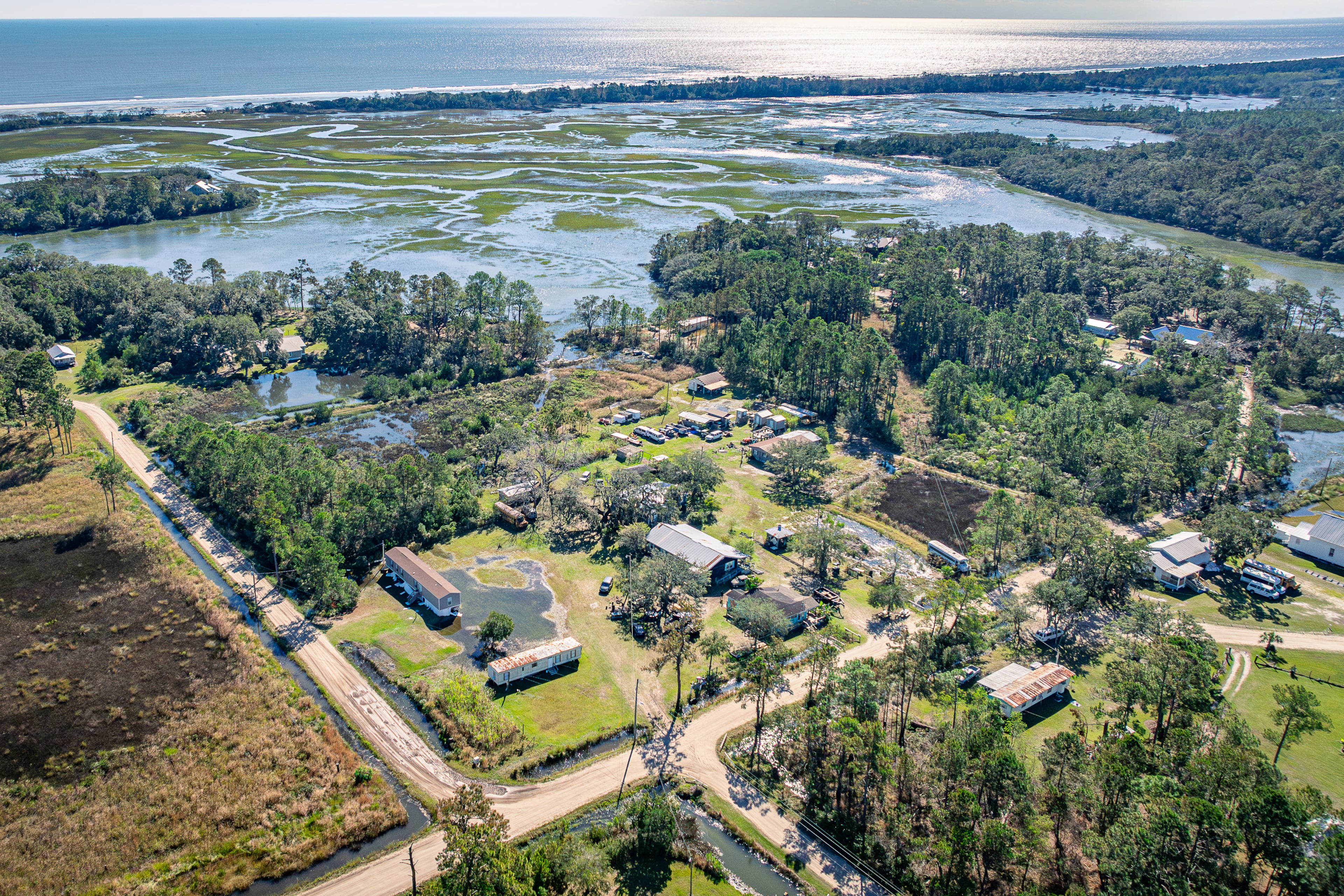
Sapelo’s Gullah Geechee are the largest intact coastal community of slave descendants in the United States. They trace their roots to the 385 or so enslaved West Africans who were forced to work the Georgia barrier island’s plantations before the Civil War and remained after being freed.
This century has seen the descendants stave off previous property tax hikes and win judgments and settlements in lawsuits against the state and the local government over infrastructure and public services. More recently, they led efforts to mount a voter referendum aimed at repealing a 2023 zoning ordinance change that more than doubled the allowable square footage of homes in Hogg Hummock.
That special election is now underway after a prolonged legal battle that ended in a Georgia Supreme Court ruling. Early voting began Dec. 29 and about 500 of the county’s more than 10,000 registered voters have already cast ballots. Voting ends Jan. 20.
Dozens of residents attended a county tax assessor’s board meeting Wednesday to push back on the looming property tax hike. At a December tax assessor’s board meeting, chief appraiser Blair McLinn cited an $1,800 tax bill that would balloon to about $10,000 at the new valuations.
But the tax assessor’s board did not hear public comment during Wednesday’s meeting. Instead, the county will host two question-and-answer sessions on the topic in the coming weeks, including one on Sapelo.
“I want input,” McLinn assured residents. “I want input from everybody.”
After the meeting, several Sapelo Gullah Geechee criticized the latest zoning ordinance proposal, which could be discussed by the McIntosh County Commission as soon as next Tuesday.
The new zoning proposal became public two days before Christmas and its wording drew immediate skepticism from Sapelo residents. It calls for 1,800 square feet “under roof” but allows for a 37-foot building height, leading the Gullah Geechee to question whether the ordinance could be interpreted to permit two-story, 3,600-square-foot homes.
That would surpass the 3,000 square feet allowed under the ordinance currently being challenged in the referendum.
The backlash led McIntosh Commission Chair Kate Pontello Karwacki to cancel a meeting to “consider and possibly adopt” the zoning ordinance ahead of the special election.
In the meeting cancellation notice published Monday, Karwacki suggested a new ordinance was needed because the referendum, if successful, would leave Sapelo without zoning regulation — the same argument McIntosh County attorneys made to the state Supreme Court.
The justices ordered the referendum move forward anyway after hearing a counter argument: that a repeal of a zoning change means a return to the ordinance as it previously read, limiting homes to 1,400 square feet.
“I just can’t believe that its two-plus years later and we’re still at this,” said Josiah “Jazz” Watts, a Gullah Geechee descendant.
The property tax threat stretches back much farther. Sapelo’s assessed property valuations have been locked since 2012, when Gullah Geechee first sued over public services. That tax freeze expired at 2025’s end, and estimates call for valuations to rise by as much as tenfold and for 2026 tax bills to quintuple.
Only those properties with homestead exemptions — 18 of the 392 privately owned parcels — would avoid a significant tax increase.
Residents expected a tax hike, said Reginald Hall, a Gullah Geechee descendant who spearheaded the lawsuits. But he questions the calculations and whether homes rented out as vacation rentals, which he said should be considered commercial properties, are skewing the residential digest.
“This is a retaliatory effort for our attempt at our survival,” Hall said.
About the Author

Adam Van Brimmer is a journalist who covers politics and Coastal Georgia news for The Atlanta Journal-Constitution.


