Spectacular loss by Honduras' governing party spurs reflection and criticism
TEGUCIGALPA, Honduras (AP) — For over 30 years, Javier Gámez and María Barahona worked, scrimped and studied to push their family ahead. Gámez filled bags with sand from the Choluteca River winding through the Honduran capital and shined shoes in a downtown park; Barahona sold bananas and oranges from a basket.
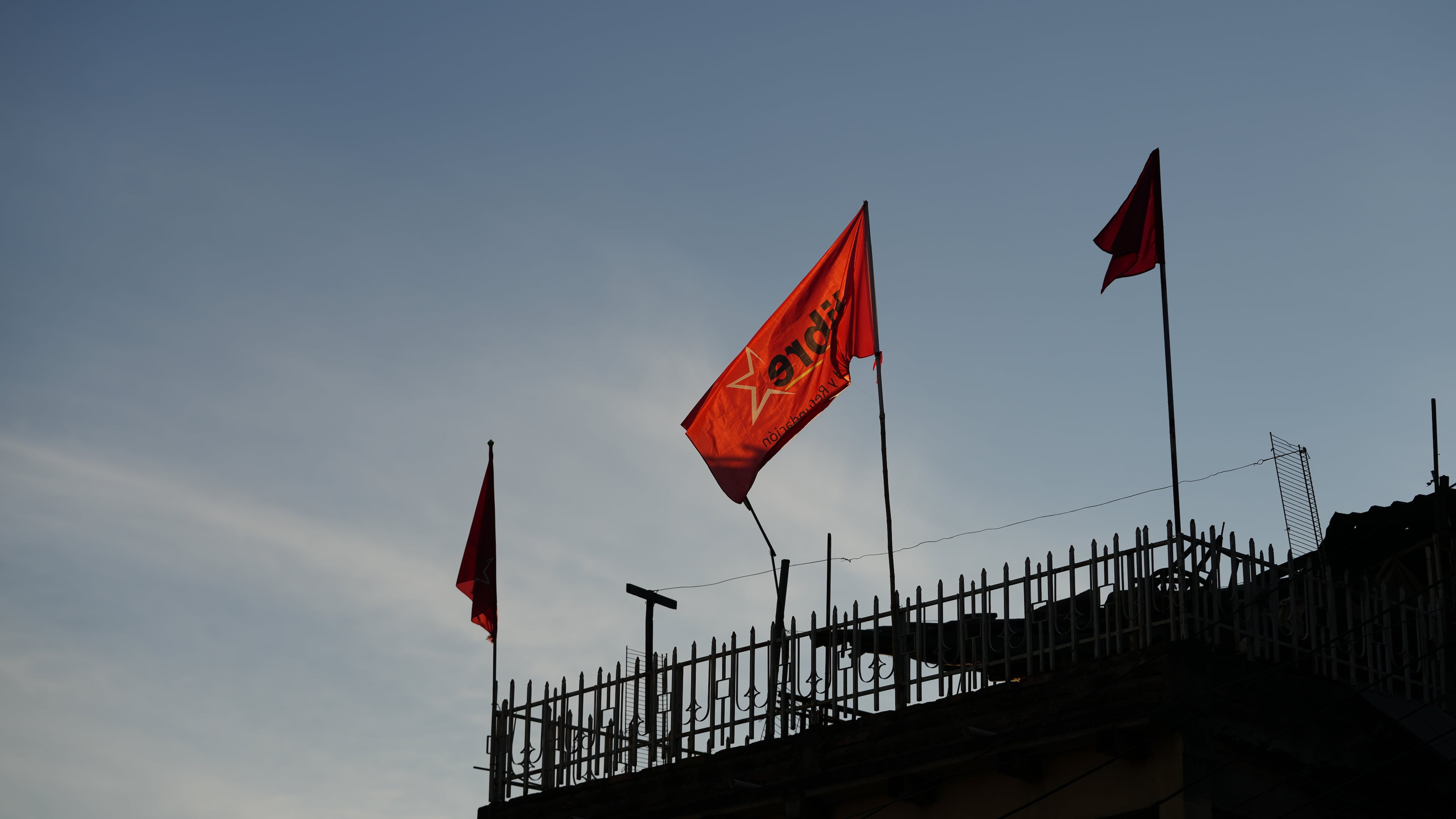
They continued their education, becoming accountants and raising three children who are now adults on professional tracks. Working-class families like theirs formed the base of the governing Liberty and Refoundation Party, or LIBRE, a movement built on Honduras’ political left in the wake of the 2009 coup that removed President Manuel “Mel” Zelaya from power.
Hondurans with limited resources launched their movement into political contention, marching, organizing, making themselves heard, because they believed LIBRE would in turn look out for them. And in 2021, it paid off when Xiomara Castro, Zelaya’s wife, won the presidency with more than 50% of the vote.
Four years later, the party is riven with infighting and trying to come to grips with the spectacular loss of its presidential candidate Rixi Moncada, who received less than 20% of the vote in the Nov. 30 election. In another tumultuous election without a clear winner nearly two weeks later, one thing is certain: LIBRE lost badly, punished in part by its own base.
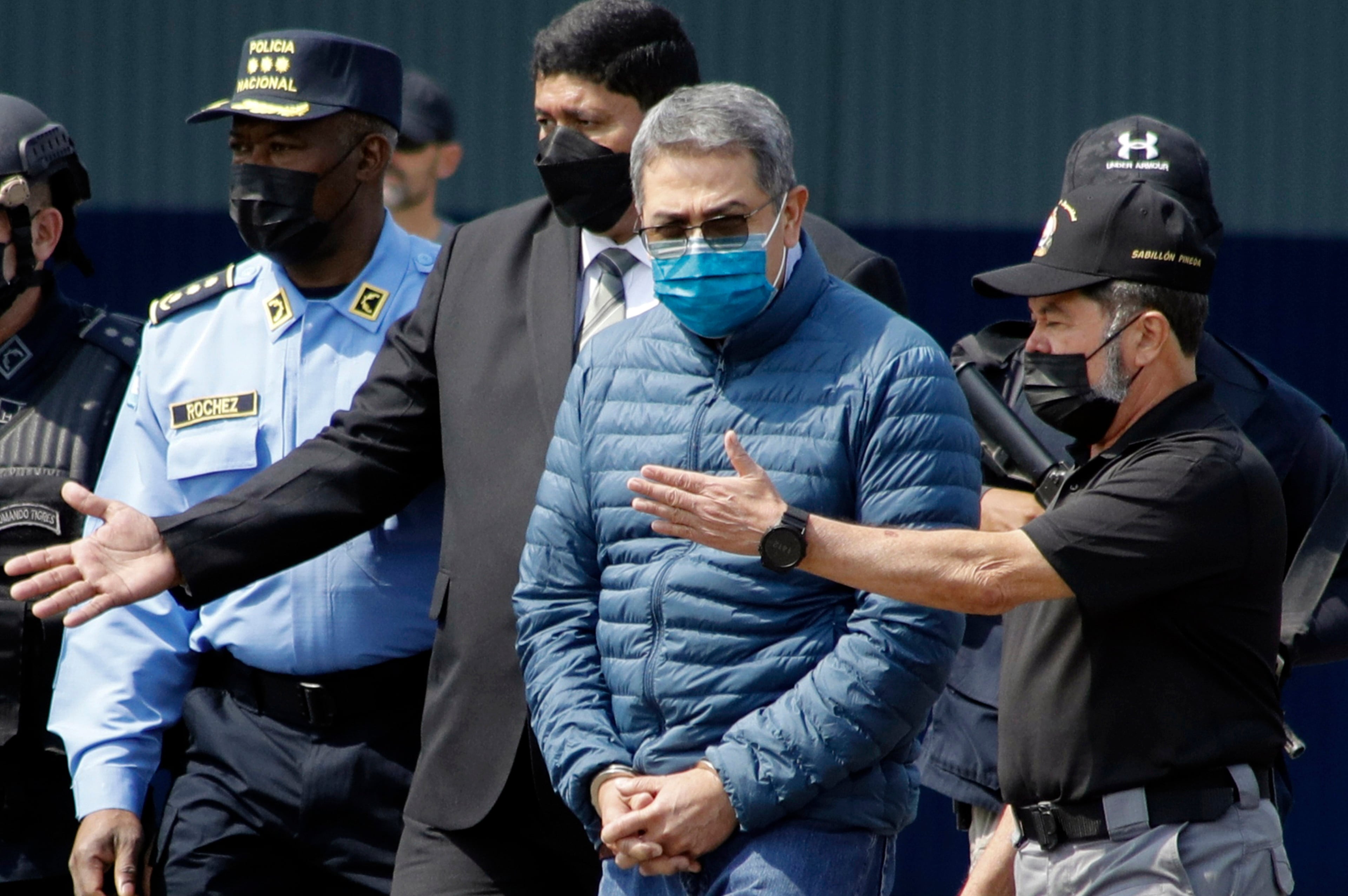
Moncada and others blame U.S. President Donald Trump’s last-minute meddling with his endorsement of conservative Nasry Asfura of the National Party and the pardoning of ex-President Juan Orlando Hernández. But even Zelaya came out late Tuesday to say the party’s own data showed candidate Salvador Nasralla from the conservative Liberal Party won. Officially Asfura leads Nasralla by a percentage point.
One evening as votes were still being counted, Gámez, a LIBRE poll worker, and Barahona, a LIBRE neighborhood coordinator, both 49, sat on a park bench in Tegucigalpa dissecting the loss of the party they still supported this election, but with less enthusiasm.
The couple and others said there were signs of trouble from the earliest days. They said working-class families did not get the help they expected and Castro's administration took on some of the worst characteristics of its predecessors. She had promised transparency and failed to deliver on priorities like fighting corruption and pushing drug traffickers out of politics.
“They dedicated themselves to only favoring their families, people close to them, and they forgot about the people who put them there,” Gámez said.
An ominous beginning
One of the first thing’s Castro’s administration did upon taking power in 2022 was push a broad amnesty bill for people tied to her husband’s administration more than a decade earlier, citing political persecution. For someone who had made rooting out corruption central to her campaign, it stirred immediate unease.
Then the administration failed to establish an anticorruption mission with U.N. support as Castro had promised during the campaign.
In 2023, a Honduran government watchdog group published a report about the high level of nepotism in Castro’s administration. A month later, the group’s director said she had fled the country with her family after receiving threats.
In August 2024, Castro said she would end the extradition treaty with the United States after the U.S. ambassador questioned a visit of Honduran military officials to Venezuela. It was under that agreement that Castro's administration extradited Hernández, the former president from the National Party, to the United States to face drug trafficking charges. She reversed the decision on the treaty in February after talks with the Trump administration.
Last year, a video recorded in 2013 was released purportedly showing drug traffickers offering more than $525,000 to the president’s brother-in-law and congressional leader, Carlos Zelaya. Published as part of an investigation by InsightCrime, the video included Castro’s brother-in-law saying that half of the money would go to “the commander,” apparently meaning his brother Manuel Zelaya. Carlos Zelaya acknowledged meeting with the leader of a drug trafficking organization and resigned, but said he was unaware of his business.
“The basic promises they made, they failed to deliver on, but then while governing, they also reminded people of the past that they had voted in 2021 to leave behind,” said Rachel Schwartz, an expert on Central American politics at the University of Oklahoma.
Internal failures and external interference
The night after the election, a few hundred LIBRE supporters gathered at party headquarters to hear Moncada address the partial and preliminary results that already showed her in a distant third.
Standing across the street, Obed Godoy, who works in a government print shop, and Fanny Rodríguez chatted about the situation. Rodríguez was glued to her phone, occasionally reading aloud accusations of fraud as she saw them on social media.
They lamented Trump’s interference and Rodríguez decried the hypocrisy of a U.S. president who she said sees “all Latino immigrants as criminals,” but frees the ex-president Hernández convicted in the U.S. of drug trafficking.
Godoy said Castro had achievements, mentioning a government program subsidizing electricity that allowed what Castro’s administration said were some 900,000 poor families to pay nothing for electricity.
Still, asked if Castro’s legacy had helped or hindered Moncada, Rodríguez said she had helped “a little,” but cited the video of Castro’s brother-in-law discussing money with drug traffickers and a recent scandal at the Social Development Ministry over diverted funds to party politicians as being blemishes.
Communist bogeyman
Across town in the capital’s El Manchen neighborhood, Karla Godoy, was carrying groceries home with her adult son.
A 16-year employee of the Agriculture Ministry and a LIBRE supporter, Godoy too said Castro’s administration had successes like building hospitals and giving cash grants to farmers. She blamed opposition media for not telling the public about the good things Castro’s administration did.
The 54-year-old acknowledged “some failures” by party leaders and chided other LIBRE supporters for throwing support to other parties this time over the fear-mongering of Trump and the Honduran opposition that Moncada would take Honduras down the path to authoritarianism like Venezuela, Cuba or Nicaragua.
Castro and Moncada were among the first prominent regional figures to publicly congratulate Venezuela President Nicolás Maduro on his claimed victory in an election he is widely believed to have lost in a landslide last year.
Godoy’s son Julio César Godoy, 31, was less generous with his countrymen. “The party lost because of one thing: for the idiosyncrasy that we Hondurans are idiots, we let ourselves believe that communism was coming,” he said.
Trouble at the top
Former LIBRE congresswoman María Luisa Borjas was similarly blunt, but about the party leadership.
The ex-police internal affairs commander said it was clear early on that Castro’s administration would falter, in part because they put “incompetent people” in various decision-making roles across the government. “That’s why they suffered a protest vote, because they never worried about people’s well-being,” she said.
Schwartz, of the University of Oklahoma, said the administration’s inability to execute some basic functions of government is part of the legacy of a political system rooted in clientelism, where posts are handed out in exchange for political support.
Barahona, seated beside Gámez, said she saw support from Castro’s administration in roads built and schools repaired, but recognized that the administration was not responsive to its base. Still, she said the size of the protest vote surprised her. “After making it to the top, we’re back at the bottom,” she said.
Gámez said, “We wanted a change for the country, but the people at the top betrayed us.”