Cobb removes classic Toni Morrison novel from school media centers

Cobb County School District administrators have pulled Toni Morrison’s acclaimed novel, “The Bluest Eye,” from its media centers, saying the decades-old book contains sexually explicit content that is not suitable for students.
It’s the first book the school system has removed from its libraries in 2026, but the 37th title pulled since 2023.
Superintendent Chris Ragsdale made the announcement during Thursday’s school board meeting.
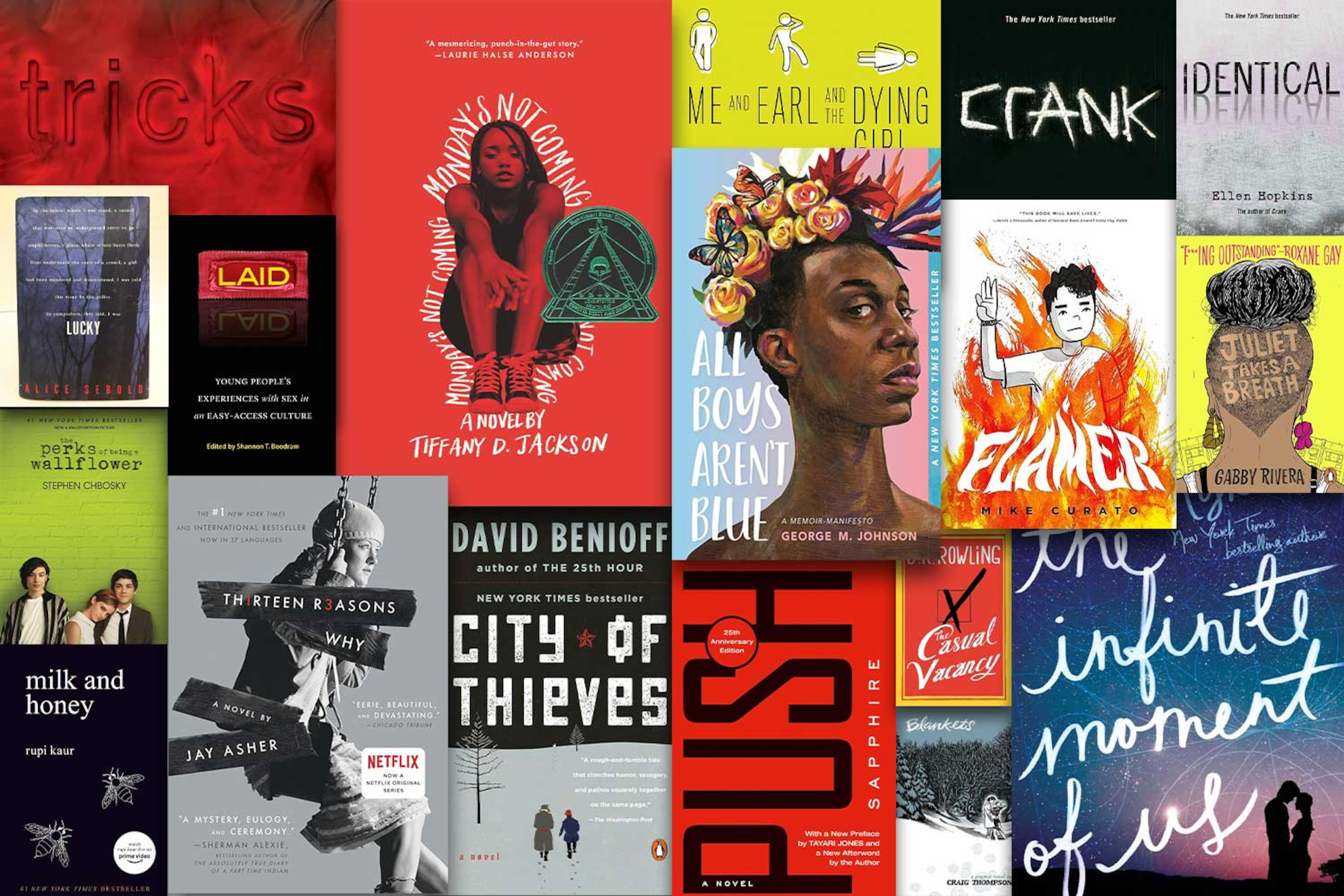





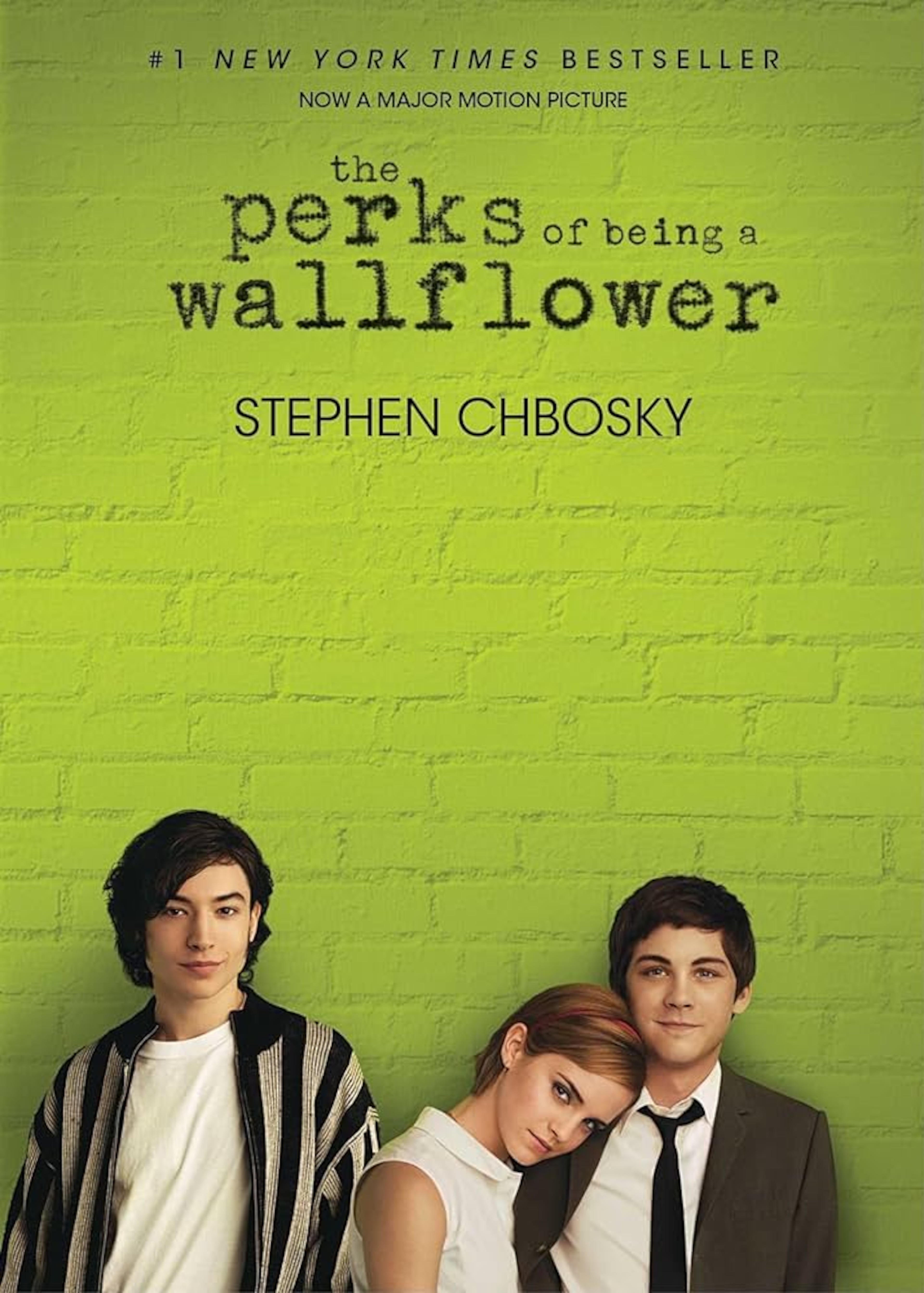

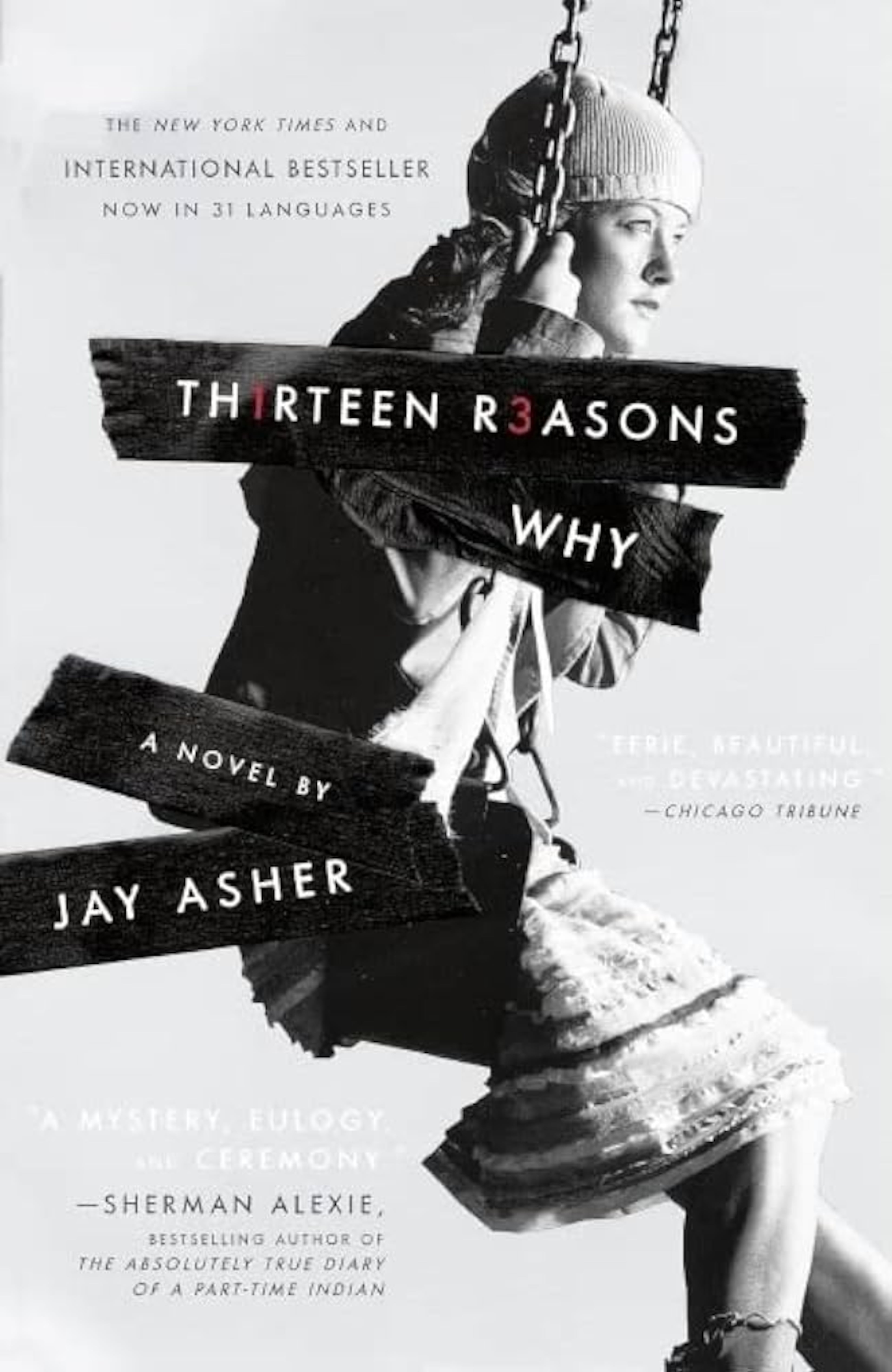
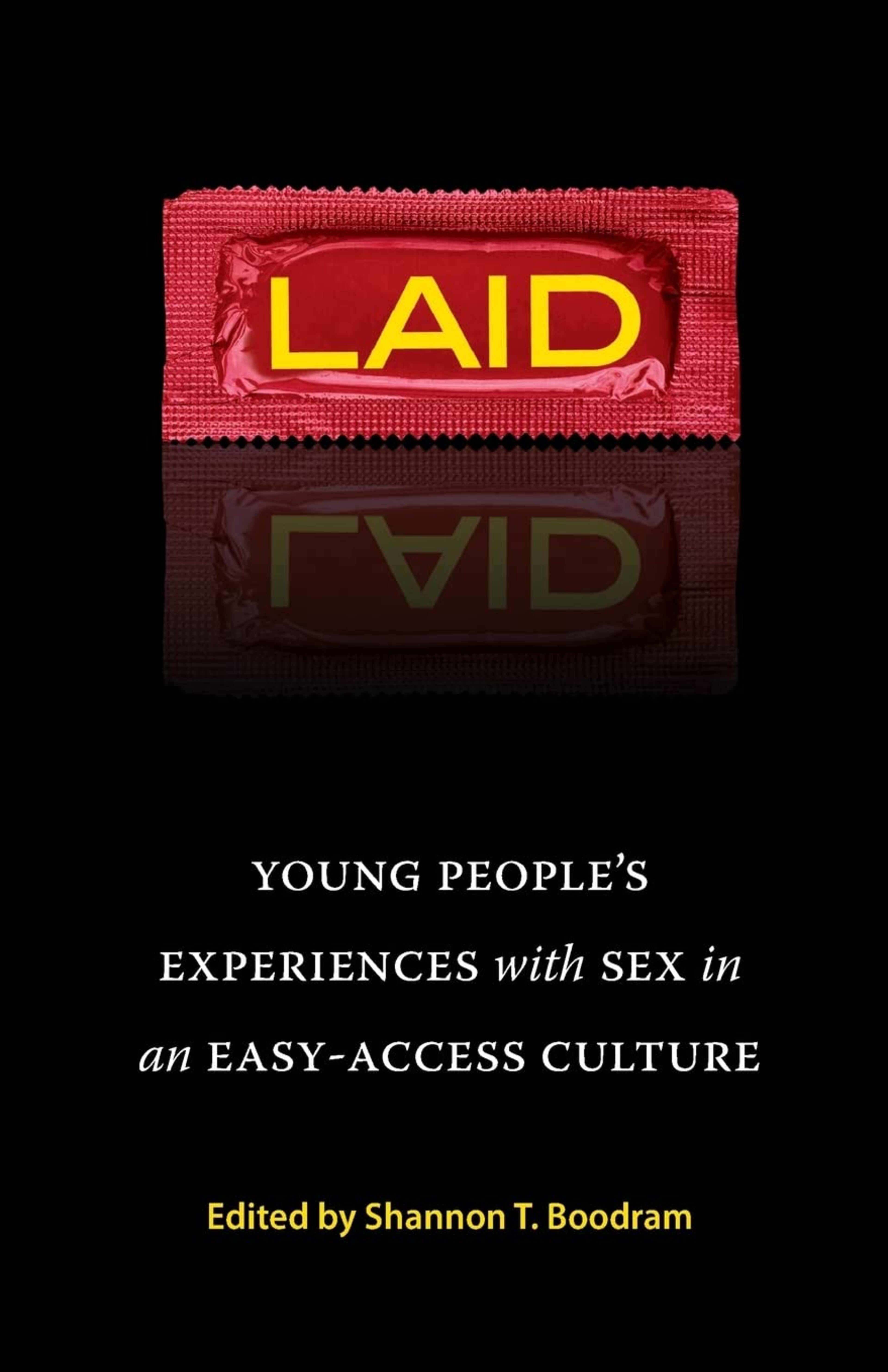


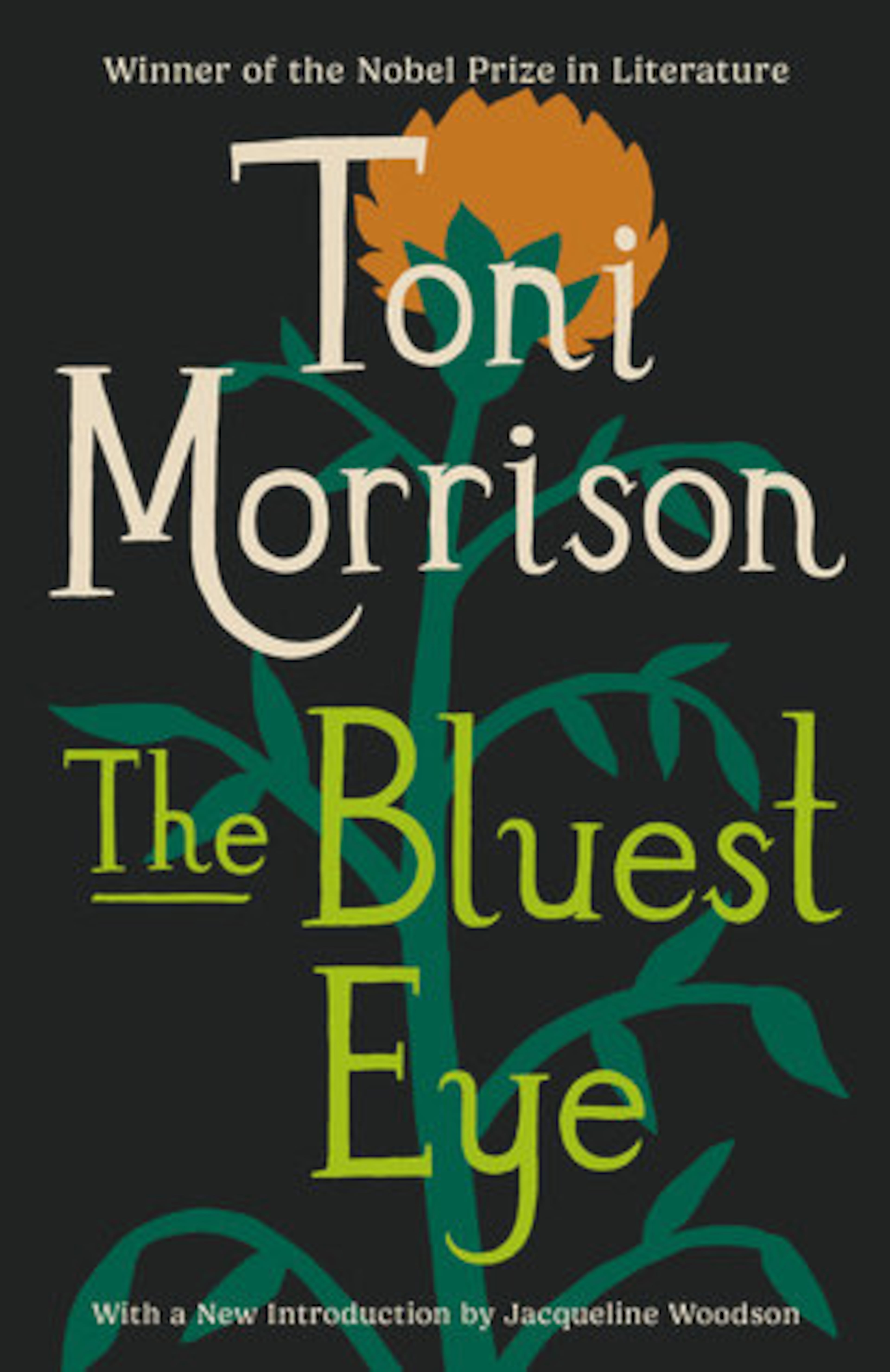
Cobb, which has a process to review books, said it reviewed the novel, which was originally published in 1970, and found it violated the district’s standards for content acceptable for sixth graders through 12th graders. The book is about a young Black girl’s experience with abuse, racism and poverty, and how wishing she had blue eyes and blond hair was a form of escape.
At Thursday’s meeting, Ragsdale read aloud portions of the book that depicted the rape of an 11-year-old girl by her father.
“The words speak for themselves,” Ragsdale said in a news release. “Both as a father and as a superintendent, I think about a parent having to explain to their sixth-grade daughter after she encounters explicit descriptions of child incest and rape in a book provided at school, without parents knowledge. As the superintendent responsible for the instruction of 100,000 students, I do not have the luxury of making that decision for other parents and their children.”
Ragsdale came under fire recently for a speech he made to teachers before the school year began, in which he equated opposing book banning to supporting human trafficking. Some teachers walked out of the meeting, and were later questioned by district leaders about who gave them permission, according to the teachers union.
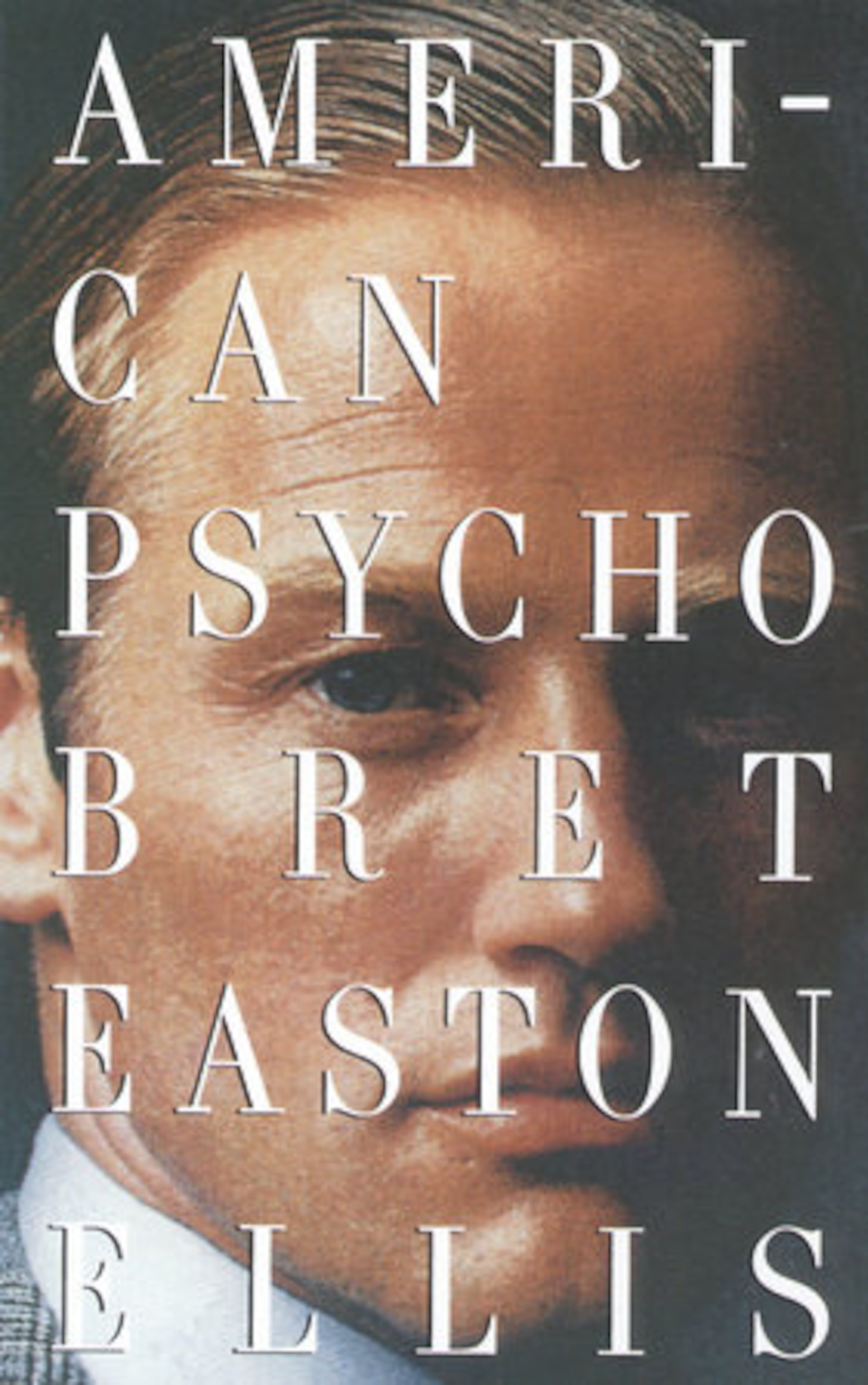
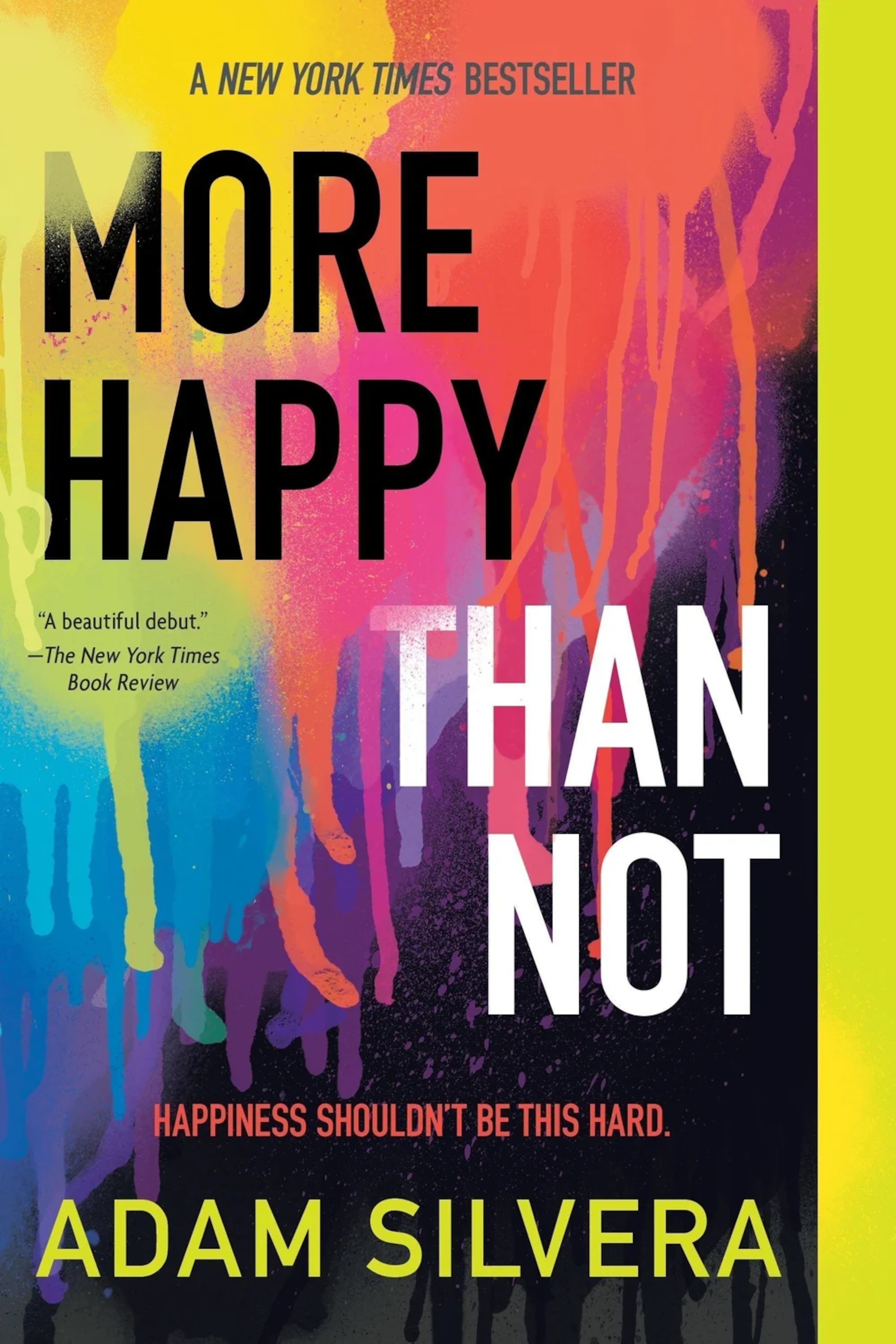
Cobb, Georgia’s second largest school district, started a book review process in 2023 after removing two bestselling books: “Flamer” by Mike Curato and “Me and Earl and the Dying Girl” by Jesse Andrews. The removal of those books came just days after the district voted to fire teacher Katie Rinderle for reading a book that challenged gender norms to fifth graders.
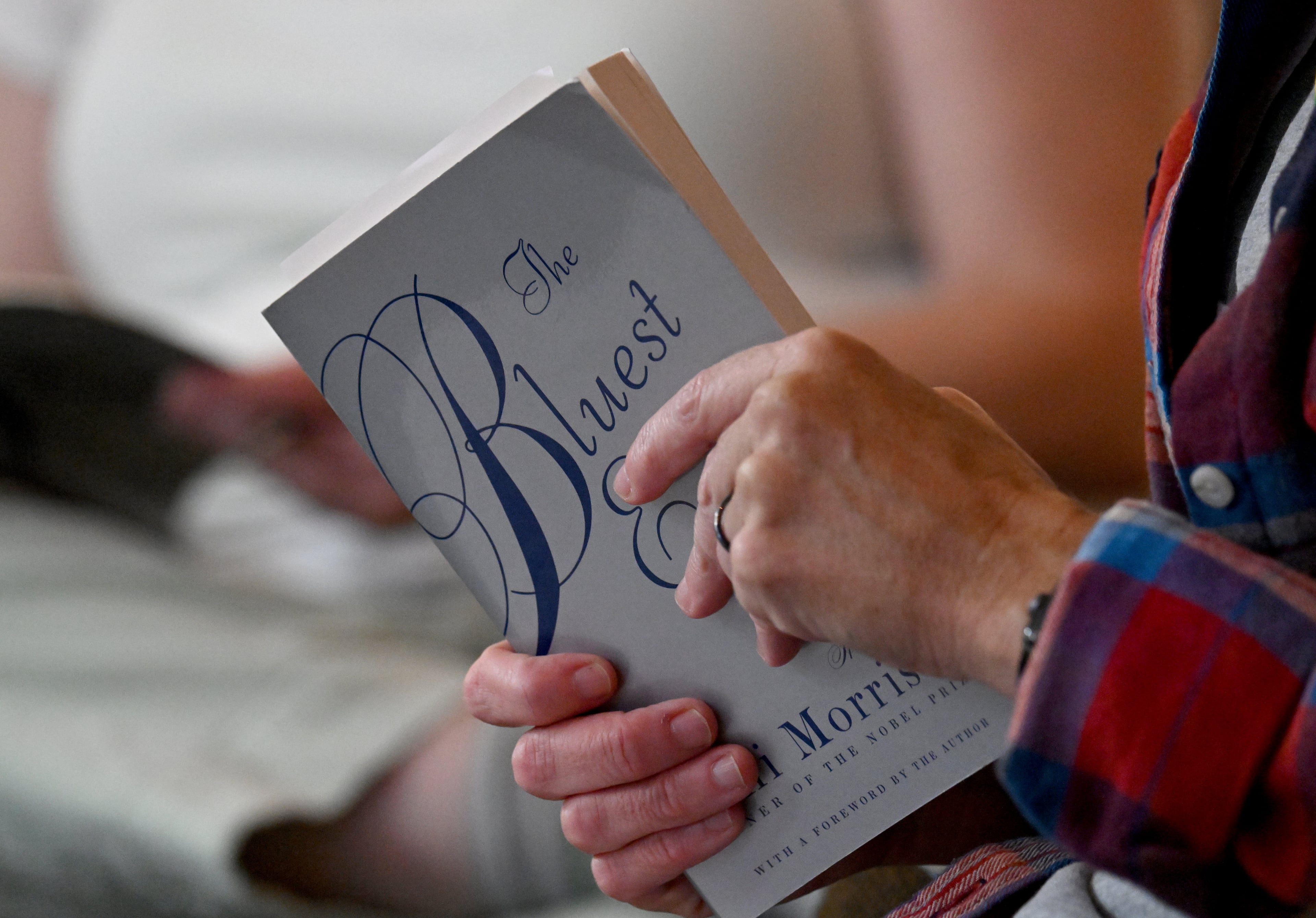
Other works by Morrison remain in its libraries, Cobb said.
“The Bluest Eye,” considered by many scholars and reviewers as one of the most influential works in American literature, has been removed from school libraries in several districts across the nation in recent years. Critics have pushed back against school book bans, describing the decisions as a form of censorship.
Forsyth County school district officials pulled “The Bluest Eye” and seven other books from middle and high school library shelves in January 2022, after a review. The federal government raised concerns about the removals. Months later, the district restored seven of the books, but only on high school shelves.
Morrison, the author of several award-winning books, was the first woman to win the Nobel Prize in Literature, was a Pulitzer Prize winner and received the Presidential Medal of Freedom from then-President Barack Obama. She died in 2019.
Morrison wrote about censorship issues in “Burn This Book,” a collection of essays on the topic, that she edited and was published in 2009.
“Efforts to censor, starve, regulate and annihilate us are clear signs that something important has taken place,” she wrote. “The thought that leads me to contemplate with dread the erasure of other voices, of unwritten novels, poems whispered or swallowed for fear of being overheard by the wrong people, outlawed languages flourishing underground, essayists questions challenging authority never being posed, unstaged plays, canceled films — that thought is a nightmare. As though a whole universe is being described in invisible ink.”