Why I support Georgia’s Distraction-Free Education Act
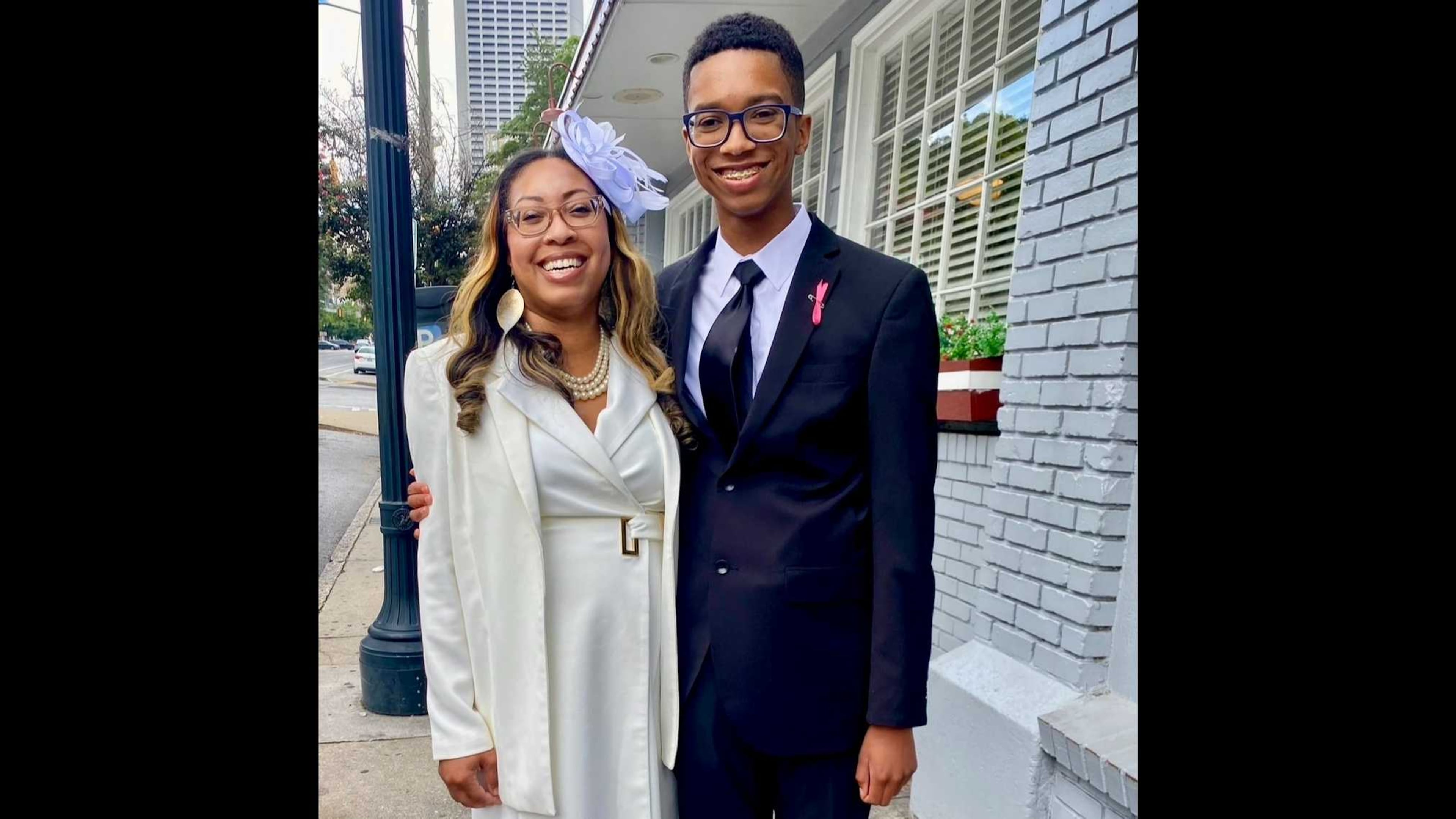
As a single mother, I understand the challenges of raising a teenager in a world dominated by social media notifications. My son, who is diagnosed with ADHD, is intelligent and creative. Like other teenagers, he loves technology and loves to connect with friends online. He scrolls a lot through TikTok videos and Instagram posts and receives notifications from several platforms.
Last year, I saw a sharp decline in his academic performance, motivation, and emotional instability in his emotions. It was heartbreaking to witness how difficult it became for him to disconnect from his iPhone and the loss of valuable personal friendships. So I was happy to see the Georgia Legislature pass the Distraction-Free Education Act this year to restrict cellphone use by students in high school classrooms.

In May 2026, according to Harvard University’s Center for Education Policy Research, Gen Z teenagers are performing worse than their peers did 10 years ago, which is truly concerning. According to Harvard’s Center for Education Policy Research data, reading scores declined in 83% of school districts where data was available, while math scores fell in 70% of districts. This data is alarming and is affecting high-performing and underperforming school districts, and includes all demographic groups. Nevertheless, with the rise of technology and consistent distractions in the classroom from digital devices, students’ concentration has become much more difficult than past generations.
It’s no secret that students with ADHD struggle with focus and organization and need structure to complete tasks. However, with easy access to digital devices and social media, this creates problems for educators in the classroom to keep students engaged and teach the required curriculum.
Therefore, I made the decision to reduce access to certain apps on my son’s iPhone. I invested in an Apple AirTag wallet where I could track him for emergencies. I also invested in building meaningful relationships with his teachers and staff at his high school.
This spring, I witnessed a huge turnaround. My son’s grades improved significantly. I noticed a happier mood, and I focused on keeping him involved in activities.
Last week, we watched Toy Story 5, which was comforting to see the animated movie focus on the harsh reality of cyberbullying and on building relationships with friends in person to solidify social skills.
As a parent who has personally witnessed the negative effects of excessive phone and social media use, I believe legislation such as the Distraction-Free Education Act is important in helping to reduce digital distractions while genuinely allowing students to build true friendships and enjoy their high school experience.
The Distraction-Free Education Act can help students improve academically at school. Working with my son’s teachers with consistent communication and limited access to his iPhone helped create healthier study habits and improved his critical thinking skills.
My son is a better student. Georgia, this law can work.
Shavonda Miles is an Atlanta native residing in DeKalb County. She is a former CNN employee who works as a media and political strategist with Vonda Mone’ LLC.
If you have any thoughts about this item, please go to our AJC Get Schooled Facebook page. If you’re interested in writing an op-ed for the AJC’s education page, drop us a note at education@ajc.com.