The next generation of Atlanta’s green workforce

It’s 9:30 on a summer morning near East Atlanta. One student pushes a wheelbarrow across the Oakland Cemetery grass while others break up soil, rakes in hand.
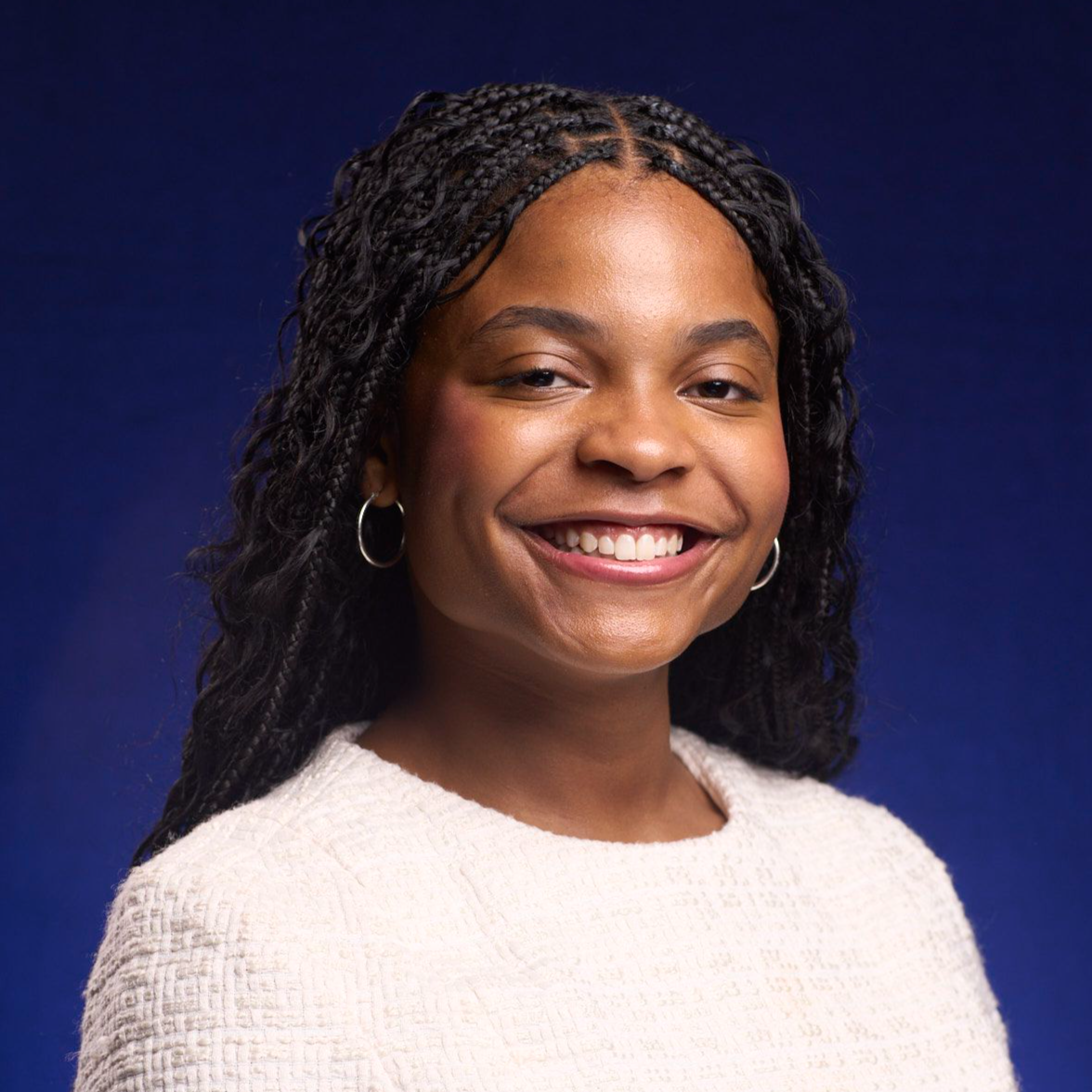
“Of course it’s still a work in progress, but you can see where we’re going, where we’re headed with this,” said Amelia Williams, a rising senior at Arabia Mountain High School in DeKalb County. She smiles and points at a row of potted plants sitting a few feet away. “All those plants you see right there? We just got a fabulous truckload, so we can’t wait to put all that in!”

While other high schoolers are still asleep at this hour, Williams and her fellow Oakland Roots Academy students have already started their workday under the unforgiving July sun, sleeves rolled up and gloves on in the city’s most famous resting place.
The Oakland Roots Academy is an eight-week program training the next generation of Atlanta’s green workforce. The academy focuses its outreach on the MARTA service area: students from the DeKalb, Atlanta, Clayton and Fulton school systems. All participants attend Title I high schools, which are schools that receive federal funding to support low-income students.
First-year students, known as the Green Skills crew, apply for one of two specialized tracks: Horticulture and Historic Preservation. They gain applicable career experience and learn more about Atlanta’s history all while earning an hourly wage.

Horticulture students have taken on a lot-clearing and beautification capstone project, working within the cemetery’s original six acres. The multistep process includes designing the beds, weeding out invasive species and performing a site analysis, considering the area’s topography before installing new plants.
The experience has taught Soledad Frady, a rising junior at Maynard Jackson High School in Atlanta, perseverance. “Out here, it’s really hot. There’s ants, bugs, there’s things that make you uncomfortable and make you not want to keep working, but you have to keep pushing through and really get the job done,” Frady said.
Students on the historical preservation track have also taken on many responsibilities, such as leveling and cleaning headstones, resetting cradle graves and repainting the front gates. The group is now making an ADA-accessible walkway connecting the nursery and greenhouse for their capstone project.
The career goals that attracted them to the preservation track vary, from aspiring to be a history teacher, to an engineer, to an antique restorationist.
Desmond Rose, a rising senior at Elite Scholars Academy in Clayton County, enjoys bricklaying most, and wants to pursue a career in either industrial or civil engineering. “Being hands-on with the construction aspect of this job allows me to really see what that experience is like, and allows me to weigh my options,” Rose said.
Richard Harker, president and CEO of the Historic Oakland Foundation, believes the program equips students with vital skills that will help them professionally.
“(W)hatever career they’re going to go into, they’re going to be well served by the training that they’re receiving here, and that’s something that we’re proud of,” Harker said.
Shaping young leaders
In addition to technical training, the program allows students to grow in leadership. Returning students, referred to as the Green Leaders Crew, oversee first-years and spend one Saturday a month during the academic year preparing for the following summer.
Ted Ward, Oakland’s director of education and youth programs, meets with students to plan the structure of the program’s eight weeks. “We actually put (Green Leaders) in positions of agency... you start to see them making calls out there and leading these people like managers,” Ward said.

The academy, now in its fourth year, has grown from hosting eight participants in its first year to now hosting 30. Ward believes this leadership model is just one aspect that differentiates the academy from other youth programs.
“Learning how to kind of be in charge of people that are your age and kind of commanding a certain respect that is mutual is something that we really learned,” Frady said.
For Jeremiah Moore, a rising senior at Elite Scholars Academy, working with and learning about his team has been a summer highlight.
“I learn to see patterns in people... I can notice someone may not want to do a certain task over the other, or how people communicate and how they want to be communicated to,” Moore said.

Oakland Roots Academy students also benefit from professional development days every Wednesday. Students start the morning with training on resume and cover letter writing, interviewing and using LinkedIn. Afterward, they visit community partners to learn about work opportunities beyond the Oakland Cemetery. They recently visited Doghead Farm in southwest Atlanta, where the nonprofit organization Concrete Jungle combats food insecurity.
“Being able to connect with different people through our various field trips on Wednesdays allows me to network and learn how people got to where they are. And as I learned from their experiences, I can apply what they tell me into my own path toward my career,” Rose said.
Here are some of the famous Atlantans buried at Oakland Cemetery:
Ivan Allen Jr. - He served as Atlanta’s mayor from 1962 to 1970 and played a pivotal role in guiding the city through the Civil Rights Movement.
Selena Sloan Butler - She founded the nation’s first parent-teacher association for African Americans in Atlanta and co-founded the National Parent Teacher Association.
Bishop Wesley John Gaines - He was the 16th bishop of the African Methodist Episcopal Church and a founder of Morris Brown College.
Maynard Jackson - He was Atlanta’s first Black mayor. Jackson also helped bring the 1996 Summer Olympics to Atlanta.
Bobby Jones - The famed golfer is the only person to win the four major titles in one year.
Margaret Mitchell - She was the Pulitzer Prize-winning author of “Gone With the Wind.”
Kenny Rogers - The music legend was best known for his country hits and duets with Dolly Parton and Lionel Richie.