Centennial Yards’ next tower to include affordable apartments, shops
1 / 6

Downtown Atlanta is abuzz when concerts, conventions and sports are taking place — look no further than the summer’s jam-packed World Cup events.
But what does downtown look like between large events? How can a sliver of that game day vibrancy be repeated on the average weekday?
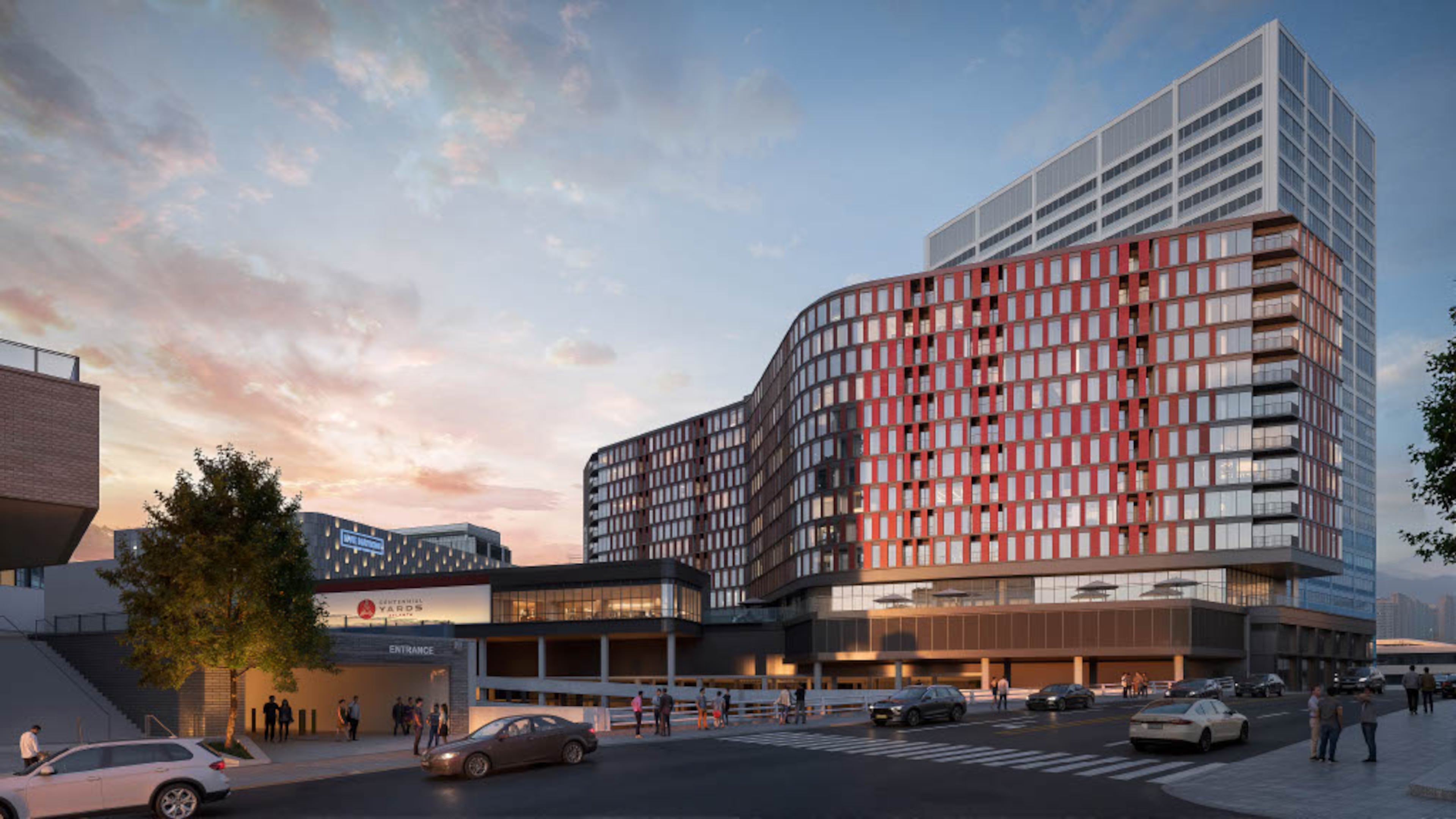
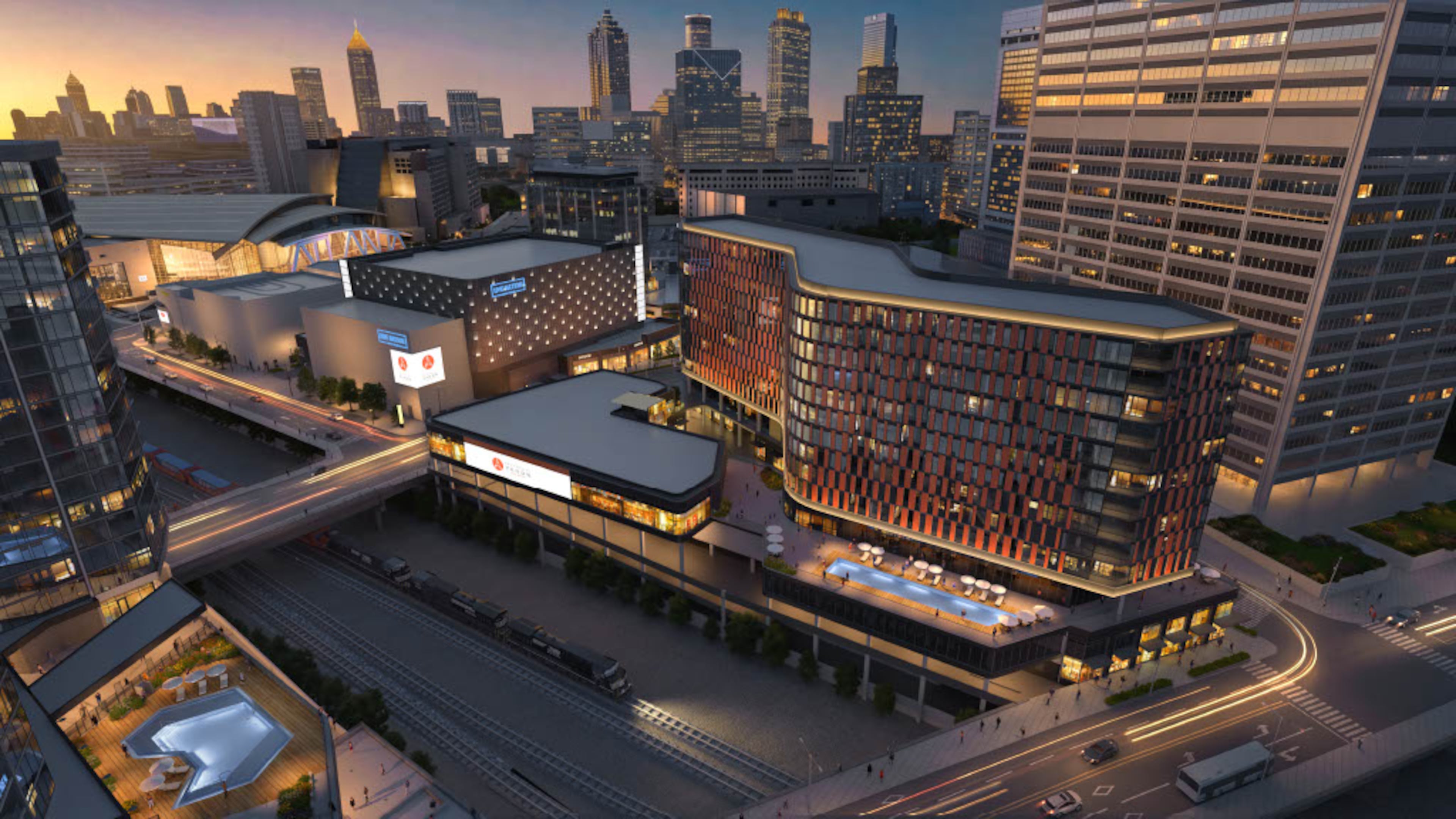
Those questions are influencing the next building slated to join Centennial Yards, the $5 billion redevelopment of downtown’s Gulch. An early-stage plan for roughly 280 apartments, including affordable units, and more than a dozen retail shops was recently unveiled in documents filed with the city, which were obtained by The Atlanta Journal-Constitution.
Brian McGowan, head of Centennial Yards, said the planned building will bring the district to roughly 800 apartments out of what is expected reach 2,000 units across the 50-acre development. He said increasing the number of people living downtown and providing them shops that serve their daily needs goes a long way to creating around-the-clock vibrancy.
“The challenge is the Tuesday afternoon problem. When there’s not a big event going on, how do the retailers survive?” he told the AJC. “One of the ways you can address that through a mixed-use project is by building residential and office, so you have 24/7 usage.”
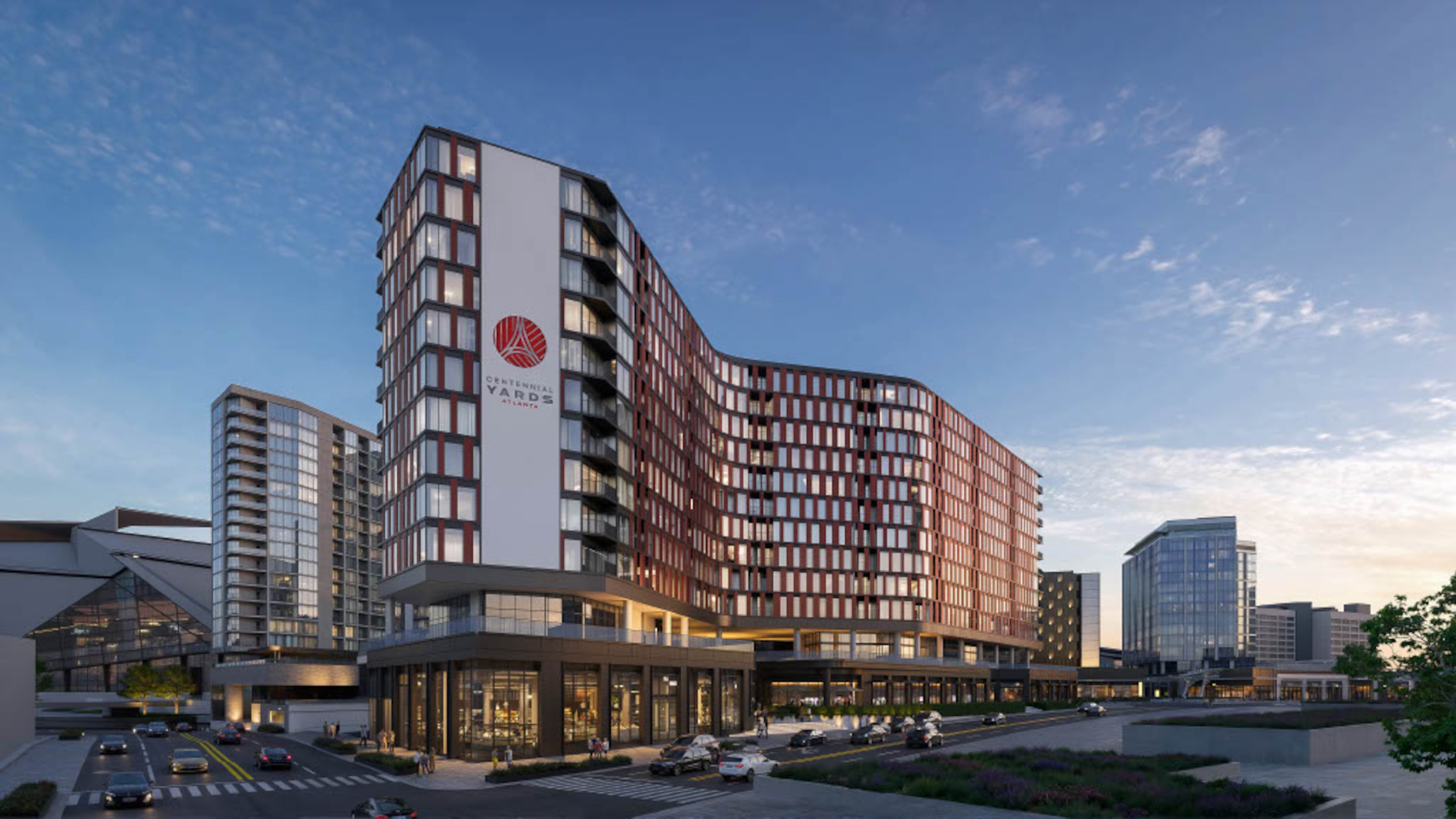
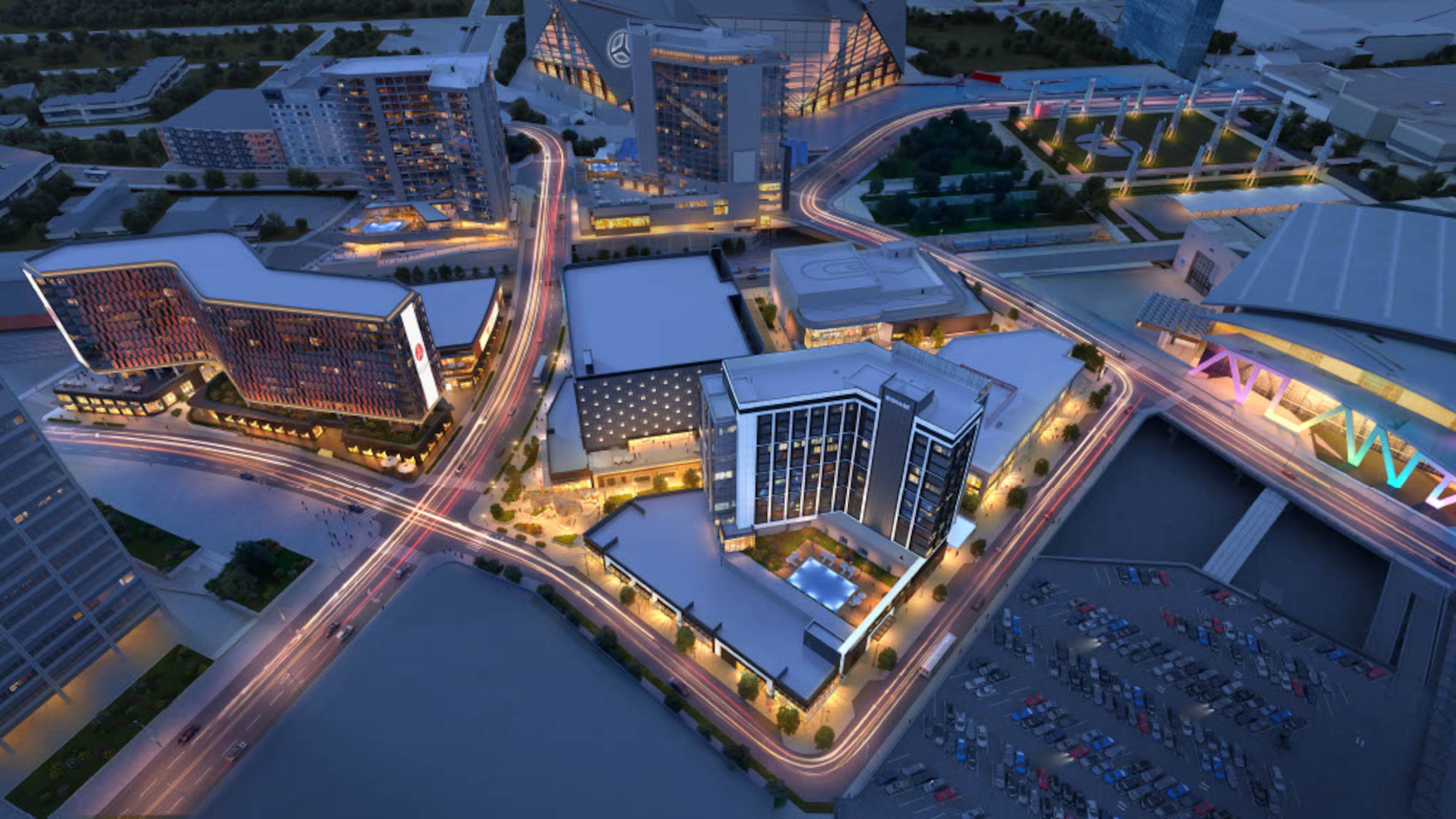
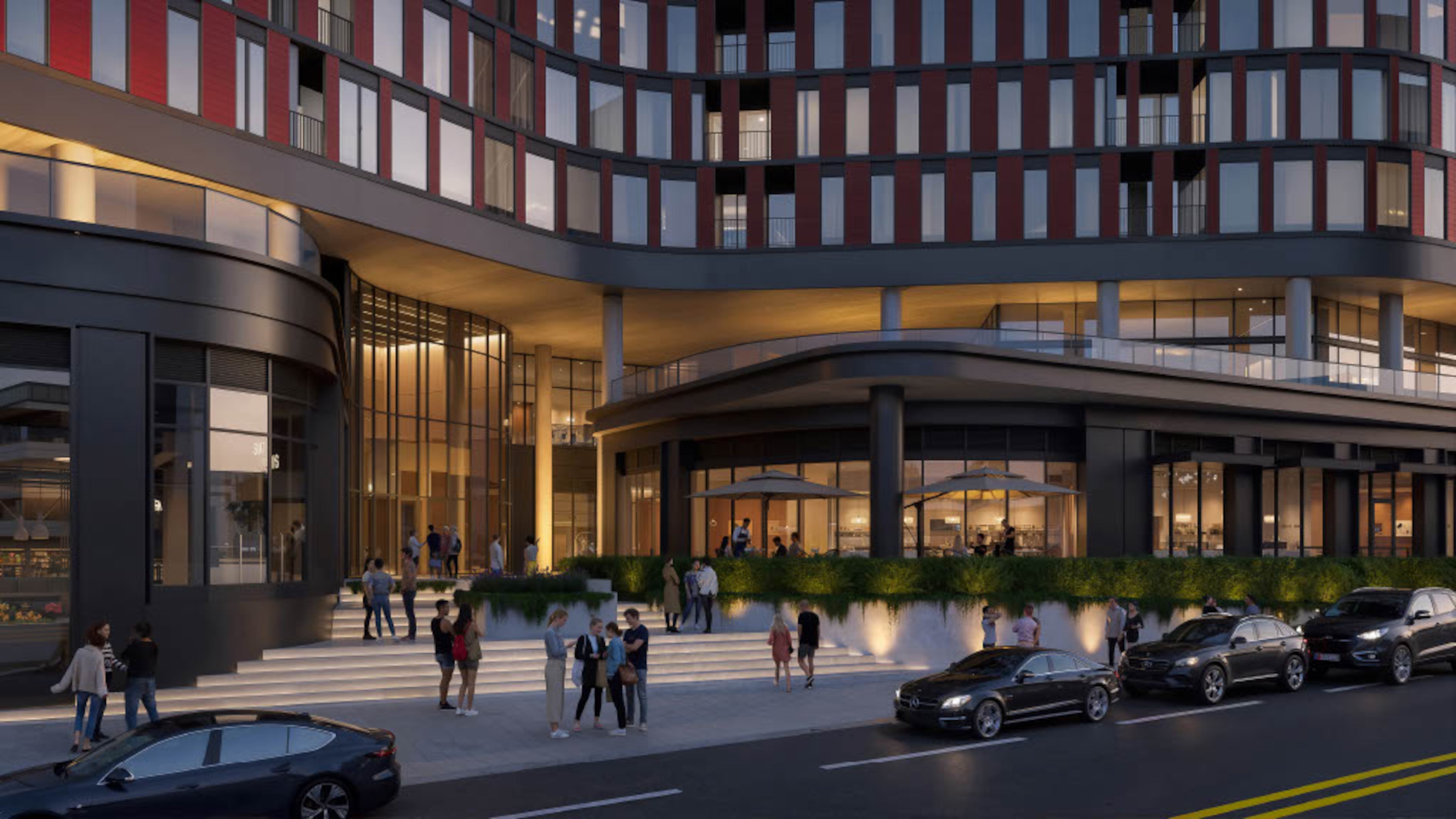
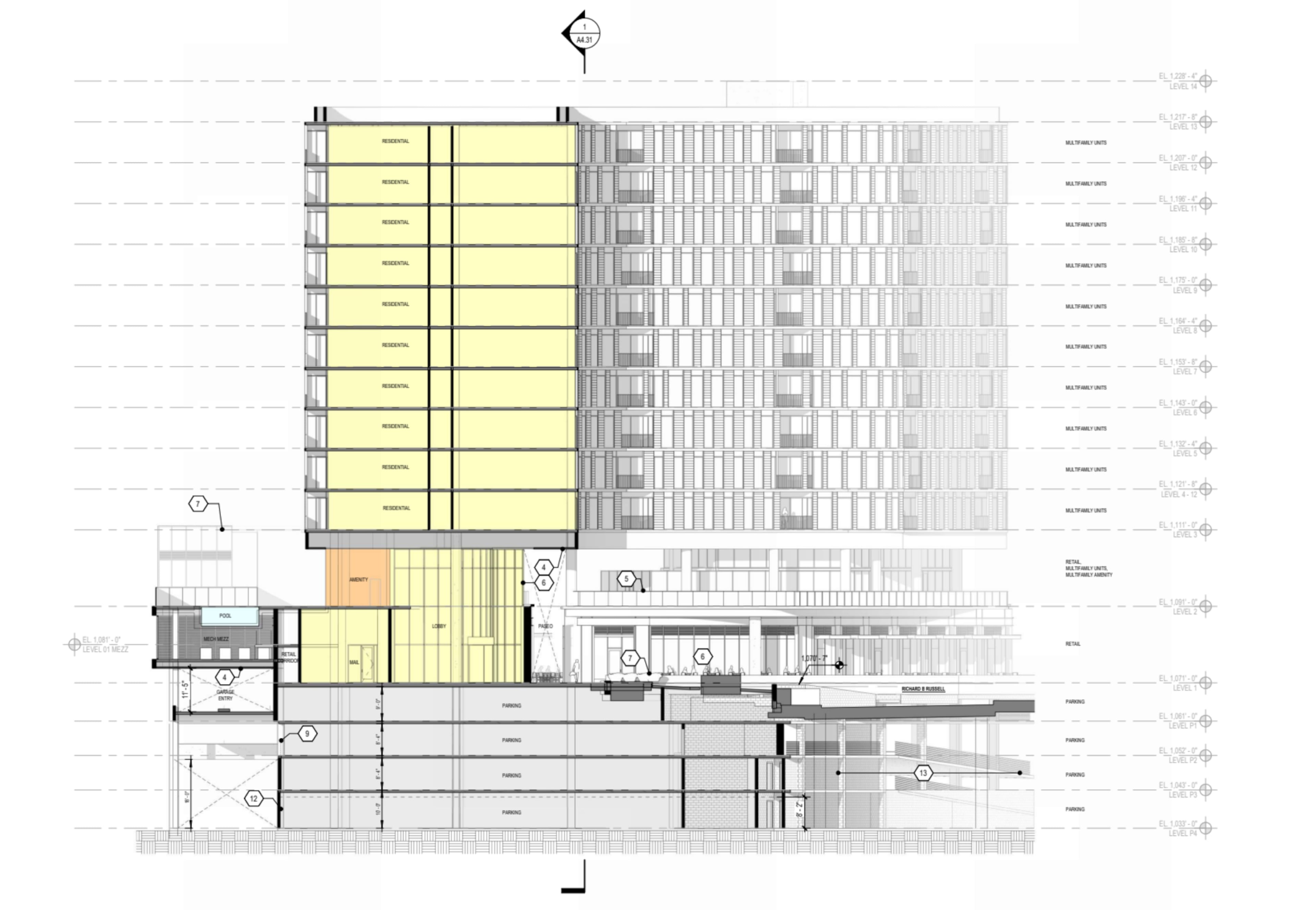
The 12-story building will feature about 62,000 square feet of retail space, likely enough for about 17 tenants. It’s slated to fill a site adjacent to the Richard B. Russell Federal Building.

The project’s vision was detailed in a development review committee filing, which was first unearthed by Atlanta activist Darin Givens on social media. Givens, co-founder of urbanist advocacy group ThreadATL, said the pedestrian experience downtown is likely to get much better with the new building and its streetscape improvements.
“It’ll be nicer to walk around in the heart of the city, and that’s a win for everyone,” Givens wrote on social media, urging the developer to reduce parking as much as possible.
Centennial Yards, which is helmed by Los Angeles-based developer CIM Group, expects to build a roughly 510-space parking deck to occupy four below grade stories of the building, bringing it in line with the surrounding viaducts.
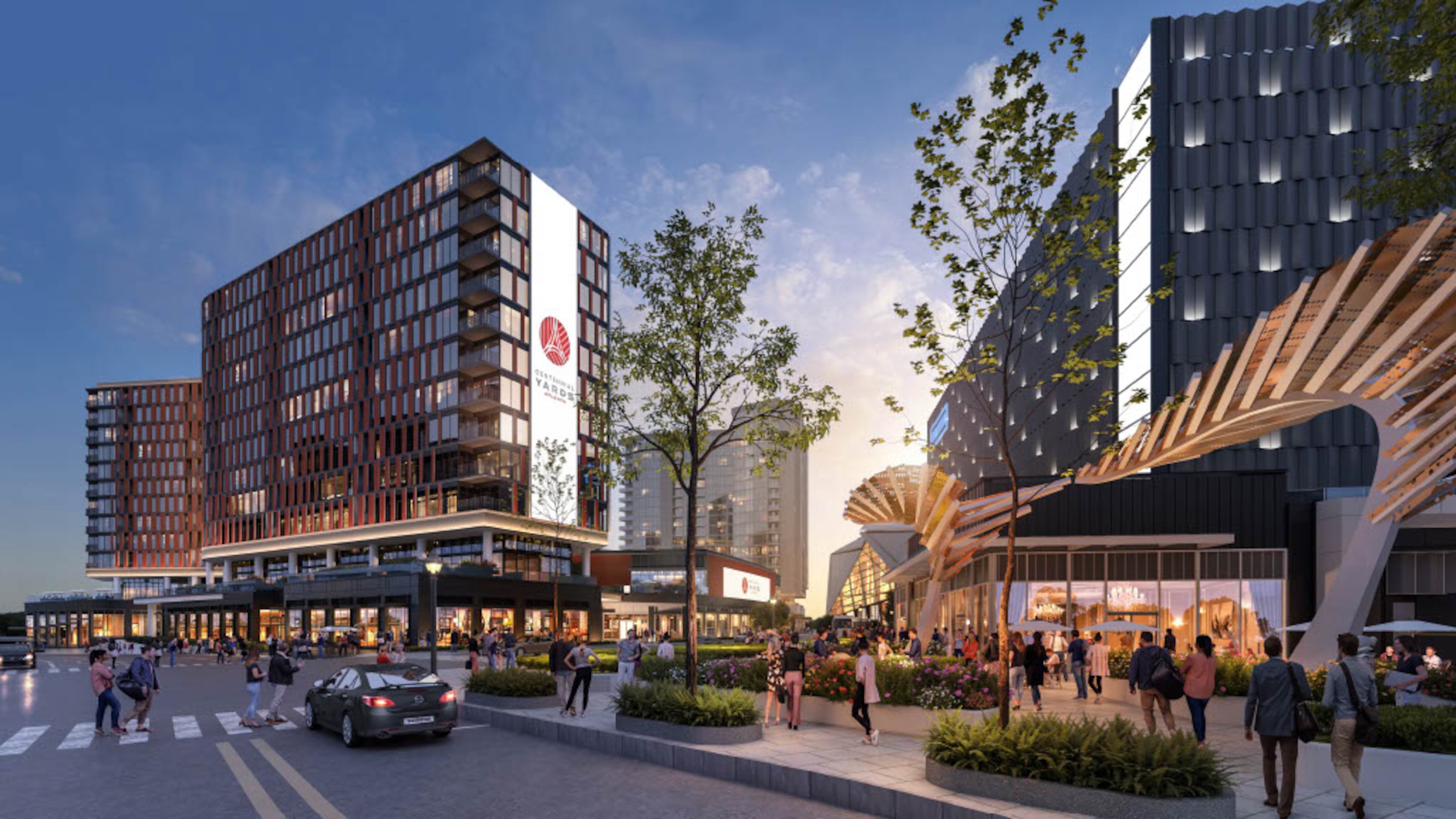
Renderings show the building wrapped in a copper-toned facade and adorned with undulating panels, creating movements intended to guide passerby along the building’s shops. McGowan described it as an extension of Centennial Yards “central retail spine,” adding that it will focus on tenants that serve everyday needs, such as nail salons and pet day cares.
It’ll serve a different function to the project’s core entertainment district, which features several restaurants, an immersive theater called Cosm, a future Live Nation music venue and a future hotel under the Virgin Hotels flag. It also fills a void between South Downtown, a collection of century-old buildings repurposed as shops and startup offices, and the Castleberry Hill neighborhood.
“You walk through the entertainment district, you cross the street and then you’re into another retail area that begins to have a different look and feel,” McGowan said. “The spaces are a little bit smaller and they’re more neighborhood-serving.”
Designed by Atlanta-based architecture firm Cooper Carry, the building is split roughly between one-bedroom apartments and larger units. Amenities are also slated to include a pool deck, fitness center, coworking spaces, a dog park and other gathering spots.
McGowan added that the building will feature a yet-to-be-determined number of units reserved at rents below market rate. As part of its $1.9 billion incentive package with the city, Centennial Yards is required to reserve 20% of all new residential units built in the project at subsidized rents or pay an in-lieu fee to the city.

Those fees are used to prepare foreclosed Westside properties for affordable housing redevelopment. As part of its incentive package, CIM separately provided $28 million to the city’s affordable housing trust fund.
The developer opted to pay the fee for its first new residential building called the Mitchell, paying nearly $8.5 million and garnering criticism, including from Givens. He said he was glad to see the next residential building should include some amount of affordable housing.
Office users are another way to generate daytime activity, but the COVID-19 pandemic’s impacts on the office market has left tepid demand for new workplace towers. About a quarter of all existing office space in metro Atlanta is vacant. An office building is designed for Centennial Yards, but McGowan said his team is waiting for demand to warrant construction.
McGowan said the next building, which could break ground as soon as later this year, will only add to the frenzy of construction at Centennial Yards as the district quickly takes shape.
“This just represents what will be a continued effort to build Centennial Yards out as quickly as possible,” he said. “This represents the momentum that we have, and we’re going to maintain that push forward until the project is complete.”