South Downtown dodged foreclosure. Now it’s central to Atlanta urban revival.
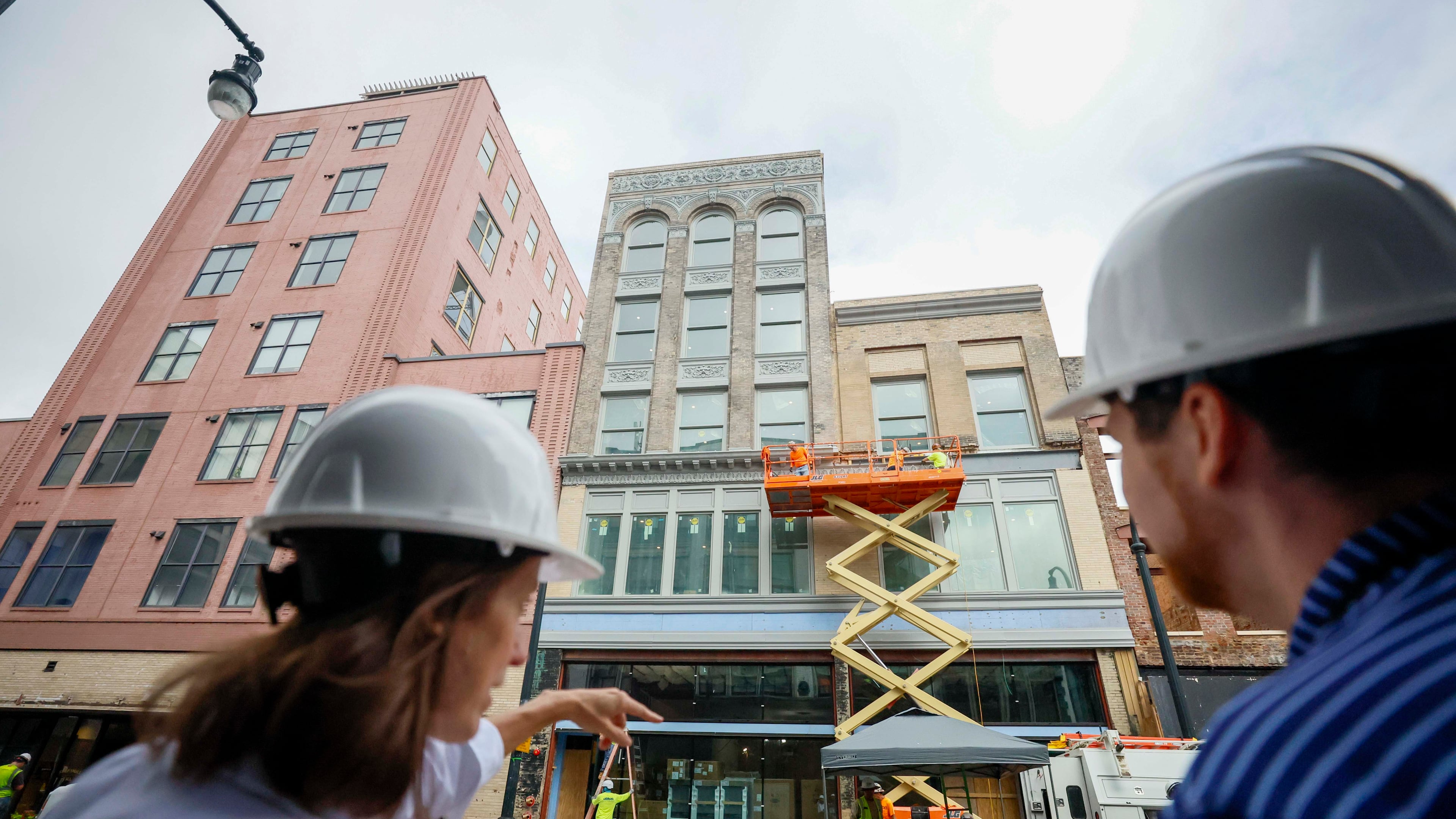
April Stammel looked as if she was attending a funeral while standing outside the Fulton County Courthouse on an unseasonably warm November morning in 2023.
She solemnly waited to learn the fate of a collection of century-old buildings centered around Broad Street in a neglected corner of downtown Atlanta that were slated to go through foreclosure. The financial strife seemed like a death knell for one of the city’s largest redevelopment projects, an effort Stammel spent years helping to engineer.
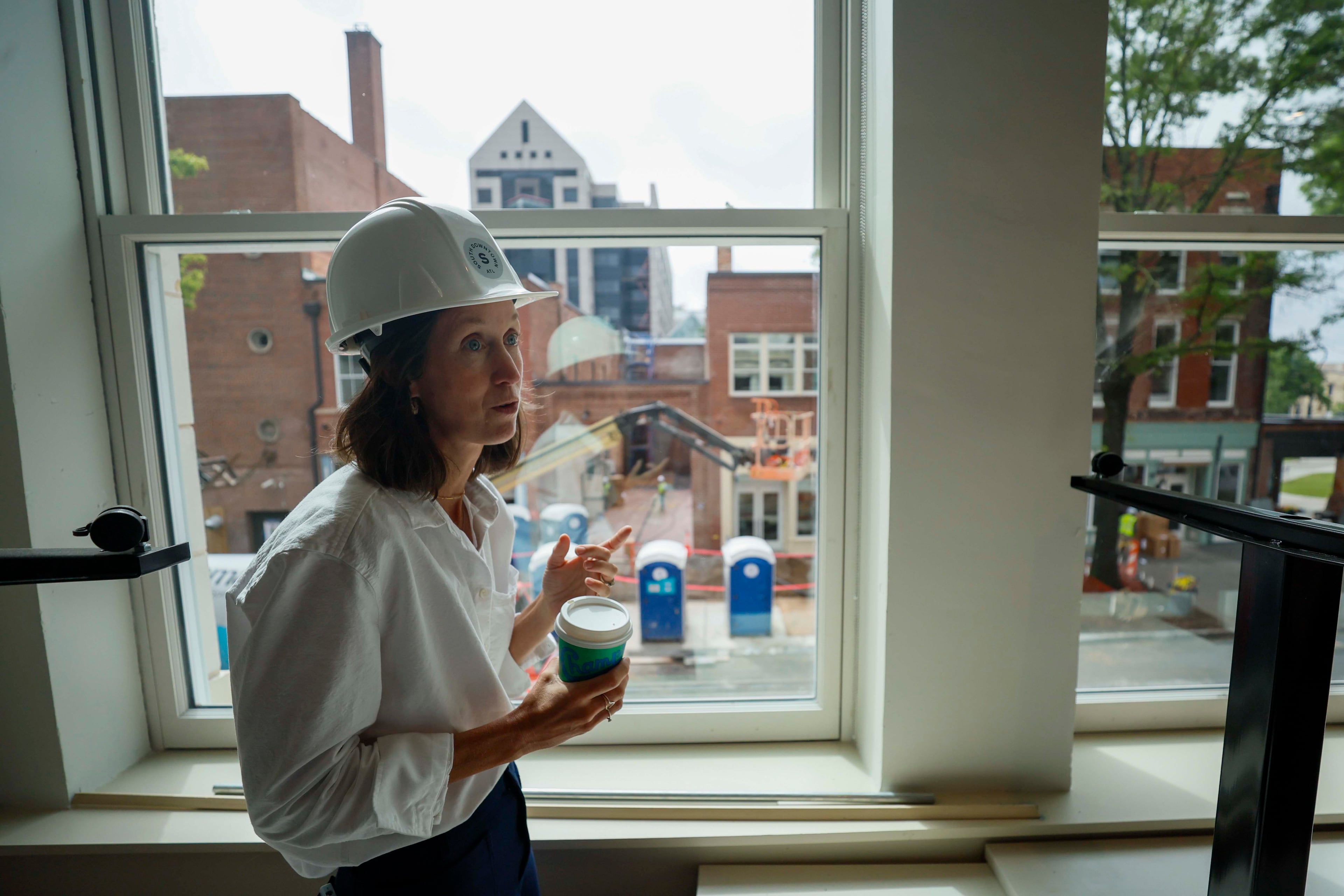
Fast-forward two-and-a-half years and Stammel is still walking around those ancient buildings. But now, she’s wearing a hard hat while giving tours of an area called South Downtown, which is entering its second lease on life.
“I tell people on the tours now that you guys are going to be the last people to say, ‘I was there before,’” Stammel told The Atlanta Journal-Constitution. “Because at some point, you’re going to be able to walk around Broad Street without hard hats.”
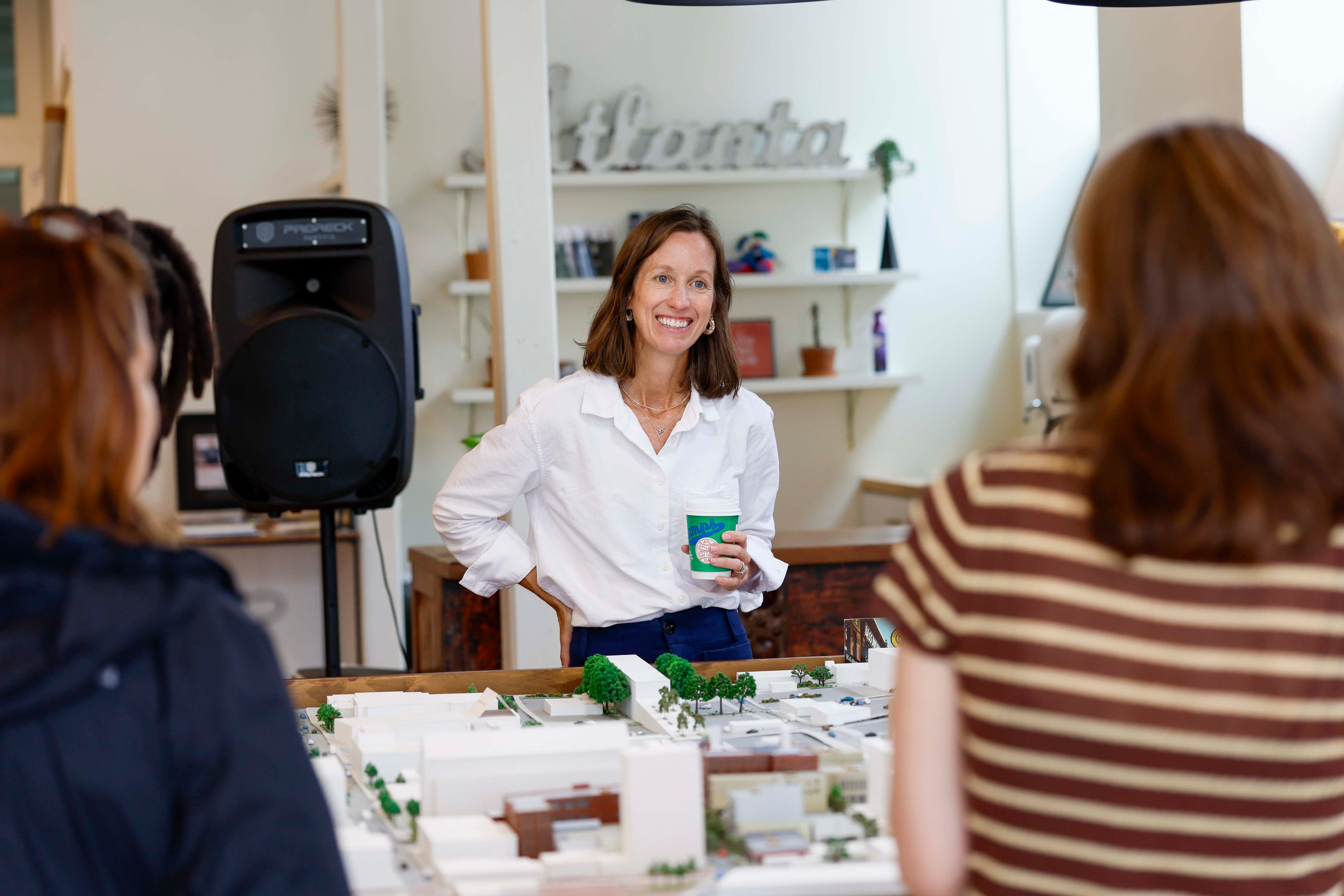
The turnaround is thanks to a group of Atlanta technology investors led by David Cummings and Jon Birdsong, who swooped in at the 11th hour to purchase the South Downtown portfolio before its foreclosure finalized.
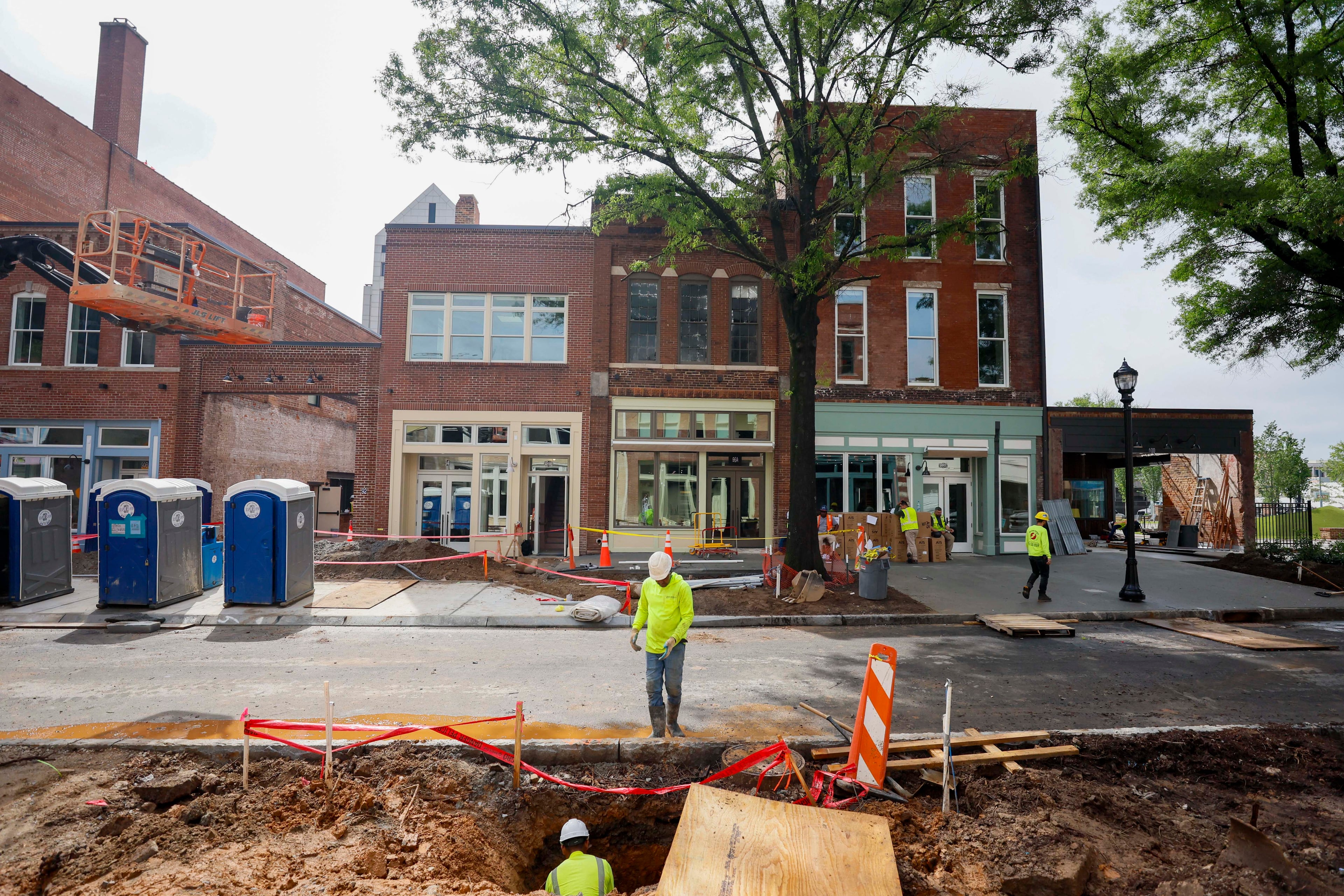
Spanning roughly 10 blocks, South Downtown has become a cacophony of construction that is rushing to meet the deadline of World Cup crowds anticipated to flood Atlanta for much of the summer. Birdsong said he and Cummings have invested $140 million into bringing the area back to life, ranging from attracting restaurateurs, renovating spaces for startups, improving sidewalks and creating new green spaces.
“When David and I began this endeavor, we put a lot of faith in Atlanta,” Birdsong said. “It’s just validating that when Atlantans see a big audacious goal, we dive head-first into problem-solving it.”

At the end of 2023, South Downtown had one restaurant tenant, a handful of longtime retailers and dozens of empty buildings that had been empty for decades.
During the six weeks in which Atlanta plays host to eight World Cup matches, South Downtown will have more than 15 brick-and-mortar tenants, areas for pop-up vendors, multiple buildings occupied by startup employees and 26 loft apartments nearly ready for tenants.
The South Downtown project is part of a generational wave of investment happening in Atlanta city’s core.
The $5 billion Centennial Yards project on the doorstep of Mercedes-Benz Stadium, where the World Cup matches will be played, is emerging as a glittering sort of Times Square of Atlanta. There are also new tenants coming to Underground Atlanta, the former CNN Center is being revamped and there are multiple city-backed housing projects in downtown — all while South Downtown revives the city’s historic brick and stone beginnings.
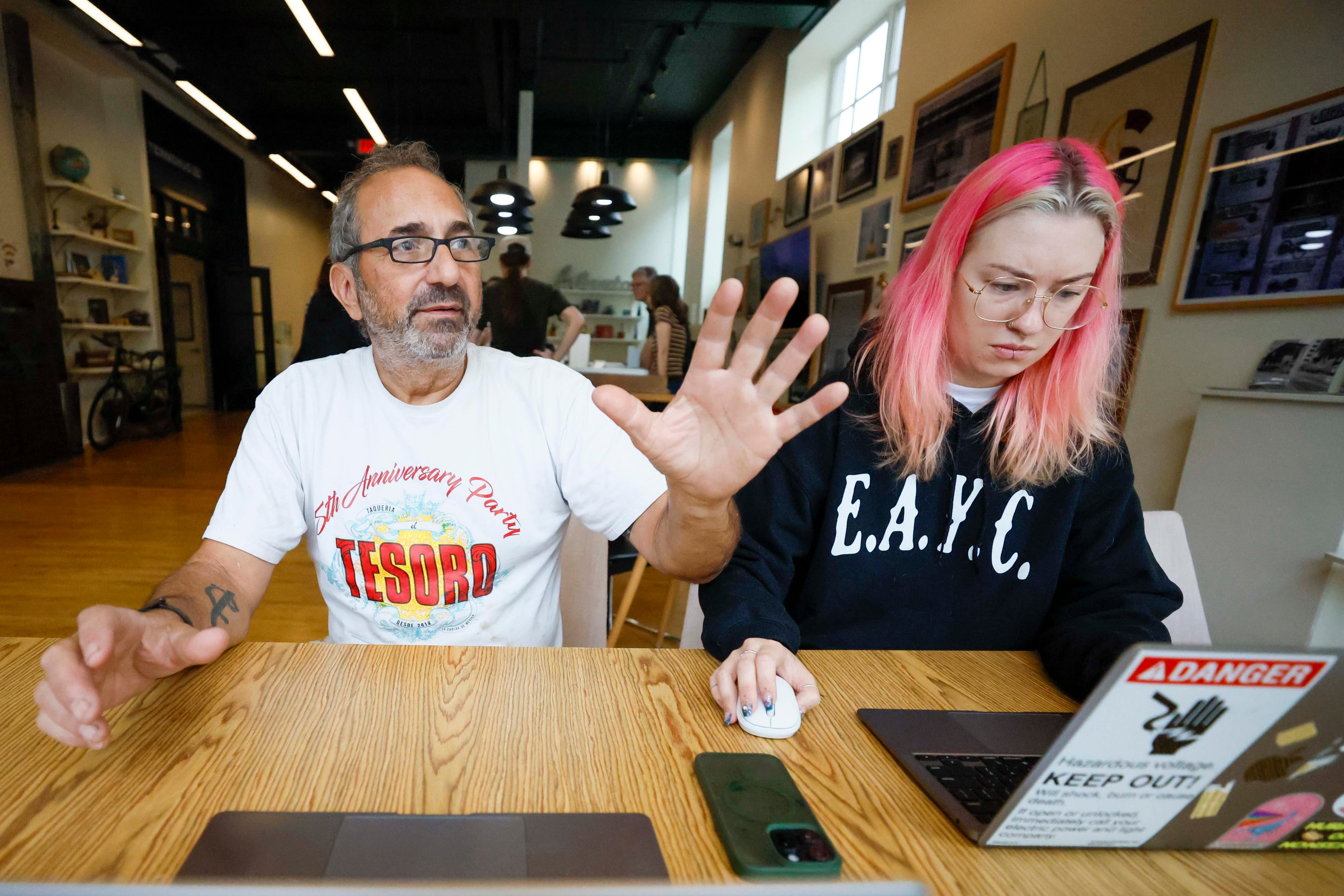
Alan Raines, managing partner of Mexican restaurant El Tesoro that selected South Downtown for its third location, said other cities would envy having this many historic buildings so close to its main tourism district.
“We’re the only multimillion-person city in the country that has this much room right in the middle of our city,” he said. “And it’s just sitting here in a chrysalis, untouched.”
Hallowed grounds
At the turn of the 20th Century, South Downtown was the epicenter of Atlanta commerce.
Known as the city’s original financial district, it was home to headquarters for both Rich’s department stores and C&S bank. Atlanta Union Station and Terminal Station ushered thousands of commuters into the district to buy and sell their wares or stay in one of the area’s many hotels.
That history is a feature, not a bug, for many of the tenants joining South Downtown.
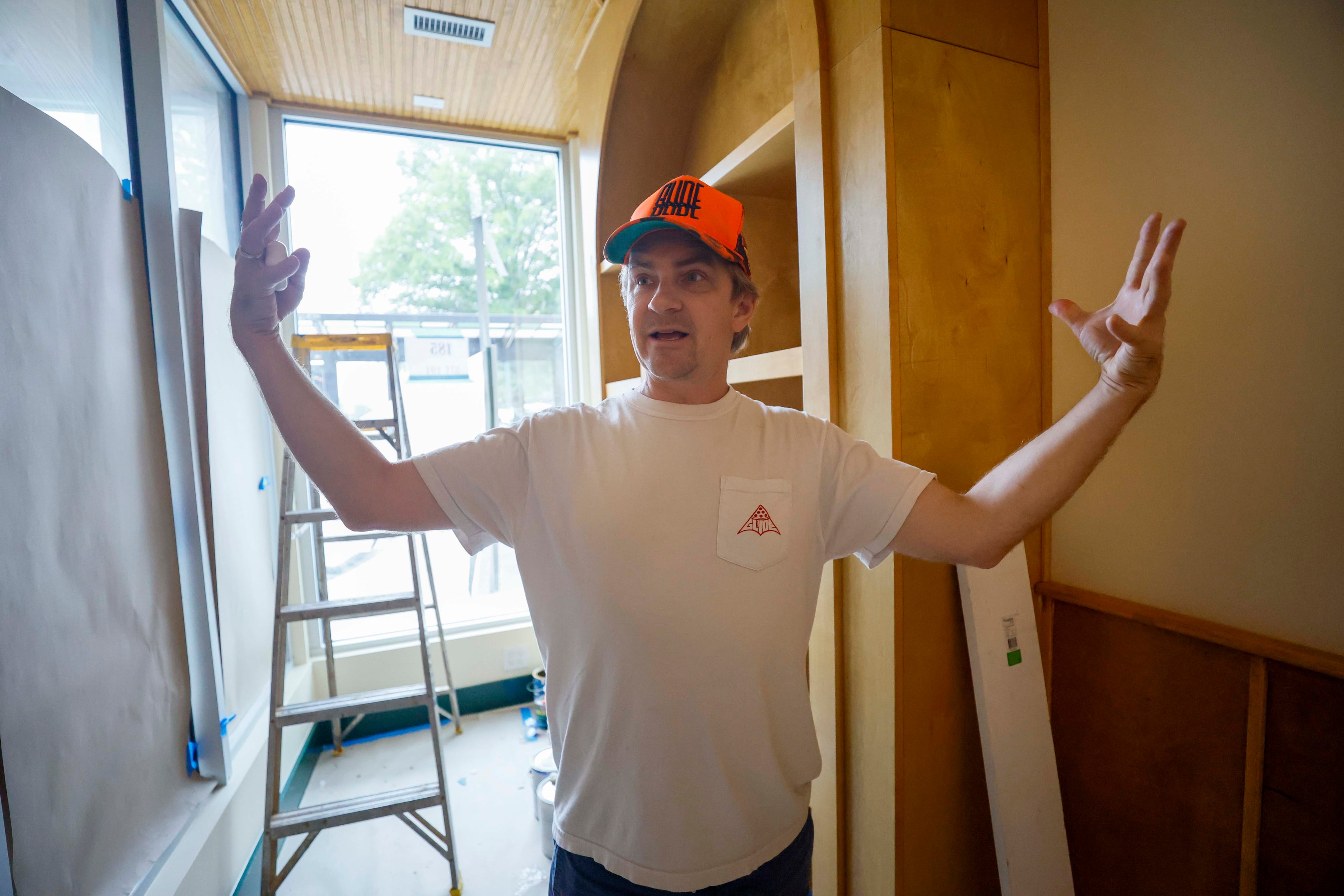
“People would step off the train at the Terminus hub and get their first taste of Atlanta back 100 years ago,” said Rob Birdsong, Jon’s brother and owner of Glide Pizza. “That was this intersection, so it’s really nice to be able to operate within these grounds.”
The two rail stations were razed decades ago and replaced with a federal courthouse and parking lots — a common sight across South Downtown.
Starting in 2016, German developer Newport RE began acquiring many of South Downtown’s vacant buildings and lots. It amassed more than 50 buildings and aimed to revamp them alongside new construction, but those efforts were derailed amid the COVID-19 pandemic.

By 2023, Newport’s investors stopped financing the project, leaving the portfolio to the fate of the foreclosure block. Jon Birdsong said a piecemeal sale of each building and property to different owners would’ve set the area back years, likely decades.
That’s when he and Cummings stepped in, a duo who founded Atlanta Ventures and are best known for creating office spaces for startups at Buckhead’s Atlanta Tech Village. They haven’t disclosed how much they paid to acquire the portfolio, but they’ve said it was at a steep discount, and they financed it with equity rather than debt.
Cummings said the area is too valuable to downtown to remain stagnant.
“As downtown goes, so goes Atlanta,” he told more than 850 Georgia leaders in March at the annual meeting by Central Atlanta Progress, the city center’s main civic organization.
‘Can we get this done?’
While debt payments might not hang over South Downtown’s revitalization, the World Cup presented an immediate and inflexible deadline.
South Downtown’s first phase, with a $140 million budget, focused solely on what could be accomplished before hundreds of thousands of soccer fans come to Atlanta for much of June and July.
“We went through every building, and we said, ‘Can we get this done before World Cup?’” Birdsong said.
“We quickly realized within the first month or two that nobody’s going to want to live in an area where there’s a bunch of empty buildings around,” he added.
Planned new construction was pushed to later phases, with the team focusing instead on refurbishment of historic structures and on filling a series of Broad Street buildings called Hotel Row. Stammel, who worked with Newport and remained with the project after the ownership change, handles retail leasing. As of late May, only two retail spaces didn’t have committed tenants.
Marcus Orfield, co-owner of leather manufacturer and shop KMM & Co., is another retailer to join the area, saying it’s a full-circle moment to join a once-bustling commerce hub.
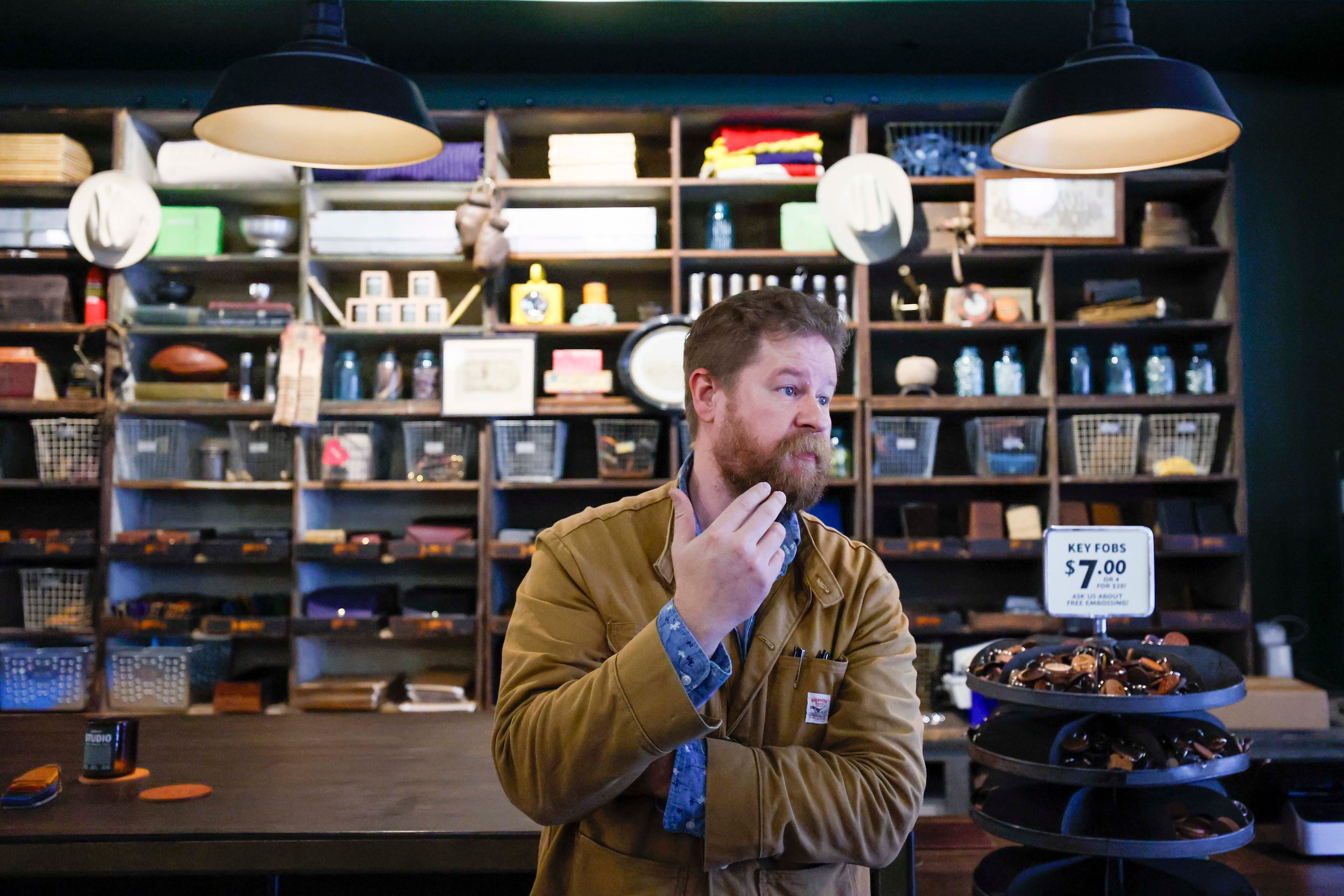
“We love that it was an old department store,” he said. “We’re going for a general store-type thing, so it was perfect for us.”
In addition, the 115-year-old Sylvan Hotel was converted into another Atlanta Tech Village location, which is now more than 80% leased. The upper floors of several brick buildings throughout the portfolio are also being converted into small office floors, allowing further room to grow.
Render ATL, a startup focused on software engineering and technology, is the first to lease one of the 11 spaces.
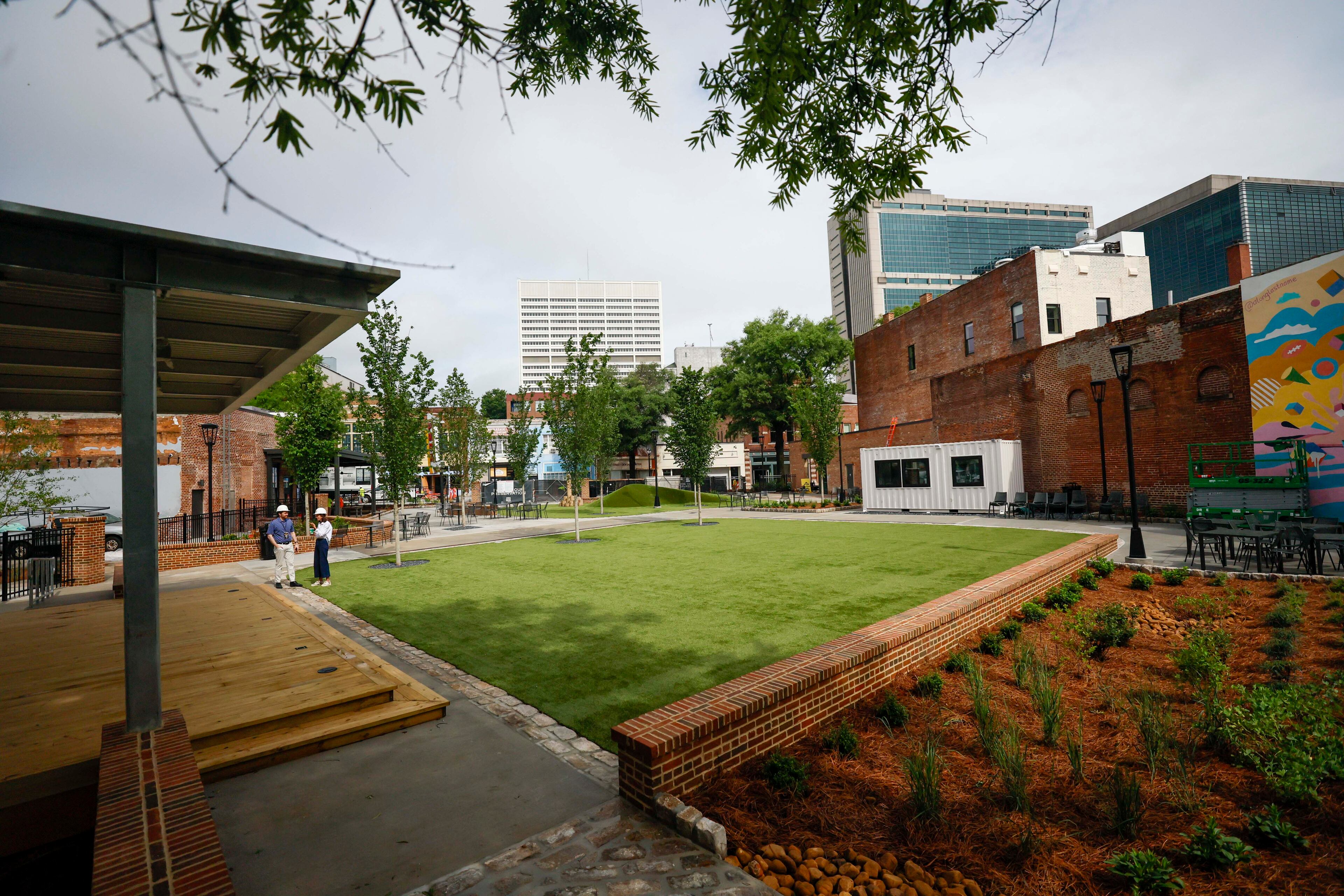
Stammel said there are quirks with working with aging buildings. Some are eclectic discoveries such as a vintage parking sign that now points to the newly opened Founder’s Green park. Others cause plan overhauls, such as when one building’s north-facing wall “decided it wanted to come down” during inspections, Stammel said.
“You think you know everything, and then you’re like, ‘Oh hold on, that building doesn’t want to have a roof‚'” she said. Plans for the building shifted to an outdoor courtyard space between other spaces, which are destined for restaurants.
After the last whistle
Once the mad dash of the World Cup is over, attention will turn to South Downtown’s second phase.
While still being sketched, Birdsong and Cummings have emphasized that it needs places for people to live — echoing the efforts of other downtown projects focused on increasing the area’s vibrancy at all hours.
The first taste of that is underway at 85 Peachtree, the first residential project in South Downtown. It’ll include 26 lofts ranging from studios to two-bedroom units and will be managed by Gallery Residential.
Stammel said it’ll test the waters to gauge demand, especially because it lacks many of the luxuries of other new apartments. It, however, leverages a unique urban lifestyle near multiple MARTA stations, bus-rapid transit stops and the city center that few other places in Atlanta can match.
“There’s no dog spa, there’s no beer on tap, there’s no fitness center,” she said. “But for the right people, we feel like this is a no-brainer. It’s a one-of-one experience in the city.”
Birdsong said the building’s leasing will be used to inform future residential projects, whether that’s more conversions or ground-up construction on the nearly 6 acres of undeveloped lots across the neighborhood.
“There’s just a lot of market feedback we’ve got to understand before doing any sort of real commitment to phase two,” he said.
The portfolio’s largest property — and most perplexing — is a 300,000-square-foot behemoth at 222 Mitchell St. The former C&S bank building was mid-renovation by Newport when its financing stalled, leading to court battles over $7 million in unpaid invoices to contractors that are still ongoing.
“It’s a long and arduous and expensive process we wish would end,” Birdsong said, adding that the building’s future can’t be determined until the legal case is over.
Until then, the street outside the building will host vendors during the World Cup, including a King of Pops frozen treat cart during the festivities.
In addition to flocks of electric scooters that fill Broad Street’s corners, South Downtown will also serve as one of Atlanta Stadium’s two rideshare spots. The neighborhood is also the first in Atlanta to get approval as an open container district.
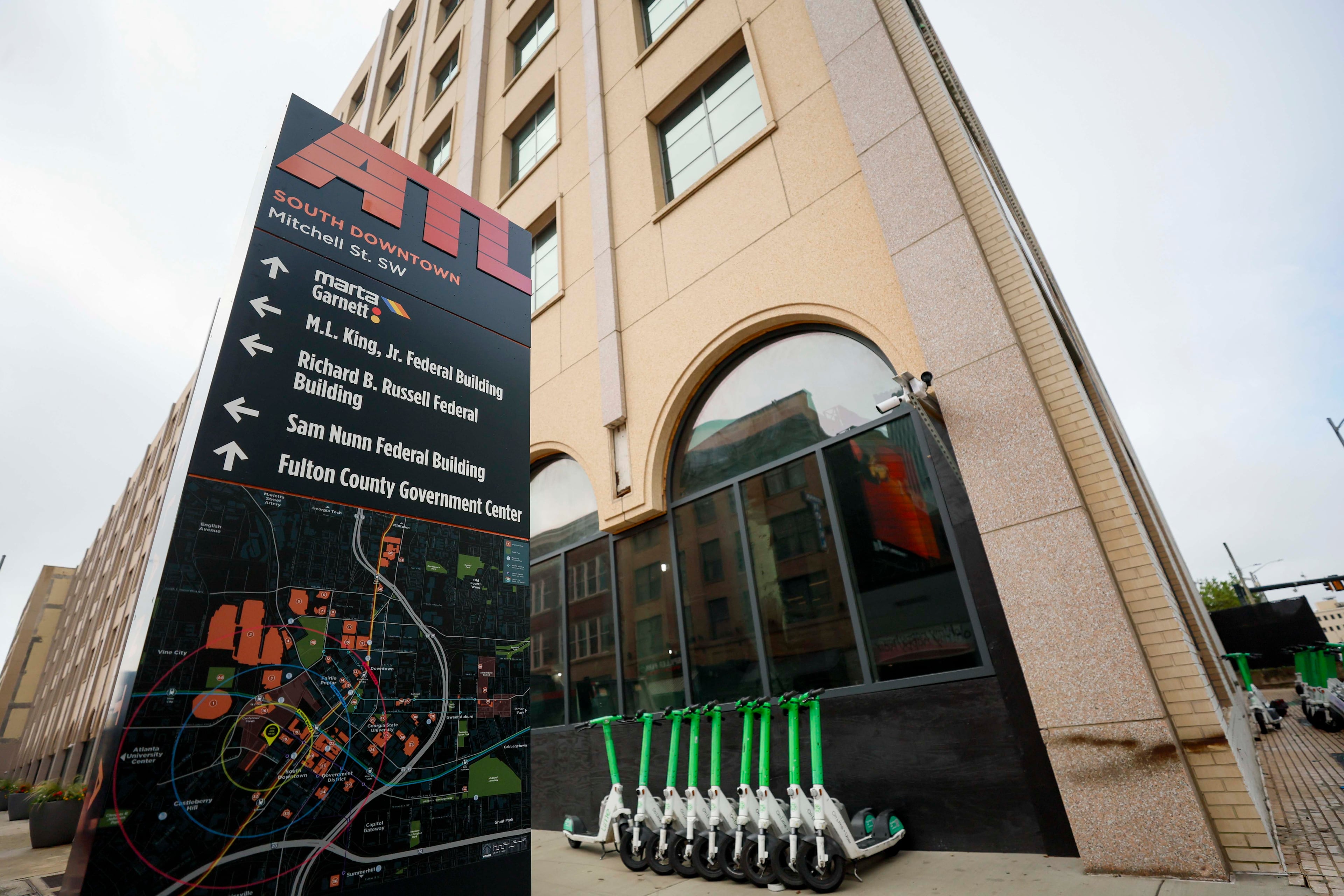
Stammel said the connectivity should continuously drive new people through the area, both during the World Cup and after.
“We hope it creates more sidewalk conversations and vibrancy where people can grab a drink from one place and go to another place,” she said.
“We wanted that investment to match,” Stammel said the streetscapes and public spaces. “We want Broad Street to feel totally distinct from anywhere else in the city.”