At historically pricey World Cup, Atlanta tickets are cheaper, but not a bargain
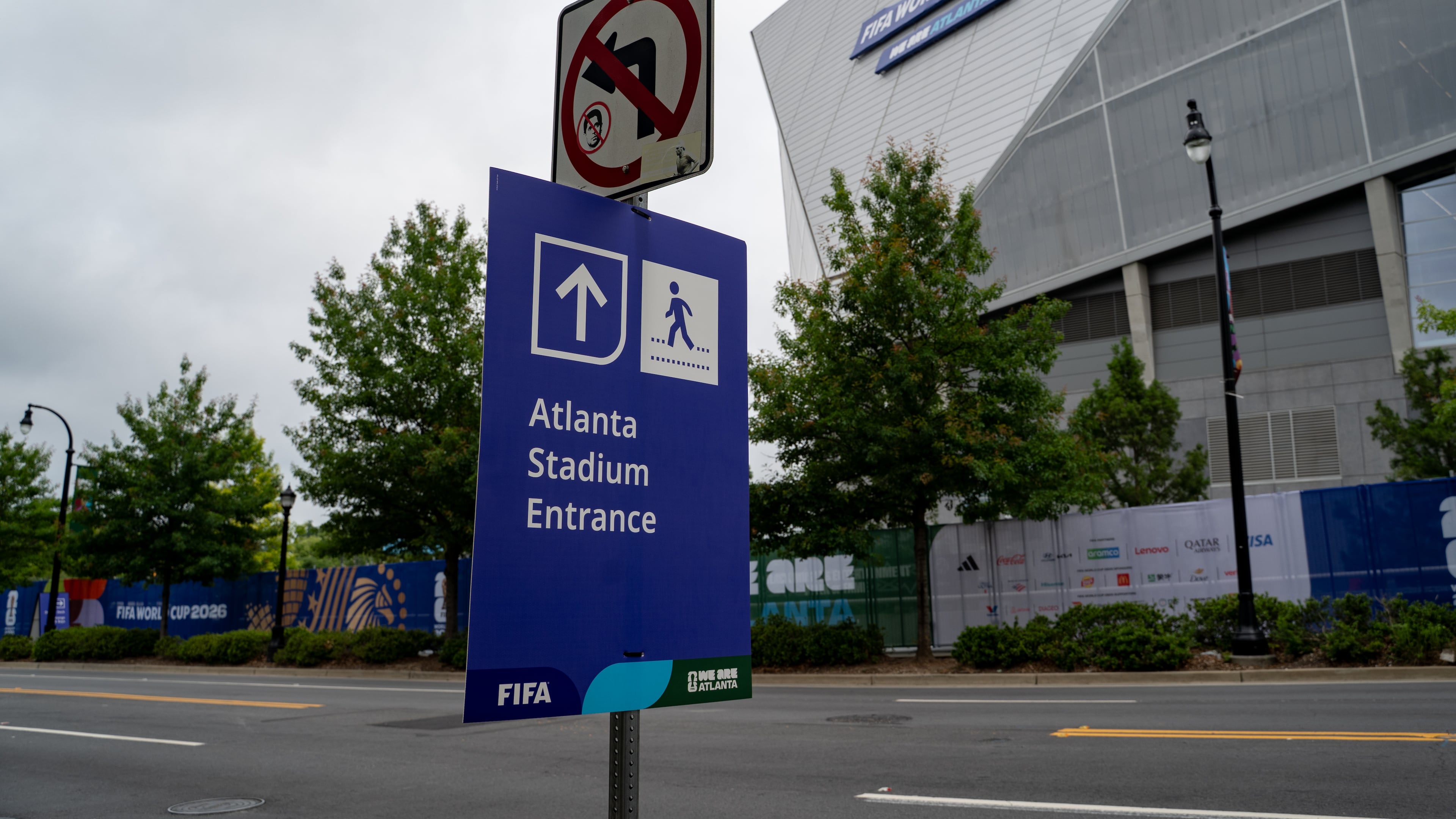
Lacking luck in the presale lotteries, Thomas Smith knew it wouldn’t be cheap to snag World Cup tickets in Atlanta for his son’s birthday.
The forces of supply and demand worked against him, concepts he knows well as an economics and finance professor at Emory University. But another force was even stronger — FOMO.
“What’s the next time we could actually go to a FIFA World Cup game on your actual birthday, kid?” Smith said, remembering the chat he had with his son. “Probably very low, and this might be something that we remember forever.”
Thousands of sports fans are facing the same dilemma, trying to decide whether the chance to see the world’s best soccer stars take the pitch in downtown Atlanta is worth the price. This comes as pocketbook issues are top of mind for many people amid spiking gas prices, increasing inflation and tanking consumer sentiment.
Smith decided not to pass up the opportunity, purchasing two resale tickets to see South Africa face Czechia. And based on recent changes in ticket prices, he isn’t alone.
The average price to get into a World Cup match in Atlanta — the cheapest resale tickets available — was $446 as of 9:30 a.m. Wednesday morning, according to price tracking website Ticketdata.com. That’s 37% more expensive than a month ago and nearly 14% more expensive than three days ago, according to the site, showing that prices continue to go up as the first match’s kickoff approaches next week.
Atlanta, however, has emerged as a discount market in comparison to other host cities in what’s been called the most expensive World Cup ever. The average get-in price in Mexico City, Miami and Guadalajara, Mexico, are all more than $1,250. And only Kansas City, Missouri, Vancouver, Canada, and San Francisco had cheaper prices than Atlanta on average.
Those are, mind you, just the prices to get in the door, not for the best seats in the house. Prices also do not include parking or transportation.
“You may say, ‘Oh, nobody in San Francisco cares about soccer and everybody in Miami cares about soccer,” said Keith Pagello, founder of Ticketdata. “But that isn’t really a fair picture.”
“It’s because San Francisco got a lot of dud games, if you will,” he continued. “A lot of it does come down to the matchups that got designated to any given city.”
This is the first World Cup in which FIFA has used what it calls “variable pricing.” Also known as dynamic pricing, it’s when prices fluctuate based on demand. It’s also the first time FIFA has allowed third-party resale websites, such as SeatGeek and StubHub, to operate with no price caps, leading to record-high prices.
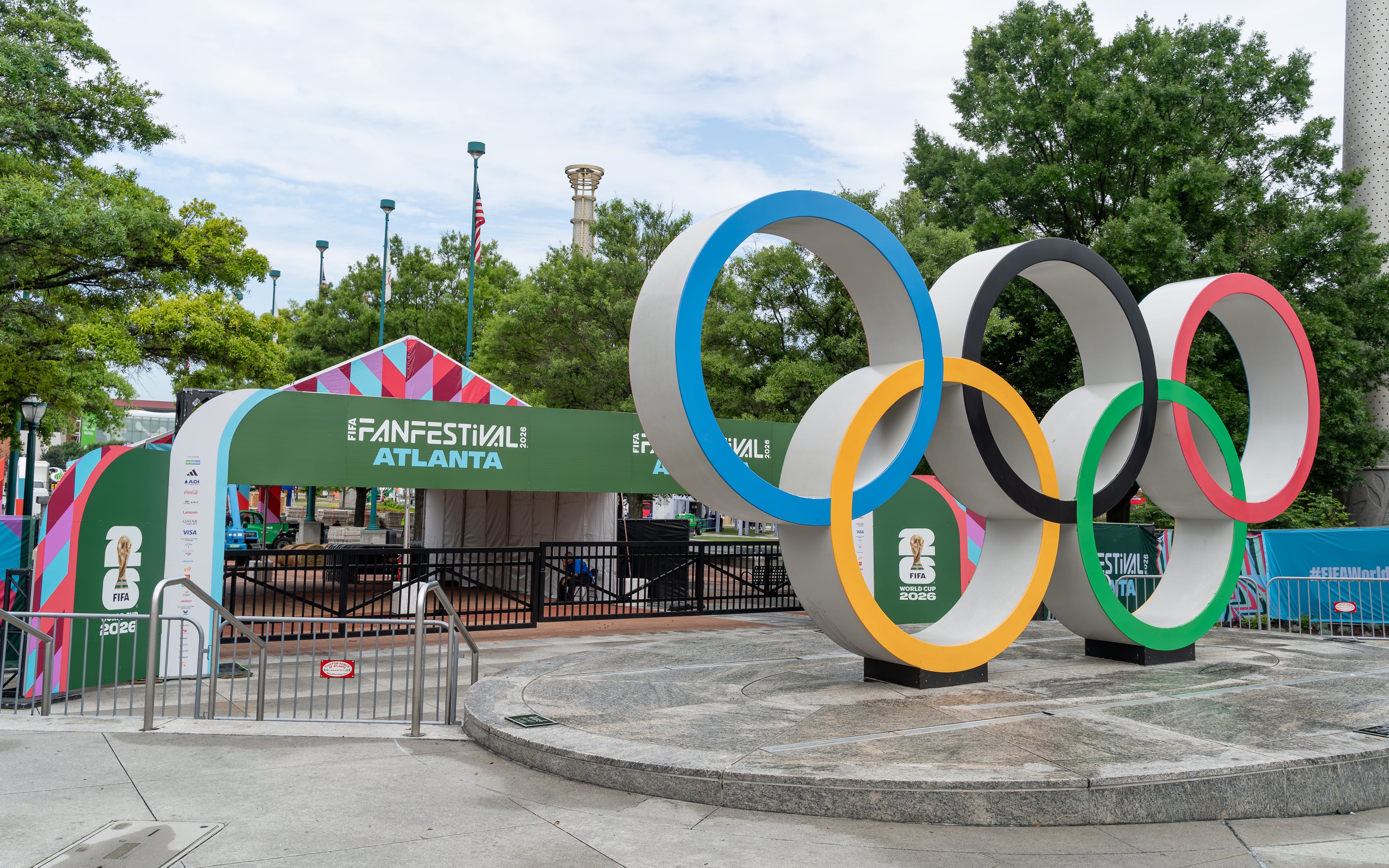
FIFA leaders have defended these decisions, saying it’s a reflection of the North American market and is a source of revenue that would be reinvested in the development of soccer globally. But Smith said it comes at a time when consumers already feel squeezed.
“People are being careful about how they’re spending money,” Smith said. “Let’s say nosebleed section seats are $250 or $300 a piece, plenty of people would say that’s excessive. That’s like my car payment for the whole month.”
Factors at play
Atlanta will play host to eight World Cup matches, including a coveted semifinal.
The tournament is expected to attract 300,000 unique visitors during the six-week frenzy, which Georgia and Atlanta leaders say will manifest as a tourism boon that will cement the city’s reputation on the international stage.
There’s evidence, such as hotel and short-term rental bookings lagging projections, that those economic expectations might be too high. Some fans who spoke to The Atlanta Journal-Constitution have said they are biding their time, hoping to score last-minute deals on tickets on match days.
Smith said ticket prices that are relatively cheaper in Atlanta could entice people to book last-minute travel plans to the city, especially when the world’s busiest airport lowers the barrier to entry.
“You can get to Atlanta from anywhere, which makes it a great destination,” he said. “If you’re just a random fan wondering where to go (without team loyalty), you’d look at all the direct flights to Atlanta and could decide to go.”
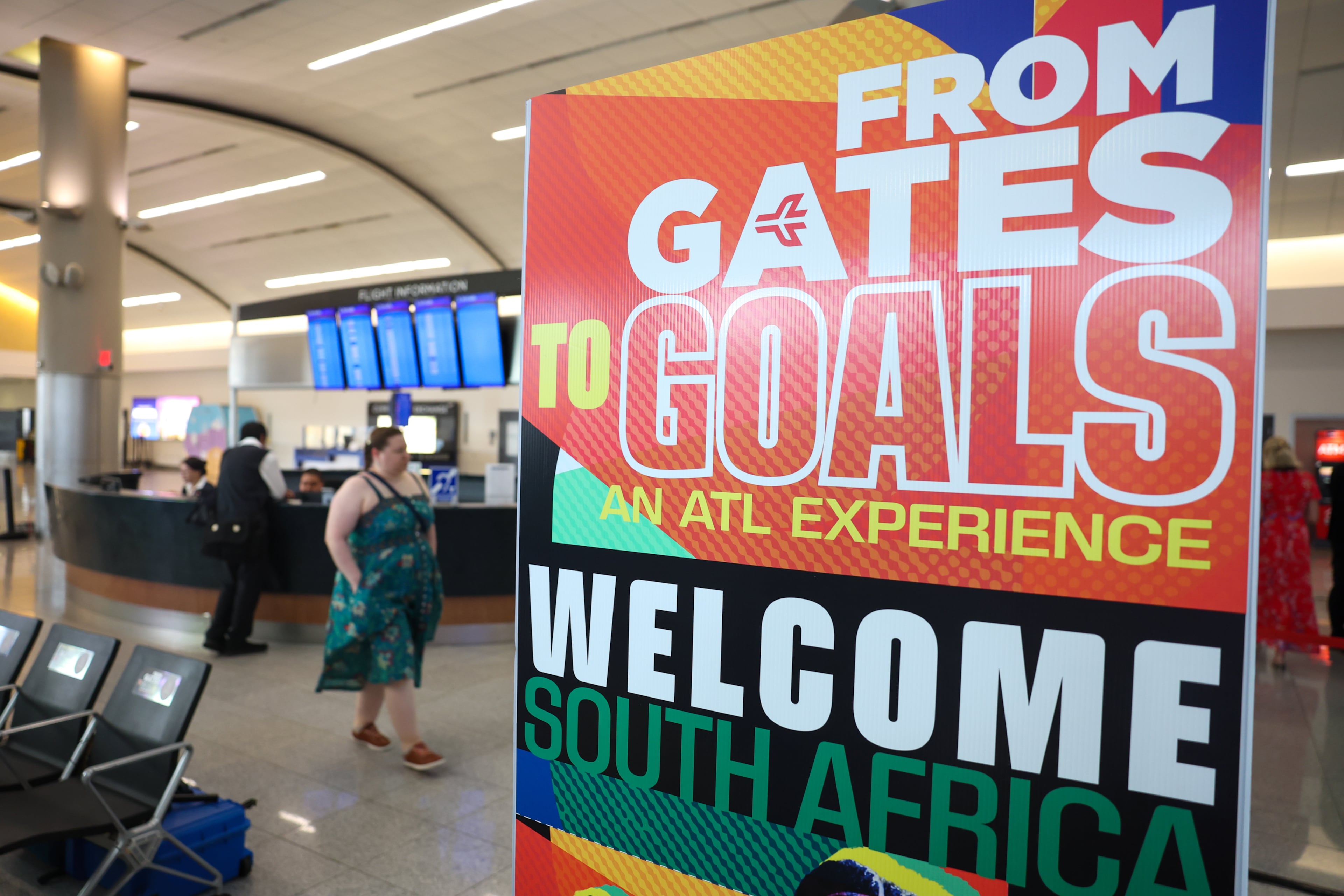
Atlanta will hold five group-stage matchups, featuring lineups that were locked in months ago. The teams that will take the pitch for the city’s final three matches at Mercedes-Benz Stadium, dubbed Atlanta Stadium for the World Cup, depends on who progresses deeper into the tournament.
Chris Leyden, senior director of marketing at SeatGeek, said Atlanta’s group-stage “is lighter on marquee names compared to other host cities,” which is why average prices are lower. But there is one exception — top-ranked Spain, which will play twice in Atlanta in June.
“As a tournament favorite, Spain is the clear demand driver here,” Leyden said. “Average resale prices for Atlanta’s two Spain matches have climbed every single month since November.”
That’s reflected in the number of tickets that remained available Wednesday morning. Ticketdata showed only 66 wholesale tickets available through FIFA for Spain v. Saudi Arabia and “limited/none” for Atlanta’s kickoff match between Spain and Cape Verde.
The July 15 semifinal, which will determine one of the tournament’s final two teams, also has effectively no tickets available directly through FIFA. The average get-in price for that match is nearly $2,400.
Attention on affordability
Concerns over affordability have swirled over the World Cup.
FIFA’s initial prices were the highest in World Cup history, and the organization slowly trickled out tickets across four phases. In Qatar in 2022 and every World Cup before, ticket prices were fixed and could only be resold through the official FIFA platform for the same price as face value.
Critics of this tournament’s ticket-release strategy, a relatively new practice in international sports, say it’s designed to stagger supply and keep prices elevated.
“They’re just trying to optimize for the most ticketing revenue, and that’s the goal,” Pagello said. “There really is no other goal. If fans are frustrated or pissed off, it doesn’t really seem to matter much.”
FIFA President Gianni Infantino has defended the strategy, telling media outlets in February, “We are in the most developed entertainment market in the world, so we have to apply market rates.”
Americans have been the ones mostly paying those higher prices. Roughly 70% of people who bought tickets through StubHub to see World Cup matches in Atlanta are from Georgia and five neighboring Southeast states, a company spokesperson said.
Smith said misjudging the demands from local buyers runs the risk of leaving empty seats or stark price drops in the days, or hours, leading up to matches. But there’s a lot of factors to consider, ranging from the results of early matches making later games more or less desirable to changes in fuel prices derailing travel plans.
Currently, demand continues to increase. About 30% of all tickets sold through StubHub to the Atlanta matches were sold in the last 30 days. And Pagello’s website shows price increases across the board for all host cities.
“For now, it seems like some of those calls about prices going to crap or there not being much interest are probably not quite true,” Pagello said.
“Once we’re two or three days into the tournament,” he continued, “we will really get a better read with some confidence of how things will pan out over the next month.”
World Cup ticket price comparison
Atlanta’s World Cup ticket prices are relatively affordable compared to other host cities, although prices have increased across the board.
Host City;Average get-in price;3-day price change;30-day price change
Mexico City;$1656;7.0%;42.3%
Miami;$1369;6.8%;19%
Guadalajara;$1252;3.5%;18%
New York;$1031;10.0%;24.2%
Dallas;$926;8.8%;25.2%
Houston;$662;8.8%;37.2%
Philadelphia;$661;13.4%;20.4%
Boston;$655;2.2%;3.2%
Toronto;$595;4.2%;3.2%
Los Angeles;$589;8.2%;21.6%
Monterrey;$576;28.7%;109.3%
Seattle;$510;8.3%;6.5%
Atlanta;$446;13.8%;37%
Kansas City;$430;3.0%;18.5%
Vancouver;$411;6.2%;15.8%
San Francisco;$312;10.6%;41%
*Prices reflect resale availability for the cheapest entry tickets as of 9:30 a.m. Wednesday, June 10.
Source: Ticketdata.com