School cell tower lawsuits conclude
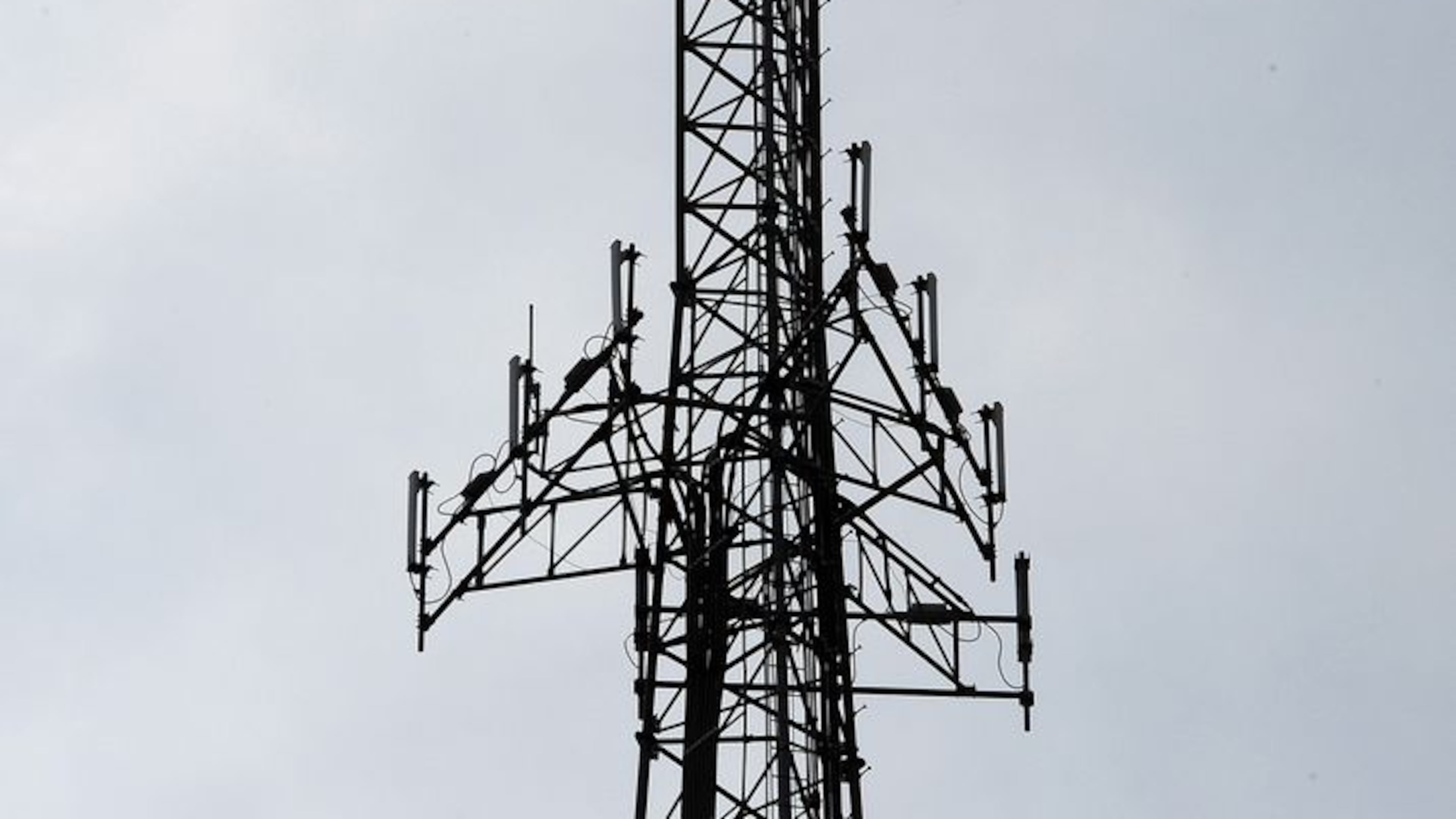
Two lawsuits over whether T-Mobile could build cellphone towers at DeKalb County schools have been resolved, with Interim DeKalb CEO Lee May saying the outcomes validate the county's authority over land use.
T-Mobile had sued DeKalb after May denied permit applications for the cellphone towers to be built at Lakeside High School and Margaret Harris Comprehensive School.
"This is a victory for the children in DeKalb schools and the residents who live near DeKalb schools," May said in a statement. "The court's decisions is consistent with the county's position that private actors on school property have to comply with the county's zoning codes."
U.S. District Judge Thomas Thrash granted DeKalb summary judgment in the Lakeside case in October, in part because T-Mobile has to comply with the county's zoning procedures. The school property is zoned for residential use, and it would have to rezoned to allow for the tower's construction, according to a letter from the county to T-Mobile cited in Thrash's order.
T-Mobile later canceled nine leases for cell towers on other school properties, which led to the voluntary dismissal of the second lawsuit involving Margaret Harris Comprehensive School, according to the county.
T-Mobile paid $5,379 to DeKalb for court costs related to the Lakeside litigation.
In an unrelated case, the U.S. Supreme Court ruled last week that the city of Roswell had failed to adequately explain its refusal to allow T-Mobile to build a cell tower on vacant residential property.