Zoo Atlanta blames visa issues for IllumiNights lantern festival cancellation


When Zoo Atlanta canceled its upcoming IllumiNights holiday lantern festival over the weekend, it blamed unspecified “challenges” facing the lantern creators.
The zoo said Hanart Culture, a U.S. company that produces, manages and books live Chinese cultural entertainment and lantern festivals across North America, “informed us that they were unable to bring their team of artisans to Atlanta to complete this essential work.”
IllumiNights was set to return this Saturday and would have run on select nights after regular zoo operating hours from 5:30 to 9:30 through mid-January.
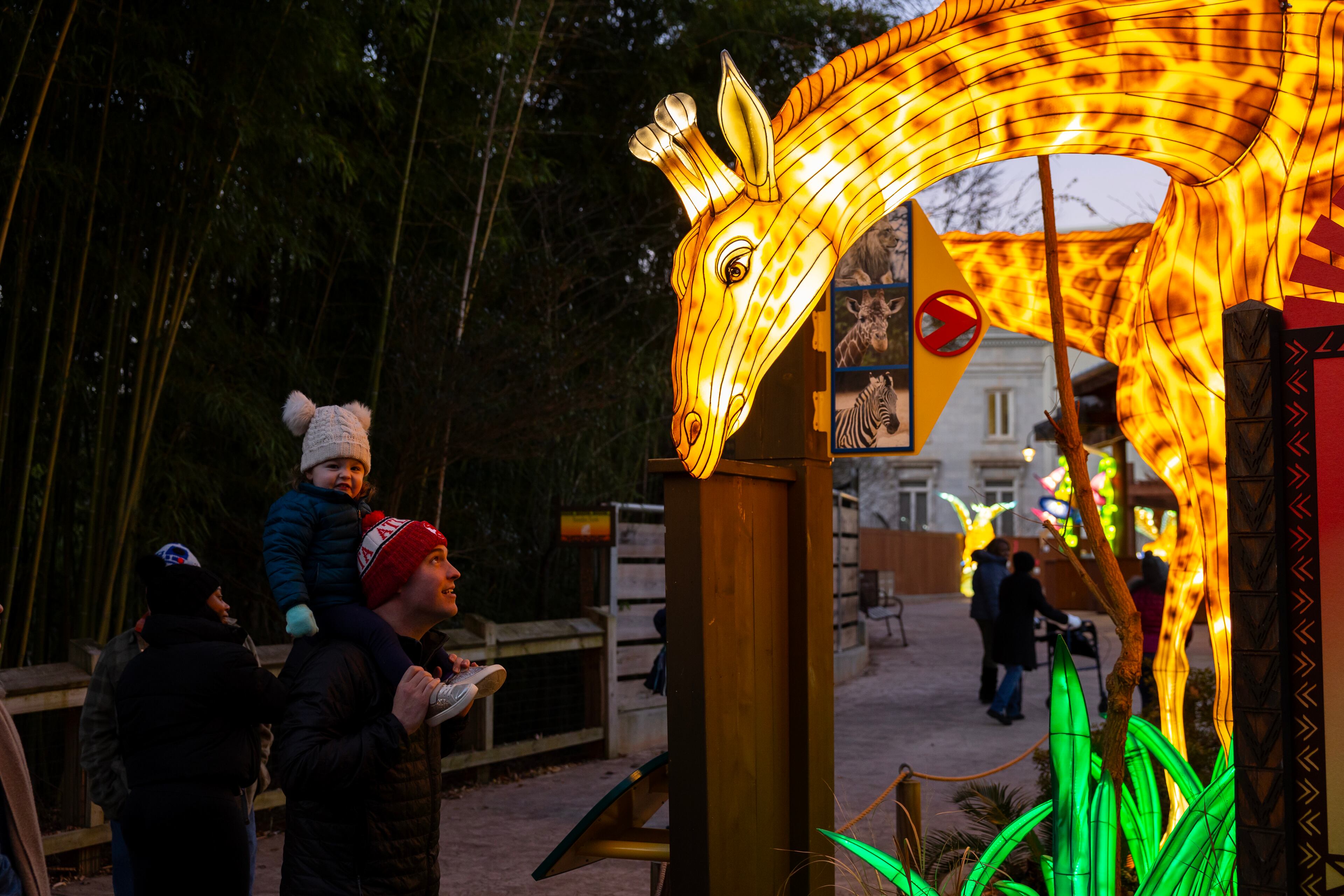
In years past, the festival has featured a mile-long trail of hundreds of colorful wildlife lanterns created by Hanart Culture’s artisans.
“Despite exhausting all efforts, we were unable to find a solution that would allow us to present the festival this season at the level of quality our guests have come to expect,” Zoo Atlanta said in a press release.
The intricate silk and bamboo lantern structures have been hand-built at the zoo by specialized artisan teams from regions such as Zigong, China, who typically travel to U.S. partner institutions each year.
Zoo Atlanta spokesperson Rachel Davis confirmed that “the artisans had problems getting visas.”
George Zhao, who runs Hanart Culture, did not respond to an email seeking comment.
At least three other American zoos have had to cancel similar lantern festivals because of visa issues.
In the spring, the Des Moines Blank Park Zoo dropped its lantern festival because artisan visa approvals for the zoo’s partner, Tianyu Arts & Culture, were delayed. In July, the Buffalo Zoo nixed a summer lantern festival for similar reasons. In September, the Nashville Zoo experienced the same problems and canceled its fall Zoolumination lantern festival.

A recent investigation by the Des Moines Register found that U.S. Citizenship and Immigration Services denied multiple visa applications submitted by Tianyu, identical to paperwork that had been successfully filed in the past. Tianyu had brought 10 to 15 workers from China each year under P-3 visas, issued to artists sharing culturally unique performances or traditions, but were unable to get that many visas and had to cancel some of its shows.
An Iowa Public Radio story noted that under the Trump administration, receiving these types of short-term visas for international artists has gotten more difficult.
Davis, the Zoo Atlanta spokesperson, declined to release IllumiNights’ past attendance numbers or how much extra income the program provides. It also did not say how many artisans are typically needed to create its lantern animals or whether Zoo Atlanta will try again next year.
Zoo Atlanta compensated Hanart Culture $349,234 last year for its work, the fifth-largest independent contractor expenditure, according to its 990 form, which all nonprofit groups are required to file annually with the federal government.
It’s a healthy nonprofit organization, generating $42.3 million in revenue last year against $35.6 million in expenses. Its net assets were $118.8 million as of the end of 2025, according to the 990.
The zoo has had an eventful month. It welcomed two young giant pandas from China after a two-year hiatus in a renovated space and mourned the sudden death of a young white rhino.