How a member of a beloved Atlanta rap duo found a new home in R&B music
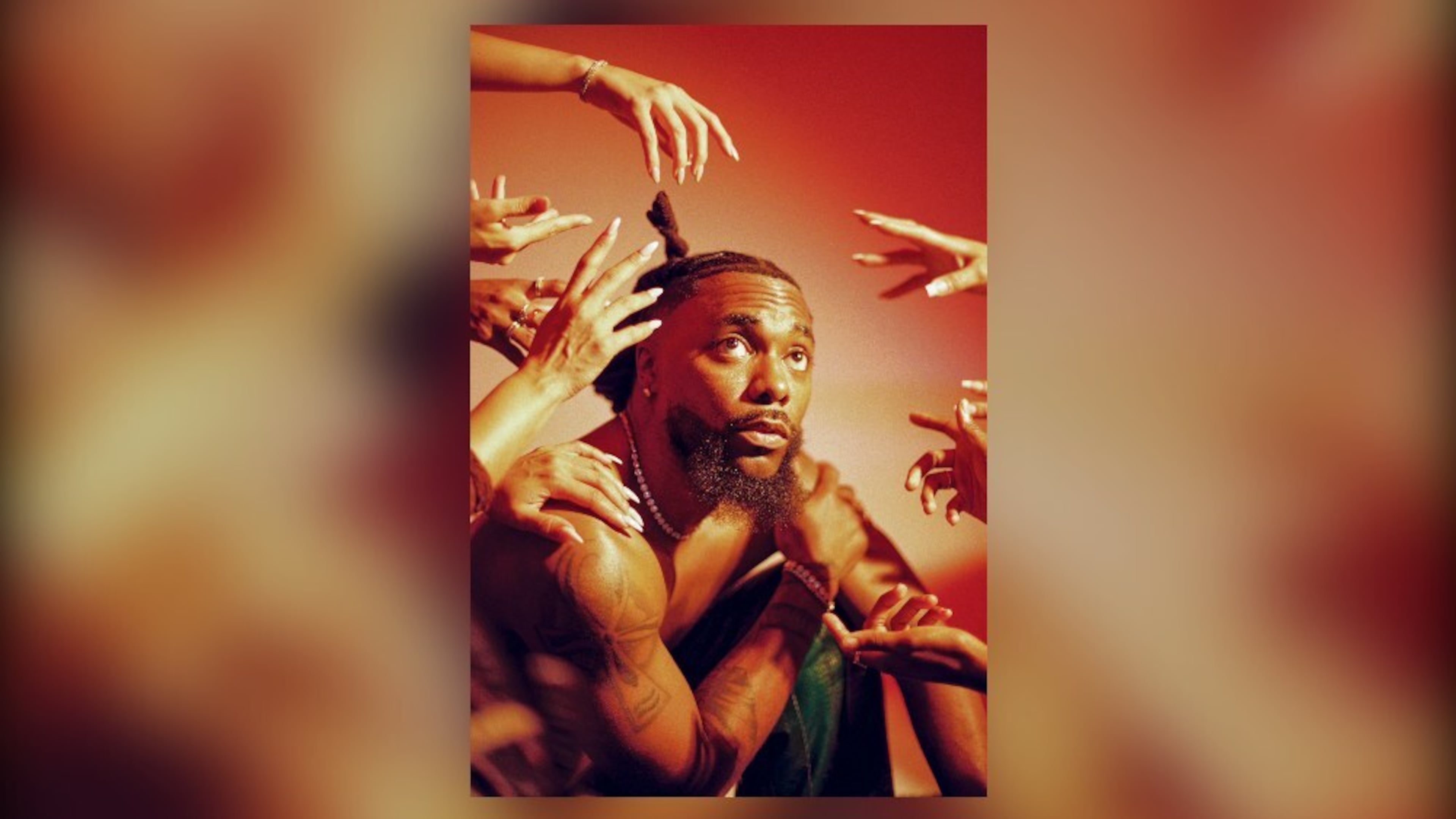

Johnny Venus never fathomed having a solo career.
The artist — whose real name is Olu Fann, best known as one-half of the Atlanta rap outfit Earthgang — felt that being a team player was more crucial than being the lone star.
But the more he prioritized collaboration — whether it was with Earthgang; Dreamville, the J. Cole label that helped launch his career; or Spillage Village, the Soulquarians-eque R&B and rap collective he co-founded — the less he prioritized himself.
“From 2014 to 2020, (Earthgang) was probably on the road seven months out of every year,” Venus told The Atlanta Journal-Constitution via Zoom days before the album release. “I poured all of this into Earthgang. So now I want to actually live ... I don’t want to miss out on life.”
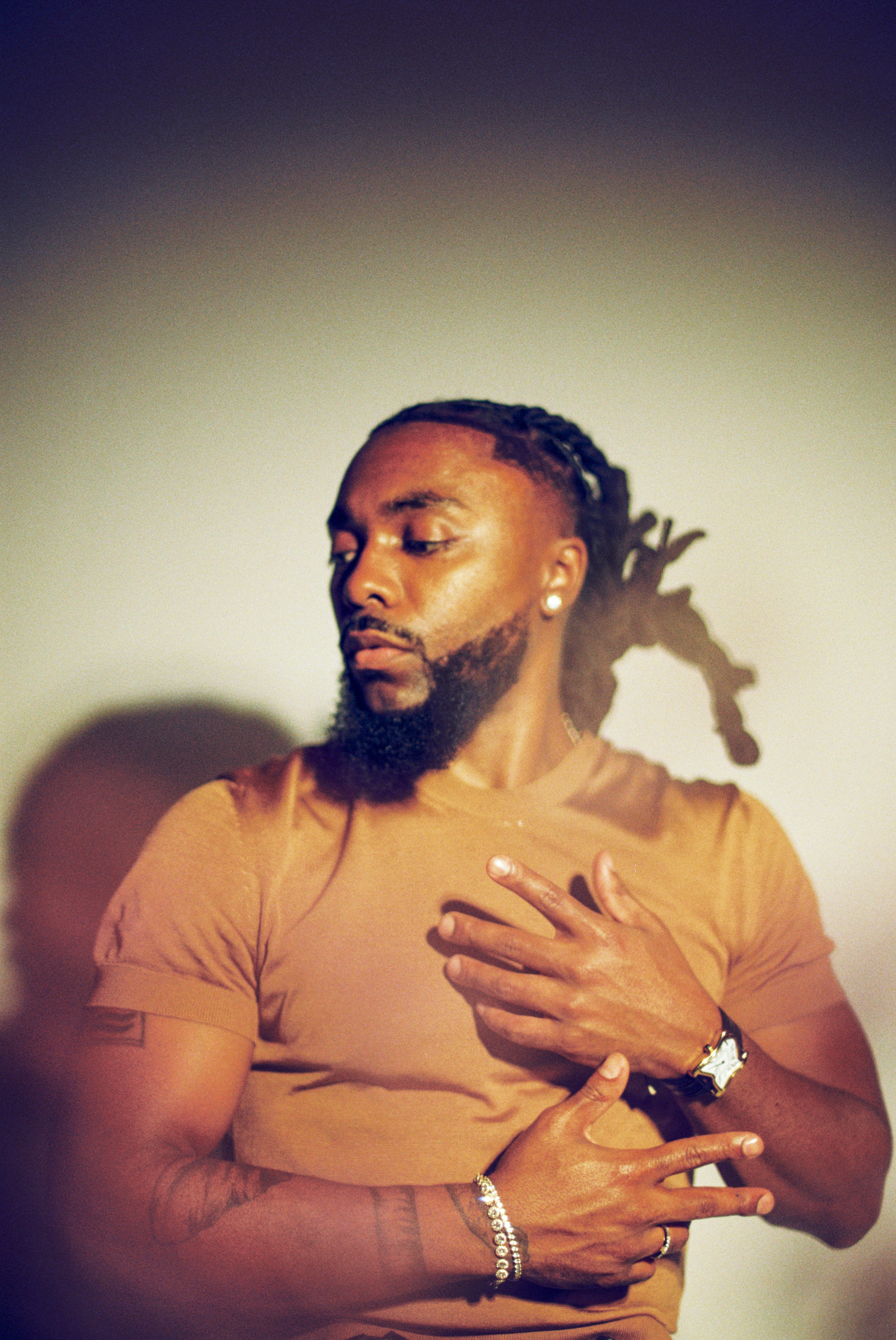
Universal life experiences like dating woes, spirituality, lust and battling avoidant tendencies are explored on Venus’ solo debut album “The 11th Hour.” Released last Friday and executive-produced by Atlanta hitmaker The-Dream, the project marks the singer’s giant leap into soul music—a sonic diversion he approaches with ease, as if rapping wasn’t his introduction to the world.
“I know when the music comes out, a lot of people are going to be like, ‘Okay, we get it now; we understand’,” Venus said about his new music. “I feel really good.”
11:11
Seeds for “The 11th Hour” were technically planted in 2022, an era Venus describes as “peak post-pandemic time.” “On & On & On” was the first track he wrote for what would eventually become his debut album. At the time, he wasn’t planning for a solo career.
But he wanted a musical outlet for a myriad of life changes he encountered — newly-found independence, dabbling in dating, his affinity for yoga.
They were themes that didn’t fit neatly into Earthgang’s plans at the time, though he notes that his solo foray isn’t an ending to the duo. Last month, the pair released a new song and performed at Atlanta’s Shaky Knees festival with Gorillaz.
“If I’m deepening my connection with myself, then I’m deepening my connection with God because I’m only here because of the power of God,” Venus said.
Venus’ debut album sounds like floating in a pool full of funk and soul music history. “Sarahtonin,” featuring Alissia and fellow Georgia native Ink, is reminiscent of the psychedelia of Sly & the Family Stone or Parliament Funkadelic. Lead single “I Want You Back” harkens back to the sultry falsetto of Bilal or Prince.
Closing track “Can You Pray for Me” is an eight-minute plea for salvation, ending with a piercing organ instrumental that sounds like it could be heard after a hearty Sunday sermon.
“The 11th Hour” isn’t full-on imitation, though. The fluidity of Venus’ vocal tone and intimate production makes the music feel as comfy as a warm bed after a busy day. Its delectably soulful tone is thanks in part to The-Dream, the Grammy-winning producer behind hits for Beyoncé and Rihanna.
Venus wanted an exceptional producer “like Michael Jackson had with Quincy Jones, Janet Jackson with Jimmy Jam & Terry Lewis or Toni Braxton with Babyface.”
Trusting such a person was harder.
Venus, who’s very protective of his music, didn’t want to immediately rely on anyone’s guidance, regardless of their accolades. When asked whether rape and sexual battery claims filed against The-Dream in 2024 also made Venus hesitant to collaborate with him, he said he wasn’t aware of the case.
The-Dream, who wasn’t made available for an interview for this story, has denied the allegations and asked a judge to dismiss the claims against him and his label Contra Paris. A judge has yet to decide on that request.

“What I can say is, I don’t condone any type of violence against women or anyone, ever,” Venus said.
After a couple of Las Vegas studio sessions with The-Dream, Venus felt more assured in choosing him to lead the album.
“He’s all about creating the vibe,” Venus said of the producer, who grew up in Atlanta. “(In the studio), he had 24 roses here, 24 roses right there. I kind of started to understand that the vibes is the most important thing. Like lean into the vibes, lean into what’s there. Don’t overthink things. One thing about him, he will always reference something in the past to justify what he’s doing now.”
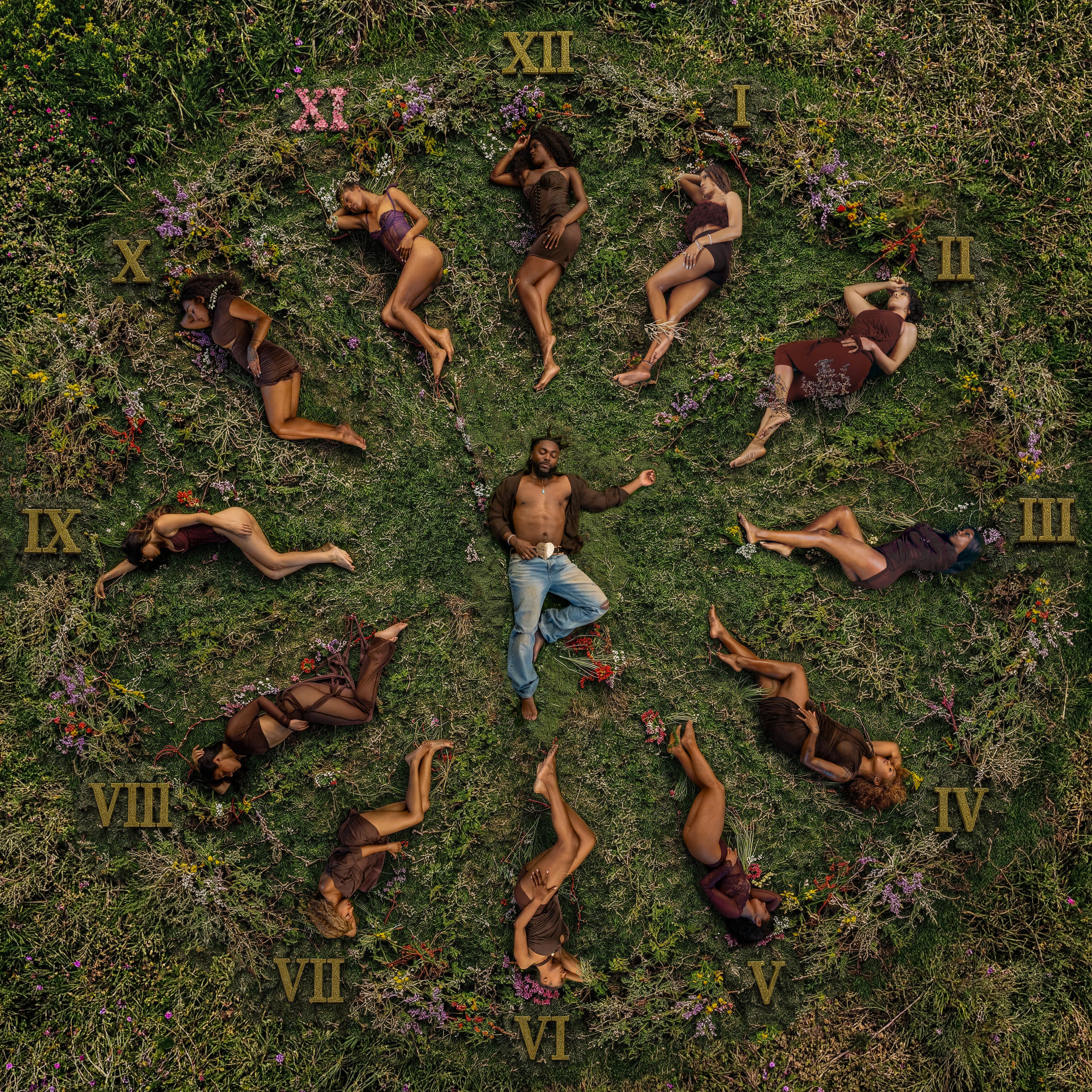
They decided to double down on the album’s centering on the number 11, a figure that symbolizes spiritual growth. The album intentionally contains 11 full tracks (plus an opening interlude).
“It’s the number of duality, so I’m balancing intuition and practicality, balancing my artistic nature and then the business side of things, balancing the self and then loving another,” said Venus, who noted that he’s more focused on his music resonating with fans than chart success.
Musical devotion
It was also intentional (or, as Venus described, “ceremonial and poetic”) for the album to drop on Venus’ 37th birthday.

Although he was always around music, chasing a career in it was never his childhood dream. Venus grew up attending Shrine of the Black Madonna Church in the West End, where his dad was a minister and his mom sang in the choir.
“I was actually an usher,” Venus admits, laughing. “I was never one of them kids singing at the family reunion and go in front of the TV to sing Michael Jackson. I guess I just had a talent that was just waiting to unfold.”
But his church upbringing, primarily his church’s Pan-African values, set the tone for what would come later — rapping and singing with a church friend; meeting groupmate Doctur Dot while attending Benjamin E. Mays High School; and forming Earthgang, the rap act with immense creative abandon, rooted in uplifting Black southern experiences, that has led many to label them as Outkast’s successors.

“That’s what I came up under — Black people being as creative and as free as possible with all types of sounds and music that we want to make,” Venus said.
Next month, he plans to expand his creativity with House of Venus, an art installation in Atlanta featuring “scents, textures and rooms” being modeled after songs from the album. Full details will be announced later.
“This is just the beginning of my real devotion for music,” he said.