‘Are They Dead Yet?’ considers the art of the newspaper obituary
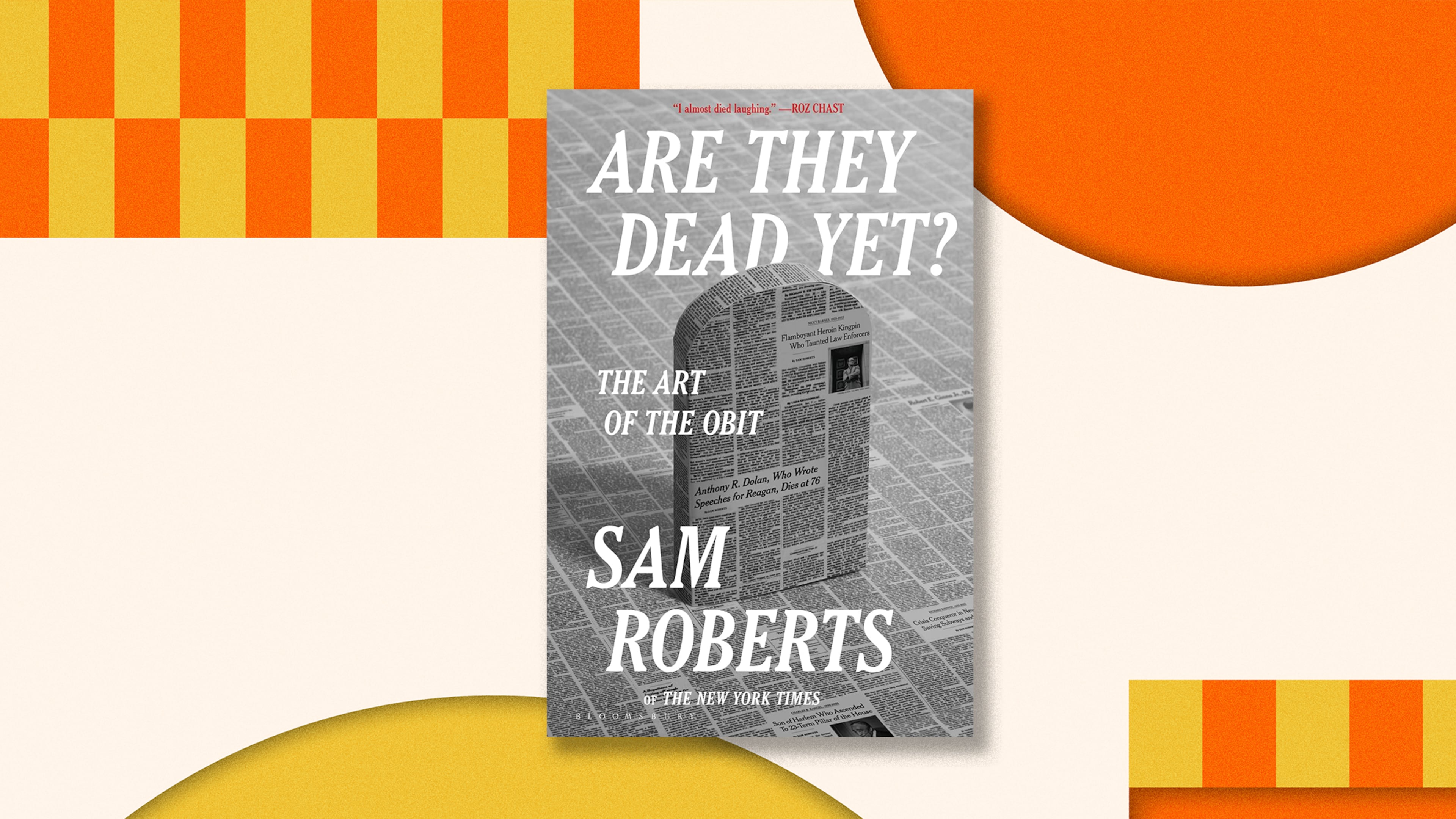

Of all the peculiar assignments a newspaper reporter can undertake, writing advance obituaries for local notables who are still very much alive is one of the strangest.
Daily newspapers keep scores of advance obituaries on file so reporters aren’t scrambling on deadline when an important person in the community dies. I’ve had the honor of writing a few — for authors Terry Kay and Anne Rivers Siddons, and blues musician Beverly “Guitar” Watkins.
But the daily obituary writer, that’s a different job entirely. It takes a special kind of writer to sort through funeral notices and phone calls from the bereaved every day to identify one or two recently deceased people with interesting histories, then bang out a story that captures a person’s essence on deadline. For many years, The Atlanta Journal-Constitution was lucky to have one of the best in the business, Kay Powell, until she retired in 2009.
Writing obits is traditionally one of the first jobs given to novice reporters or the last one assigned to veteran journalists approaching retirement. For Sam Roberts, it is most likely the latter.
The 79-year-old journalist has worked for The New York Times since 1983 and has spent the last decade writing obituaries. His new book, “Are They Dead Yet? The Art of the Obit” (Bloomsbury, $29), which publishes Aug. 11, is a multifaceted look at the history and evolution of the obituary, and, as a byproduct, the daily newspaper industry.
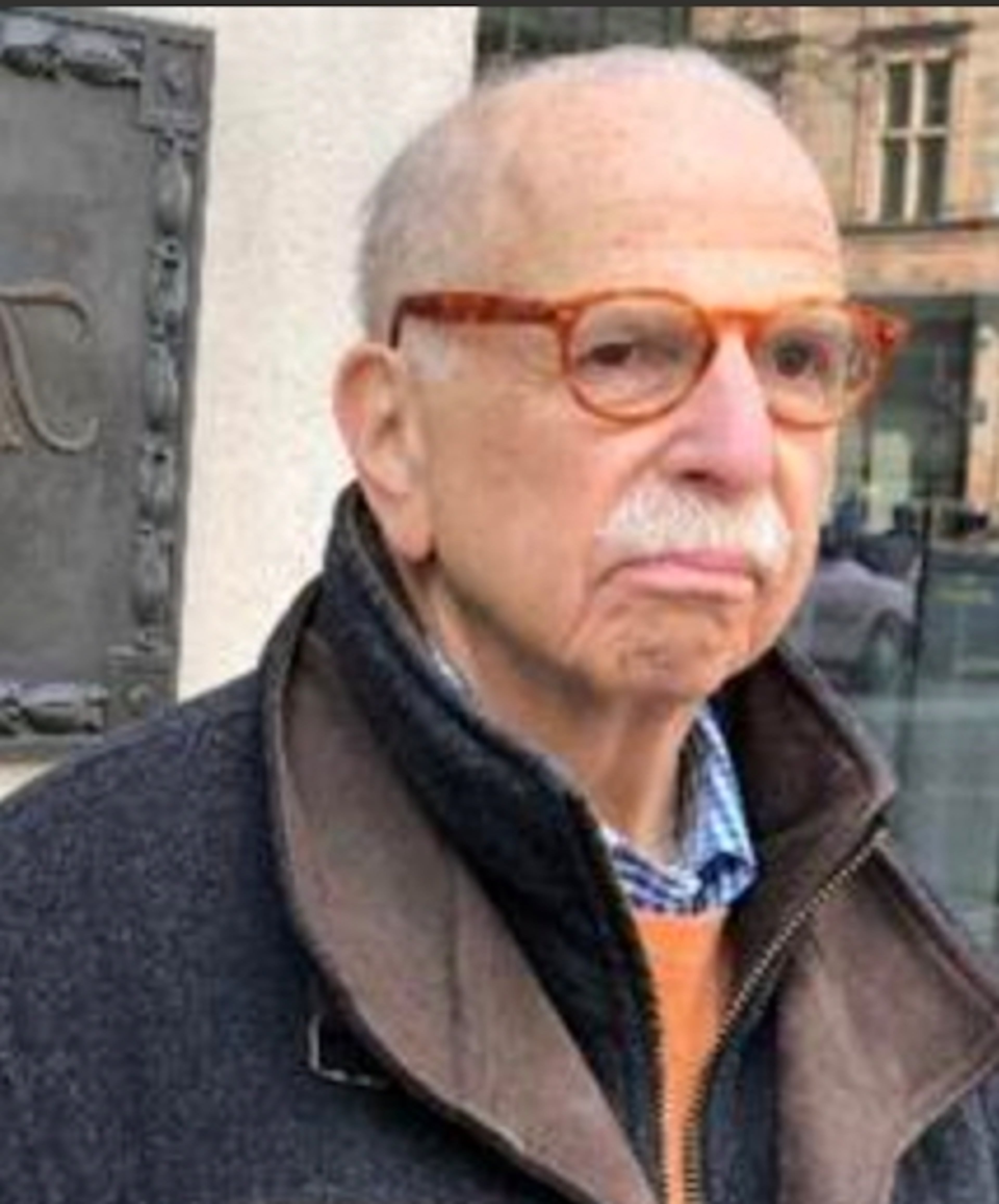
Despite an early introduction to the business of death when he witnessed the funeral procession of Julius and Ethel Rosenberg at age 6, Roberts considered himself an unlikely candidate for obit writer when he was given the assignment.
“I come from a family where there was a great deal of denial about death,” said Roberts in a telephone call last week. “Maybe the best example is when my father died. About six months later my aunt, his sister, was asked by a neighbor, ‘Hey, how is Arthur doing?’ — my father — and she said, ‘So-so.’ This is where the family stood on death.”
But Roberts soon realized that obituaries are not really about death at all.
“Death is mentioned in one sentence in the second paragraph,” he said. “The rest of the story is about people’s lives. They’re mini-biographies, and they’re fascinating. The one thing I discovered is there are no ordinary lives. Everyone has a story to tell in one way or another.”
The best obituaries “evoke the heartrending backstories of the characters in Thornton Wilder’s play ‘Our Town,’” Roberts writes.
“I try to look for what I call the rosebud moment,” he said. “That episode from ‘Citizen Kane,’ where at the very end of his life he is looking at this snow globe and says, ‘Rosebud.’ What was it about that magic moment that changed his life? It doesn’t mean there’s something like an epiphany or eureka moment in everyone’s life but … there’s often some sort of turning point that captures what a life is all about.”
One of the pleasures in reading Roberts’ book is the plethora of snippets from memorable obituaries by Roberts himself, as well as others.
Among them is one from Powell that ran in the AJC in 2000: “David Robeson Morgan was a brilliant man whose future looked good, until he had a frontal lobotomy in 1947.”
The obituary department at The New York Times has nine staffers, making it the most robust it’s ever been, said Roberts. But he expressed concern about the future of obituaries at a time when newspapers are disappearing.
“The demise of local news all over the country, and of local newspapers, is a horrible loss for the sense of community, the sense of belonging, the sense of the difference that people make in terms of readers all around the country,” said Roberts.
“Sure, you’ve got paid obituaries and they make money for the paper and they’re going to continue, but the news obituaries that are written by the staff and tell why this person is important in some sort of objective way, I think those are vital for our culture,” he said.
“That’s one of the reasons I wrote the book. It shows why looking back on people’s lives is a very important part of our culture. It says what we valued then, what we value now, what we want to remember, what is important. And I think all of those things are vital to our society, to our essence as people.”
Suzanne Van Atten is a columnist for The Atlanta Journal-Constitution. She may be reached at Suzanne.VanAtten@ajc.com.