Clive Davis helped define early Atlanta sound via LaFace Records
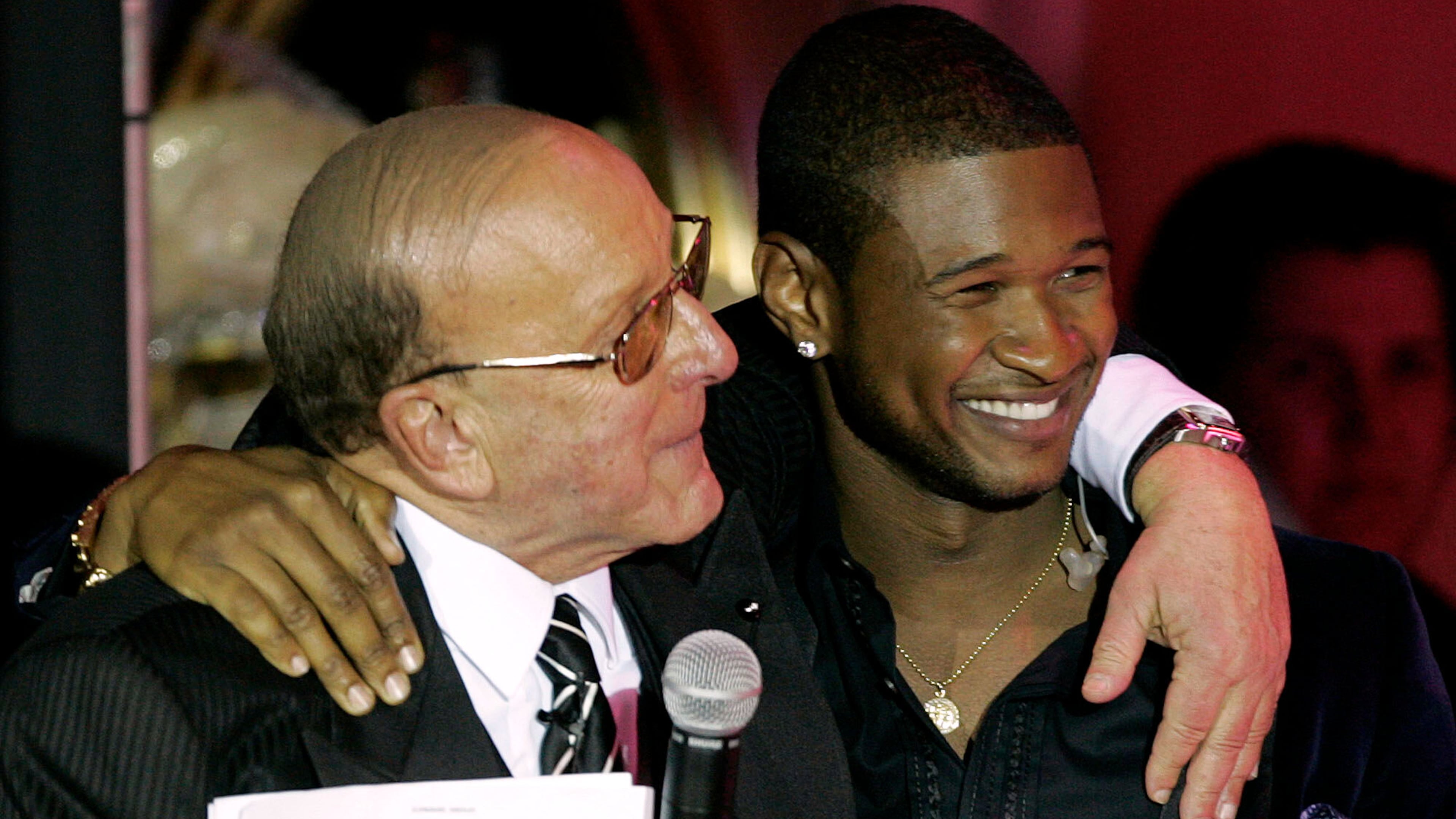
Record industry legend Clive Davis, who died Monday at age 94 in his home in Manhattan, wielded his influence on the music industry over multiple decades, including co-founding Atlanta’s LaFace Records in 1989, a pivotal moment in the city’s music evolution.
Davis, as head of Arista Records, that year created a joint venture with the new LaFace Records, which opened its headquarters in Atlanta under the management of songwriting and production team Antonio “L.A.” Reid and Kenneth “Babyface” Edmonds.
At the time of the announcement, Davis predicted that the label would help turn Atlanta into “the Motown of the South.”
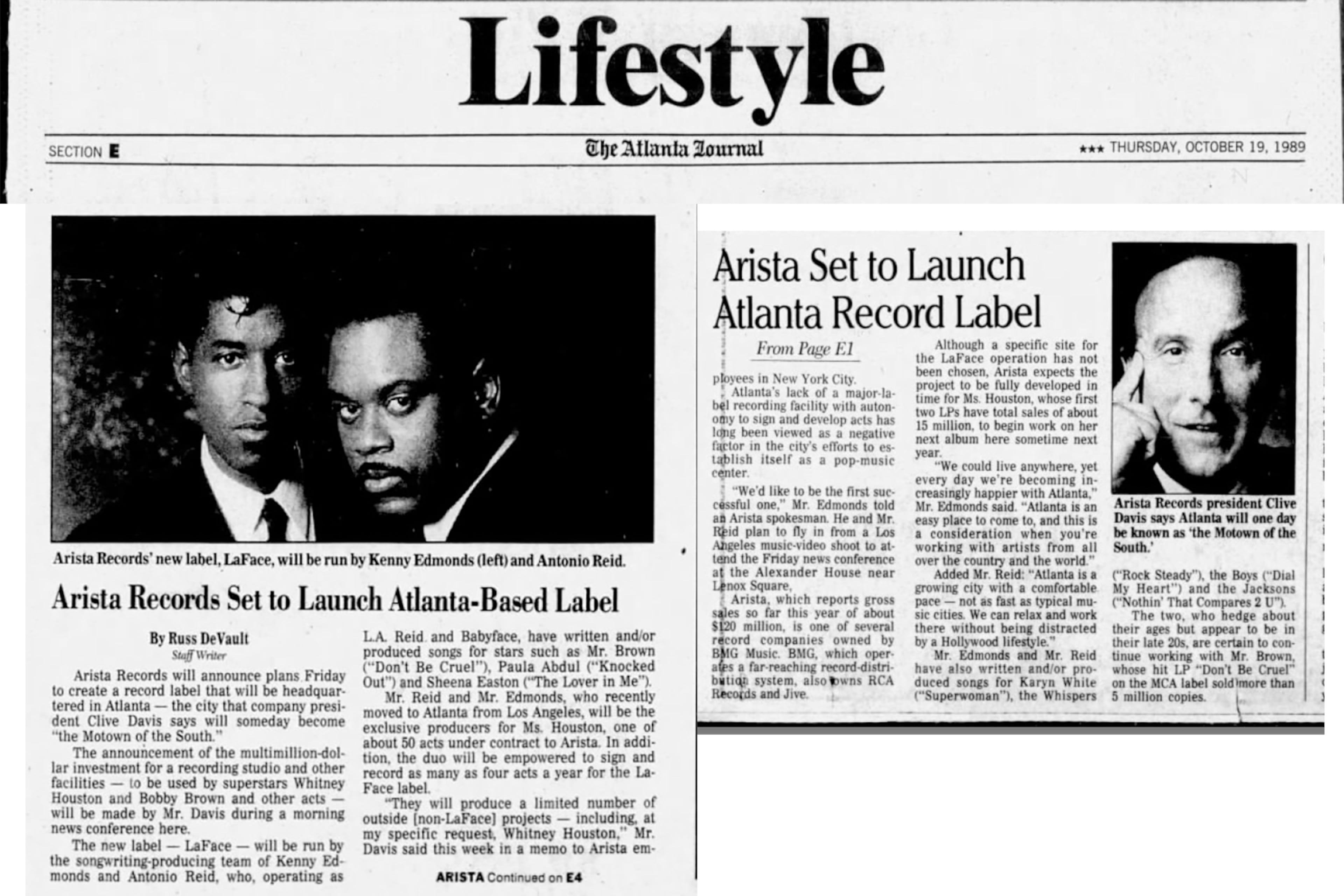
Davis’ prediction proved correct. When LaFace arrived in Atlanta, the city was a place where musicians lived, not where they did business. But LaFace changed that.
LaFace signed and developed TLC, the biggest female act of the decade. The label created stars out of R&B talents Toni Braxton and Usher, hip-hop acts Outkast and Goodie Mob and pop star Pink.
Vernon Slaughter, the first general manager for LaFace Records, told The Atlanta Journal-Constitution in 1996 that Reid had read Davis’ 1975 autobiography “Clive: Inside the Record Business,” and “that kindled in him the drive to own and control and produce wealth in his own right.”
Davis, in his 2013 autobiography “The Soundtrack of My Life,” spent a chapter focused on LaFace Records.
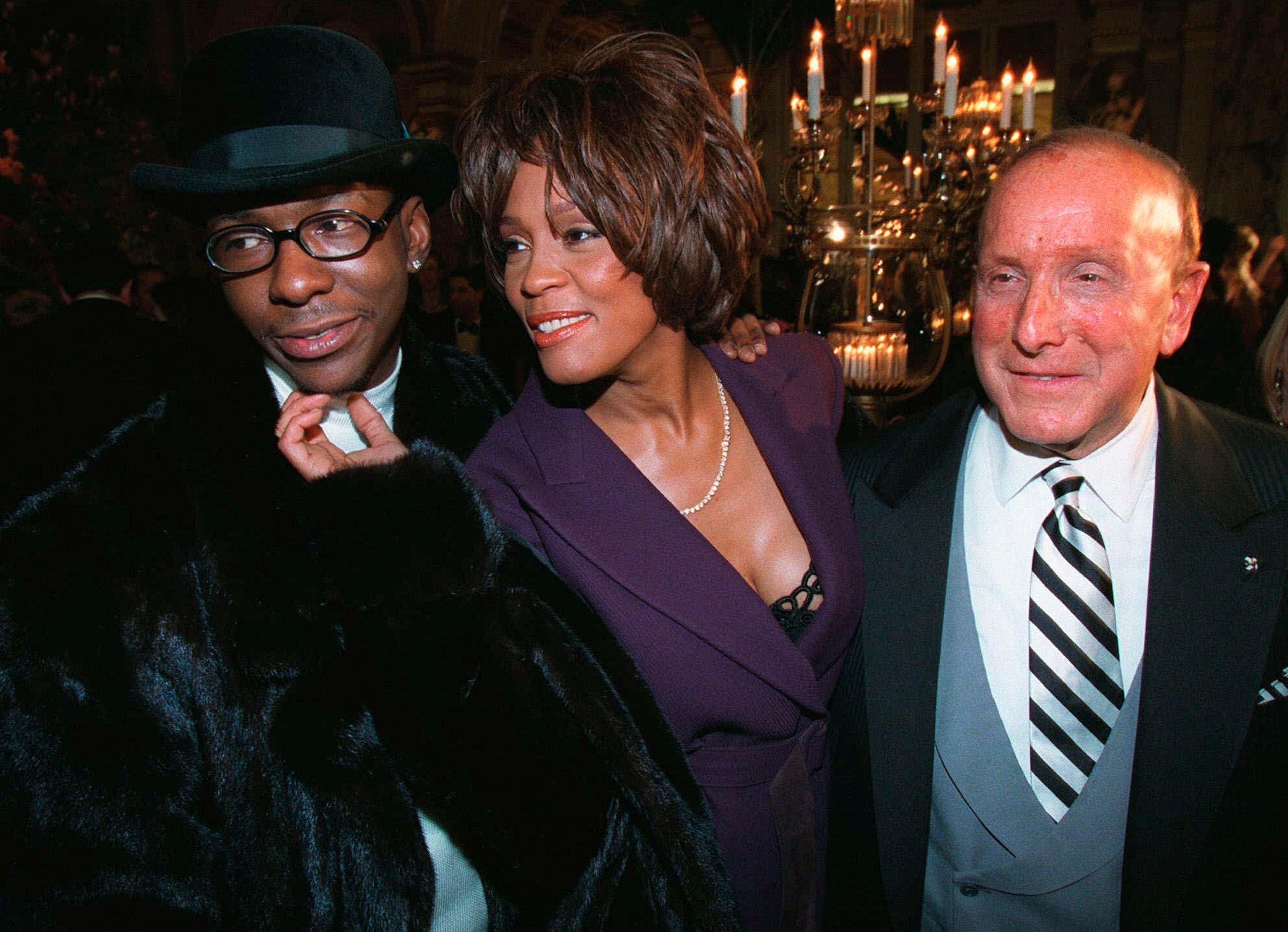
He had asked Reid and Edmonds to produce songs for Whitney Houston’s third album and discovered they wanted to start their own label.
“As different as we were in terms of musical backgrounds, we had very similar approaches to our work,” Davis wrote. “They were musicians, writers and producers, and what we shared is that all three of us ate, slept and breathed music.”
He felt “their strengths both overlapped and complemented each other, and I soon came to believe that we could accomplish great things together.”
Davis did not take credit for the creative magic Reid and Edmonds generated.
“For the most part,” he wrote, “L.A. and Babyface ran their label with little involvement from me, and that’s the way it should be. Their dream was to be entrepreneurs and they deserved their shot. Yes, Arista provided invaluable promotion and sales support, and I know they valued my company’s expertise. They were soaking everything up and additionally we were all benefiting.”

Arista had signed five Braxton sisters, but Davis felt they were a better fit for LaFace. “They wisely isolated Toni Braxton as the true vocal talent of the group,” he wrote. Braxton’s debut album sold more than 8 million copies and earned her a Grammy for best new artist. Davis then presented her the 1996 song “Un-Break My Heart” from Diane Warren.
Braxton initially didn’t want to record the song, worried it would reinforce her reputation for singing heartbreak songs. Davis insisted it would be a huge hit, so she relented. Davis was right: “Un-Break My Heart” spent 11 weeks at the top of the Billboard Hot 100.
And while TLC had huge success with the group’s first two albums, the trio surprised the world by declaring bankruptcy in 1995.
“They burst into my office one day,” Davis wrote, “grim and stone-faced, and demanded to know where their money was.” He said this was not an Arista issue, that “it was LaFace’s obligation to pay them … There was nothing ever in my personal relationship with TLC that was adversarial or hostile. But this was indeed a serious meeting.” (TLC did end up recording “FanMail,” another massive hit album for LaFace, in 1999.)
Davis also lauded LaFace’s development of Outkast, noting that Big Boi and Andre 3000 “have been extremely gracious to me over the years in expressing gratitude for Arista’s role in promoting and marketing their records.”
Davis’ relationship with LaFace ended in 2000 when Arista let him go. In 2002, at J Records, Davis gave Usher a label deal and became a business mentor to him.
“As he got interested in running a label,” Davis wrote, “he began spending more and more time with me. Whenever he was in New York, he would come by my office and sit with me for a few hours, just watching me go through my day and learning.”
Usher’s focus, though, has remained primarily on music, generating a cavalcade of hits.
Davis was also close to Atlanta producer Dallas Austin. In 1992, Davis funded a label with Austin called Rowdy Records. They hit it big with R&B star Monica, who generated two big hit albums.
But Davis was unhappy with Austin’s other label artists, who were not in the R&B world where Austin had thrived. He flew to Atlanta to discuss the situation, but Austin resisted his pleas to keep doing what he had done so well already. The label only lasted about five years.
Austin remembered Davis in an Instagram post Monday, writing that “you will be missed but your music legacy will be here forever.”
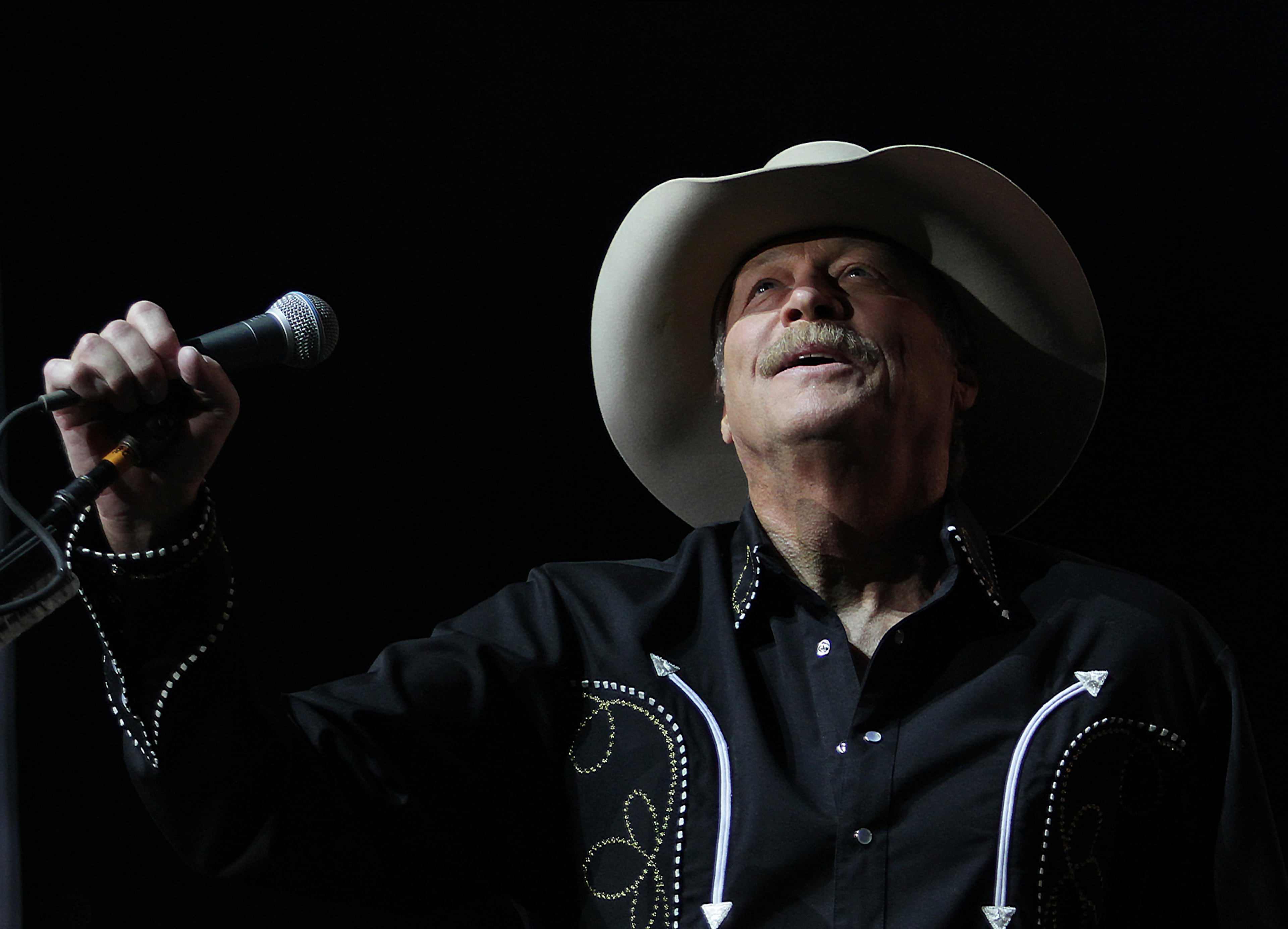
The same year Davis helped form LaFace Records, he also created Arista Nashville. The first artist on the label? Newnan native Alan Jackson, who became one of the biggest country acts of the next two decades.
“It created a real bond between us,” Davis wrote. “I never forgot that he chose to go with me and Tim (DuBois), and put his career entirely in the hands of an untested venture … As his career erupted, I presented him and touted him at any given opportunity as one of the unique, signature artists on Arista irrespective of genre.”
Representatives for Monica, Edmonds and Reid did not respond to the AJC’s request for comment.