A1C explained: What’s behind the number and why it matters
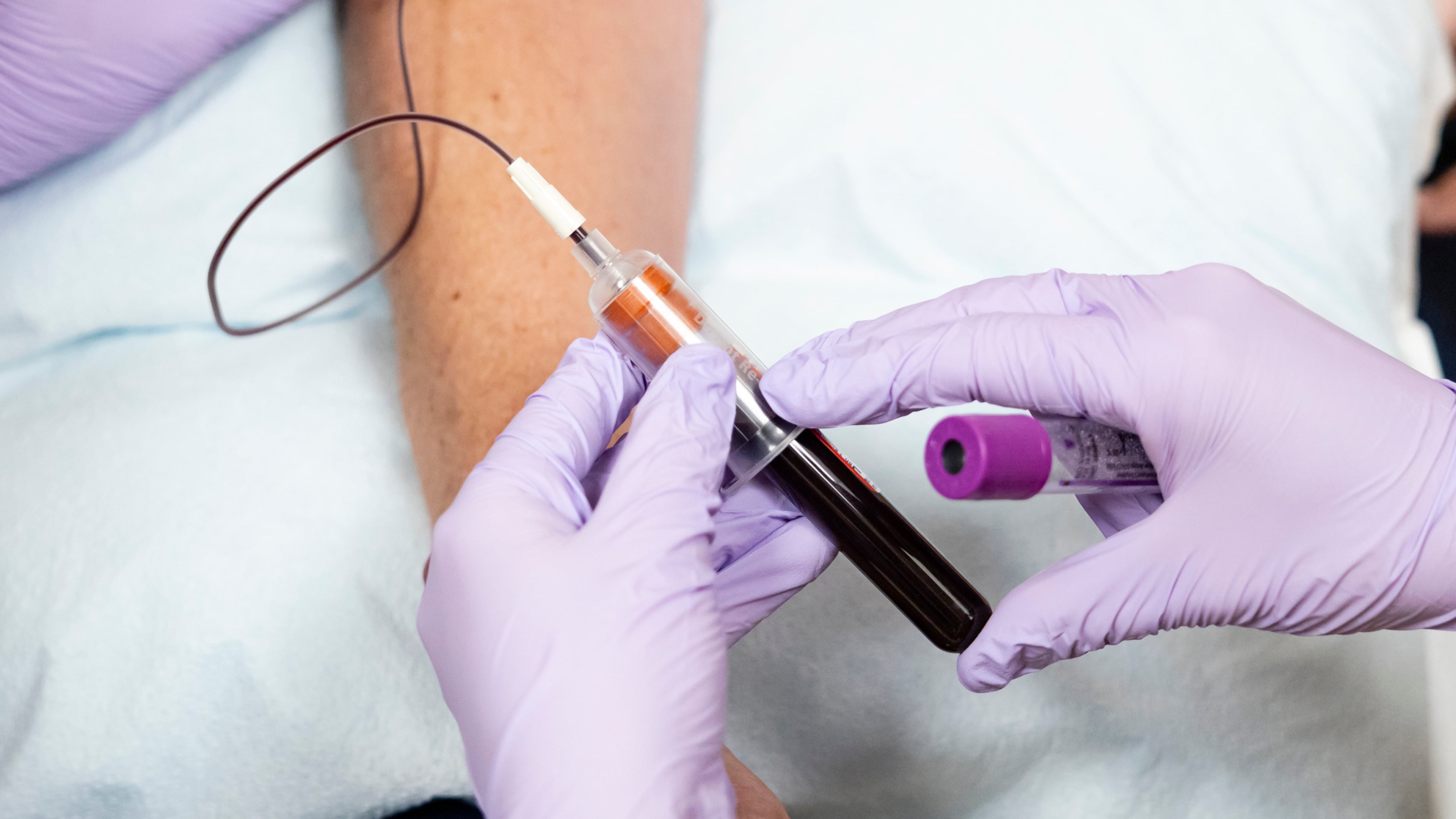
That hemoglobin A1C (HbA1c) percentage on your lab results may look like just another number, but it can offer a bigger picture of your blood sugar. Unlike a blood sugar test that captures your levels at one moment, an A1C test shows your average blood sugar over about three months.
More than one-third of Georgia adults have prediabetes, and 90% don’t know it, according to the Georgia Department of Public Health. So what does that A1C number actually mean?
For most people, an A1C below 5.7% is considered normal. A result from 5.7% to 6.4% falls in the prediabetes range, while 6.5% or higher falls in the diabetes range.
Here’s an easy way to picture what’s happening: Think of a peanut M&M as a red blood cell. The chocolate represents hemoglobin, and the candy coating represents the glucose, or sugar, attached to it. The more sugar in your bloodstream, the more that can stick to your red blood cells. Your A1C reflects how much sugar has been hanging around over time.
Is the A1C test accurate for everyone?
For many, an A1C test is a useful way to get a longer-term picture of blood sugar. But it isn’t perfect for everyone. Certain health conditions and changes in your red blood cells can affect the results.
Piedmont primary care physician Dr. Alireza Arabnia says several factors can influence A1C results, including age, lifestyle, and certain health conditions.
“For people who have frequent blood transfusions, severe iron or B12 deficiency, or sickle cell, hemoglobin A1C is not an accurate test,” said Arabnia. In these cases, further testing may be necessary.
One option is a fasting blood glucose test that measures blood sugar after at least eight hours without eating. Another option is a glucose tolerance test which measures how the body responds to a glucose-containing drink.
If you believe other factors may be contributing to an elevated A1C, talk with your doctor about retesting in three to six months. However, if your level is above 6.4%, Arabnia recommends following your physician’s guidance for timely treatment.
Two women, two A1C journeys
Last December, 69-year-old Marcia Whitehorn received a phone call from her oncologist: Go to the nearest emergency room.
Blood work showed her A1C was 11.6%, well into diabetes range. She was treated with insulin and eventually sent home. But the Sandy Springs resident, who lives alone, had never learned how to give herself insulin injections.
“When I got home, I was lost!” said Whitehorn.
That changed when she began attending classes at Piedmont Atlanta Hospital’s Diabetes Resource Center. There, she learned how to manage her injections, prepare healthier meals and connect with a supportive community.
Whitehorn also began making changes at home.
“I changed my diet, started walking and doing other forms of exercise.” In eight months, her A1C decreased to 5.4%.

For McDonough resident Cynthia Williams, understanding her A1C has been a much longer process. She was diagnosed with type 2 diabetes 20 years ago and manages it with lifestyle changes and regular A1C testing.
“I’ve learned through the years how to regulate it (A1C) and what spikes it so that I can better manage my levels,” she told The Atlanta Journal-Constitution.
When her A1C plateaued in the mid-6s, Williams increased her activity, walking 3 to 5 miles five days a week. Now 73, she also enjoys Zumba, pickleball, line dancing and strength training.
Take control now
Don’t let a lab result sit unanswered in your patient portal. Ask your doctor what your A1C means, whether you should be tested and what steps make sense for you.
If you have prediabetes, the CDC-led National Diabetes Prevention Program offers support for making lifestyle changes that can help prevent or delay type 2 diabetes. Participants can reduce their risk by 58%, or by 71% among those over 60.