After her son’s death, a Georgia mom is speaking up about suicide and hope
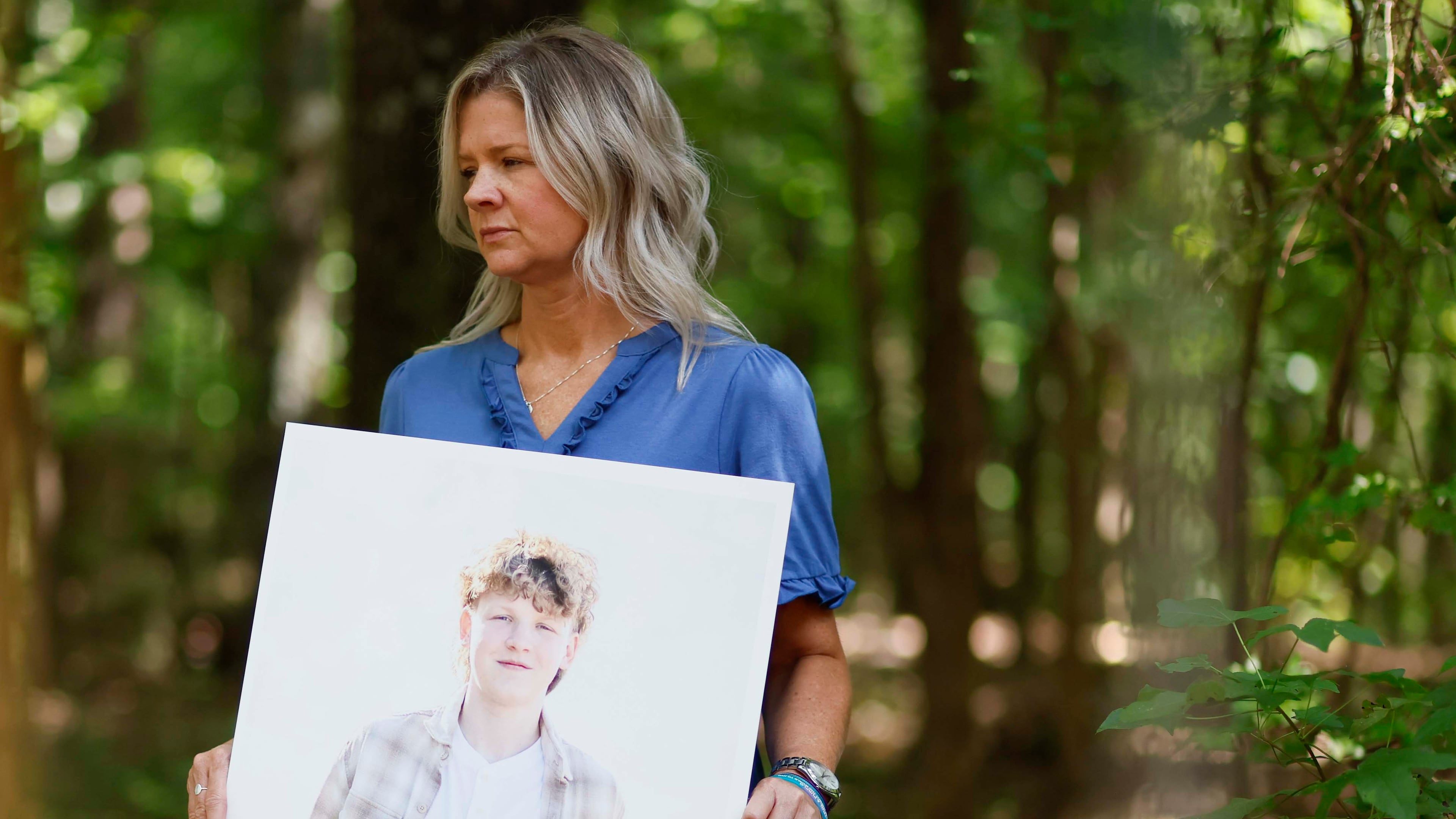
Mason Worthey felt everything deeply. He was a quiet observer of the world around him.
Never a rough-and-tough kid, he was sensitive, polite and, even as a little boy, sympathetic toward others and very in tune with his own emotions.
But as Mason grew, the feelings he carried began to change.
Around age 7, he expressed himself through frustration and anger. In middle school, the anger morphed into sadness, and by high school the sadness became depression. And beneath it all was loneliness.
When Mason told his mother, Ashley Worthey, that he didn’t want to be here anymore, she was distraught. She told him she loved him. That everyone loved him. That he was needed.
Please stay, she begged. Please don’t go.
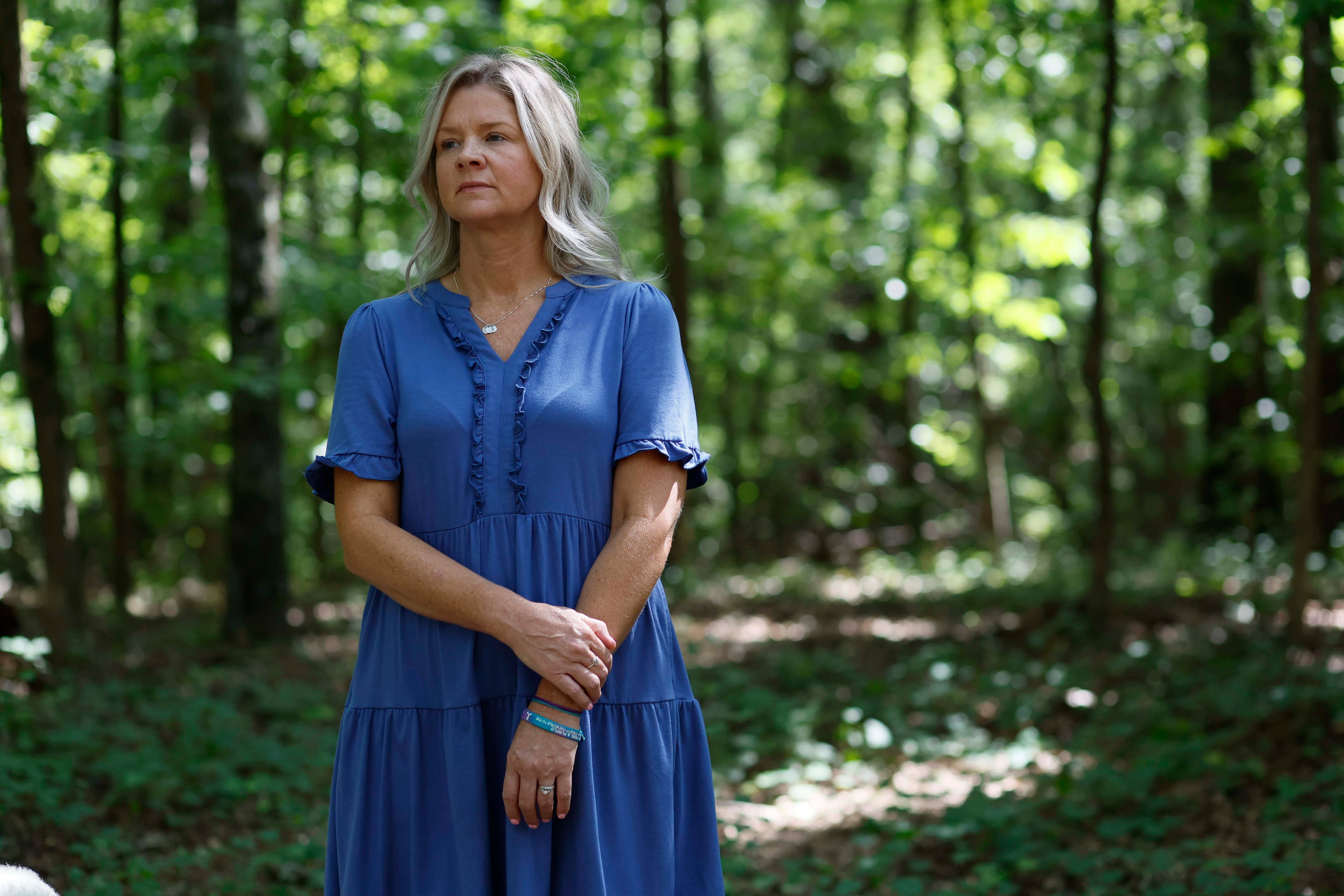
Tragically, Mason succumbed to mental illness on March 6. He was only 17 years old.
As Ashley trudges through a valley of grief, she is determined to advocate on Mason’s behalf, to help others and echo the words she said to Mason over and over. Please stay.
The Worthey family resides in Good Hope, Georgia, about an hour east of Atlanta. Ashley and her husband Chris have been married nearly 21 years. They always knew they wanted a family and were ecstatic to welcome Mason in 2009 and his younger brother, Easton, just a couple years later. When the boys were little, the family spent much of their time outside, playing and trying to burn off Mason and Easton’s infinite energy.
When the couple realized that Mason was struggling with his emotions, they sought help, taking him to see a counselor.
“Mental healthcare is not easily accessible or easy to navigate,” said Ashley, 44. “Most places don’t even take insurance. Money was never an issue — I’d pay whatever necessary to get Mason what he needed, but I did wonder why it was so expensive and so hard to find someone who could talk to a child. That was half the battle.”
Mason saw a handful of counselors until he found one that he connected with. He stayed with that counselor for years.
Outside of therapy, Mason took honors classes at Morgan County High School and didn’t have to study hard to earn good grades. He volunteered at the Morgan County Humane Society and said he hoped to work in the veterinary field one day.
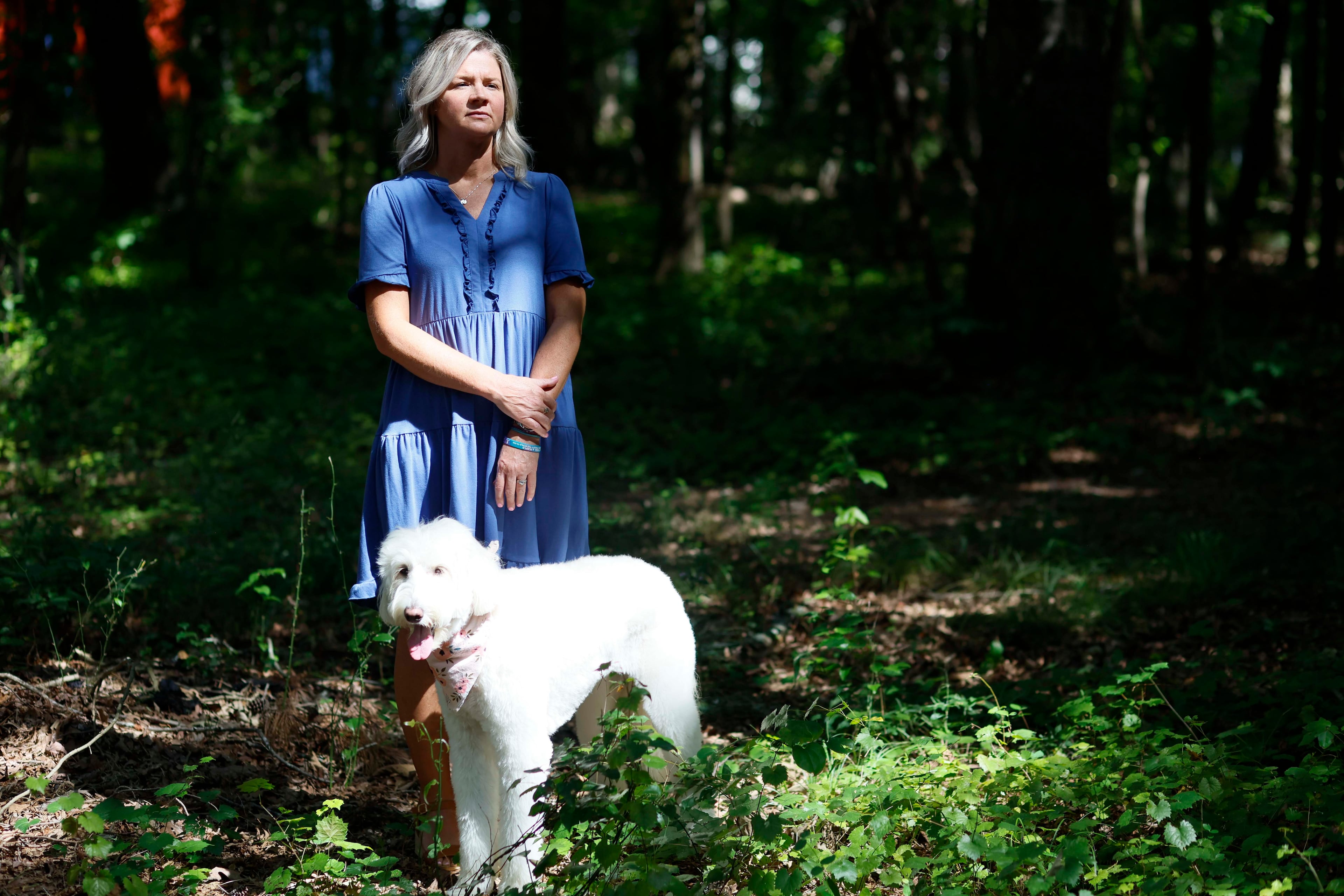
At home, he liked loafing around, playing video games and spending time with the family dog, a Goldendoodle named Evie Pearl.
Mason had a way of forming connections with the people around him, often through the smallest moments.
A former bus driver described him as a beautiful person inside and out. When she caught Mason with gum on the bus, she reminded him it wasn’t allowed — unless he also had a piece for her. From there, they formed a friendship and would both bring pieces of gum for each other.
Mason’s days were simple; his smile was big, but he struggled privately.
“I was very connected with him and aware of his depression,” said Ashley. “I was mindful to sit, listen, and never dismiss him by saying something like, ‘life is tough.’ He had a great life, all the support in the world, but this wasn’t a boo-boo I could kiss or put a Band-Aid on. Depression isn’t a physical wound that you can peek in on at night. It’s just constant worry and communication.”
Ashley had just fallen asleep after midnight on March 6 when a loud noise woke her. She found Mason shortly after, dead from a gunshot wound.
“There are no words,” said Ashley. “No words.”
Resources for suicide prevention
If you or someone you know is struggling with suicidal thoughts, help is available.
988 Suicide & Crisis Lifeline: Call or text 988 for free, confidential support, available 24/7.
Georgia Crisis & Access Line: Call 1-800-715-4225 for free, confidential crisis support and access to behavioral health services in Georgia.
Society for the Prevention of Teen Suicide: Resources for teens, parents, educators and communities. Visit sptsusa.org or call (732) 410-7900.
American Foundation for Suicide Prevention: Resources for suicide prevention, support for those affected by suicide and information about local programs and events. Visit afsp.org.
According to the CDC, approximately 48,000 Americans die by suicide each year. That’s one death every 11 minutes. Youth and young adults ages 10 to 24 account for 13% of all suicides.
Jason Benton, a licensed professional counselor and owner of Athens Area Counseling Center, said it might be hard to identify signs of depression in teens, as it’s normal for them to want alone time and experience a range of emotions. He suggests that parents engage their kids in conversation, go into their bedrooms, check their phones, validate their feelings and take action if necessary.
“Find a way to get your kids out of the house and around people,” said Benton. “If you’re depressed and you isolate, it will make it a lot worse. Another thing I suggest is getting kids away from screens. Kids don’t feel like they’re isolating because they can play with a friend remotely, but screens are actually a big conduit toward loneliness. The Anxious Generation by Jonathan Haidt is a great book to empower parents.”
As a suicide prevention advocate, Ashley plans to channel her grief for good. She’s scheduled to speak at the inaugural You Matter Mental Health Awareness Festival in Madison, Georgia on Sept. 26. She will also attend the 4th Annual Towers Benefit Car Show, which will donate a portion of proceeds to the Society for the Prevention of Teen Suicide in Mason’s memory.
Ashley also created a team, Mason’s Mission for Hope, that will participate in the American Foundation for Suicide Prevention Walk in Northeast Georgia on Oct. 25.
“This would be his senior year of high school,” she said. “I imagined senior pictures, a cap and gown. I still can’t believe he’s really gone.”

In the early evenings, Ashley likes to walk alone around the land by her home. She talks to Mason, her blond-haired, blue-eyed boy, and feels him in the warmth of the sun.
“I miss everything about him. Part of why I want to help others is because I know that’s what he would do. Caring came naturally to him, and that inspires me. He gave me more perspective and less judgment.
“I always told him he had something important to offer the world. I said it all the time, because I truly believed that. I still believe that.”