How much coffee is good for you? Here’s what new research says.

Like many coffee drinkers, Dr. Sarah Dupont enjoys her daily cup of joe. The good news? Recent studies suggest that ritual may do more than provide an energy boost. It may also support heart, liver and brain health.
“It’s encouraging evidence that there’s something about natural sources of caffeine, like in coffee and tea, that’s associated with better health,” said Dupont, an assistant professor of family and preventive medicine at Emory University School of Medicine.
The American Heart Association is the latest medical group to highlight coffee’s potential health benefits. It points to studies showing that up to five cups of caffeinated coffee a day is safe for most adults and may be linked to a lower risk of cardiovascular conditions, including heart failure, heart disease and stroke in some people.
The AHA report, released on July 20, comes on the heels of a study by Cedars-Sinai Health Sciences University that found that drinking five or more cups of coffee daily was associated with lower risks of cirrhosis or liver scarring, liver cancer and liver-related death. Researchers also found that even decaffeinated coffee was associated with better liver health, suggesting naturally occurring compounds in coffee, rather than caffeine alone, may play a role.
Earlier this year, Harvard University and Massachusetts Institute of Technology published research in JAMA showing that two to three cups a day was linked with a lower dementia risk and slower cognitive decline. Decaf coffee didn’t have the same effect, implying that caffeine is the key, Dupont said.
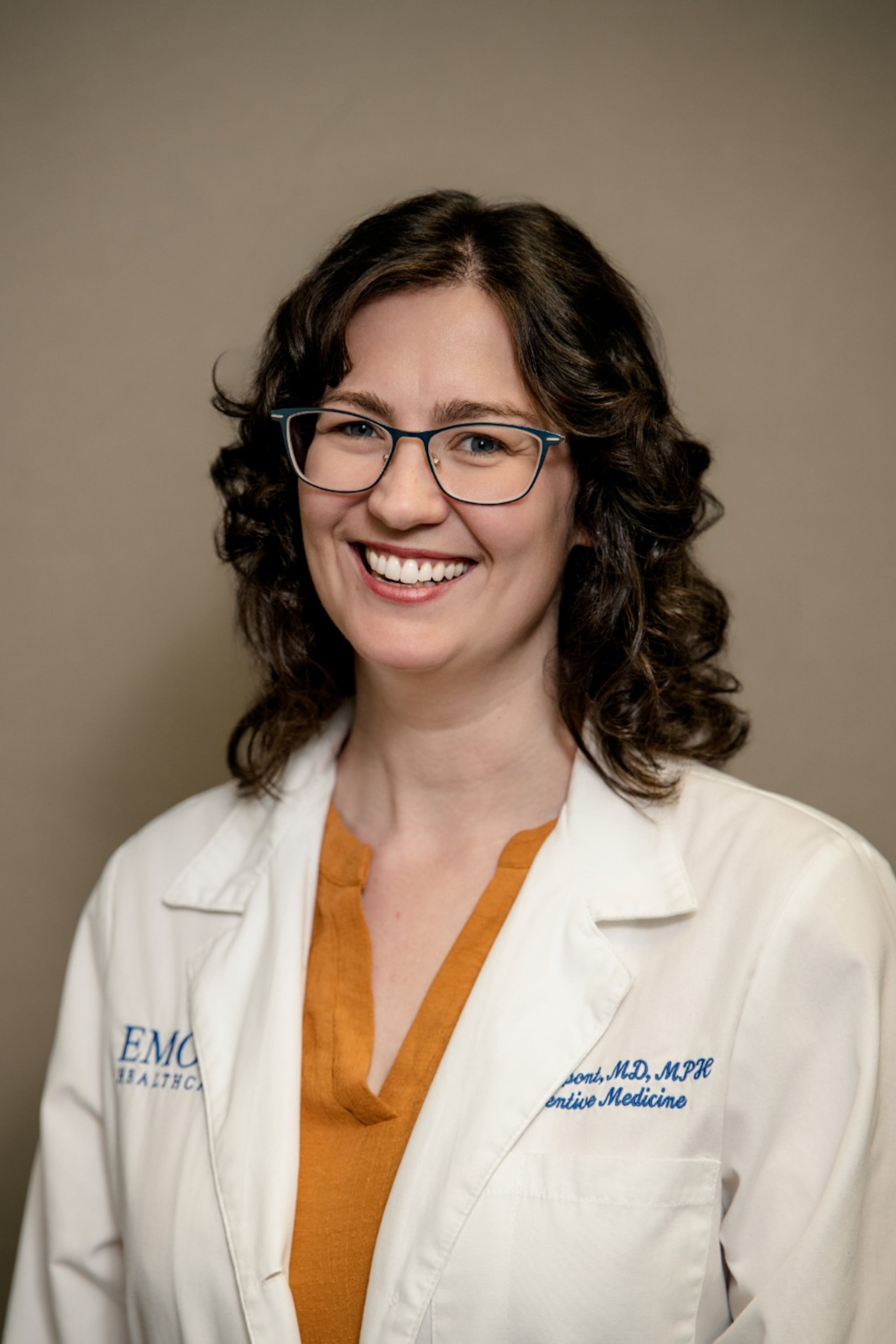
Still, Dupont pointed out that the research shows an association, not proof that coffee directly improves health.
“These studies are reassuring to existing coffee drinkers but not strong enough for me to say, ‘Go start drinking coffee because you’ll be healthier,’” she said.
“Choosing to drink coffee is about enjoying the flavor, maybe enjoying the ceremony around it, or for a lot of people it can help with alertness and focus, and it makes you feel good when you drink it.”
Dupont cautions, though, that coffee also has downsides. While it may offer health benefits, it can also worsen anxiety, lead to caffeine dependence and interfere with sleep.
“I think it’s important to keep in mind its effects on sleep, especially later in the day. It could be subtle even when people don’t notice it, so when people are having trouble sleeping, you should look at your coffee intake.”
How coffee is prepared also can influence the health outcome, according to the AHA. Unfiltered coffee, such as French press, contains compounds that can raise cholesterol, while filtered coffee does not.
“Not every cup of coffee is the same,” Dupont shared.
Despite two of the studies touting the benefits among people who drank five or more cups of coffee a day, consumers don’t need to drink that much to reap the benefits, explained Dr. Marat Reyzelman, a coffee lover and neurologist with Wellstar Health System.
“At least in the last decade — or maybe two — there’s been some pretty large studies showing that mostly the effects of caffeine are positive and that the risks are small,” Reyzelman said.
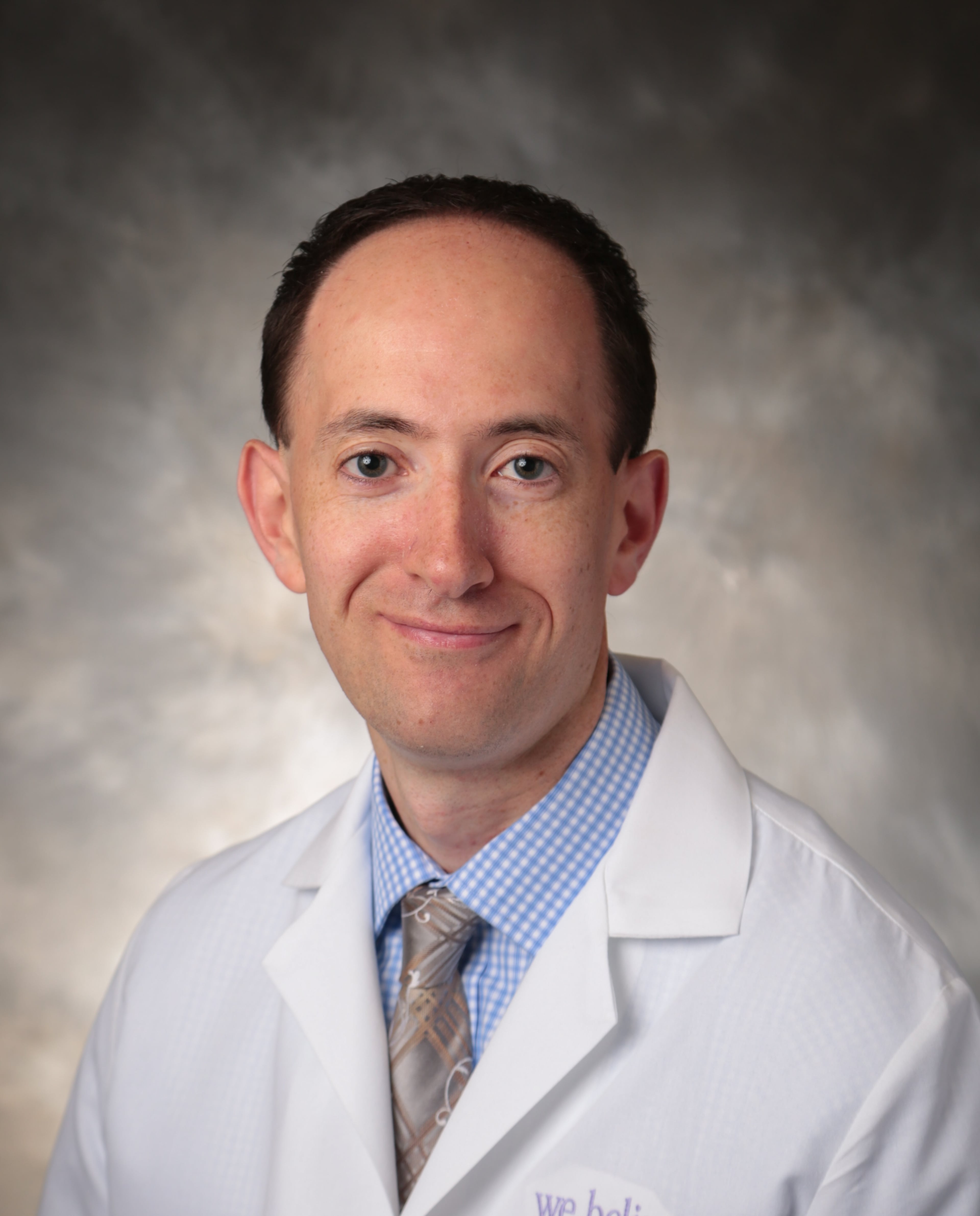
“There seems to be also sort of a sweet spot for how much caffeine provides benefits and the relationship between how much coffee you drink and what benefits you get … maybe about two to four cups of coffee per day and maybe anything more than that, the benefits start to shrink and anything less than that there are some benefits but they are not quite as pronounced.”
He stressed that the benefits cited in recent students come from plain black coffee, not drinks with added sugar, cream or full-fat milk,
“I think those kinds of additives reduce the benefits.”
Dr. Keionna Grant, a cardiologist with Northside Hospital, doesn’t drink coffee herself but she’s glad recent research shows many patients with heart conditions don’t have to give up moderate coffee drinking.
“For many years doctors have been recommending that patients cut back on coffee or refrain from it but a lot of these studies that are now starting to come out are showing that moderate coffee consumption is actually turning out to be safe and probably even protective.”

Grant believes researchers have focused on coffee because it’s such a common part of many people’s diets, and physicians want to know if they should continue to recommend limiting the popular drink.
“It’s something that doctors told patients to not consume and so now, if that’s no longer the advice, we need the evidence to support why that is OK.”
While moderate coffee consumption appears to be safe for most adults, higher doses of caffeine, such as those found in energy drinks, may increase the risk of high blood pressure and irregular heart rhythms, or arrhythmias, according to the American Heart Association.
Grant said coffee also contains antioxidants and anti-inflammatory properties that don’t exist in other caffeinated beverages, such as sodas and energy drinks.
“Those are also concerning, especially to the cardiology world, because those drinks can actually have two to three times the amount of caffeine in one cup in comparison to a cup of coffee and they also have other additives and stimulants that may not be safe,” she said. “The research definitely does not apply to those types of caffeinated drinks.”
The Atlanta doctors emphasized that the findings are based largely on observational studies. Rather than assigning people to drink coffee or avoid it, researchers analyzed participants’ coffee habits over time and looked for patterns in their health outcomes.
“When we have these observational studies, it doesn’t actually give us proof but it is showing us connections,” Grant said.
The studies do, however, add to growing evidence suggesting that moderate coffee consumption is safe and may even have health benefits. For coffee lovers, that’s another reason to savor the next cup.
Roni Robbins has been a journalist for nearly four decades. This is her second stint as a freelance reporter for the AJC. She was formerly a freelance reporter and editor for Medscape. Her writing has appeared in WebMD, HuffPost, Forbes, the New York Daily News, BioPharma Dive, MNN, Adweek, Healthline and others. She’s also the author of the award-winning novel, “Hands of Gold: One Man’s Quest to Find the Silver Lining in Misfortune.”