The right pet for the right season of life: A guide for older adults
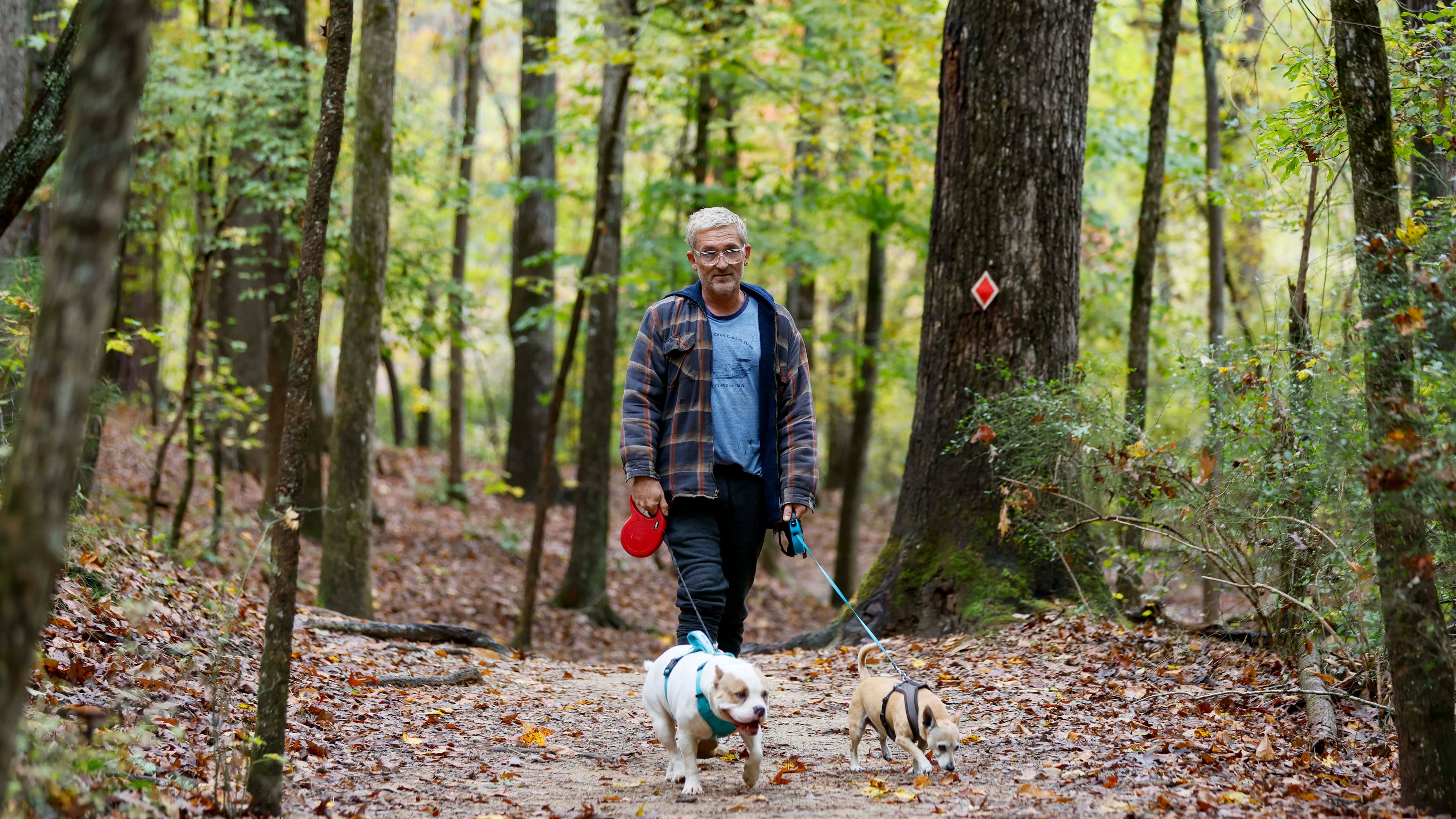
Being an animal lover often means you like having a pet.
While some are an equal-opportunity lover of animals, others have a preference. Regardless, as you age, certain factors outside of your control may require you to think differently about what makes the perfect pet for you.
“We never want to tell people who they can and can’t adopt, but there are some considerations for older adults to think about,” Brenna Lakeson, communications & community engagement manager at PAWS Atlanta told The Atlanta Journal-Constitution. “We always want to talk with people about what’s going to be realistic on a day-to-day basis.”
Getting a pet as you age involves thinking through behavior, size, strength and energy level, along with the time you can dedicate to an animal and the space you have available.
“Not all animals are meant to live in a small space,” Lakeson said.
It’s also important to think about how long your pet will live and have a plan for their care should you become unable to keep them.
“Have a plan in action. Have a will and trust in place. Have a Plan A and a Plan B,” suggested Brianna Stoddard, executive director at Papayago Rescue House.
Thinking about these questions may help you narrow down the right pet for you, but if you’re still unsure, looking at animal-specific traits can help.

For the active senior
“For people who are trying to stay active, dogs can be a great choice,” Lakeson said.
Not only can they help keep you moving with daily walks, but they can provide connections with the outside world.
“Seniors can struggle with feeling isolated and depressed, so places like a dog park or walking and running into neighbors can help with mental health and physical health,” Lakeson said.
If you want an indoor pet
A big plus for cats is that they don’t go on walks.
“This can be a huge benefit for people who don’t have a lot of energy or are living in a senior community,” Lakeson said. “People often tend to view cats in general as lower-maintenance pets.”
Although they don’t require time outside, cats do need just as much enrichment and interaction as dogs. Having time to play with them and snuggle with them is important.
Cat care also has a physical component, including bending to scoop litter and navigating a pet that can sometimes get underfoot, creating a fall risk.
A pet with feathers
Birds, when properly researched, can make great pets, even later in life.
“Make sure they match your lifestyle when it comes to noise, activity level and companionship style,” Stoddard said.
Ask yourself if you’re OK having a noisy bird at home or a feisty bird who may get a little destructive in the name of playing.
“Parrots are flock animals that want and need companionship to thrive. They want to be with you consistently and are genuinely excited to see you every single day,” Stoddard said. “They give back as much as you put into them.”
The ultimate low-maintenance pet
For those looking for a truly low maintenance pet, fill a tank with fish.
A study in the National Library of Medicine on the Primary Effect of Pet Ownership cites that fish help create social opportunities between their owner, family and friends.
Even though you can’t give them belly rubs, owners still build relationships with fish, and their less burdensome care can be highly appealing.
After deciding on the right type of pet, start the adoption process and lean on shelter staff to help match you with an animal that fits your lifestyle.
Coming in prepared, with realistic expectations for what type of pet you want and can handle, can make it possible to welcome a new addition to your home even faster.