How the World Cup could inspire better fitness and eating habits
Every four years, fans pour into stadiums, sports bars and watch parties to cheer some of the world’s fittest athletes. For many, watching the speed, endurance and skill of World Cup players is not only thrilling — it’s inspiring.
Atlanta experts in fitness and nutrition say the World Cup offers a rare opportunity for people to turn inspiration into action. The key, they say, isn’t trying to train like a professional player or overhaul a lifetime of habits overnight. It’s building small, sustainable changes that can last long after the final whistle.
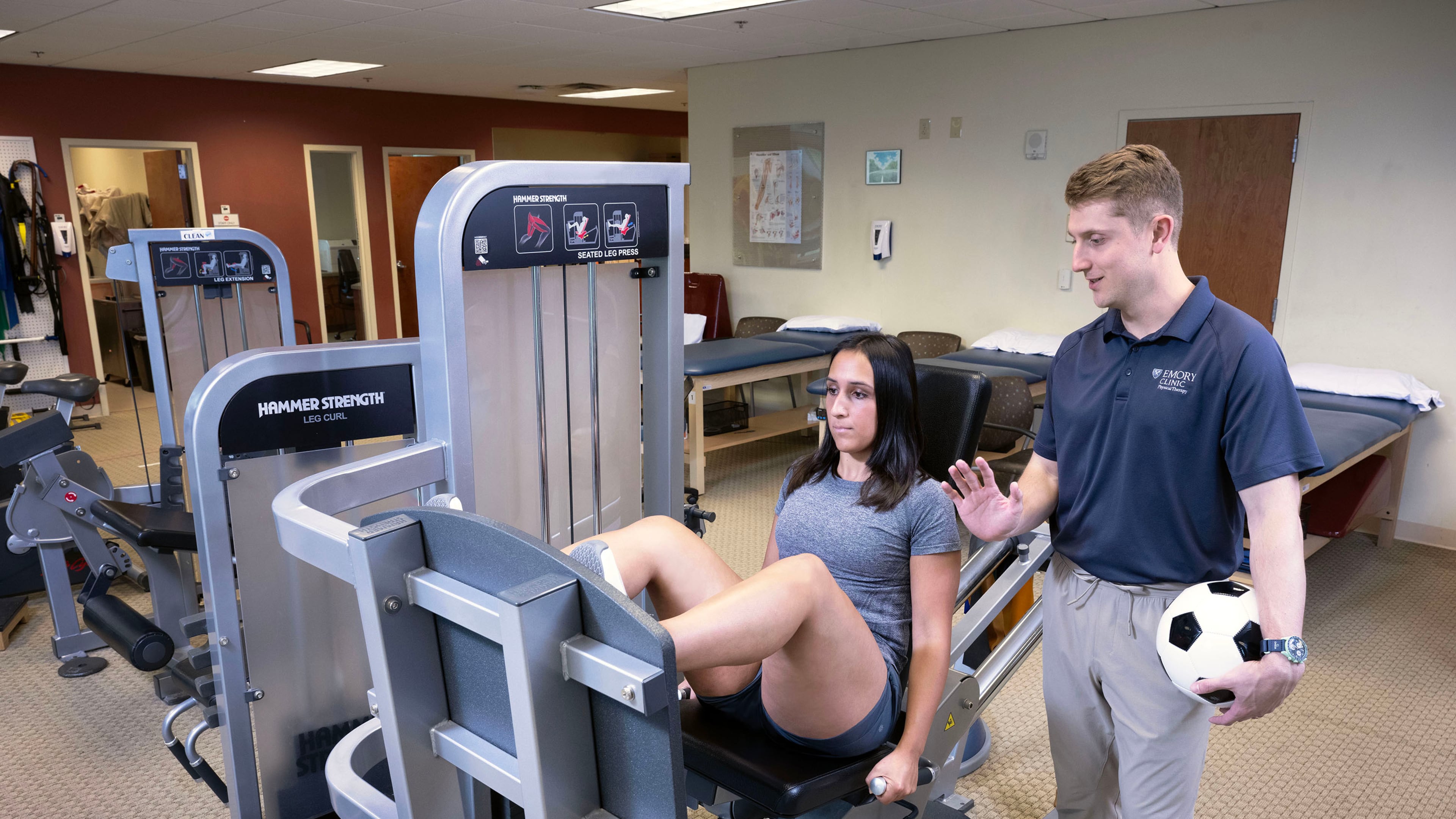
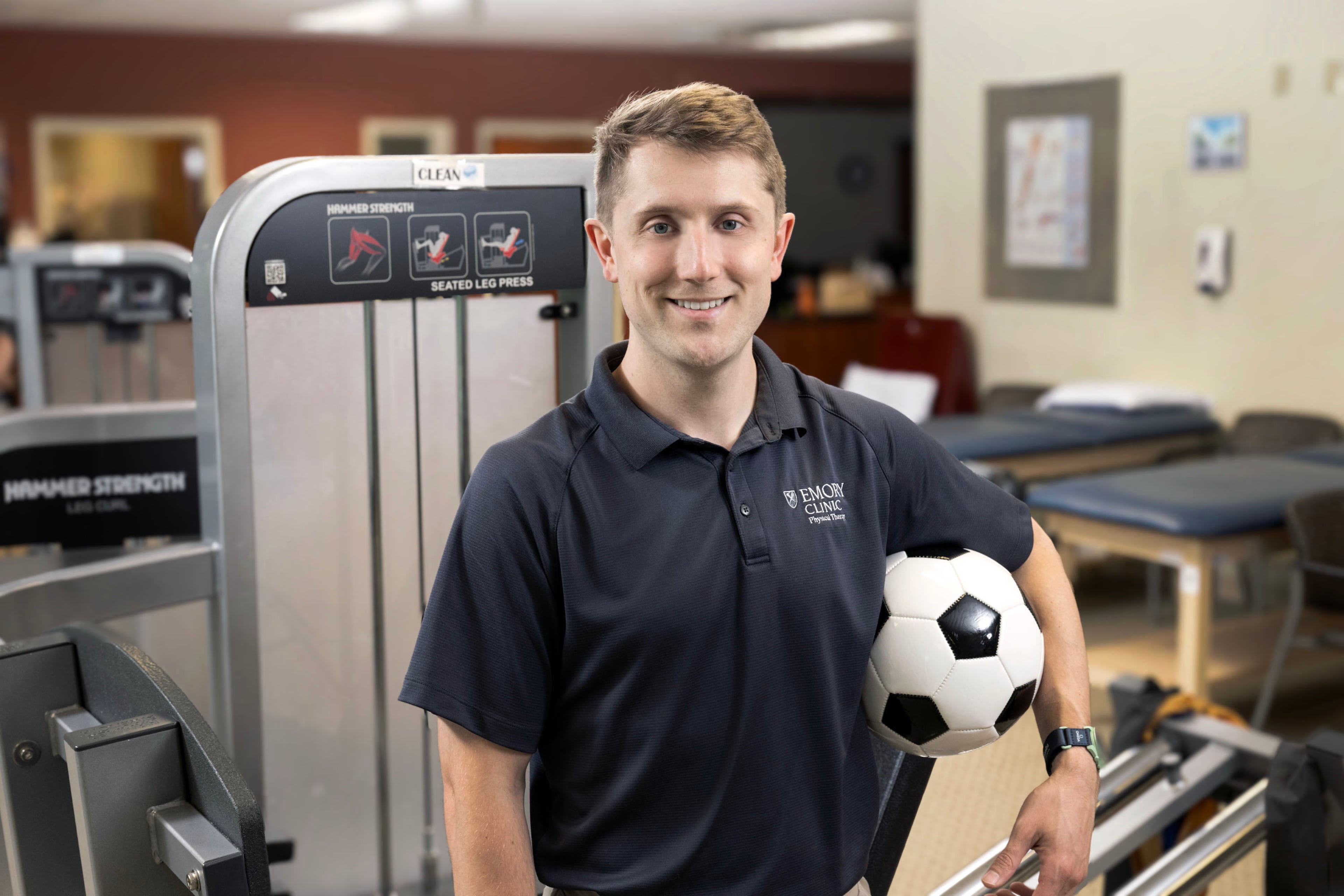
“The goal needs to be realistic and sustainable,” said Carl Guidry, a sports medicine physical therapist at Emory Johns Creek Hospital who works with elite high school and college athletes. “A lot of people may fail because they try to go from 0 to 100 overnight.”
Dr. Sharon Bergquist, a scientist, internist and longtime professor of medicine at Emory University in Atlanta, believes major sporting events, including the World Cup, can have the same effect as a New Year’s resolution.
“It is just a good reset point for a lot of people,” Bergquist said.
One of her patients was inspired by the Peachtree Road Race to leave his sedentary lifestyle behind. He started walking so he could join the throngs of people participating in the annual event. Even after he was no longer a patient, he checked in every year to let her know he was still walking the 6.2-mile course.
And who could be more inspiring to everyday people than athletes with spectacular bicycle kicks, breakaway runs and seemingly impossible saves?
“The World Cup reminds people of what the human body is capable of,” Guidry said. “That can be incredibly powerful, motivating people to start to move and move again.”
Soccer fans — or anyone, for that matter — don’t need to train like a professional athlete to benefit from exercise, he said.
“They just need to improve their overall well-being.”
Setting the body in motion
Guidry believes the road to better physical health starts with walking. It’s something people can do in their neighborhoods or at a community park. It’s low-impact and highly effective, helping burn calories while improving cardiovascular function.
“The biggest mistake for people who are motivated is doing too much too soon,” he said. “Motivation is a great thing, but we have muscles, tendons and joints that need time to adapt.
“Even 10 to 15 minutes a day is meaningful,” Guidry added.
Pushing too hard too quickly can lead to burnout or possible injury. Instead, focus on small changes throughout the day that can make a difference. Take the stairs instead of the elevator. Stand more often. Get off the couch during commercial breaks.
“The goal is to build confidence and momentum without overwhelming the body and making it sore to where you don’t want to do it again,” Guidry said. “Build confidence that you’re able to do it and also able to sustain it for a long-term effect.”
For those unsure where to begin, he recommends easing into a new routine with a simple seven-day plan designed to build consistency while giving the body time to recover and adapt:
Monday: Take a 20-minute walk. The goal is to elevate your heart rate without overexerting yourself.
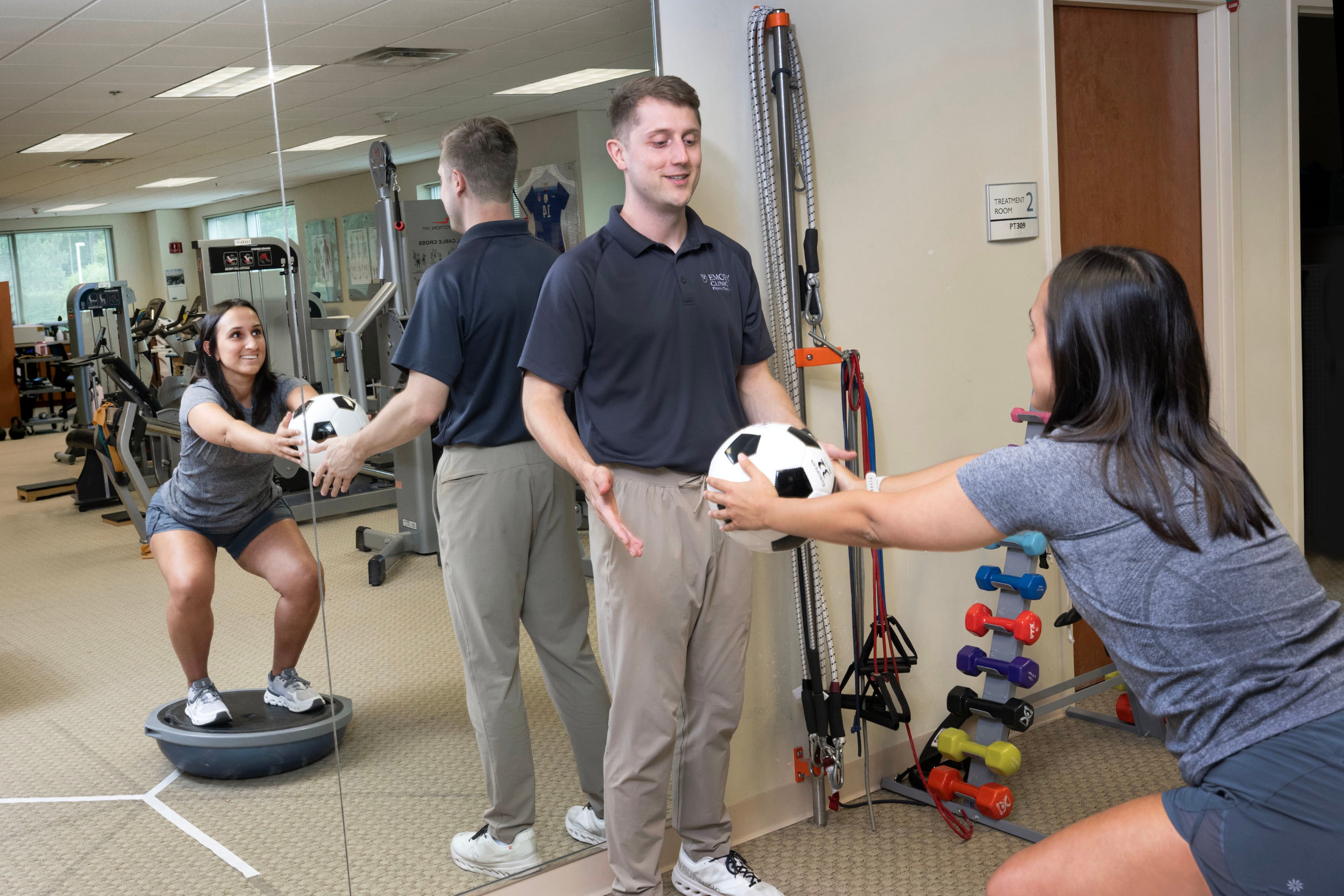
Tuesday: Focus on strength training with light squats, traditional pushups, pushups against a wall or even stair climbing.
Wednesday: Use this as a recovery day, prioritizing hydration and stretching.
Thursday: Focus on interval walking — one minute fast, followed by two minutes at a slower pace — for 20 to 30 minutes.
Friday: Strength training again, incorporating bicep curls, shoulder lifts, leg kicks and squats using resistance bands.
Saturday: Choose a recreational activity, such as biking, pickleball or hiking.
Sunday: Take a relaxed walk, practice yoga or another low-impact activity to focus on body recovery and prepare for the week ahead.
Feeling good? Add another five to 10 minutes to each exercise the next week and continue building from there. The benefits should begin showing up within days, Guidry said, which can include more energy, better sleep and reduced stress both at work and at home.
“A smart program will leave you wanting to come back and keep working.”
Focusing on better eating
When it comes to nutrition, Bergquist has suggestions for improving eating habits that may seem to defy conventional thinking. Instead of focusing on foods to avoid, she recommends adding healthy choices such as fresh fruits and vegetables, whole grains and seeds.
That approach is backed by research, she said, showing that worldwide, more deaths are linked to a lack of fruits, vegetables and other nutritious foods than to an overabundance of sugar, processed foods and other unhealthy choices. Adding healthier items can be a powerful first step to improving your diet.
“It seems like making a little bit of a change makes a bigger difference when people are starting at ground zero,” Bergquist said.

Adding more nutritious foods, coupled with support from family members, a coach or a friend, can help people stay on track. Consistency is the goal, not perfection, she said.
Cutting back on processed foods is important, but not always easy in today’s busy world, Bergquist said. Research shows that more than half the average American’s calories come from ultra-processed foods.
“I encourage my patients to see the role the environment has on our ability to be successful,” she said. “Our current one is where the easy choice is an unhealthy choice.”
She believes small environmental changes can help set people up for success. One example is making healthier foods more visible and accessible in the refrigerator than less healthy alternatives.
“The goal is not a perfect diet. The goal is to build momentum.”
Ultimately, the best results come when a plan for healthy eating is paired with regular movement, Bergquist suggests. She offers a seven-day nutrition reset to help build better habits one step at a time.
Day 1: Add one extra serving of fruit and vegetables per day, such as berries for breakfast or an extra vegetable with dinner. The focus is on adding rather than subtracting.
Day 2: Swap a refined grain for a whole grain version, such as brown rice, whole wheat bread, oats.
Day 3: Replace a red meat or processed deli meat with fish or legumes.
Day 4: Eliminate sugar-sweetened beverages for the day and choose water, sparkling water, or unsweetened tea.
Day 5: Add a handful of nuts or seeds as a snack.
Day 6: Cook with olive oil instead of butter.
Day 7: Check sodium intake using nutrition labels and aim for no more than 2,300 mg/day
As the World Cup continues, the message from experts is clear: You don’t have to play like a pro to benefit from the habits that help athletes perform at their best. Small, high-quality choices made consistently can add up to major gains in long-term health.
While the games promise thrills for millions in Atlanta and around the globe, it also serves as a reminder of something less dramatic but equally powerful: the extraordinary impact of ordinary habits repeated day after day.