RECIPES: Learn to make these three essential sauces
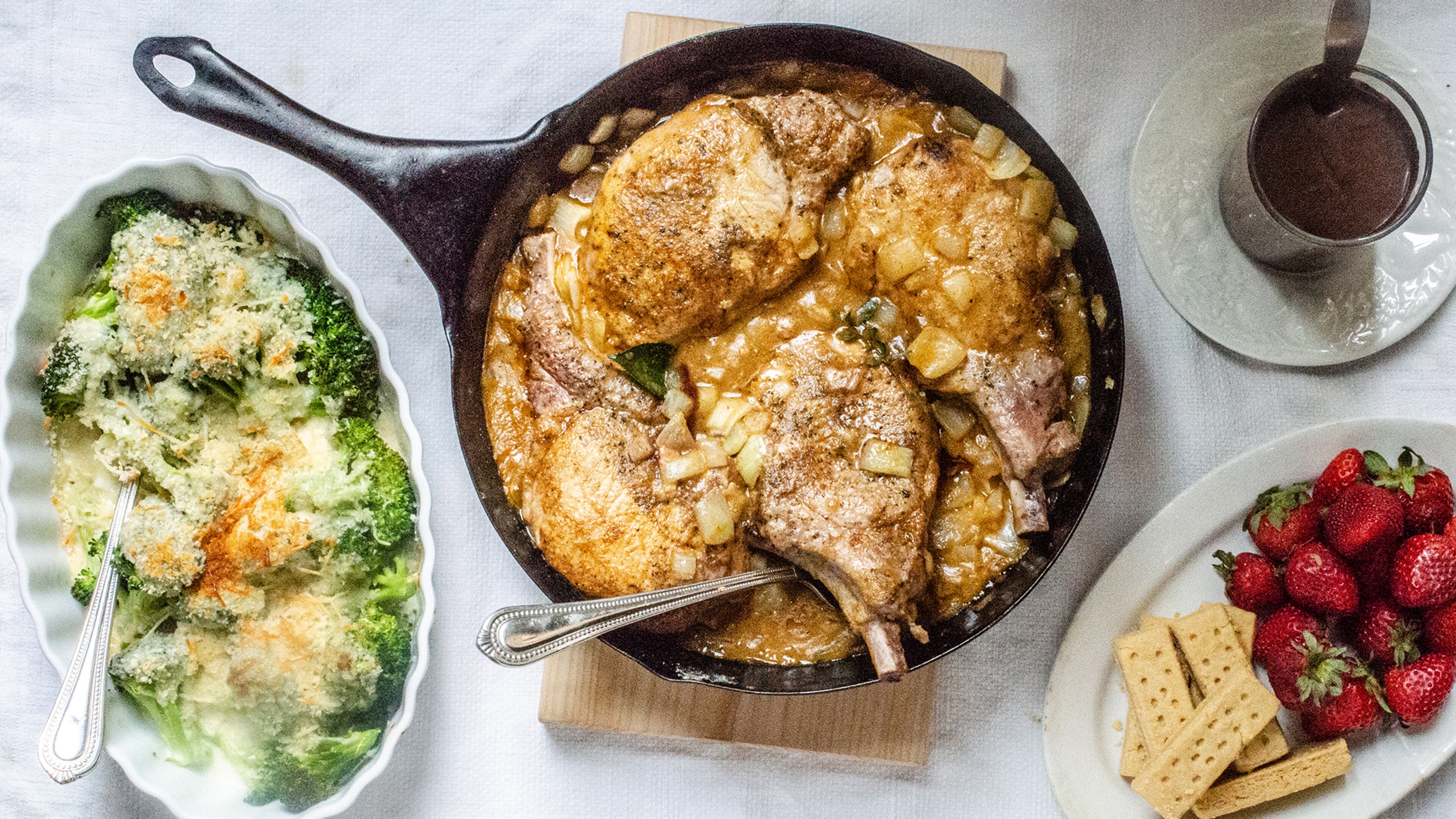
Eighteenth century French chef Marie-Antoine Carême devised an intricate methodology to classify hundreds of sauces under one of five mother sauces: velouté, espagnole; hollandaise, tomate, and bechamel. From this handful of origin sauces, dozens and dozens of sauces follow. A bit of tomato dolloped into velouté rechristens it as aurore, the tweak of tarragon and an acid swap transform hollandaise into punchy béarnaise, and so on.
Sauces stand the test of time because they transform a dish. When executed correctly, they can make it far superior. Game-changing sauce recipes don’t have to be long, hard or complicated. Improve your cooking by mastering three workhorse sauces: bechamel, also known as white sauce; old-fashioned Southern-style gravy; and ganache, or chocolate sauce. With this trio of simple concepts in your back pocket, you open a world of possibilities.
Sauce bechamel is made by stirring heated milk into a butter-flour roux. The thickness of the sauce depends on the proportion of flour and butter to milk. The proportions for a thin sauce are 1 tablespoon each of butter and flour per 1 cup of milk; a medium sauce uses 2 tablespoons each of butter and flour; and a thick sauce, 3 tablespoons of both.
Examples using a thin bechamel include a spread on a classic croque-monsieur, queso or cheese dip. Thick bechamel is the base for a savory soufflé. The recipe here, broccoli casserole, uses a medium bechamel as the base.
Once we add cheese, it is no longer known as sauce bechamel, but instead as sauce mornay. In this recipe for broccoli casserole with sauce mornay, the broccoli is the recipient of the rich, cheesy, sauce. The same mornay would cascade equally well over blanched cauliflower florets, cubes of par-cooked root vegetables, or tender macaroni noodles.
The second must-know workhorse sauce, gravy, resembles velouté. Both are starch-thickened sauces, made from stock stirred into a butter-flour roux.
Gravy is very often the resulting benefit of searing meats. Protein is coated with flour and seared in fat. The drippings, or brown bits in the pan, form the flavor backbone and help thicken the sauce.
Braising normally suggests short ribs, pot roast or beef stew, but the technique can also be used for cooking dishes that take shorter cooking times, like this recipe for pork chops with onion gravy, a country classic. Braising joins the power of both dry and wet heat: a hot sear followed by gentle cooking in a flavorful, aromatic broth that makes its own gravy. The pork chops are dusted in seasoned flour, a sauce is made, and the meat simmers in the gravy in the oven.
It’s important to note that you can use all-purpose or white whole wheat flour for starch-thickened sauces, if gluten is not a concern. Chickpea flour (aka “besan” if you are shopping at an Indian market) or garbanzo fava bean flour, a product made by Bob’s Red Mill, may also be used if you prefer a gluten-free dish.
The last of the trio of workhorse sauces is chocolate ganache, a mixture of chocolate and cream. The exquisite beauty of ganache is that it can be thick and creamy, performing as the luscious interior of a decadent chocolate truffle, or whisper thin and used as a glaze. It can be chilled and whipped into a fluffy frosting or as a thick, rich sauce for fruit or ice cream.
Carême’s concept of mother sauces is built on the idea of a cook’s body of skills. Pork chops with onion gravy, broccoli casserole with sauce mornay, and chocolate ganache are the foundation of a modern repertoire for the home cook — trustworthy, versatile, and, above all, delicious.
Virginia Willis is an Atlanta-based Food Network Kitchen chef, James Beard Award-winning food writer and cookbook author. Follow her at virginiawillis.com.
RECIPES
Open up a world of cooking possibilities by mastering the simple, versatile techniques used to make the sauces in these recipes.
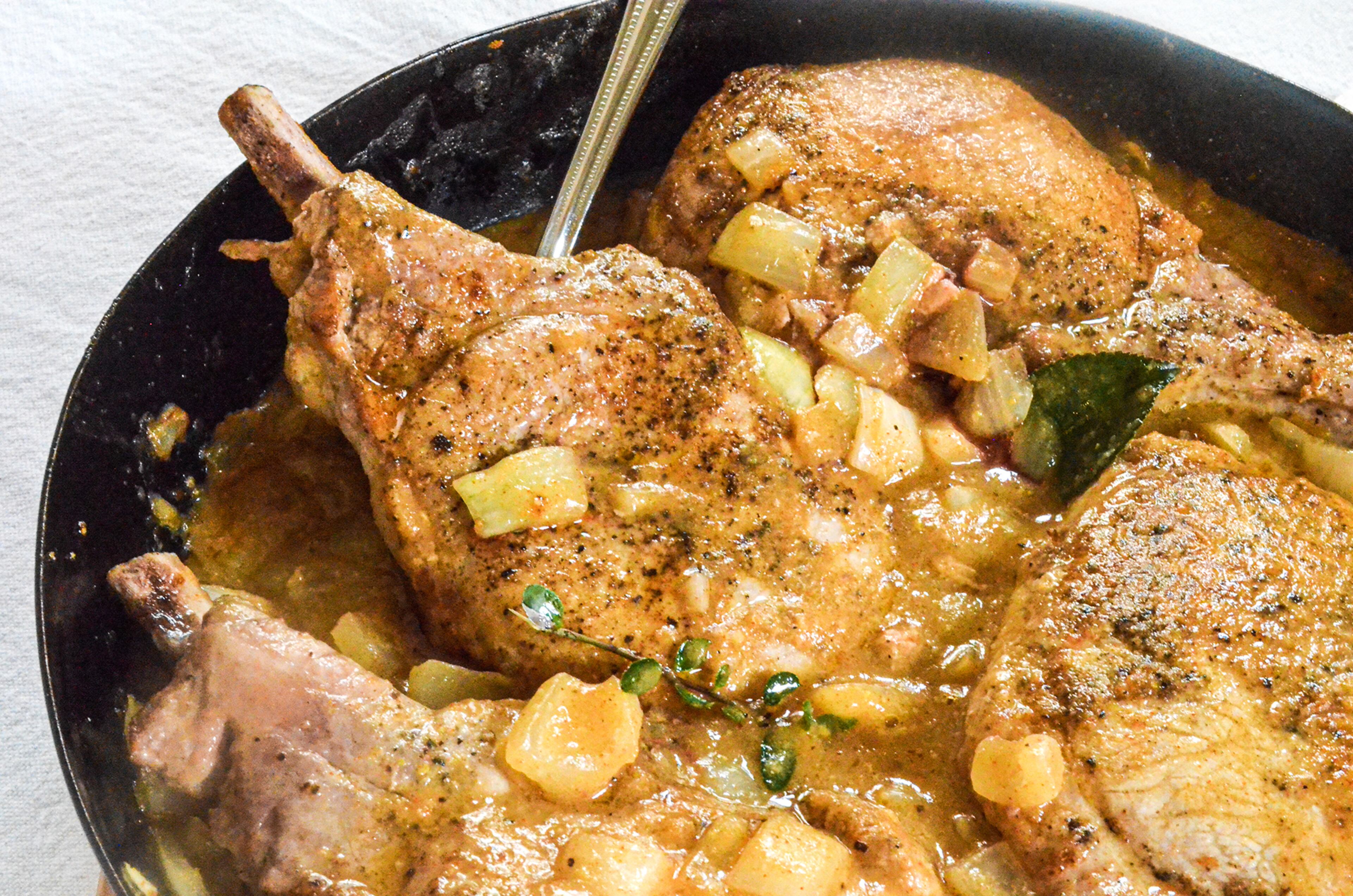
Pork Chops with Onion Gravy
Pork chops are an excellent choice for a 30-minute skillet supper. You could also swap out chops for chicken thighs or chicken breasts. When making protein adjustments, the key is to remove the meat when it is cooked, and adjust the consistency of the gravy separately.
- 4 bone-in pork chops, 1-inch thick (2 1/2 to 3 pounds total)
- Coarse kosher salt
- Freshly ground black pepper
- 3 tablespoons all-purpose, white wheat or chickpea flour
- 1 teaspoon onion powder
- 1 teaspoon paprika
- 1/4 teaspoon cayenne pepper, or to taste
- 2 tablespoons pure olive oil
- 2 sweet onions, chopped
- 3 garlic cloves, finely chopped
- 1 cup chicken stock, bone broth, or reduced-fat, low-sodium chicken broth, plus more if needed
- 2 sprigs fresh thyme
- 1 bay leaf
- Heat the oven to 350 degrees.
- Season the pork chops generously with salt and pepper. Set aside.
- Place the flour in a shallow plate and season with onion powder, paprika and cayenne. Season with salt and pepper and stir with a fork or whisk to combine. Set aside.
- Heat the oil in a large skillet over medium-high heat. Meanwhile, one piece at a time, add the seasoned pork chops to the seasoned flour and turn to lightly coat.
- Once all chops are coated, shake off the excess flour, reserving it for use in the gravy. Working one chop at time, transfer the coated chops directly to the heated pan and sear until golden brown, 1 to 2 minutes per side. Set chops aside on a plate.
- Add the onions to the skillet and decrease the heat to medium. Season with salt and pepper. Cook, stirring occasionally, until the onions are golden brown, 5 to 7 minutes. Add garlic and cook until fragrant, 45 to 60 seconds.
- Add the remaining flour-spice mixture to the onions and stir to coat and combine. Add the chicken stock while stirring the onion and flour mixture. Increase the heat to medium-high. Bring the mixture to a boil, then decrease the heat to low and simmer until the mixture thickens into a gravy, 1-2 minutes.
- Add to the skillet the reserved pork chops with any accumulated juices, thyme sprigs, and the bay leaf. Nestle the chops into the onions and turn to coat all sides in the gravy.
- Transfer the skillet to the oven, uncovered, and cook until the internal temperature of the pork chops reaches 145 degrees, 8 to 10 minutes.
- If the gravy seems too thick, remove the pork chops to a serving plate and add additional chicken stock, a little at a time. The sauce should be thick enough to coat a spoon.
- Taste and adjust for seasoning with salt and pepper. Serve immediately.
Nutritional information
Per serving: Per serving: 578 calories (percent of calories from fat, 41), 65 grams protein, 19 grams carbohydrates, 9 grams total sugars, 2 grams fiber, 25 grams total fat (7 grams saturated), 156 milligrams cholesterol, 270 milligrams sodium.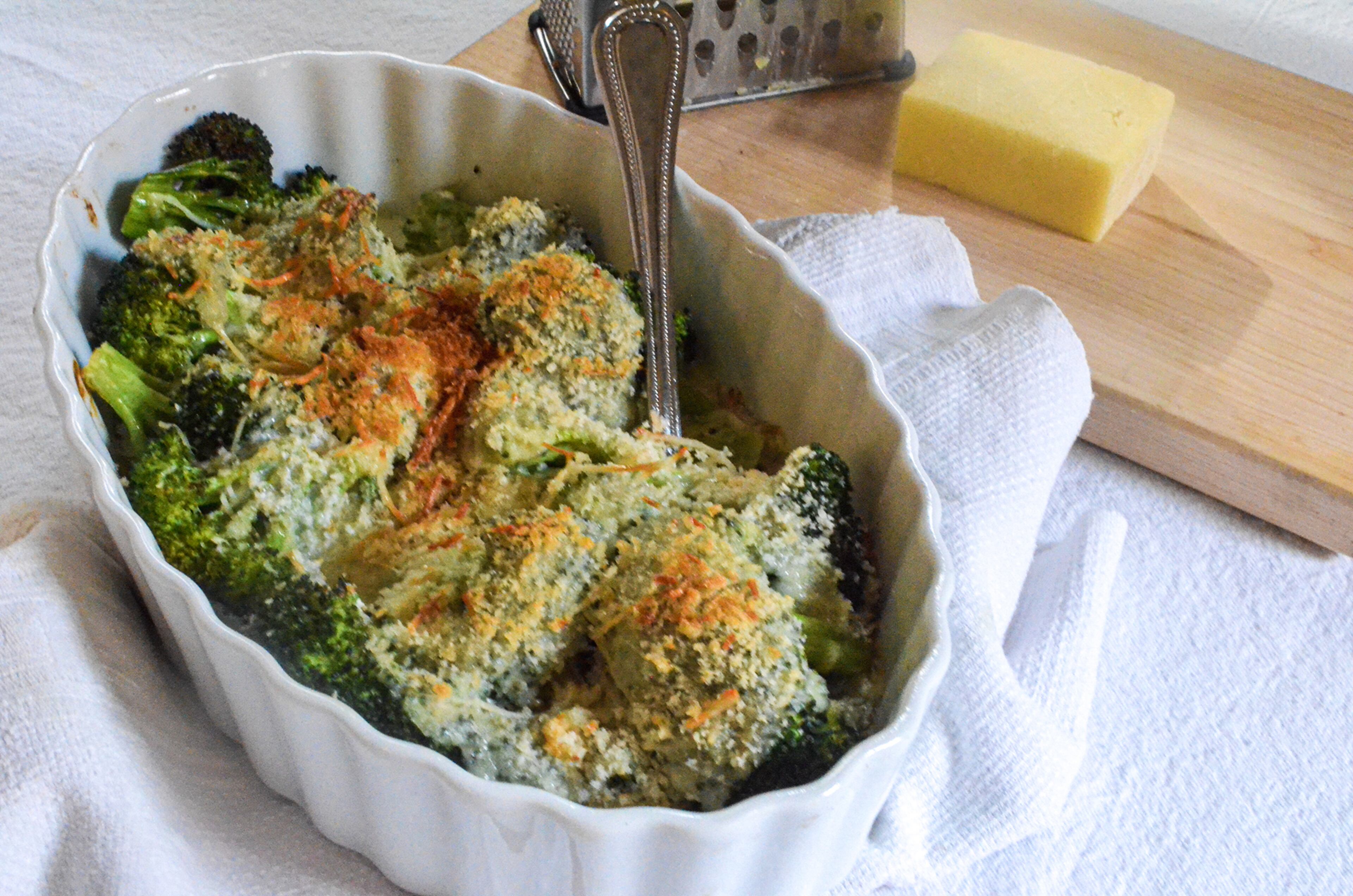
Broccoli Casserole with Sauce Mornay
Warming the milk in this recipe is essential to prevent lumps from forming. The bouquet garni of fresh herbs and peppercorns in this recipe doesn’t require a cheesecloth sachet since you are straining the milk, and it can be as simple as a few stems of parsley. And, if pressured for time or energy, unlike heating the milk, it can be omitted.
The amount of starch in the sauce is best suited for a semi-firm cheese such as Swiss or Gruyere, but cheddar may be used, as well.
- 1 cup 2% or whole milk
- 3 sprigs parsley (optional)
- 2 sprigs thyme (optional)
- 10 peppercorns (optional)
- 2 crowns broccoli, chopped into florets (about 6 cups)
- 2 tablespoons unsalted butter
- 2 tablespoons all-purpose, white wheat or chickpea flour
- 1/2 cup freshly grated Gruyere cheese
- 1/4 cup panko breadcrumbs
- 2 tablespoons freshly grated Parmigiano-Reggiano
- Coarse kosher salt and freshly ground black pepper
- Heat the milk in a small pot until just simmering. Add the parsley, thyme and peppercorns, if using. Cover and remove from the heat. Let steep for 10 minutes.
- Meanwhile, heat the oven to broil.
- Place the broccoli in an ovenproof, microwave-safe dish. Add a few tablespoons of water. Cover and seal tightly with plastic wrap. Cook in the microwave until just tender, about 5 minutes, depending on the strength of the microwave. Carefully remove the plastic and drain the water, leaving the broccoli in the dish. Set aside.
- Melt the butter in a saucepan, whisk in the flour and cook for 1 to 2 minutes, until foaming. This cooks out the raw taste of the flour and helps prevent lumps from forming. Strain the milk into the flour mixture, discarding the herbs and peppercorns. Bring to a boil, whisking constantly, until the sauce thickens. Season and simmer for 2 minutes. The sauce should coat the back of a spoon. Remove the sauce from the heat and stir in Gruyere cheese until it melts. Taste and adjust for seasoning with salt and pepper.
- Spoon the sauce over the broccoli and stir to combine. Combine the panko and Parmesan. Sprinkle over the sauce. Broil until golden brown, about 5 minutes, depending on the strength of your broiler. Remove from the oven and let cool slightly before serving.
Nutritional information
Per serving: Per serving: 218 calories (percent of calories from fat, 51), 11 grams protein, 17 grams carbohydrates, 5 grams total sugars, 3 grams fiber, 13 grams fat (7 grams saturated), 37 milligrams cholesterol, 249 milligrams sodium.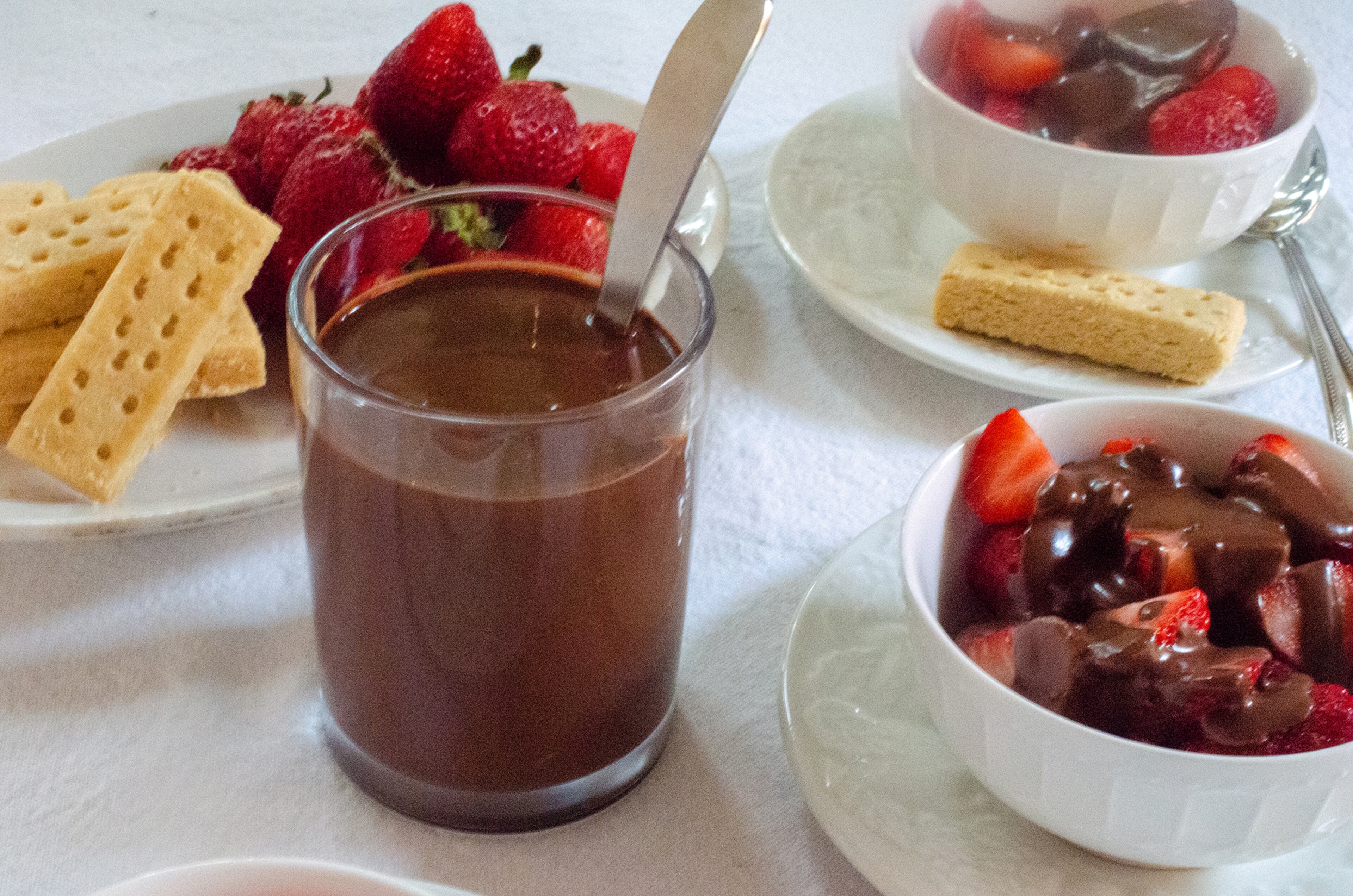
Chocolate Ganache
At its most simple, chocolate ganache is a one-to-one ratio of chocolate and heavy cream. This is perhaps the ultimate must-know sauce. Serve sliced fruit, berries, or even store-bought cookies with a bowl of chocolate ganache for dipping and prepare to receive the accolades.
Vegan or plant-based chocolate ganache is possible! Simply use a plant-based heavy cream or a thicker plant-based milk such as a barista blend and vegan chocolate.
- 1 cup heavy cream
- 8 ounces semisweet chocolate or bittersweet chocolate, chopped
- 1 tablespoon unsalted butter (optional)
- Heat the cream in a medium saucepan over low heat or in the microwave until hot and steamy, about 2 to 3 minutes. Place the chocolate in a heatproof bowl. Pour the heated cream over the chopped chocolate. Let sit for 3 minutes. Stir until the chocolate is completely melted. If desired, add butter for flavor and shine.
- Serve warm or at room temperature as a sauce or let it rest at room temperature to cool and thicken. While thin it can be used as a pourable sauce. As it thickens, it can be used for dipping. It will fully cool and become nearly firm within a few hours. Store leftovers in a sealed container in the refrigerator up to 5 days. The ganache will harden but can be microwaved in short bursts on low heat until molten and liquid again.
Nutritional information
Per serving: Per 1/4-cup serving, without unsalted butter: 317 calories (percent of calories from fat, 67), 3 grams protein, 25 grams carbohydrates, 22 grams total sugars, 2 grams fiber, 26 grams total fat (16 grams saturated), 45 milligrams cholesterol, 15 milligrams sodium.Read more stories like this by liking Atlanta Restaurant Scene on Facebook, following @ATLDiningNews on Twitter and @ajcdining on Instagram.

