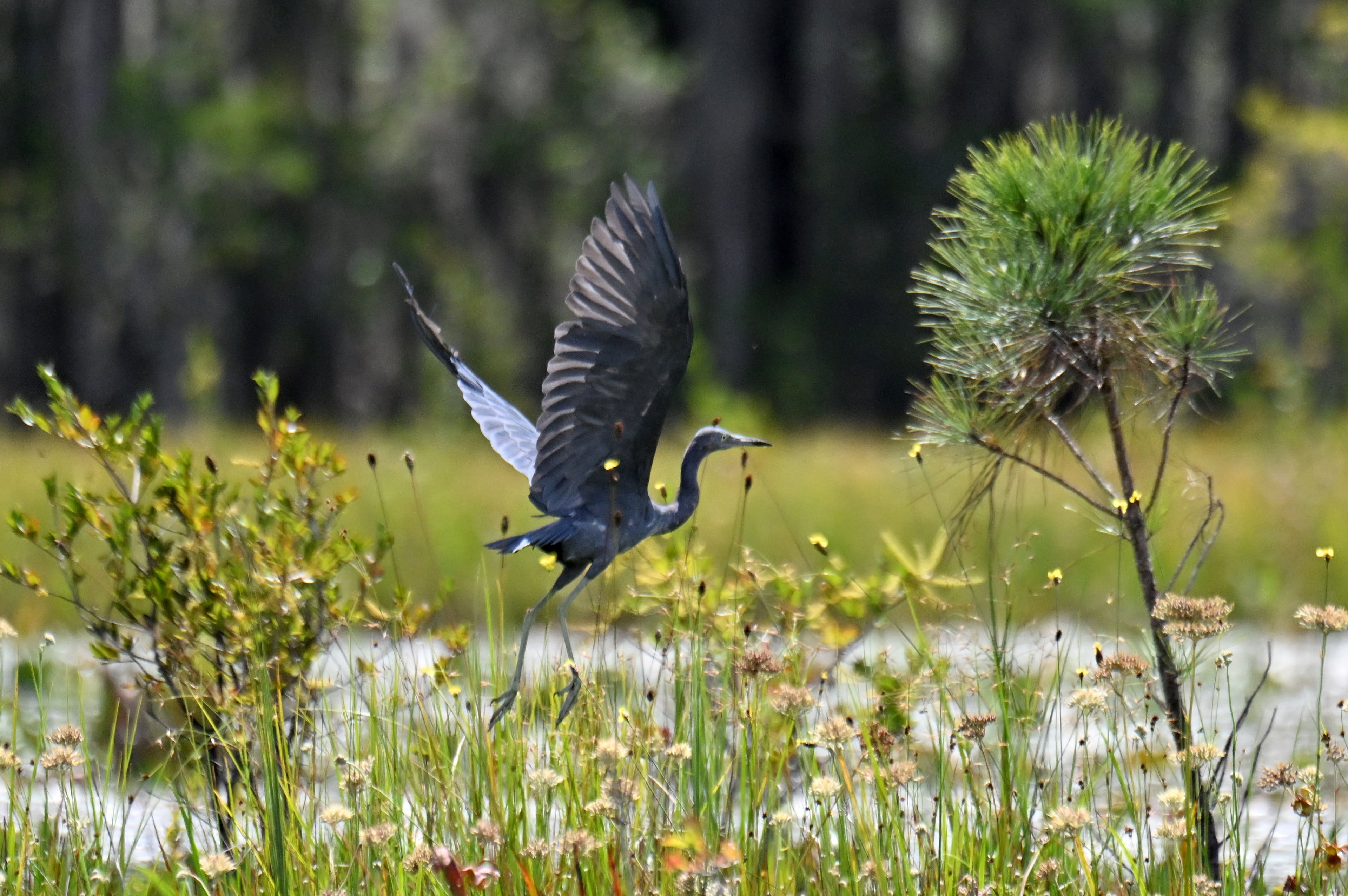
Make a resolution to hike these 7 natural wonders of metro Atlanta

If your New Year’s resolution involves spending more time outside, it can be hard to know where to start. While writing our “Hiking Atlanta’s Hidden Forests” guidebook series, my friend (and now co-author) Zana Pouncey and I noted inspiring vistas, scenic waterfalls, peaceful rivers and unique forests unrivaled for their beauty.
Now, just in time to help out AJC readers with New Year’s resolutions, Pouncey and I are excited to share what we’re calling the “seven natural wonders of metro Atlanta.” These stunning places are must-sees for nature lovers and the nature-curious alike.
So, in alphabetical order, here they are:

Bamboo Forest
The massive bamboo plants that grow in a thick forest on the banks of the Chattahoochee may seem like a strange “natural wonder.” This giant timber bamboo is here only because humans brought it to Georgia from China. This bamboo forest illuminates what makes Atlanta great — that we can welcome beauty from around the world and integrate it into the culture of our city.
Before colonization, another bamboo lined the banks of the Chattahoochee. That North American bamboo, called rivercane, is shorter, has thinner stems and grows in dense thickets called “canebrakes.” You can still see it here if you know what to look for, but today, most hikers flock to the giant bamboo forest nestled between a rocky cliff and the river itself. You can watch the bamboo forest rustle gently in the wind with a backdrop of gorgeous river views.
How to visit: Hike almost 3 miles on the trails of the East Palisades Unit of the Chattahoochee River National Recreation Area to find the bamboo forest at marker EP 26.

Chattahoochee River
You drink this natural wonder every day. Literally. It’s great to have an urban river that is also a water source, but what makes the Chattahoochee River special is public access. In the 1970s, with development encroaching on the river, then-President Jimmy Carter signed laws that protected 48 miles of river and created the Chattahoochee River National Recreation Area.
On the Chattahoochee, you can Jet Ski on Lake Lanier, kayak Devil’s Shoals, Shoot the Hooch in summer, fly fish under a bridge, mountain bike at Sope Creek, rock climb at Allenbrook, jog at Cochran Shoals, bird-watch at Gold Branch and hike miles of gorgeous trails. With so many ways to access the Chattahoochee, the only real question is this: Where will you experience this natural wonder?
How to visit: For the most off-the-beaten path experience, we recommend Settles Bridge Park. For the most iconic, try the Island Ford Unit of the National Recreation Area.

Hank Aaron Oak Tree
This tree isn’t just a natural wonder, it’s a champion. Named for home-run king Hank Aaron, this special tree is one of the biggest white oaks in the city — a so-called “co-champion,” to use tree lover lingo. It’s been standing sentinel for centuries, but only recently have naturalists honored it.
Atlanta’s “Champion Trees” are the largest of each species inside the Perimeter. Trees that measure the largest combination of circumference, height and crown spread are bestowed the honor of “champion” by Trees Atlanta. If you want to see more champion trees after visiting the Hank Aaron Oak, Fernbank Forest and Herbert Taylor Park have the two largest densities of champion trees in the city.
How to visit: The Hank Aaron Oak stands in the heart of Connally Nature Park in East Point.
Monadnocks
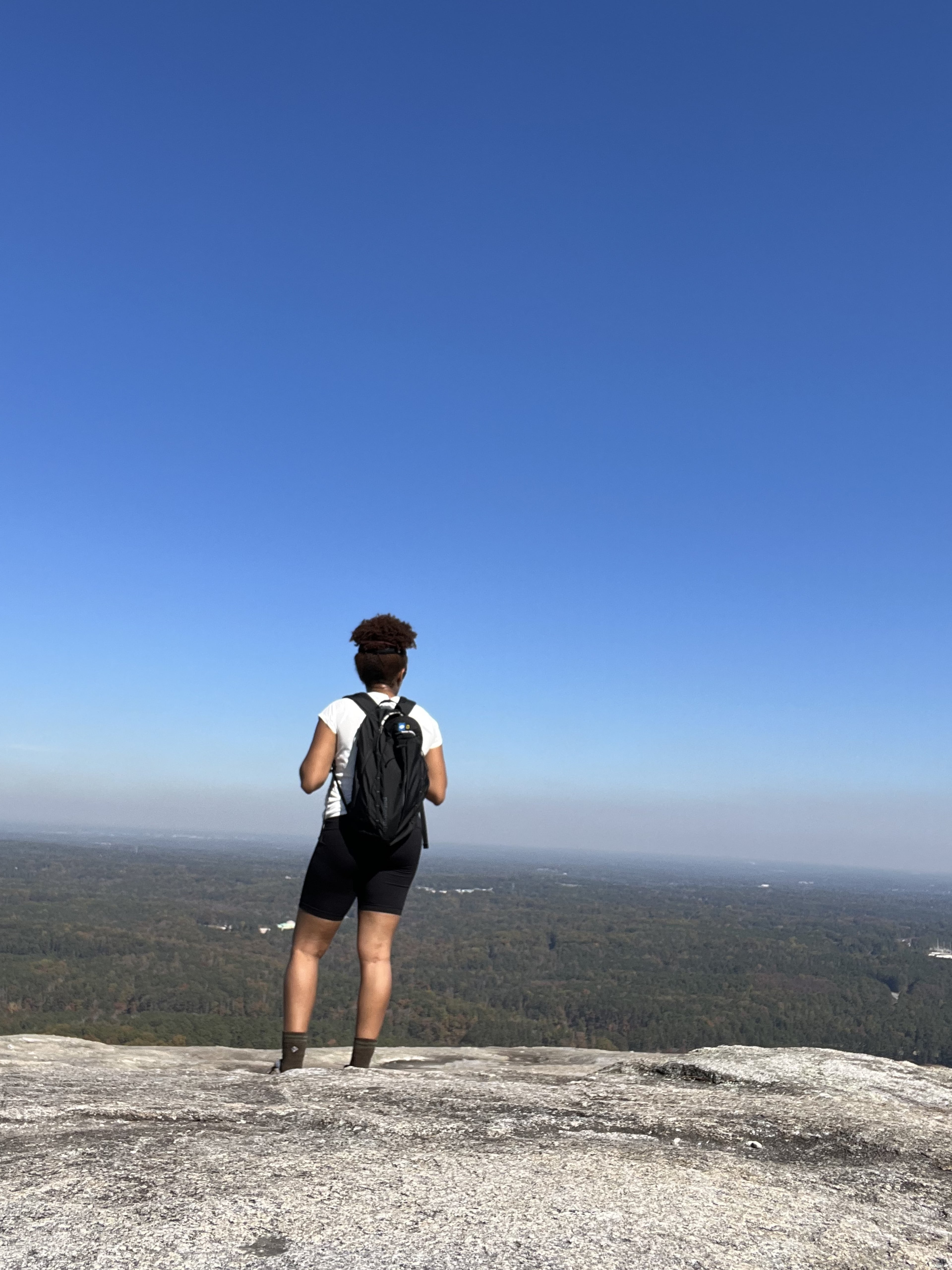
The most popular tourist attraction in Georgia is a monadnock, but most people have never heard that word. A monadnock is an isolated hill of rock, rising from a relatively flat surrounding area, and Stone Mountain is our most famous one.
Though Stone Mountain is indeed a wonder, it is but one of many metro-area monadnocks. The oldest is Arabia Mountain (more than 400 million years). The most pristine is Panola Mountain. The tallest is Kennesaw Mountain (1,808 feet). Nature-lovers flock to these monadnocks each day for exercise, beauty, meditation and connection with nature.
When you visit, you can learn the unique history of each one, look for rare Georgia oaks, marvel at tiny red diamorpha flowers and learn the unique geology of each mountain.
How to visit: Summit Trail at Kennesaw Mountain, Walk-Up Trail at Stone Mountain and Mountaintop Trail at Arabia Mountain are the most iconic hikes at each monadnock. You’ll have to join a guided hike with a ranger to visit Panola Mountain’s summit.

Roswell Mill Waterfall
You don’t have to drive to the mountains for waterfalls. Atlanta has plenty of falling water, the most famous of which is Roswell Mill Waterfall. What makes this waterfall unique and memorable is the ease of access, picture-perfect location and the volume of water rushing over the dam walls.
But wait, if the dam that forms this waterfall was built by humans, is this truly a “natural wonder?” Civilization’s impact on nature is an intrinsic part of the natural environment and has been for millennia. What draws visitors to Roswell Mill Waterfall is not the human engineering, but the sound and spray of the water and the reflection of leaves on the creek. It may have human origins, but this waterfall’s natural beauty is what inspires us.
How to visit: Park at Old Mill Park (95 Mill St.) in Roswell. Or hike the trails of the Vickery Creek Unit of the Chattahoochee River National Recreation Area to visit the waterfall.

South River Forest
Atlanta’s South River is mostly ignored or known just for its polluted water. Yet the South River (called Weelaunee, in the Muscogee language) originates in Atlanta and is surrounded by even more green space inside the Perimeter than the Chattahoochee. That green space is now called the South River Forest.
In 2023, the Atlanta Regional Commission bestowed the name South River Forest to a proposed 3,500-acre network of public green spaces. The expansive vision of interconnected parks has encountered roadblocks, including Atlanta’s development of a public safety training center and DeKalb County’s swap of Intrenchment Creek Park land. But there are also steps forward, including Southside Park’s network of mountain bike trails, Atlanta’s new Lake Charlotte Nature Preserve and DeKalb’s expanding South River Trail.
With more access to the South River Forest, more people are falling in love with this impressive forest and important waterway.
How to visit: There are many places to experience the South River Forest, including Constitution Lakes Park, Lake Charlotte Nature Preserve, Glen Emerald Park, Southside Park, the Southtowne Trail, South River Trail and Gresham Park.
Westside Reservoir
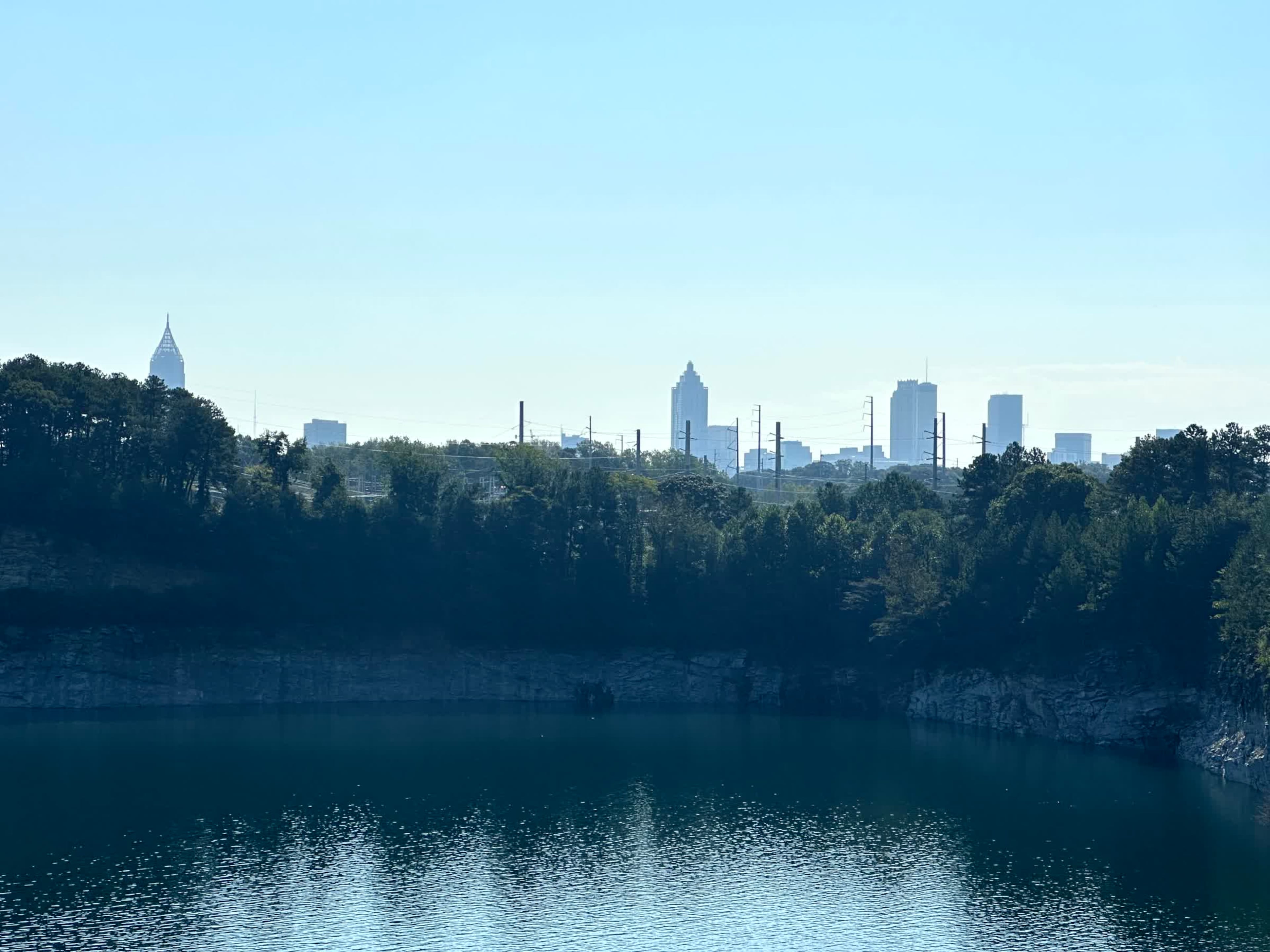
One of Georgia’s deepest lakes is right here in Atlanta. It’s also one of our newest lakes. From 2015 to 2021, the city drilled a 4-mile tunnel from the Chattahoochee River to Bellwood Quarry and then pumped in 2.4 billion gallons of water to create Westside Reservoir in Shirley Clarke Franklin Park. The resulting lake is more than 400 feet deep.
Westside Reservoir is a feat of engineering but is also a natural wonder because of its location and beauty. At the reservoir overlook in the heart of Franklin Park, you can watch the sunrise over Atlanta’s skyline and marvel at our city’s natural beauty.
How to visit: Westside Reservoir is inside Atlanta’s Shirley Clarke Franklin Park. Walk the paved trails to marker D6.