The larger meaning of WNBA’s scheduling dilemma for Dream-Valkyries in Finals
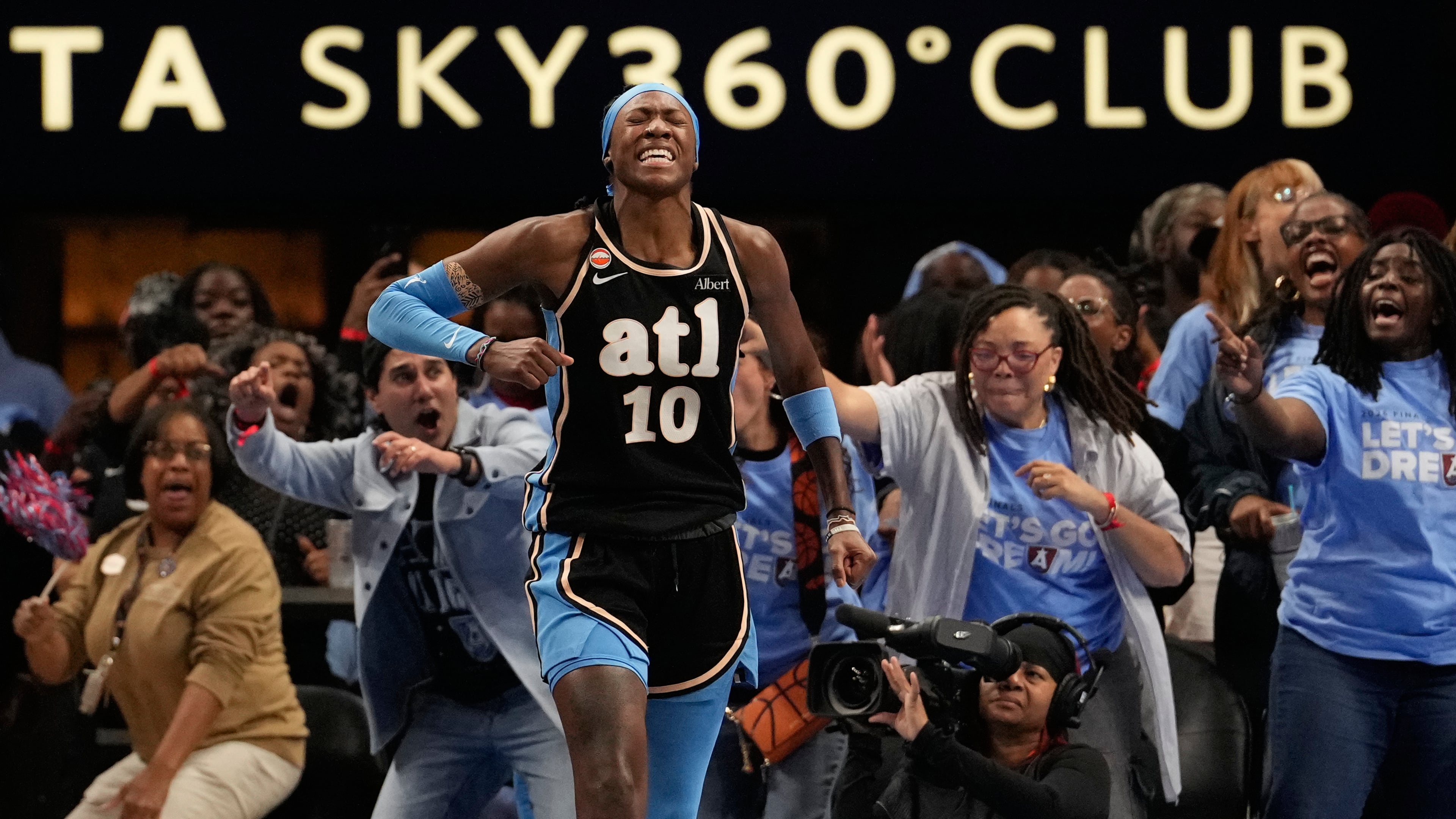

The circumstances for Game 6 of the WNBA Finals between the Dream and the Valkyries aren’t what anyone wants.
A game that could decide the championship will be played at 12:30 p.m. Thursday in order to use State Farm Arena ahead of the Hawks. It will be inconvenient for fans to attend or watch on television.
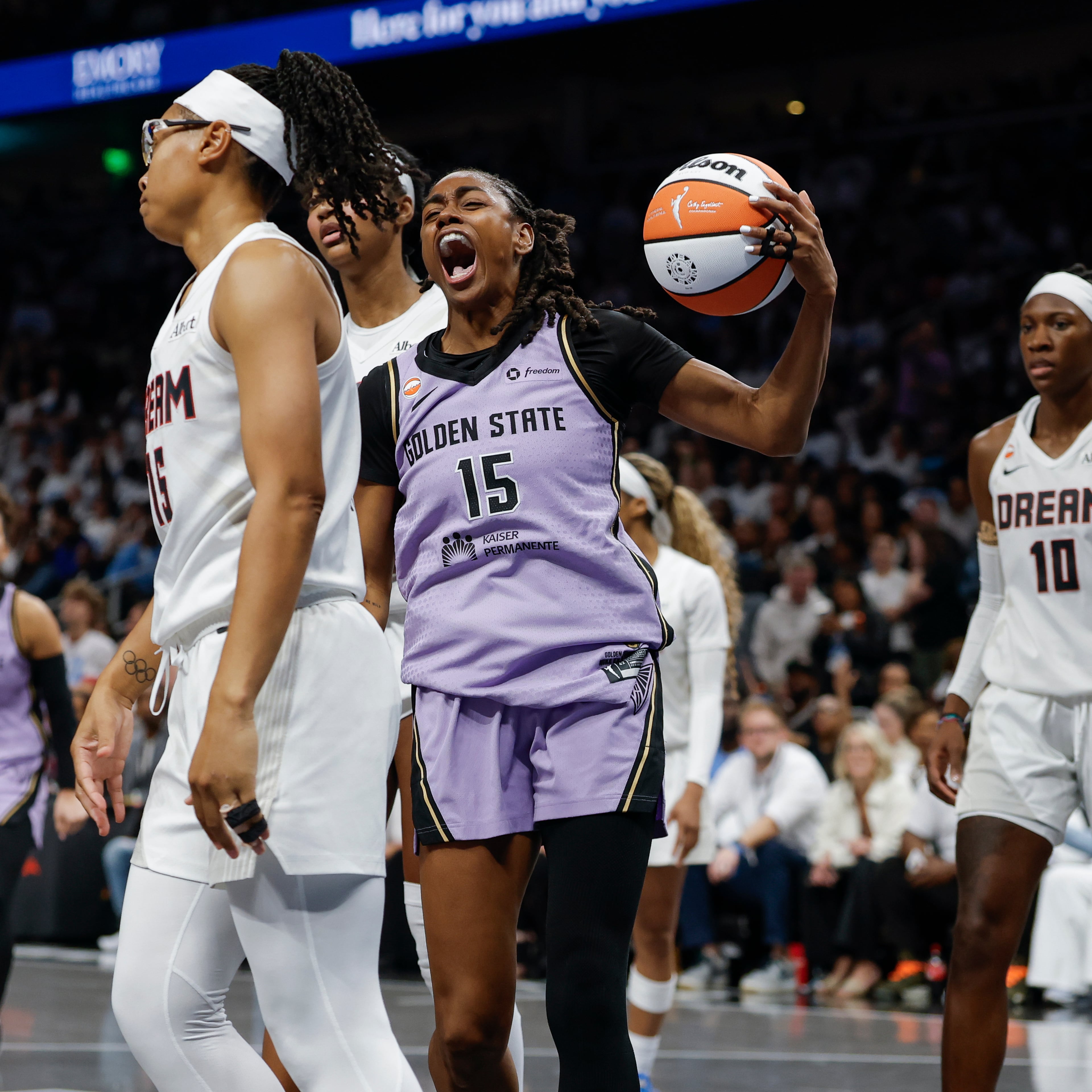
For myriad reasons, it has been a PR mess for the WNBA and the Dream.
That said, the game will be played and somehow life will go on. This is a city that handles curveballs like this well (unless there’s snow on the ground).
There’s also the reality that this deluge of criticism actually sends a welcome message to the WNBA, the Dream and supporters of women’s basketball.
It means that this series matters to a lot of people. The complaints are pouring in because the television viewership for the series is historically large and because the WNBA has grown in importance.
If attendance and interest in this series were minimal, it would have been an easy decision to play Game 6 at Gateway Center Arena in College Park, the Dream’s home for the past six seasons.
But that is not the case.
Games 3 and 4 were sellouts in State Farm and the environment was electric. It’s understandable why the WNBA and the Dream wanted to find a way to have Game 6 there as well.
Undoubtedly, the league should have been more proactive. Not finalizing a decision until Monday, the day of Game 5, was not good business.
And, again, possibly crowning the league champion of a riveting series at around 4 p.m. on a weekday isn’t ideal.
Still, a scheduling impasse was likely inevitable given these circumstances. And these growing pains are a much better problem than not being able to sell tickets or drum up interest, which is what the league has faced for much of its 30-year existence, especially so for the Dream since joining the WNBA in 2008.
The last time the Dream reached the WNBA Finals was in 2013. It wasn’t that long ago; one of the Dream’s guards was Tiffany Hayes, who is playing in this year’s Finals for the Valkyries.
Like this year, State Farm (then Philips Arena) had a conflict for Game 3 that required the Dream, which played its home games there, to find a solution.
The answer was to play Game 3 at Gas South Arena (then Gwinnett Arena) in Duluth.

Attendance was 5,040, less than half of capacity, and much of it was there to support Lynx star guard (and Collins Hill High grad) Maya Moore. And it was still the largest of the Dream’s four home playoff games that season.
The league’s games were televised that season by ABC, ESPN or ESPN2. It was the first year of a new package of up to 30 games that was worth $12 million annually, or $1 million per team. According to Sports Media Watch, the game averaged 321,000 viewers.
Presumably, if you had told Dream or WNBA officials then that, in 13 years, their successors would be having to figure out how to not lose a sellout crowd in State Farm and also try to preserve historic TV viewership (an average of 1.7 million viewers for Game 3), they might wonder what sort of medication you were on.
And if you further told them that the league’s TV package was bringing in at least $200 million annually, they might wonder if maybe they were the ones on the meds.

There may be a day when WNBA supporters look back in amazement that one of its Finals games had to be played on a Thursday afternoon. (Actually, I suppose that day is actually today.)
But it’s sort of like how difficult it is to conceive that the NBA Finals used to be broadcast on tape delay and that the first Super Bowl wasn’t a sellout.
What the WNBA and Dream are dealing with is embarrassing and a lesson. They’ll presumably learn from the latter and the former will blow over.
But it’s also a testament to how far they’ve come.
You can now get my column sent straight to your inbox. Sign up for my newsletter here.