Congress is back. But that doesn’t mean momentum for a health insurance deal.
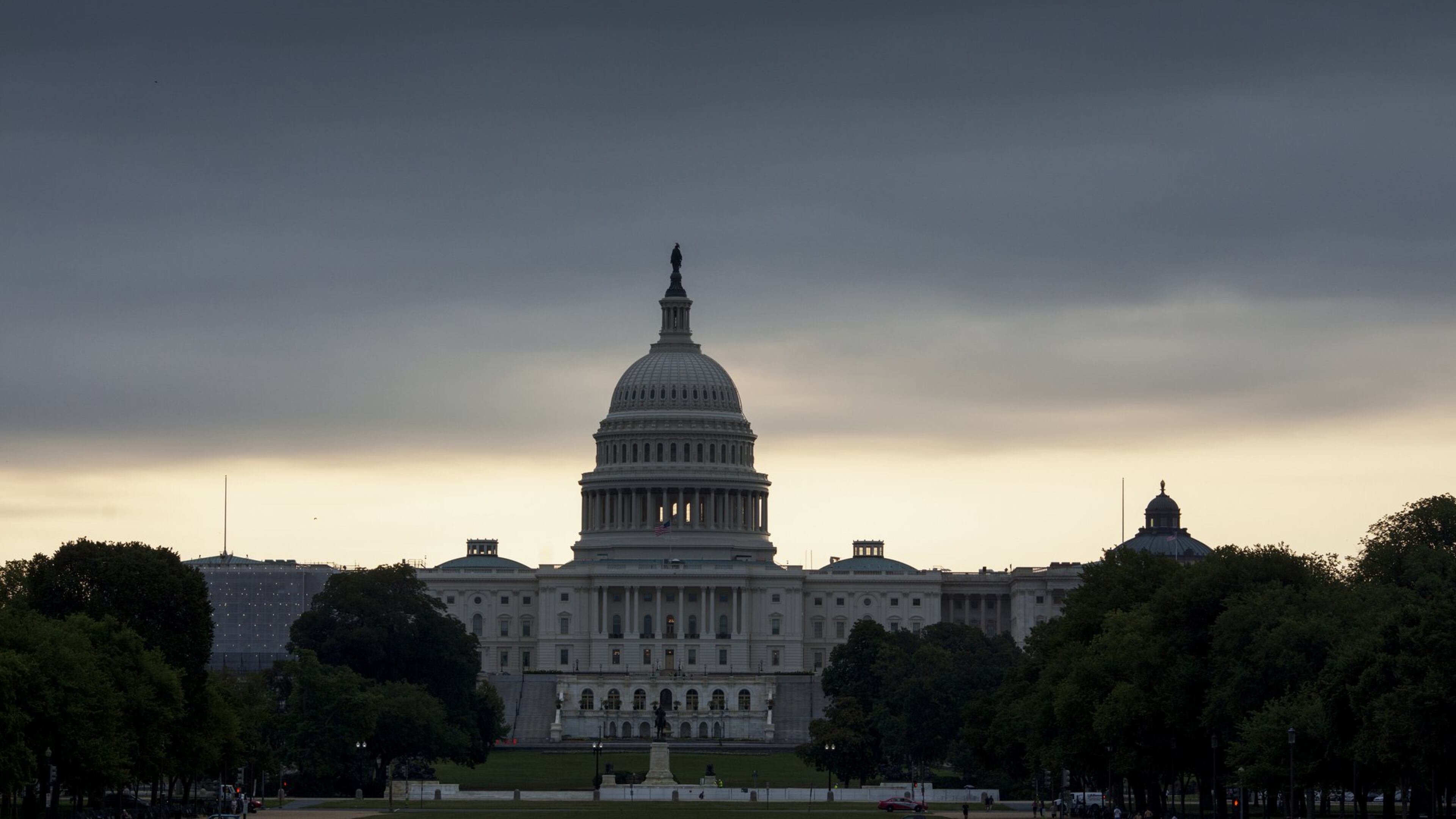
If you thought lawmakers in Congress would return from a Thanksgiving break ready to buckle down and find a deal on the expiring insurance subsidies under the Obama health law, think again.
There was little evidence of any momentum in the hallways of the Capitol this week. Instead, it felt more like Congress will let the subsidies expire and then fight about it next year during the 2026 midterm elections.
“I don’t think it looks very good,” acknowledged U.S. Rep. Hank Johnson, D-Lithonia, as 1.4 million Georgians could see higher insurance premiums.
“My Republican colleagues and the White House seem to be in total disarray,” added Georgia U.S. Sen. Jon Ossoff.
There is still no unified GOP strategy to either replace the Obamacare system or temporarily deal with the subsidies. .
“Where is the Republican plan to solve this crisis?” asked U.S. Rep. Marjorie Taylor Greene, R-Rome, who is stepping down in January and continues to complain that her party has nothing concrete to offer.
“We’re pulling those ideas together,” U.S. House Speaker Mike Johnson told reporters, not sounding like there would be a bill before Christmas.
Instead of detailed proposals, most Republicans continue to offer boilerplate calls about their desire for health insurance change.
“We need competition,” said U.S. Rep. Rich McCormick, R-Suwanee . “We need to have a better system out there and we’re going to do it.”
But Republicans have been saying that since the approval of the Affordable Care Act 15 years ago. But they have never followed through with anything, either piecemeal or comprehensive in nature.
For example, in 2023, the GOP-led House approved a bill designed to let smaller companies join together to offer group health insurance plans as a way to bring down costs.
It sounded important. But it evidently wasn’t. Republicans never sent the bill to the Senate.
Behind the scenes, a handful of lawmakers from both parties — none from Georgia — are working on a deal to temporarily extend the subsidies, and slap new income limits on that health insurance aid.
“What we need to do is give ourselves time for a longer-term fix,” said U.S. Rep. Brian Fitzpatrick, R-Penn., who favors a two-year extension of the subsidies.
The Senate could vote on competing Republican and Democratic plans next week. Neither party’s measure expected to get 60 votes and the most likely outcome seems to be that the subsidies will just expire on Dec.31.
“The clock is really ticking,” said Ossoff.
That’s true. The clock is ticking — on both the subsidies and the blame game for 2026.
Jamie Dupree has covered national politics and Congress from Washington, D.C. since the Reagan administration. His column appears weekly in The Atlanta Journal-Constitution. For more, check out his Capitol Hill newsletter at http://jamiedupree.substack.com
More Stories
The Latest


