Mitsubishi admits to cheating fuel economy tests for 25 years
- McDonald's customer arrested after allegedly putting soda in water cup, hitting manager with car
- Missing Florida teens' boat found off Bermuda coast
- First girl born to family in 101 years
- Wisconsin school prom shooting: What we know now
- Missing Florida teens: Parents to go to state's attorney over iPhone
Mitsubishi admits to cheating fuel economy tests for 25 years
Japanese automaker Mitsubishi Motors admitted Tuesday that it had manipulated parts for better fuel economy ratings on its cars.
The manipulation has a been happening since 1991.
BBC News reported that Japan had regulations changed that year to reflect start-stop driving in cities and urban areas, but the company did not change to suit the new rules.
Last week, the company admitted to falsifying fuel economy information for four models of mini cars that were only sold in Japan.
The New York Times reported that Mitsubishi said the cheating on tests affect 620,000 vehicles sold in Japan since 2013.
The four mini car models -- eK wagon and eK Space, and Dayz and Dayz Roox -- were created by Mitsubishi for Nissan.
"We should have switched, but it turns out we didn't,"executive vice-president Ryugo Nakao said of the rule change 25 years ago.
Time reported that the automaker said there is no evidence that the fuel standards have been cheated in cars sold outside of Japan.
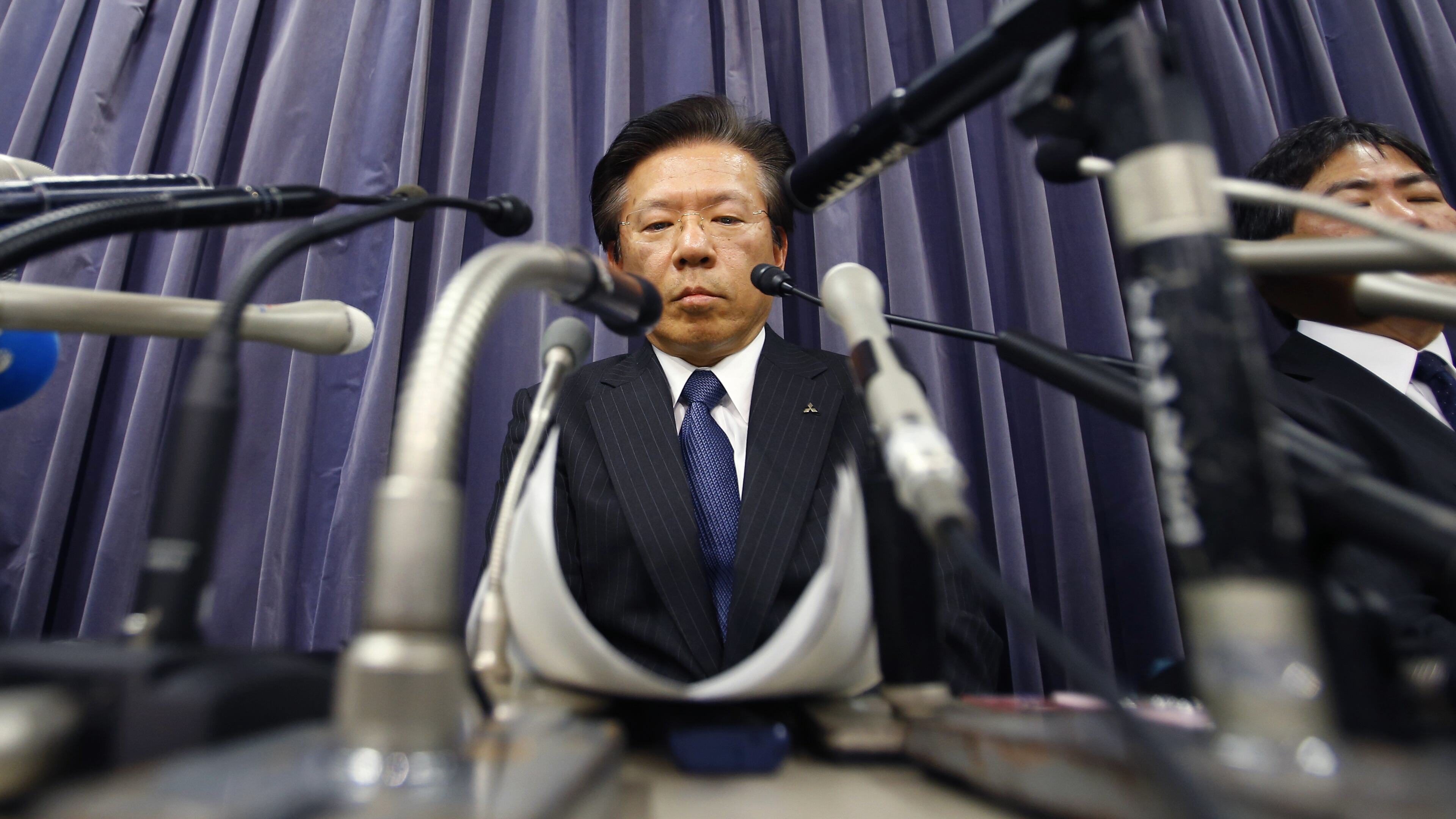
"We don't know the whole picture and we are in the process of trying to determine that. I feel a great responsibility," Mitsubishi’s president, Tetsuro Aikawa, said Tuesday.
"I’m truly sorry that customers were led to buy vehicles based on incorrect fuel-efficiency ratings," he said. "All I can do is apologize."

