What happened to the affordable car?
The headline is stark: Average new-car price hits all-time high.
In October, according to Kelley Blue Book data, the average new car buyer paid a record $51,109.
We expect November to break that record, and December to break it again. New car prices tend to peak at the end of the year, as lower-priced cars from the prior model year have mostly been sold, leaving higher-priced new model year cars as the only thing on sales lots.
The average figure typically drops in January.
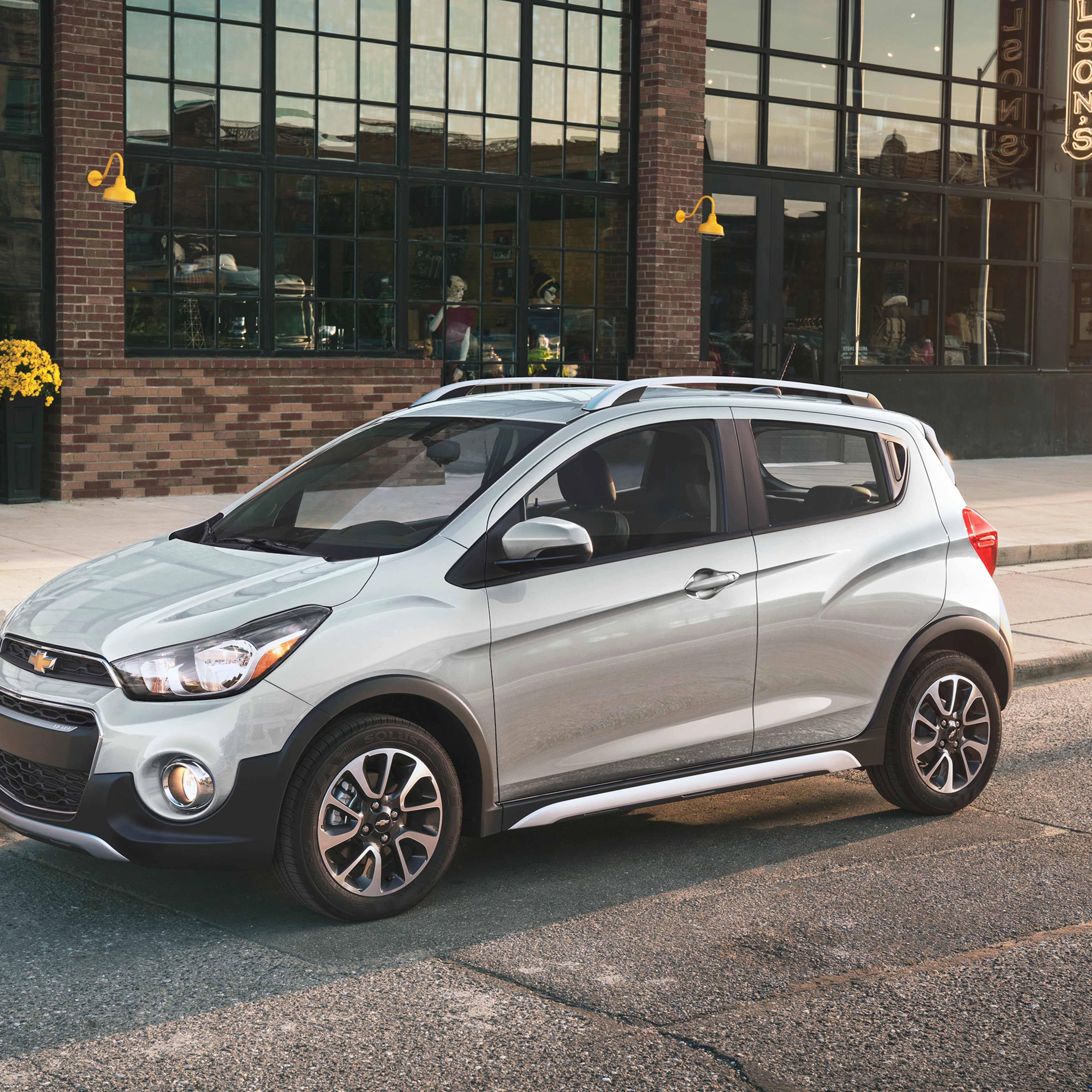
Many factors are driving the record highs. But if you’re shopping for affordable transportation, one stands out — there are simply fewer inexpensive cars than there used to be.
The highs and lows of car buying
In model year 2017, automakers offered 75 models priced less than $30,000. Today, in model year 2027, they’ll offer just 13.

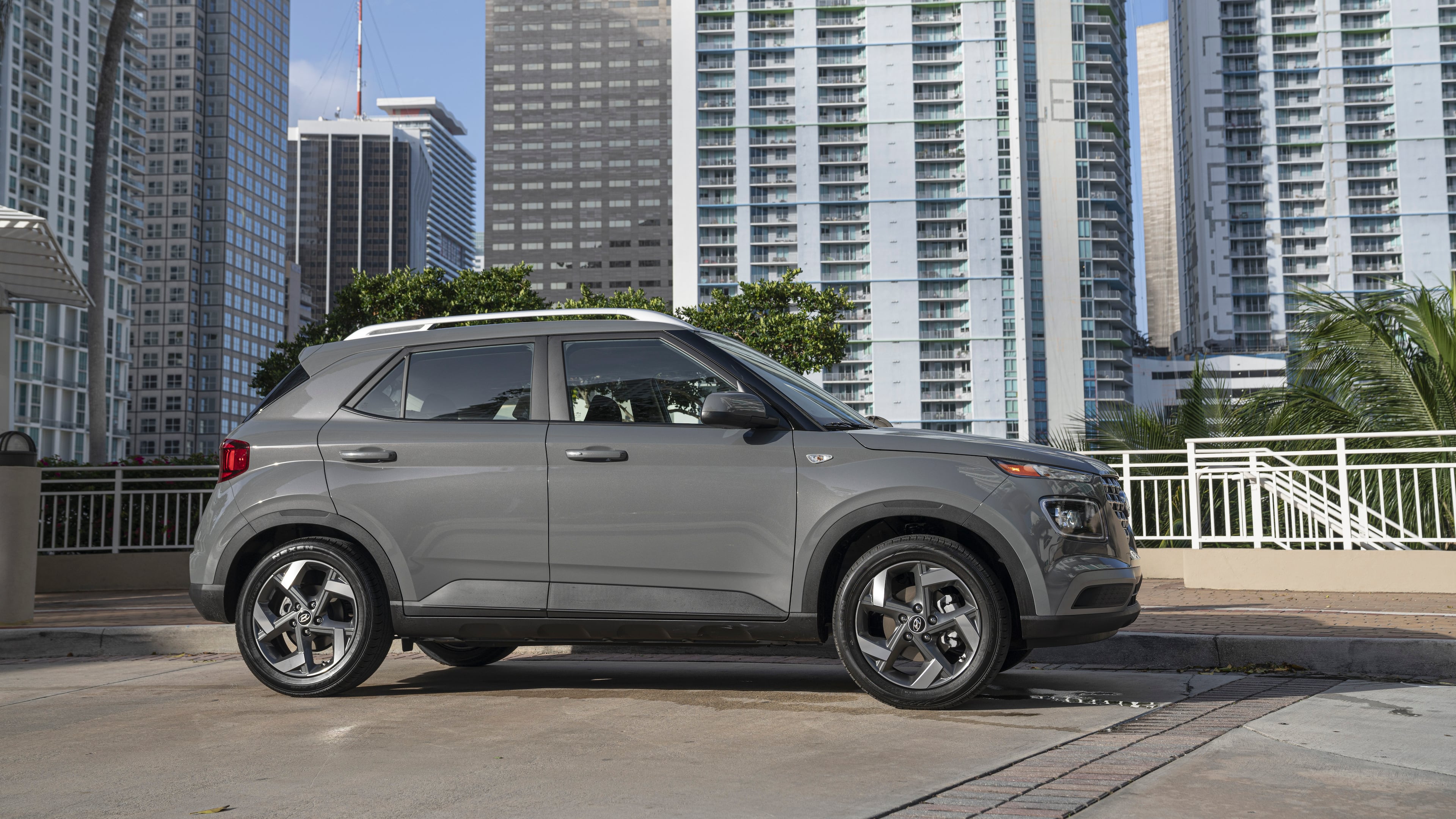
Below $25,000, you’ll find just six — and you’d be lucky to find some of them on a dealer lot, as dealerships don’t tend to stock bare-bones base models of vehicles like the Hyundai Venue or Nissan Sentra.
At the other end of the scale, the trend is reversed. In 2017, automakers sold 42 models with a starting price more than $70,000. This model year, they’ll offer 81.
There is still demand at the low-priced end of the market. Americans bought 442,708 units of the 10 least expensive models in 2016. In 2026, through the third quarter, they’ve already bought 1,022,135 of this year’s 10 least expensive models.
That’s partly because of concentration — there are fewer inexpensive models to choose from, so the “bottom 10” get more buyers. But it’s also a sign that demand for inexpensive cars isn’t gone. There are simply fewer models serving those buyers. How did we get here?

It’s partly business strategy
A lot changed between model years 2017 and 2027. But you likely know one of the biggest disruptions: the COVID-19 pandemic.
It typically takes automakers five to seven years to go from a blank sheet of paper to a finished car on dealer lots.
Product planners have an extraordinarily hard job, predicting Americans’ tastes years before a vehicle reaches showrooms.
The pandemic helped deepen what economists call a “K-shaped economy.” Consumers split into two groups. Those with higher incomes and stronger credit saw their savings and household wealth soar. Those with fewer resources struggled to keep up.
Automakers increasingly chose to aim for buyers on the upper arm of that K.
Consider the Jeep Grand Wagoneer, a six-figure luxury SUV from a brand once known for affordable, fun, no-frills vehicles.
That particular decision has not worked out well. Automakers typically aim for a 75-day supply of each new vehicle in stock, but Jeep has at times had twice that many Grand Wagoneers. The vehicle itself is a capable luxury SUV, but America has a limited appetite for Jeeps priced like Mercedes-Benzes.
Betting on the high-end buyer
Generally, automakers have done well with their bet on the high-end buyer. When 2026 began, analysts from Kelley Blue Book parent company Cox Automotive forecast that Americans would buy 15.8 million new vehicles this year.
Despite trade wars raising car prices, wars pushing up gas prices, and inflation squeezing household budgets, shoppers have kept buying. Cox Automotive raised its 2026 sales forecast to 16.1 million vehicles, although weaker October sales have since put that estimate at risk.
Consumer choice plays a role in prices
The cars automakers build help determine the prices Americans pay — you can only buy the cars on the lot.
That $51,109 average hides some interesting trends if you pick it apart.
The market for relatively affordable vehicles remains strong. In October, compact cars sold for an average of $28,030, while compact SUVs averaged $37,895. Combined sales of vehicles priced roughly between $28,000 and $38,000 rose 9.6% from a year earlier.
So, what pulls the price of the average car over $51,000? Expensive trucks are part of the answer. Nearly every full-size truck on the market is available starting in the mid-$40,000 range, but the average full-size truck buyer last month paid $67,912 as buyers chose luxury trims and expensive options.
Signs of a shift toward affordability
Automakers have noticed the demand at the affordable end of the market. But it takes them years to pivot to a new strategy.
We’re beginning to see long-term plans that include more affordable vehicles. Stellantis, parent company of Jeep, Dodge, Ram, Chrysler, and others, has outlined plans for 11 new vehicles in North America by 2030, with seven priced under $40,000 and two under $30,000.
Ford plans a lineup of lower-priced electric vehicles based on its new Universal Electric Vehicle Platform, starting with the Fathom compact pickup, expected in late 2027 with a starting price below $30,000.
Others are even exploring inexpensive vehicles that don’t quite qualify as conventional cars. Remember Toyota’s affordable Scion brand? It’s coming back, starting with a tiny, fleet-focused truck limited to 25 mph and restricted to certain roads. We’d be shocked if that’s the only reason Toyota brought back the Scion name.
The affordable car isn’t dead. But with just 13 models starting below $30,000, Americans who need one have fewer choices than they did a decade ago. Changing that will take more than demand. It will take automakers willing to build them.
Sean Tucker is a managing editor for Kelley Blue Book. He’s based in Washington, D.C., where he has covered the auto and energy industries for a quarter-century.
The Steering Column is a weekly consumer auto column from Cox Automotive. Cox Automotive and The Atlanta Journal-Constitution are owned by parent company, Atlanta-based Cox Enterprises.